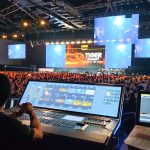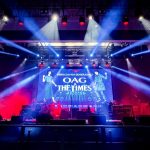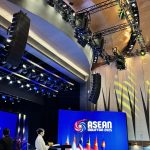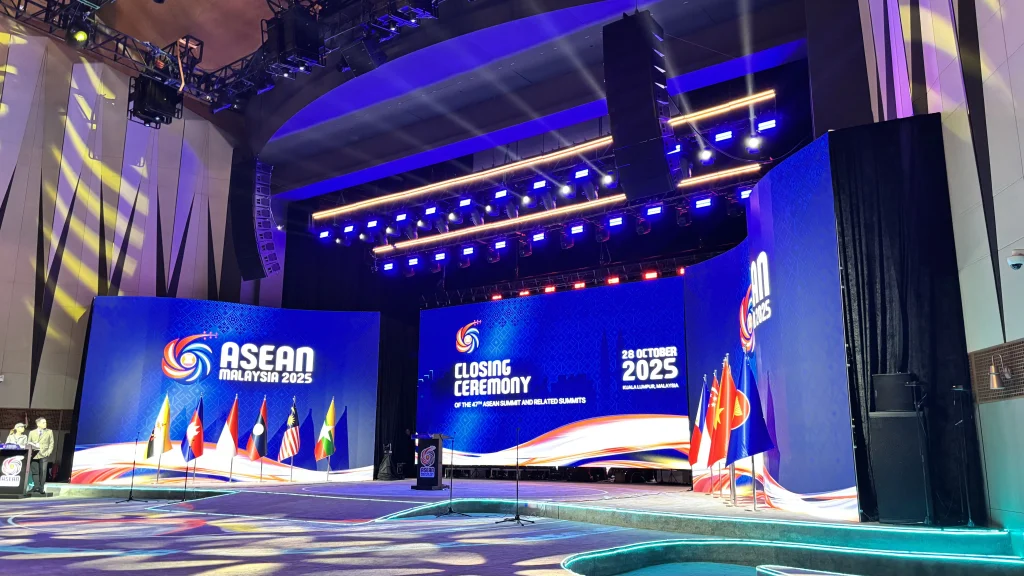
There is a moment before every major event when the venue looks more like a construction site than a spectacular production. Engineers inspect equipment, technicians assemble trusses, and towering LED walls begin to take shape above the stage. To the audience, these structures simply become part of an impressive visual experience. What they never see is the engineering that keeps every screen securely suspended throughout the event.
Imagine an LED wall weighing hundreds or even thousands of kilograms installed above a stage during a corporate conference or concert. If the supporting structure is not properly designed or the load is underestimated, the consequences extend far beyond technical disruption. Equipment damage, event delays, safety risks, and reputational harm can all result from inadequate structural planning.
This is why load calculation is one of the most critical aspects of professional event production. Before a single truss is erected or an LED panel is lifted into position, engineers carefully calculate how every component will be supported, ensuring the structure performs safely under real-world conditions.
What Is Load Calculation?
Load calculation is the engineering process of determining how much weight a structure can safely support while maintaining structural stability throughout installation, operation, and dismantling.
For LED wall installations, this involves much more than simply adding up the weight of the screens. Every component attached to the truss contributes to the total structural load, including:
LED PanelsHanging FramesVideo ProcessorsRigging HardwarePower Supplies
Signal CablingLighting FixturesDecorative elements Audio equipment
Each additional component changes how forces are distributed throughout the structure. Professional LED screen rental providers must evaluate these combined loads before installation to ensure every structure meets safety requirements. Engineers evaluate these combined loads to ensure every truss section, connection point, and support system operates within safe working limits.
Why Safe Truss Engineering Matters
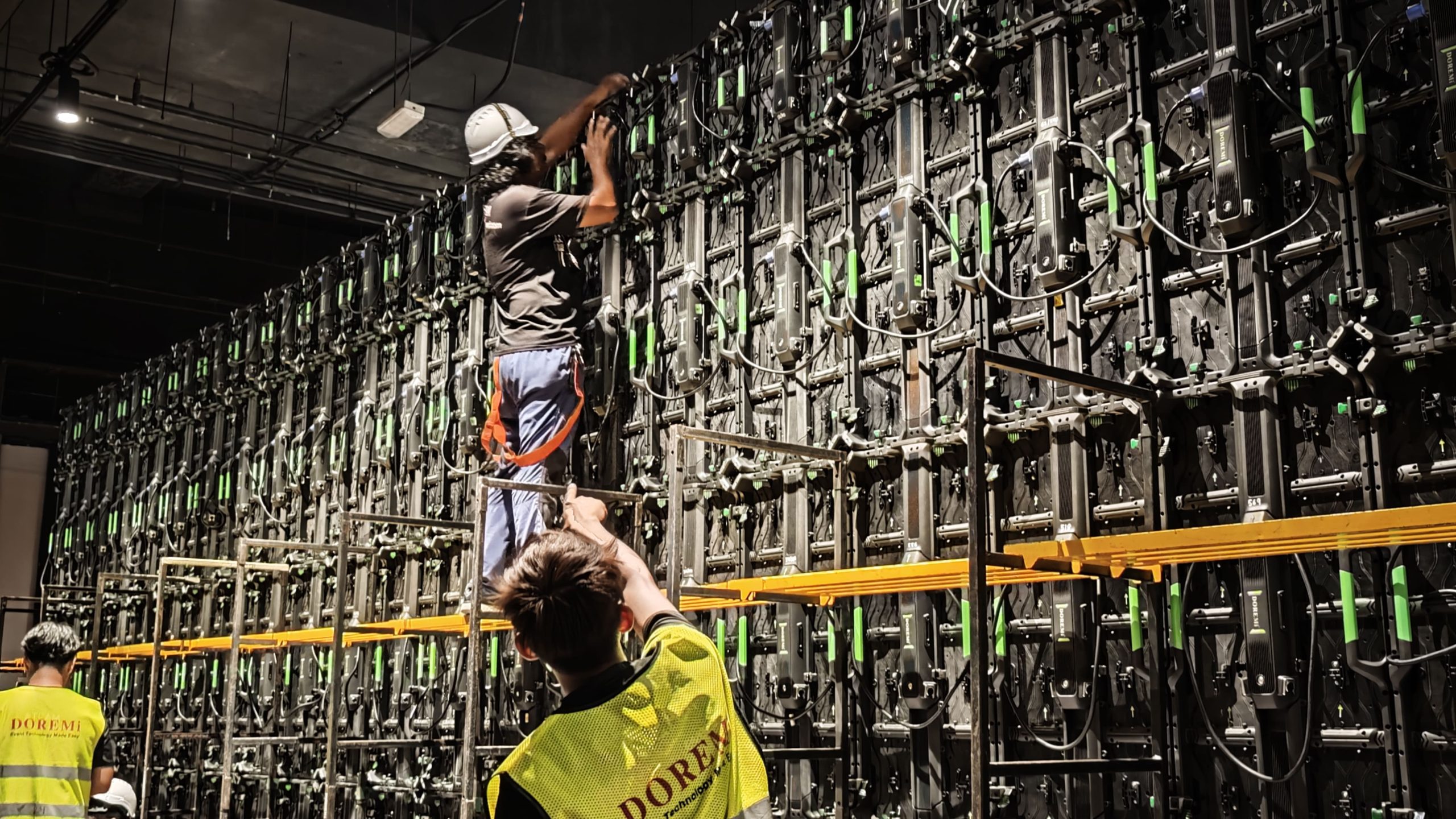 Modern events continue to push creative and technical boundaries. As demand for larger LED screen rental solutions continues to grow across corporate events, exhibitions, concerts, and hybrid productions, structural engineering has become more important than ever. Audiences expect larger visuals and more immersive experiences, LED walls have evolved to become bigger, higher in resolution, and more complex than ever before. While advances in display technology have improved image quality, they have also increased the demands placed on supporting structures due to larger display sizes, additional processing equipment, rigging systems, and other supporting hardware.
A properly engineered truss system ensures these increasingly sophisticated installations remain safe and reliable throughout the event. It provides several important benefits:
- Protects audiences, performers, and production crews
- Prevents structural failures
- Supports reliable event operations
- Protects valuable AV equipment
- Complies with recognised engineering and safety practices
- Provides confidence throughout the production
Understanding the Different Types of Structural Loads
Every truss structure experiences multiple types of forces during installation and operation. Rather than acting independently, these loads often occur simultaneously, creating combined stresses that engineers must evaluate when designing a safe and stable support system.
Dead Load
Dead load refers to the permanent, unchanging weight that the structure must support throughout the event. This includes the LED panels, hanging frames, truss components, controllers, processors, power distribution equipment, and all associated accessories. It is a common misconception that an LED wall’s weight consists only of the display panels. In reality, every supporting component contributes to the overall structural load and must be included in engineering calculations.
Live Load
Live load consists of temporary forces introduced during installation and operation rather than the structure simply remaining in place. Examples include technicians working on the truss, panels being lifted or repositioned during installation, maintenance activities, and temporary equipment added throughout the event. Although live loads are often smaller than the permanent dead load, they must still be considered to ensure adequate structural safety margins.
Dynamic Load
Dynamic load accounts for forces generated by movement rather than static weight alone. Sources include vibrations from nearby equipment, moving stage elements, general activity around the structure, and audience movement affecting ground-supported systems. Because these constantly changing forces can place additional stress on a structure beyond its static load, engineers evaluate them separately to ensure long-term stability throughout the event.
Wind Load
For outdoor events, wind load is one of the most significant engineering considerations. Large LED walls behave much like giant sails, generating substantial pressure against the supporting truss system. Engineers evaluate not only expected wind speeds but also sudden wind gusts, which can create significantly higher short-term forces than steady wind conditions. Appropriate safety margins are incorporated into the structural design to ensure the installation remains stable under changing environmental conditions.
More Than Weight: Understanding Load Distribution
One common misconception is that truss design is simply about supporting weight. In reality, engineers must determine how that weight is distributed. For example, two LED walls may weigh exactly the same, but if one concentrates the weight in a single location while the other distributes it evenly across multiple rigging points, the structural behaviour will be completely different.
Poor load distribution can create:
Reduced stabilityConnection failuresStructural deflectionExcessive bendingUneven stress
How Professional Engineers Plan Safe LED Wall Installations
Building a safe LED wall involves far more than selecting a truss with a high load capacity. Engineers evaluate the entire production environment because every venue, event layout, and installation presents different structural challenges.
Before installation begins, engineers carefully assess factors such as:
- Total weight of the LED wall and supporting equipment to determine the overall structural load that must be safely supported.
- Truss span and structural configuration to ensure the framework can distribute loads efficiently without excessive bending or deflection.
- Suspension and rigging points to confirm that loads are evenly transferred through certified connection points.
- Venue ceiling height and roof capacity to determine whether a suspended installation is feasible or whether a ground-supported structure is the safer solution.
- Indoor or outdoor installation conditions because environmental factors significantly influence structural design requirements.
- Wind exposure for outdoor events to account for additional forces generated by changing weather conditions.
- Future production changes or additional equipment such as lighting fixtures, audio systems, or decorative elements that may increase the overall structural load.
By evaluating these factors collectively rather than individually, engineers create structures that are both safe and efficient while minimising risk throughout installation, operation, and dismantling.
Real-World Applications of Safe LED Wall Structures
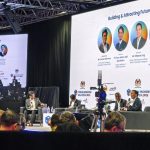
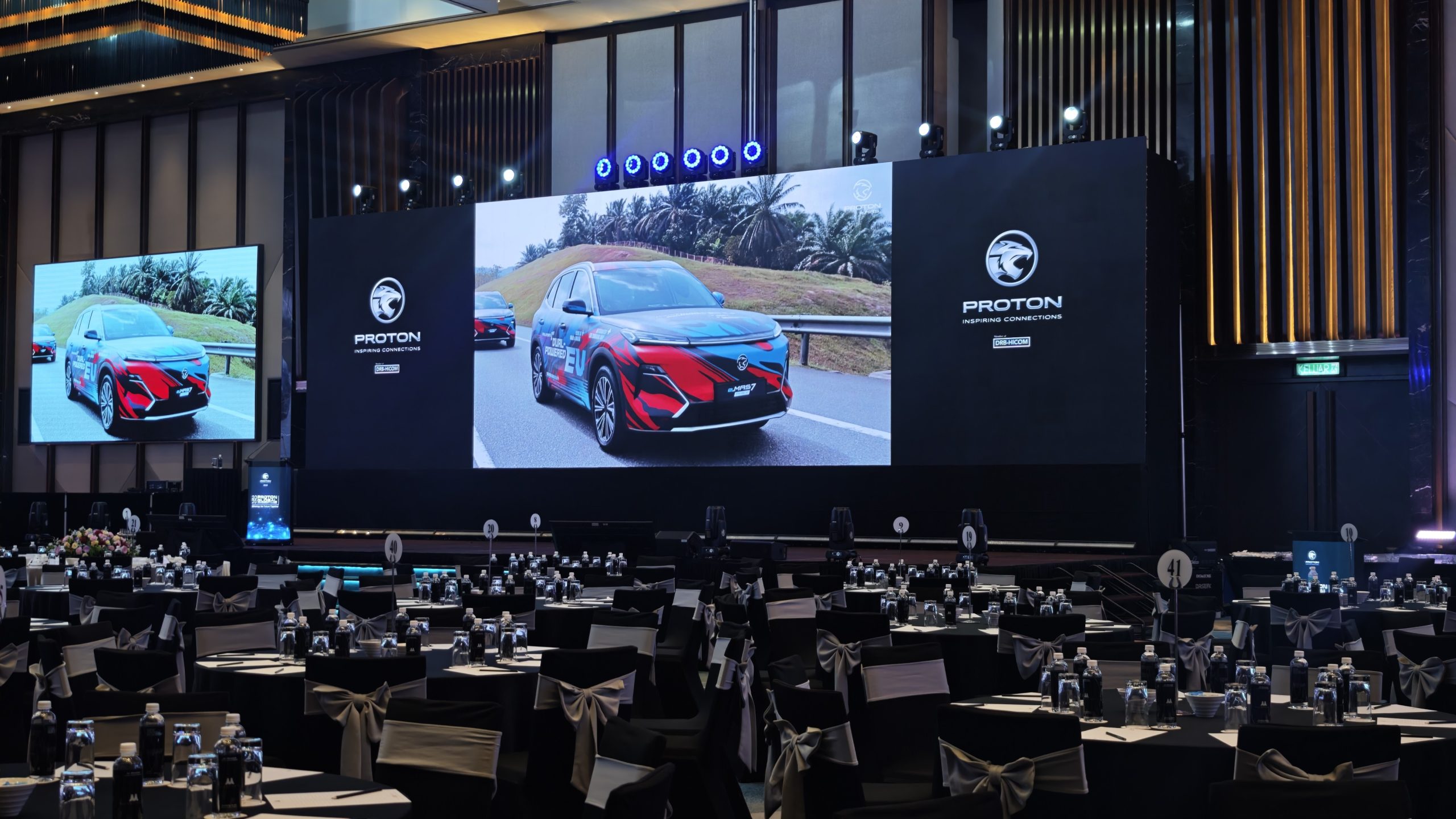
Corporate product launches often feature large centre-stage LED screens, side confidence monitors, and customised stage designs that showcase brand identity. These installations are typically completed within tight setup schedules, leaving little room for structural adjustments once production begins. Careful load calculations ensure the entire display remains stable, allowing organisers to focus on delivering a polished and professional brand experience.
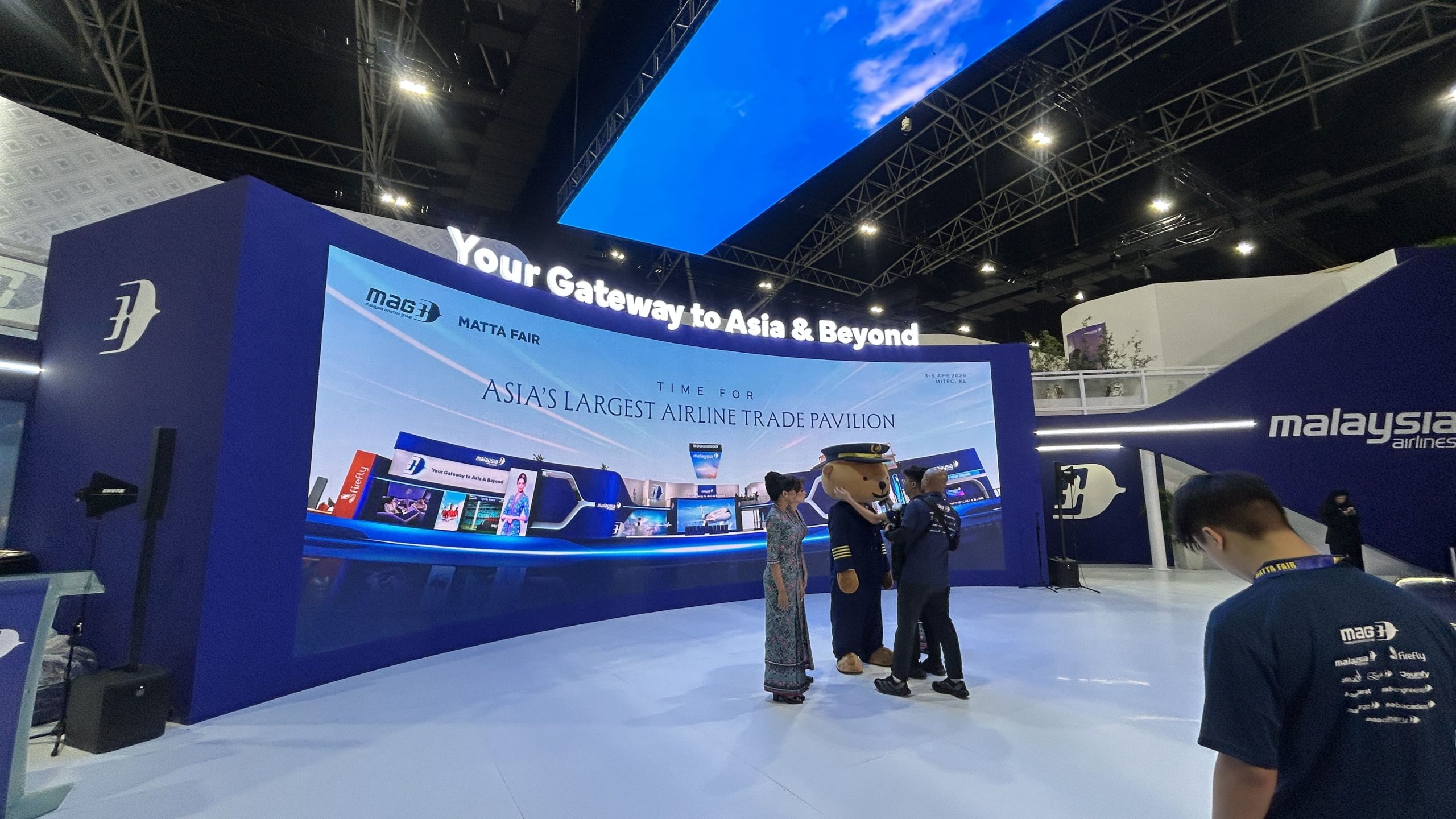
Exhibition halls frequently present unique engineering challenges, including limited ceiling heights, shared venue infrastructure, restricted floor space, and multiple installations taking place simultaneously. Modular LED wall systems must be designed to maximise visual impact while remaining compliant with venue loading requirements. Efficient structural planning also supports overnight installation schedules, enabling exhibitors to be fully prepared before the event opens.
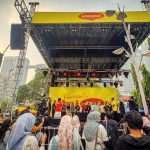
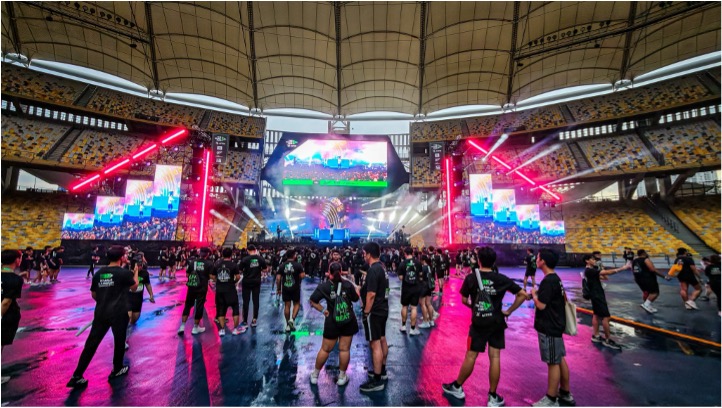
Concerts and large-scale outdoor productions demand some of the most complex structural solutions in the event industry. Massive suspended LED displays, dynamic lighting systems, extensive audio equipment, and unpredictable weather conditions all contribute to the overall structural demands. Engineers must carefully evaluate wind exposure, large suspended loads, and constantly changing dynamic forces to ensure the entire production remains safe throughout the event.
Engineering Confidence Behind Every Successful Event
A spectacular LED wall may capture the audience’s attention, but its true success lies in the engineering that supports it.
Accurate load calculations, certified truss systems, and professional rigging practices work together to create structures that are safe, reliable, and capable of supporting demanding productions. From corporate conferences and exhibitions to concerts and professional LED screen rental projects, every calculation helps protect people, equipment, and the overall event experience.
At DOREMi, every LED screen rental project begins with careful structural planning rather than simply assembling equipment. Every truss system is carefully evaluated to ensure it meets the technical demands of the production while maintaining the highest standards of safety and reliability. Because when every component is engineered correctly, organisers can focus on delivering memorable events with complete confidence.
Need a Safe and Reliable LED Wall Installation for Your Event?
From detailed load calculations and structural planning to professional rigging and installation, our engineering team ensures every LED wall is designed for safety, stability, and exceptional performance across conferences, exhibitions, concerts, and large-scale productions.