Outdoor Open Houses: Managing Weatherproof Tech & Trussing
The plan looks 10/10 until the sky changes. Outdoor open houses, especially during festive seasons like Hari Raya, offer a unique charm that indoor venues simply can’t replicate. Open spaces, natural lighting, fresh air, and a more relaxed, welcoming atmosphere all contribute to a memorable guest experience. But behind every seamless outdoor event is something far less visible: serious technical planning. Because outdoors, you’re not just managing an event you’re managing the environment. From sudden rain showers to high humidity and uneven terrain, outdoor conditions in Malaysia demand more than just creativity; they require weatherproof technology, structurally sound trussing systems, and precise technical execution.
For a production ecosystem like DOREMi Events, which has spent over 45 years navigating the complexities of the Malaysian event industry, technical execution is the primary defense against failure. This article breaks down how to successfully manage outdoor open houses with the right combination of weather-resistant AV equipment, safe trussing structures, and practical event strategies that ensure both performance and safety.
The Strategic Appeal of Outdoor Festive Formats
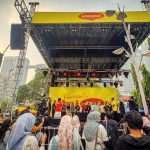
In recent years, outdoor open houses have become a preferred format for corporate Raya celebrations, government and community events, brand activations, and festival-style gatherings. The appeal lies in the ability to accommodate large crowds with flexible layouts and better airflow. However, these advantages come with a significant set of technical challenges that indoor venues typically eliminate. In tropical climates like Malaysia, weather conditions can change rapidly. Sudden rainstorms, high humidity levels, strong winds, and extreme heat exposure directly impact electrical systems, AV equipment, and structural stability. This is why weatherproofing is not an optional luxury it is an absolute essential for event continuity.
Weatherproof AV Technology: Engineering for Resistance
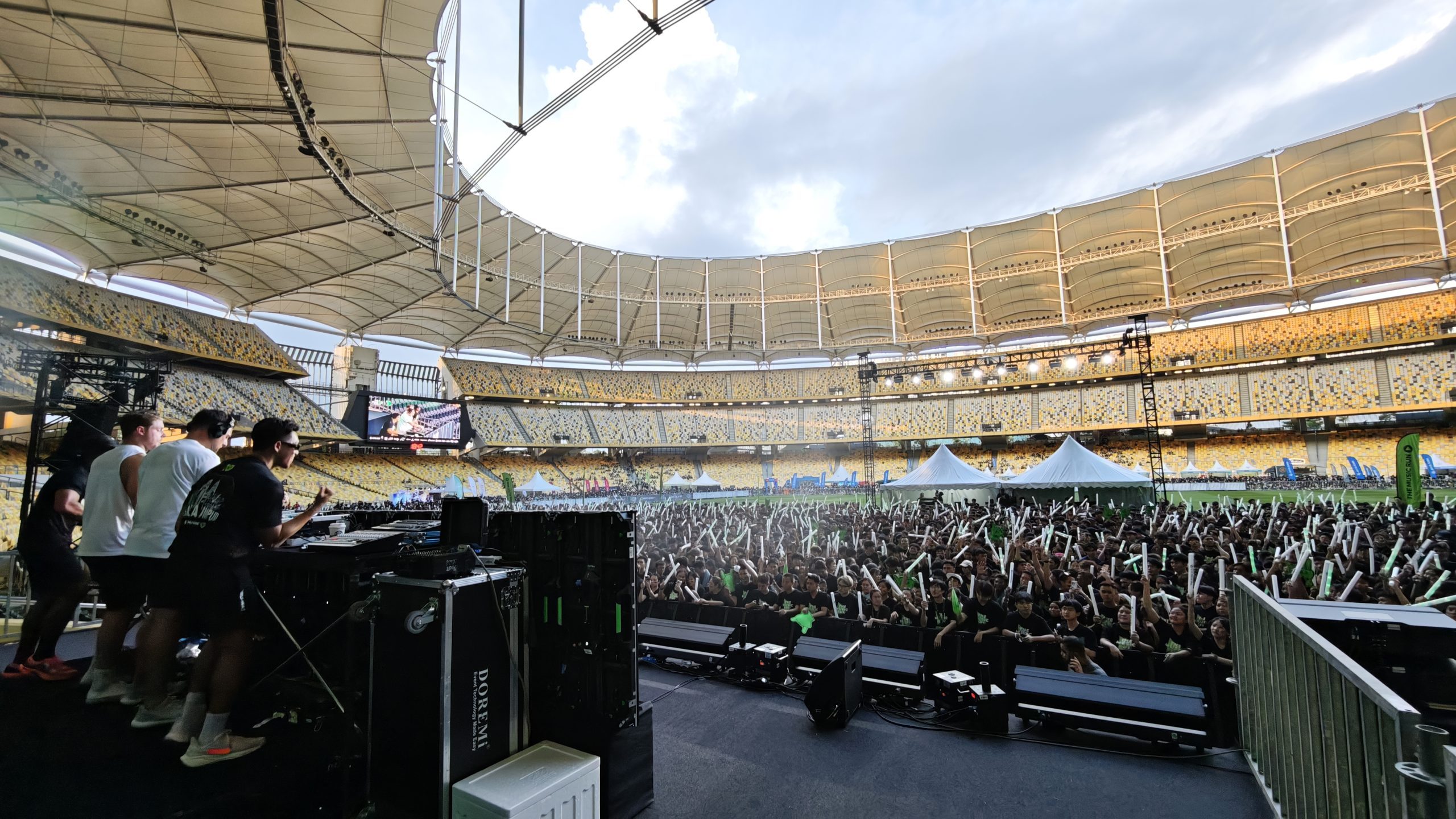
The primary technical defense in an outdoor setting is the use of hardware specifically rated for environmental exposure. When selecting outdoor equipment, understanding Ingress Protection (IP) ratings is critical. IP ratings indicate how well a device is protected against dust and water. For most outdoor events, IP65-rated equipment is required as it is protected against rain and water jets, while IP67-rated devices can withstand temporary immersion.
- Outdoor LED Screens: Indoor LED panels are fundamentally unsuitable for outdoor environments. Outdoor screens feature significantly higher brightness levels typically between 4,000 and 6,000 nits to combat direct sunlight. They also utilize weather-sealed enclosures and anti-glare surfaces to maintain visibility and durability.
- Weather-Resistant Audio: Sound systems must be shielded from moisture, heat, and dust. Solutions include weather-resistant speaker enclosures, covered mixing consoles, and elevated speaker placement to avoid damage from ground-level water pooling.
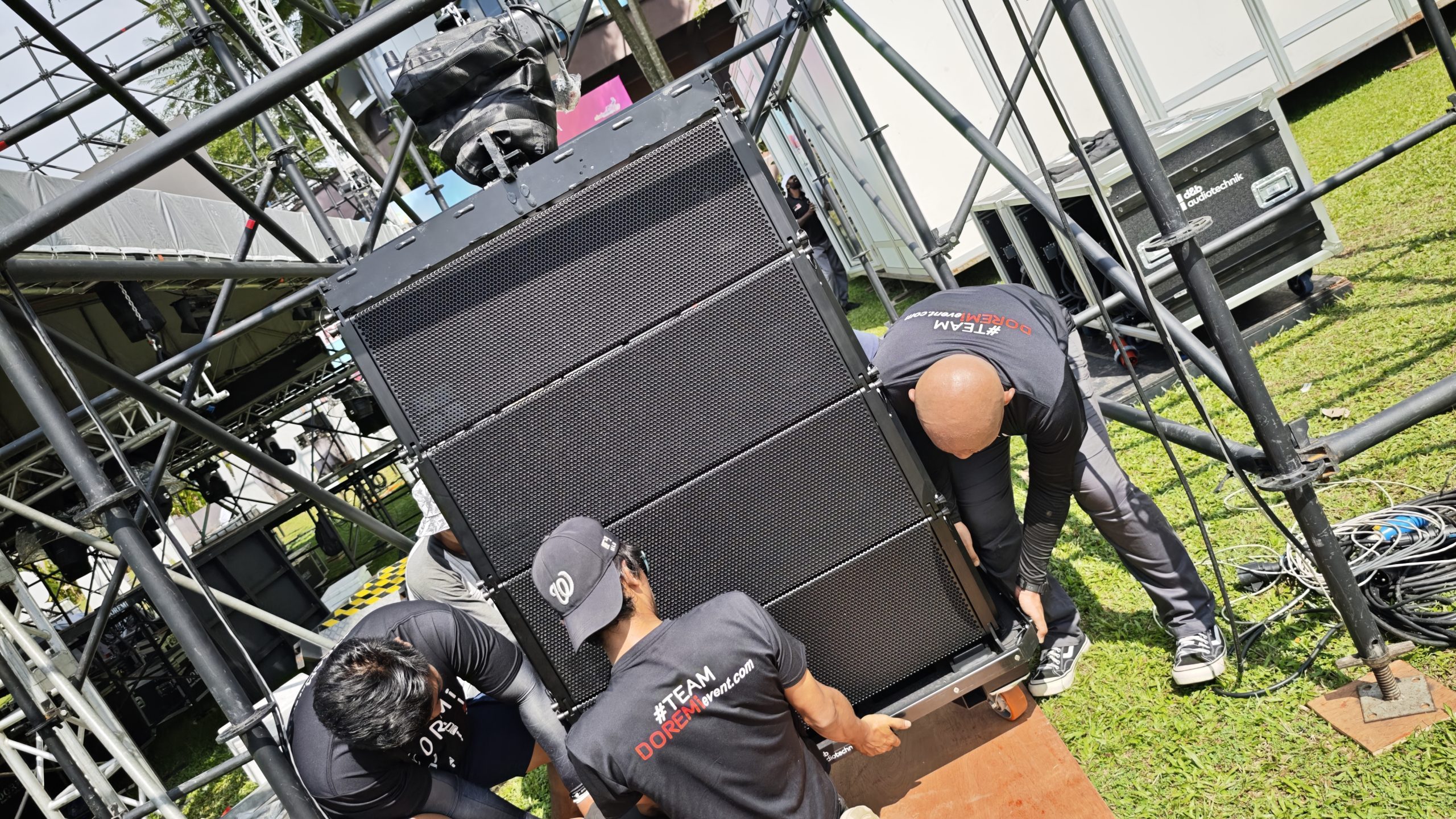
- Advanced Cable Management: Cabling is a vulnerable element; technicians must use waterproof connectors, elevate cables off the ground where possible, and protect them with heavy-duty cable ramps or covers.
- Power Distribution Safety: Electricity and water are a lethal combination. Outdoor power systems must utilize weatherproof distribution boxes, Residual Current Devices (RCDs), and proper grounding. Backup generators are also essential to ensure uninterrupted operation during power fluctuations.
Trussing: The Skeleton of the Event
If AV equipment is the heart of an event, trussing is the skeleton. Trussing provides the structural support for lighting rigs, LED screens, audio equipment, and decorative festive elements. In outdoor environments, structural integrity becomes even more critical due to dynamic forces like wind. Aluminium truss systems are the most common choice because they are lightweight yet offer a high strength-to-weight ratio and corrosion resistance.
Structural safety is governed by precise load calculations based on equipment weight, span distance, and wind load. Overloading a truss is one of the biggest risks in outdoor events. Professional technical teams must calculate both distributed and point loads while applying significant safety factors. Wind resistance is a major concern; large LED walls can act like sails, so technicians must use ballast weights such as concrete blocks or water weights—and install guy wires to ensure the rig remains stable in high-wind conditions. Certified riggers are essential for the safe installation, inspection, and dismantling of these structures.
Environmental Management: Rain, Heat, and Humidity
In tropical climates, rain is an expectation, not a possibility. Every outdoor event must have a comprehensive rain plan that includes covered areas for guests and equipment protection strategies. Quick-response measures, such as plastic covers for non-weatherproof components and elevated platforms to keep gear dry, are critical for continuity.
Furthermore, high heat and humidity affect both equipment performance and guest comfort. Professional setups include ventilation for LED screens and control systems, as well as shaded zones, cooling fans, or misting systems for attendees. Proper drainage planning is also vital to prevent water from pooling around electrical hubs or structural footings.
Operational Execution and Site Safety
The success of a large-scale outdoor open house is determined by the work that happens behind the scenes. This begins with a thorough site inspection to assess ground conditions, drainage, and power availability. Technical rehearsals are conducted to ensure all systems function under environmental stress, and backup plans are tested to ensure they are ready for deployment.
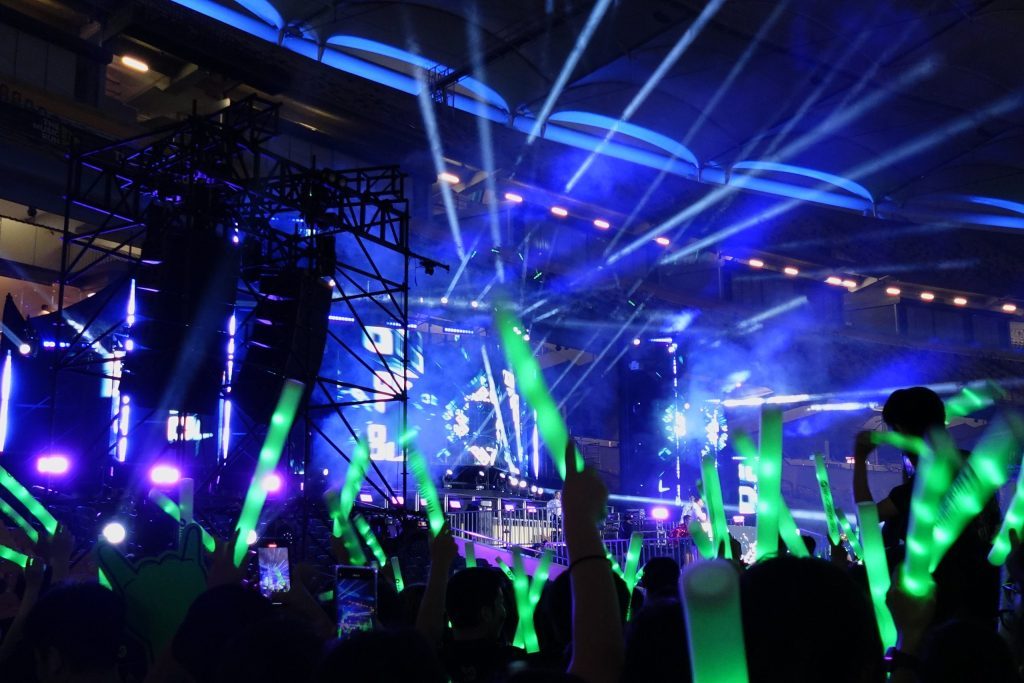
Large-scale Malaysian events ranging from exhibitions at venues like MITEC to open-air concerts and mall activations demonstrate the necessity of combining weatherproof AV systems with robust trussing and skilled technical execution. Common mistakes to avoid include using indoor equipment outdoors, underestimating wind impact, and poor cable management, all of which can lead to equipment failure or serious safety hazards.
The ROI of Technical Precision
Investing in high-quality weatherproof technology and structurally sound trussing delivers reliability, safety, and professionalism. It ensures that the event runs smoothly regardless of weather conditions, protects both guests and crew, and enhances the overall brand image. When done right, an outdoor event feels effortless, allowing guests to enjoy the unique atmosphere without noticing the technical complexity working to keep them safe and entertained.
In conclusion, outdoor open houses offer a level of space and atmosphere that indoor venues cannot replicate, but they demand a significantly higher degree of technical precision. From weatherproof AV systems to engineered trussing, every detail must be calculated and executed with care. For organizers planning large-scale festive celebrations, having the right expertise, equipment, and execution strategy is what turns environmental uncertainty into event confidence.
Secure Your Outdoor Event
Don’t let unpredictable weather disrupt your celebration. Partner with Malaysia’s most experienced technical team for weatherproof AV solutions and structurally sound trussing that ensures total safety and performance.