Choosing the Perfect Lighting Setup for Your Event: A Beginner’s Guide
At 6:42 PM, the ballroom still looked ordinary. Chairs aligned. Tables dressed. Stage set. Screens tested.
Then the house lights dimmed. A soft amber glow washed the walls. Pin spots brought centerpieces to life. A crisp white spotlight landed perfectly at center stage. Within seconds, the same room felt elevated—intentional, cinematic, ready.
Lighting doesn’t just illuminate a space. It defines it.
In November 2025, as corporate year-end dinners, product launches, conferences, and festive celebrations fill up the calendar, one thing has become increasingly clear: lighting is no longer an afterthought. It is one of the most powerful tools in event production. And yet, for many first-time planners, it remains one of the least understood.
This beginner’s guide breaks it down clearly—what types of lighting exist, how to choose the right setup, and how thoughtful lighting design works together with sound, staging, and entertainment to create a complete event experience.
Key Takeaways
- Define the Purpose First: A corporate conference requires crisp, neutral lighting for focus, while a gala dinner needs warm, layered amber lighting for elegance.
- The 6 Core Layers: A professional setup blends ambient lighting, uplighting, stage washes, intelligent moving heads, pin spots, and LED video walls.
- Lighting is Emotional: Proper lighting design dictates the mood of the room, transitioning seamlessly from formal dining to high-energy dance floors.
- The Human Element: Even the most expensive fixtures are useless without a skilled lighting operator to read the room and execute cues in real-time.
Why Lighting Matters More Than You Think
When guests walk into a venue, they make an immediate emotional judgment. As noted by industry leaders like Eventbrite, that first impression is driven less by décor and more by lighting.
Bright white overhead lights feel functional and corporate.
Warm layered lighting feels inviting.
Dynamic color transitions feel energetic and modern.
Lighting affects:
- Mood and atmosphere
- Visibility and comfort
- Photography and videography quality
- Focus during speeches and performances
- Overall perceived professionalism
In November especially—when year-end events compete for attention—companies want their celebrations to feel polished, not generic. Lighting is the fastest way to elevate a standard ballroom into something memorable.
Start with the Purpose of Your Event
Before selecting fixtures, ask one foundational question: What is this event trying to achieve?
A conference requires clarity and focus.
A gala dinner needs warmth and sophistication.
A concert demands energy and movement.
A brand launch thrives on drama and impact.
Lighting design must align with purpose. Installing concert-style moving heads at a formal awards dinner without proper programming can feel chaotic. Similarly, relying solely on warm uplighting at a high-energy product launch may feel flat. The right lighting setup supports the story your event is telling.
The Core Types of Event Lighting (And When to Use Them)
If you’re new to event planning, the terminology can feel overwhelming. Here’s a simplified breakdown of the most common lighting components used in professional productions.
1. Ambient Lighting
This is your base layer. It replaces harsh venue ceiling lights with controlled, softer illumination. Ambient lighting ensures guests can comfortably dine, network, and move around the room. In gala settings, warm tones are often used to create elegance. For tech conferences, neutral white lighting maintains clarity and professionalism. The goal is balance—not too dim, not clinical.
2. Uplighting
Uplights are fixtures placed along walls or pillars, casting light upward to add color and depth. They’re one of the most cost-effective ways to transform a venue. A plain ballroom wall becomes textured and dimensional. Company brand colors can be subtly integrated. During festive November and December celebrations, warmer hues like amber, gold, and soft red are popular without feeling overly thematic. Uplighting frames the room and creates cohesion.
3. Stage Lighting
Stage lighting ensures speakers and performers are clearly visible. This typically includes:
- Front wash lights
- Spotlights
- Backlighting for depth
Poor stage lighting results in shadows, washed-out faces, or unflattering photos. Proper stage lighting ensures executives delivering speeches look sharp and confident, while award recipients are highlighted professionally. In larger venues, intelligent fixtures allow quick transitions between segments—formal speeches, award presentations, and entertainment performances.
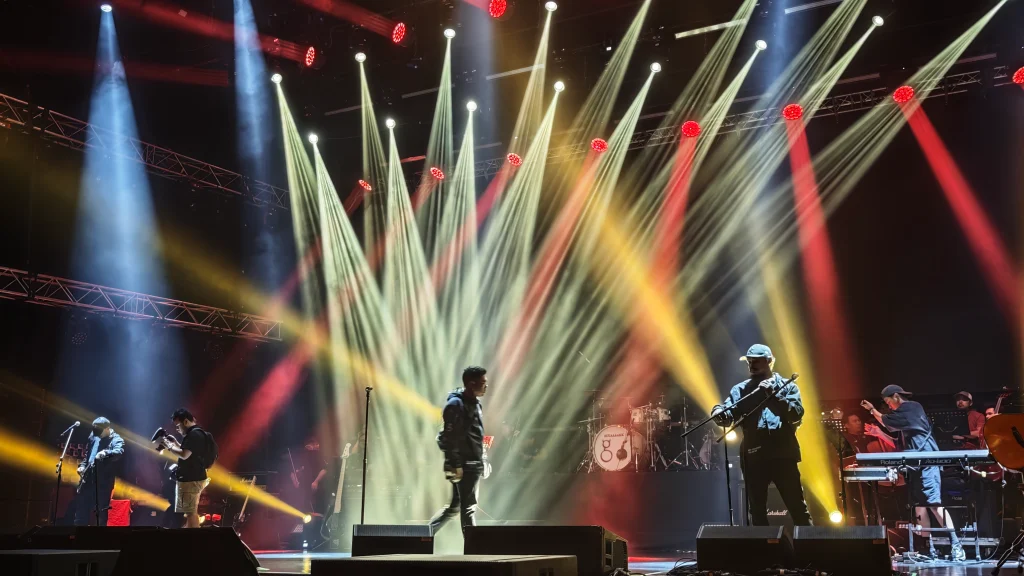
4. Intelligent Moving Lights
These are programmable fixtures capable of movement, color changes, patterns, and beam effects. They’re often used in:
- Concerts
- High-energy product launches
- After-dinner dance segments
- Countdown celebrations
When programmed correctly, moving lights create dynamic transitions that energize the audience. However, they require experienced operators. Random movements without coordinated cues can feel distracting rather than impressive.
5. Pin Spot Lighting
These small, focused lights highlight specific elements such as:
- Centerpieces
- Cake displays
- Award trophies
- Brand logos
Without pin spots, beautiful décor can appear flat under general lighting. This subtle detail makes a significant difference in visual impact.
6. LED Video Walls & Integrated Visual Lighting
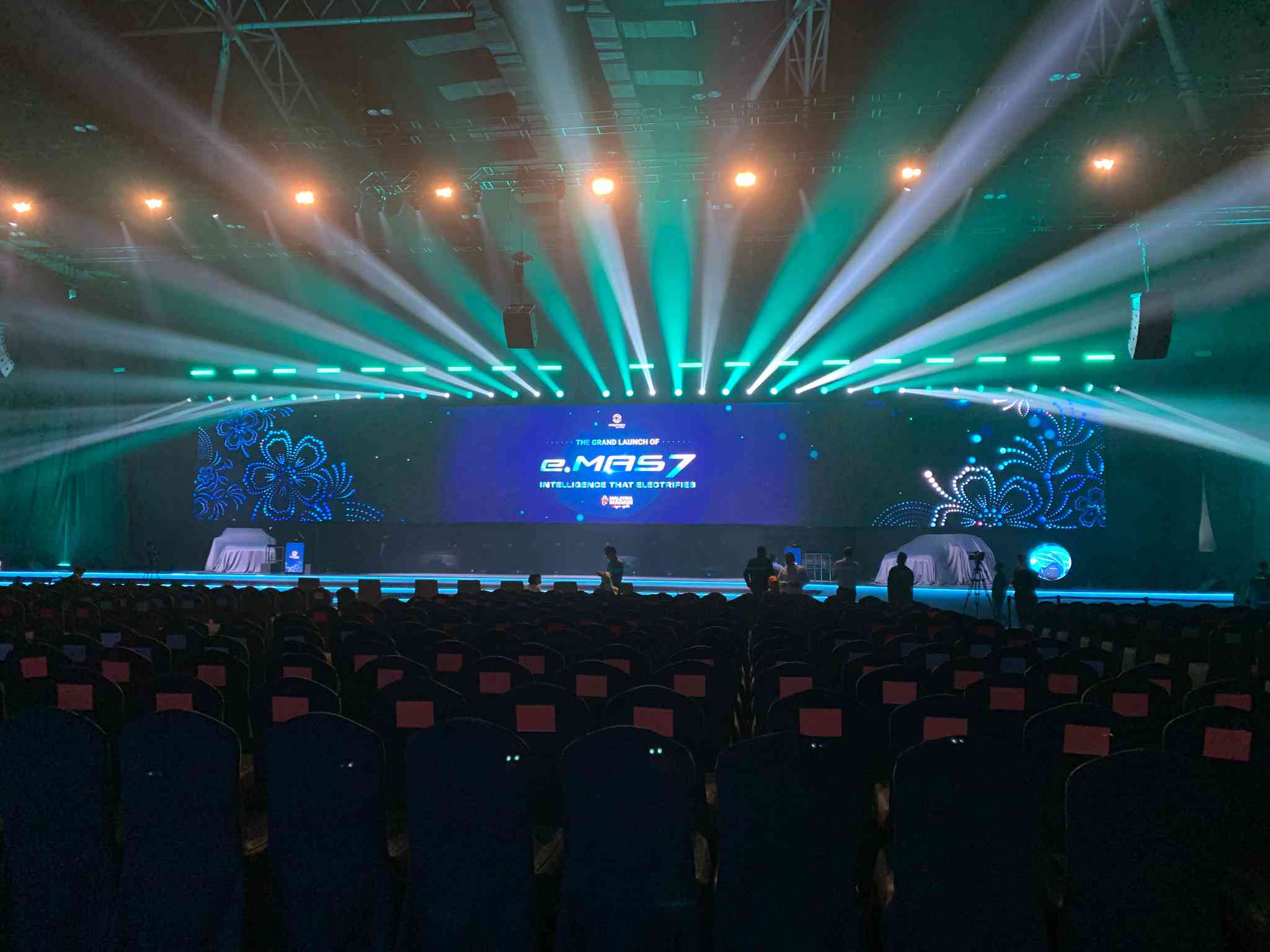
While technically visual rather than lighting, LED screens influence overall brightness and atmosphere. Modern gala and conference setups frequently use LED walls as dynamic backdrops. These screens allow custom animations, branded visuals, and synchronized lighting transitions. Lighting and video must be coordinated. An overly bright LED screen can overpower stage lighting if not balanced correctly.
Matching Lighting to Event Type
Understanding fixture types is only half the equation. Let’s look at how they apply to real event formats commonly seen in November.
Corporate Gala Dinners
These require layered lighting:
- Warm ambient lighting for dining
- Elegant uplighting in brand tones
- Clean stage wash for speeches
- Spotlights for award moments
- Optional moving lights for finale segments
The key here is progression. The evening should evolve visually—from formal to celebratory.
Conferences & Seminars
Clarity is critical. Conference lighting prioritizes:
- Even front lighting for speakers
- Neutral color temperatures
- Minimal distraction
- Clear visibility for note-taking
In larger halls, side lighting may be added to reduce harsh shadows. For events with multiple panels or keynote speakers, programmable cues ensure smooth transitions.
Product Launches
Launches benefit from dramatic reveals. This often includes:
- Blackout capabilities
- Spotlight reveals
- Synchronized lighting with music
- LED screen integration
- Controlled color transitions
Lighting enhances anticipation. The moment the product appears should feel intentional and cinematic.
Concerts & High-Energy Events
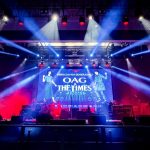
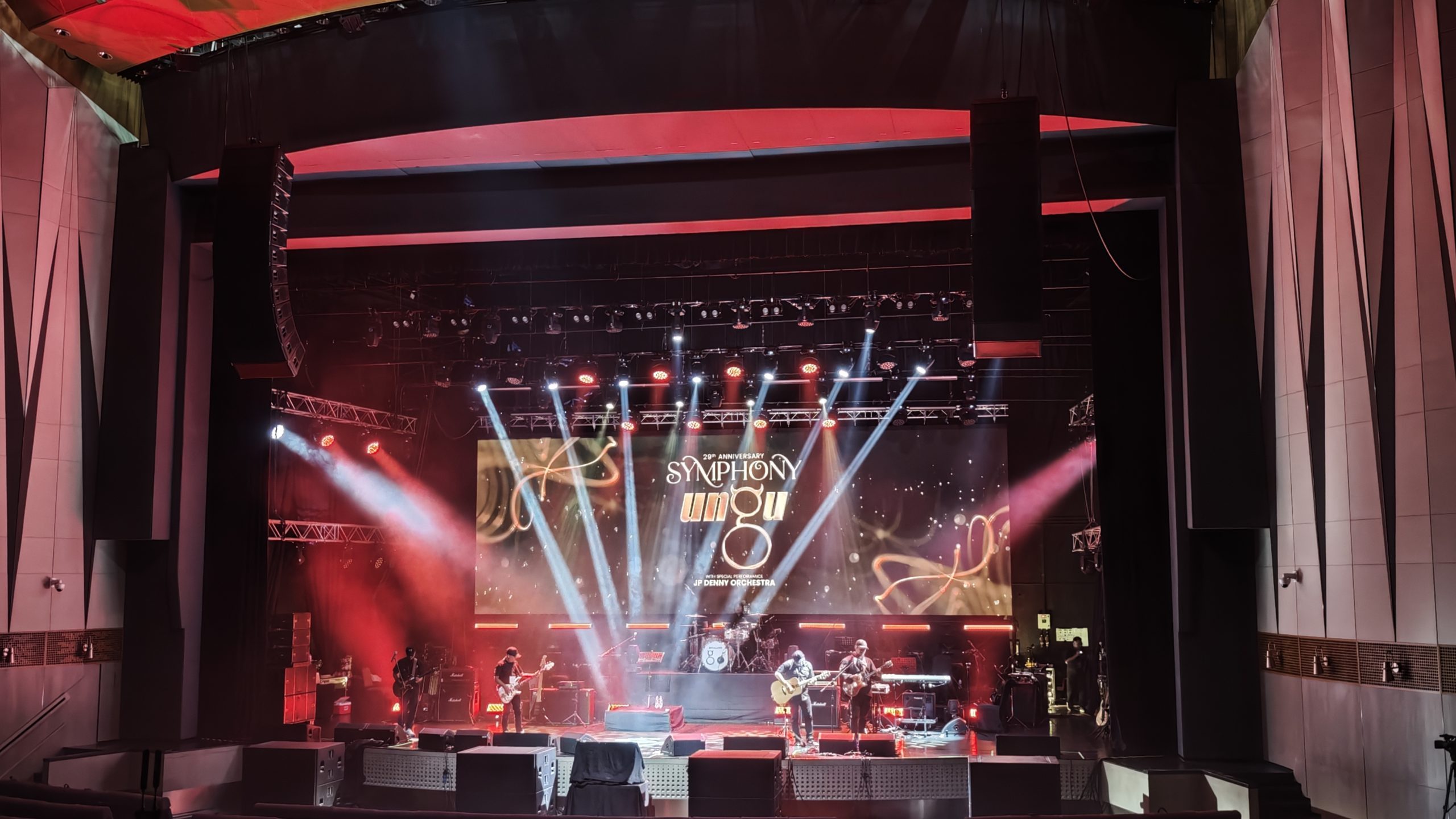
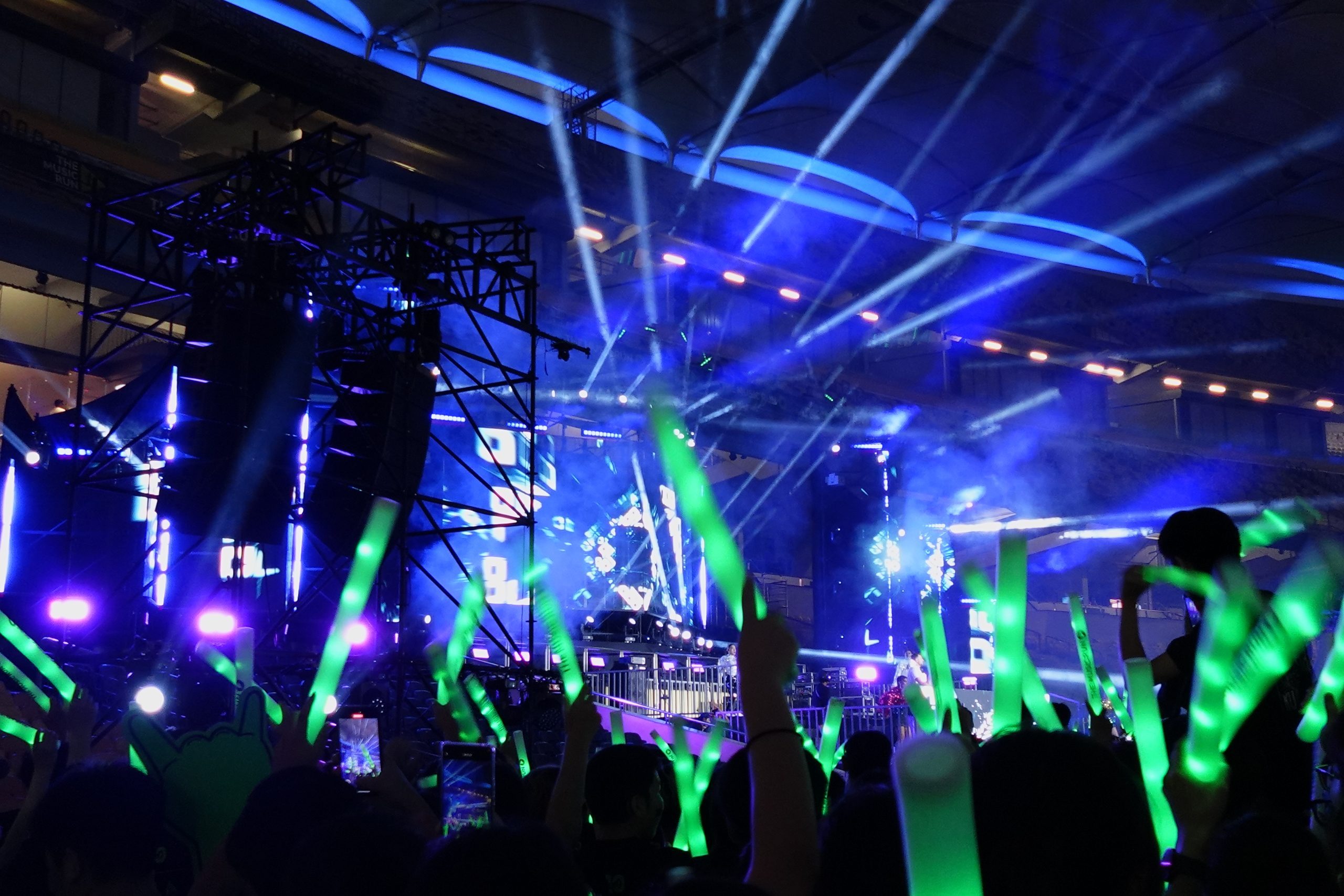
Here, lighting becomes part of the performance. Moving heads, beam effects, strobes (used carefully), and dynamic color palettes create immersive environments. However, technical rehearsal time is essential. Cue-to-cue programming ensures lighting aligns with music beats and performance flow.
Common Beginner Mistakes to Avoid
Even with the best intentions, certain lighting missteps can undermine an event.
- Relying solely on venue house lights.
- Ignoring ceiling height limitations.
- Overusing bright white lighting.
- Skipping technical rehearsals.
- Choosing color schemes without testing how they look on stage.
Lighting should never be improvised on event day. It requires planning, testing, and coordination with sound and staging teams.
How Lighting Works with Sound and Production
Lighting doesn’t operate in isolation. It must coordinate with:
- Sound systems
- Stage design
- Video playback
- Entertainment programming
For example, a high-energy band performance requires synchronized lighting transitions to match tempo. Award segments require spotlight cues timed with walk-on music. A keynote presentation requires controlled brightness so slides remain readable. Professional production teams conduct cue runs to align lighting with audio transitions. This level of coordination prevents awkward pauses and visual inconsistencies.
Budgeting for Lighting: Where to Prioritize
Lighting budgets vary based on scale, but prioritization matters more than size. High-impact investments include:
- Quality stage wash
- Controlled uplighting
- Experienced lighting operator
- Pre-programmed cue sequences
Optional enhancements include:
- Custom gobos
- Additional moving heads
- Advanced effects for dance segments
It’s better to execute a simple design flawlessly than attempt a complex setup without proper programming.
Planning Timeline for Events
If you’re planning an event in November or December 2026, consider this practical timeline:
- Four to six weeks before event: Confirm venue layout and ceiling specifications.
- Three to four weeks before: Finalize lighting design concept.
- Two weeks before: Review technical drawings and power requirements.
- One week before: Confirm cue sequences and run sheet timing.
- Event day: Conduct full technical rehearsal.
Lighting decisions made early prevent costly last-minute adjustments.
The Role of the Lighting Operator
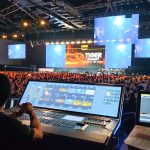
Even the best equipment depends on skilled hands. An experienced lighting operator reads the room. They adjust brightness levels based on crowd energy, transition smoothly between program segments, and ensure speakers are never left in shadow. During award ceremonies or live entertainment, real-time responsiveness is essential. Technology is powerful—but expertise brings it to life.
Designing with Intention
A well-lit event doesn’t happen by accident. It’s designed with intention from the first concept meeting. Consider:
- What emotion should guests feel upon entry?
- How should the atmosphere evolve throughout the night?
- Where should visual focus land during key moments?
- How will lighting support photography and videography?
Answering these questions early simplifies technical decisions later.
In Short: Bringing It All Together!
Choosing the perfect lighting setup doesn’t require technical mastery—but it does require clarity of vision.
- Start with purpose.
- Layer your lighting thoughtfully.
- Coordinate with sound and staging.
- Test before showtime.
In 2026, events are more visually sophisticated than ever. Guests expect immersive environments, not flat spaces. Lighting plays a central role in delivering that expectation.
When executed properly, lighting enhances every other element—music sounds richer, speeches feel more authoritative, entertainment feels more dynamic, and décor appears more refined.
At DOREMi Events, lighting design is approached as part of a complete production ecosystem—integrated with audio, staging, and show flow to create seamless experiences. Whether it’s an intimate corporate dinner or a large-scale year-end celebration, the focus remains the same: clarity, precision, and atmosphere that aligns with your goals.
Because when the lights come up—or dim down—they don’t just reveal a room. They reveal the experience you’ve carefully crafted.