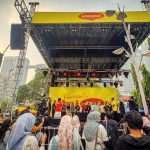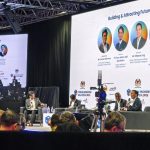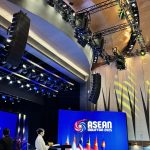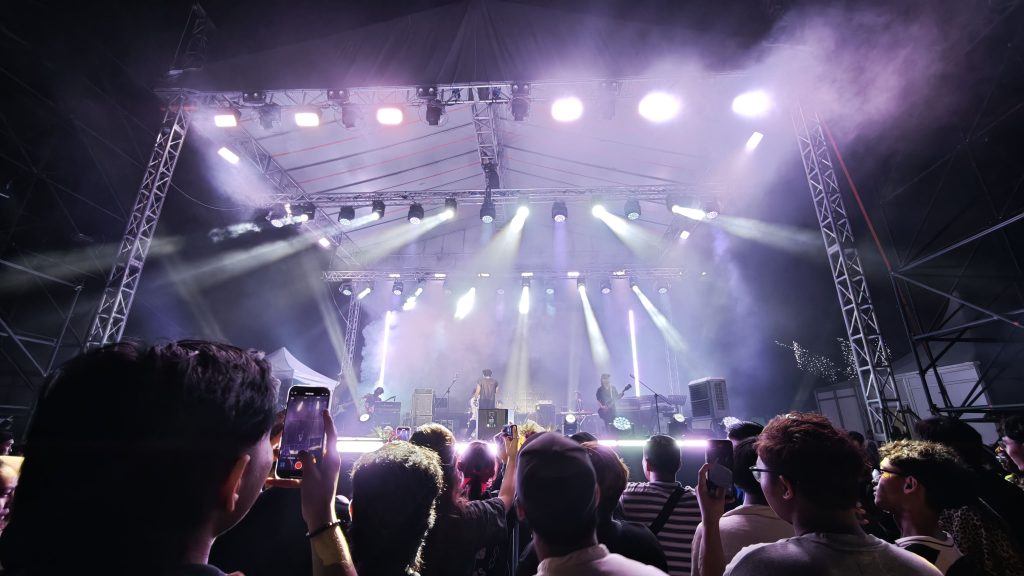
The lights dim. The audience settles into their seats. The CEO steps onto the stage to unveil a company’s newest product. Every eye is fixed on the presenter, every camera is recording, and every word carries the potential to influence customers, investors, and business partners. Now imagine the microphone begins to crackle. People in the front row can hear clearly, but those seated at the back struggle to understand. A sudden burst of feedback interrupts the presentation. The speaker pauses awkwardly while technicians rush to resolve the issue. Although the presentation continues, the moment has already been disrupted.
Most attendees will never know whether the problem was caused by an incorrectly positioned loudspeaker, poor gain staging, wireless interference, inadequate DSP configuration, or improper system tuning. They simply remember one thing: the event felt unprofessional.
Professional audio is rarely noticed when it performs flawlessly, yet it is often the first aspect audiences notice when something goes wrong. In today’s event industry, where corporate conferences, product launches, exhibitions, concerts, annual dinners, government functions, and hybrid events demand exceptional production quality, audio has become one of the most critical elements influencing audience experience. Clear communication, immersive entertainment, audience engagement, and brand perception all depend on a carefully engineered audio system rather than simply powerful speakers.
Creating outstanding event audio requires far more than selecting premium equipment. It involves understanding acoustics, loudspeaker coverage, digital signal processing, wireless frequency coordination, system calibration, and signal integrity to ensure every audience member hears exactly what they are supposed to hear regardless of where they are seated.
Whether delivering a keynote speech to 300 executives or producing a concert for thousands of spectators, professional audio engineering transforms technology into communication, ensuring every word, every musical note, and every emotional moment reaches the audience exactly as intended.
Why Audio Shapes Audience Experience More Than You Think
When event organisers evaluate production quality, attention is often directed toward impressive LED walls, dynamic lighting effects, elegant stage designs, or creative decorations. While these visual elements certainly influence first impressions, numerous studies in communication, psychology, and event production consistently show that audiences become frustrated much faster by poor audio than by imperfect visuals. People can tolerate a slightly dim projector. They can forgive minor imperfections on an LED screen. They may barely notice decorative details. But they immediately notice when they cannot hear. The reason lies in how the human brain processes information.
Unlike visual information, which the brain can often interpret even with missing details, spoken communication depends heavily on continuous, uninterrupted sound. Missing only a few words can completely change the meaning of a sentence. When listeners repeatedly struggle to understand speech, their brains begin working harder to fill in the missing information. Instead of focusing on the presentation, they focus on decoding it.
This increased cognitive effort leads to:
- Mental fatigue
- Reduced attention span
- Lower information retention
- Decreased audience engagement
- Increased frustration
- Negative perception of the speaker
Ironically, audiences rarely blame the sound system.
Instead, they assume:
- The speaker is unclear.
- The presenter lacks confidence.
- The event is poorly organised.
- The production team is inexperienced.
In reality, the issue is often technical rather than human.
The Psychology of Sound in Live Events
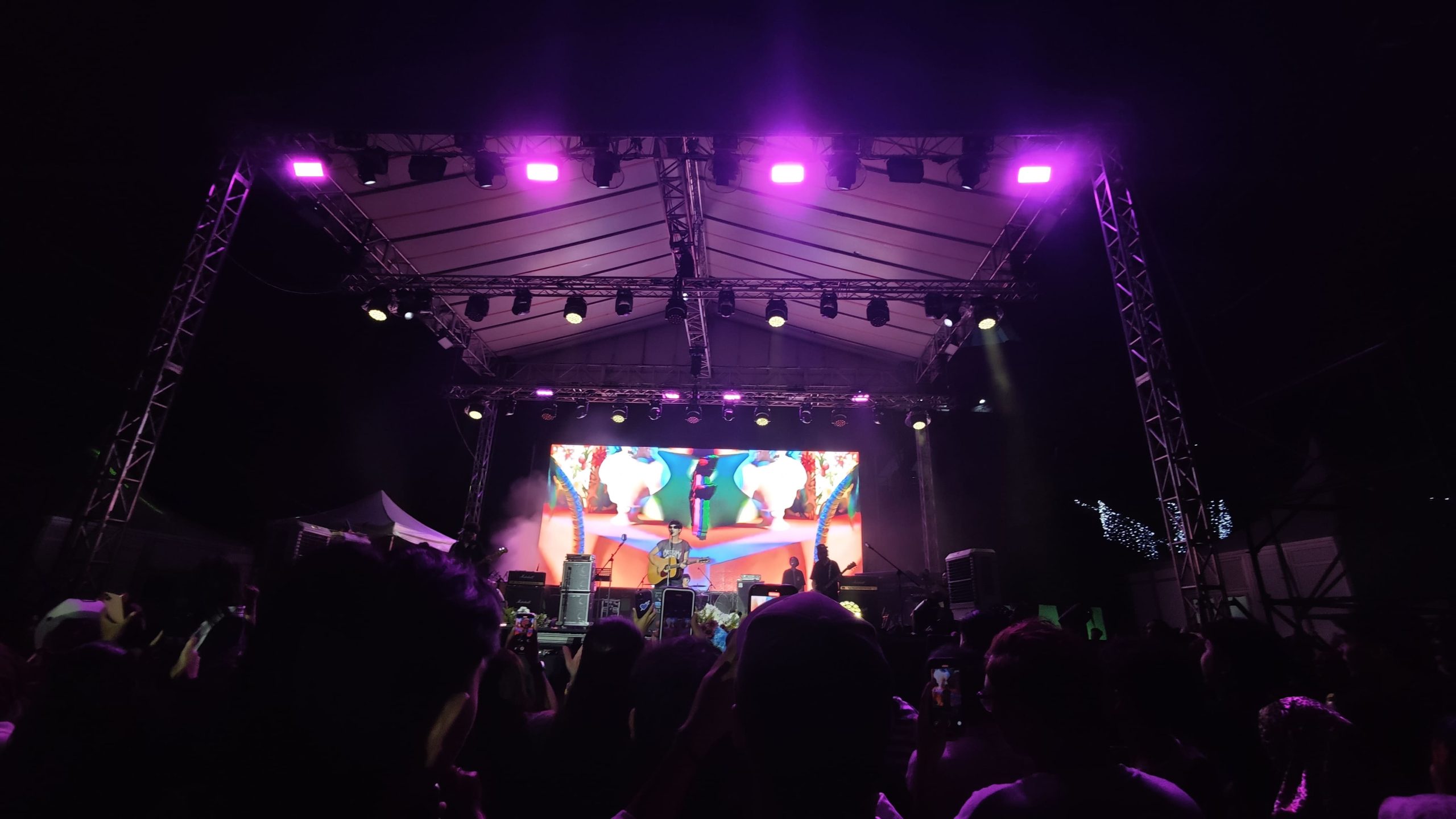
Professional audio engineering extends beyond physics and electronics. It also involves psychology. Every sound heard during an event influences how audiences feel, think, and respond. This is why experienced audio engineers constantly balance technical accuracy with human perception.
Speech Intelligibility Drives Understanding
For conferences, seminars, government functions, shareholder meetings, and product launches, speech intelligibility is the single most important measure of audio quality. Interestingly, louder does not always mean clearer. Many inexperienced operators compensate for poor clarity simply by increasing volume. This often makes the situation worse.
Clear speech depends on several factors working together:
- Balanced frequency response
- Proper microphone technique
- Correct loudspeaker placement
- Controlled room reflections
- Stable gain structure
- Accurate DSP equalisation
When these elements are optimised, audiences can understand presenters effortlessly without straining to listen.
Emotional Engagement Begins with Sound
Music has the remarkable ability to influence human emotions almost instantly. Within seconds, audiences can feel excitement, suspense, celebration, or inspiration. Professional audio systems preserve these emotional characteristics by accurately reproducing every detail of the original recording or live performance. Poor systems often lose subtle musical information.
The result is music that sounds:
- Flat
- Thin
- Harsh
- Distorted
- Lifeless
Although audiences may not recognise the technical reason, they instinctively feel less emotionally connected to the performance. High-quality audio reproduction strengthens emotional impact, making keynote entrances feel more dramatic, award presentations more memorable, and live performances more immersive.
Sound Influences Brand Perception
For corporate events, audio quality directly affects how attendees perceive a brand. Imagine two companies launching identical products.
The first presentation features:
- Crystal-clear microphones
- Balanced music
- Smooth transitions
- Flawless audio-video synchronisation
The second suffers from:
- Microphone feedback
- Inconsistent volume
- Audio dropouts
- Delayed playback
Although the products may be equally impressive, audiences often associate technical execution with organisational competence. A professionally engineered sound system reinforces confidence, reliability, and attention to detail—all qualities businesses want their brands to communicate.
Understanding a Professional Audio Setup
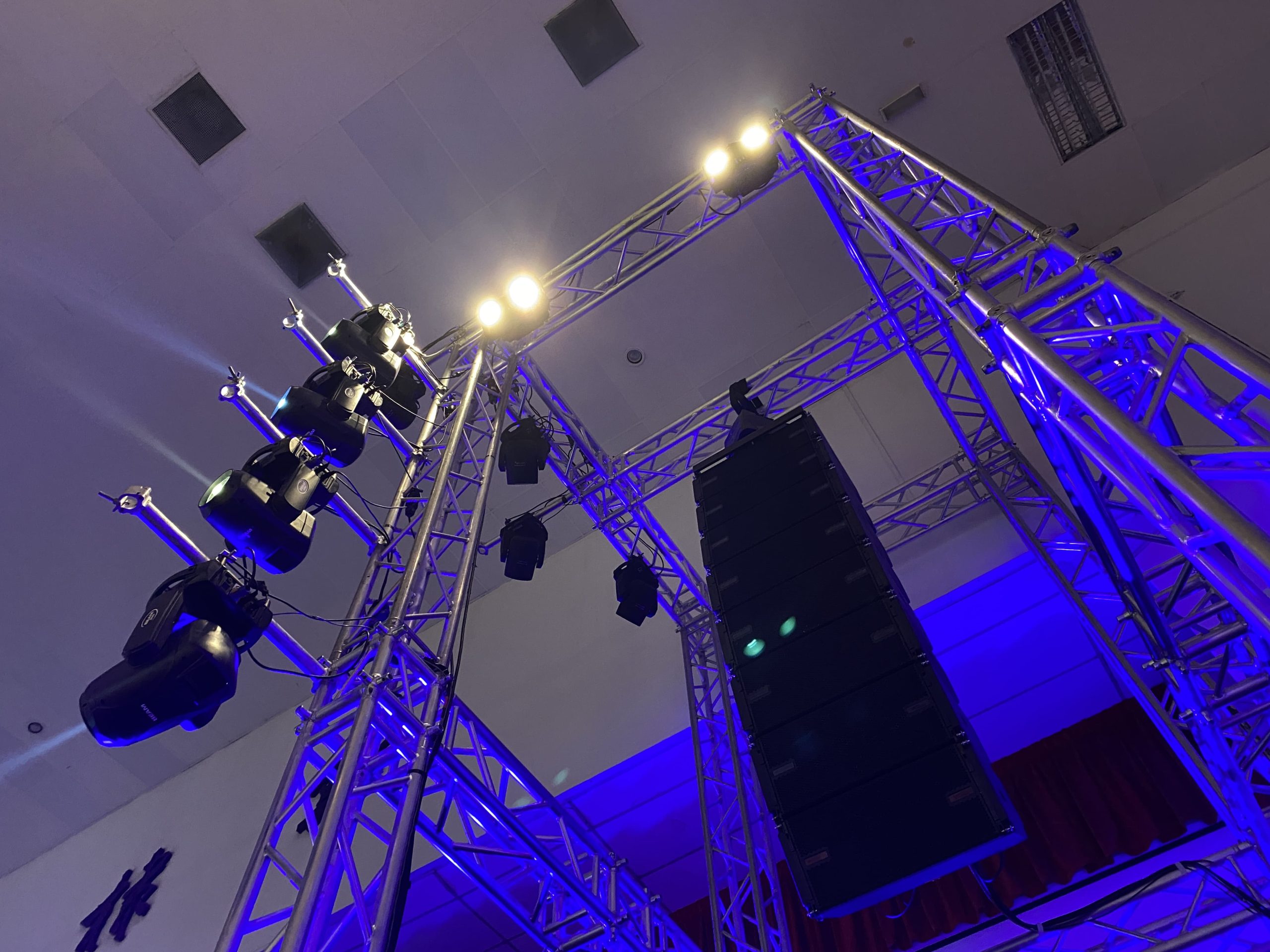
Many people assume a professional audio setup simply consists of microphones, speakers, and a mixing console. In reality, modern event audio systems are highly integrated ecosystems where every component contributes to the audience’s listening experience. Each device performs a specialised function before passing the signal to the next stage. A simplified professional signal flow typically looks like this:
Microphone → Preamplifier → Digital Mixing Console → Digital Signal Processor (DSP) → Audio Network → Power Amplifier → Loudspeaker
Each stage influences the final sound heard by the audience. If any component introduces distortion, excessive noise, incorrect timing, or poor calibration, the effects often remain audible throughout the entire system. This is why professional engineers focus on the complete signal chain rather than individual pieces of equipment.
Component 1: Microphones – Capturing the Original Performance
Every professional audio system begins with capturing sound accurately. No amount of expensive processing can restore information that was never captured correctly at the source. Microphones convert acoustic energy into electrical signals, making them the first and arguably one of the most critical components in the entire audio chain. Choosing the wrong microphone can introduce problems before the signal even reaches the mixing console.
Professional engineers consider numerous factors when selecting microphones, including:
- Event type
- Speaker movement
- Venue size
- Background noise
- Vocal characteristics
- Wireless frequency availability
- Required pickup pattern
For example, a keynote presenter moving freely across a stage typically requires a wireless headset or lapel microphone, while a vocalist performing live may require a handheld dynamic microphone designed to withstand high sound pressure levels.
Polar Patterns Matter More Than Most People Realise
One of the most important microphone characteristics is its polar pattern—the area from which it captures sound. Different patterns serve different purposes.
Cardioid microphones primarily capture sound from the front while rejecting noise from behind, making them ideal for speeches and stage presentations.
Supercardioid microphones offer even tighter front pickup with greater side rejection, improving feedback resistance in challenging environments.
Omnidirectional microphones capture sound equally from all directions and are commonly used for panel discussions, conference tables, or ambient room recording.
Selecting the appropriate polar pattern helps reduce unwanted background noise, improve speech intelligibility, and minimise the risk of acoustic feedback before any digital processing even begins.
Wireless Microphones: Freedom with Greater Complexity
Wireless microphones provide presenters with unrestricted movement, making them essential for conferences, product launches, live performances, and large corporate events. However, unlike wired microphones, they introduce an entirely new layer of engineering challenges.
Professional wireless systems require careful management of:
- Radio frequency (RF) coordination
- Frequency allocation
- Antenna placement
- Battery monitoring
- Signal diversity
- Interference avoidance
Large productions may operate dozens—or even hundreds—of wireless devices simultaneously. Without proper RF planning, signal dropouts, unwanted interference, and microphone failures can occur, disrupting presentations and reducing audience confidence. Professional audio engineers therefore conduct comprehensive RF scans before every major event to identify potential interference from television broadcasts, communication systems, Wi-Fi networks, and other wireless devices operating nearby.
Component 2: Preamplifiers – Preserving Signal Quality from the Start
The electrical signal produced by a microphone is extremely weak—far too weak to be processed directly by professional audio equipment. Before the signal reaches the mixing console, it passes through a microphone preamplifier (preamp), which boosts it to an optimal operating level without introducing unwanted noise or distortion. This stage may seem insignificant, but it plays a major role in determining overall audio quality.
A poorly adjusted preamp can introduce problems that affect the rest of the signal chain, including:
- Excessive background noise
- Signal clipping
- Reduced dynamic range
- Distortion
- Poor speech clarity
Professional engineers carefully adjust microphone gain based on the presenter’s speaking style, microphone sensitivity, and venue acoustics. The objective is to capture the strongest possible signal while preserving adequate headroom for unexpected volume peaks. For example, a CEO delivering a keynote may begin speaking softly before raising their voice during an important announcement. A properly configured preamp accommodates these natural variations without distortion or loss of clarity.
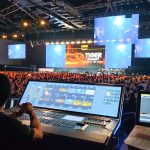
Component 3: Digital Mixing Consoles – The Control Centre of Live Audio
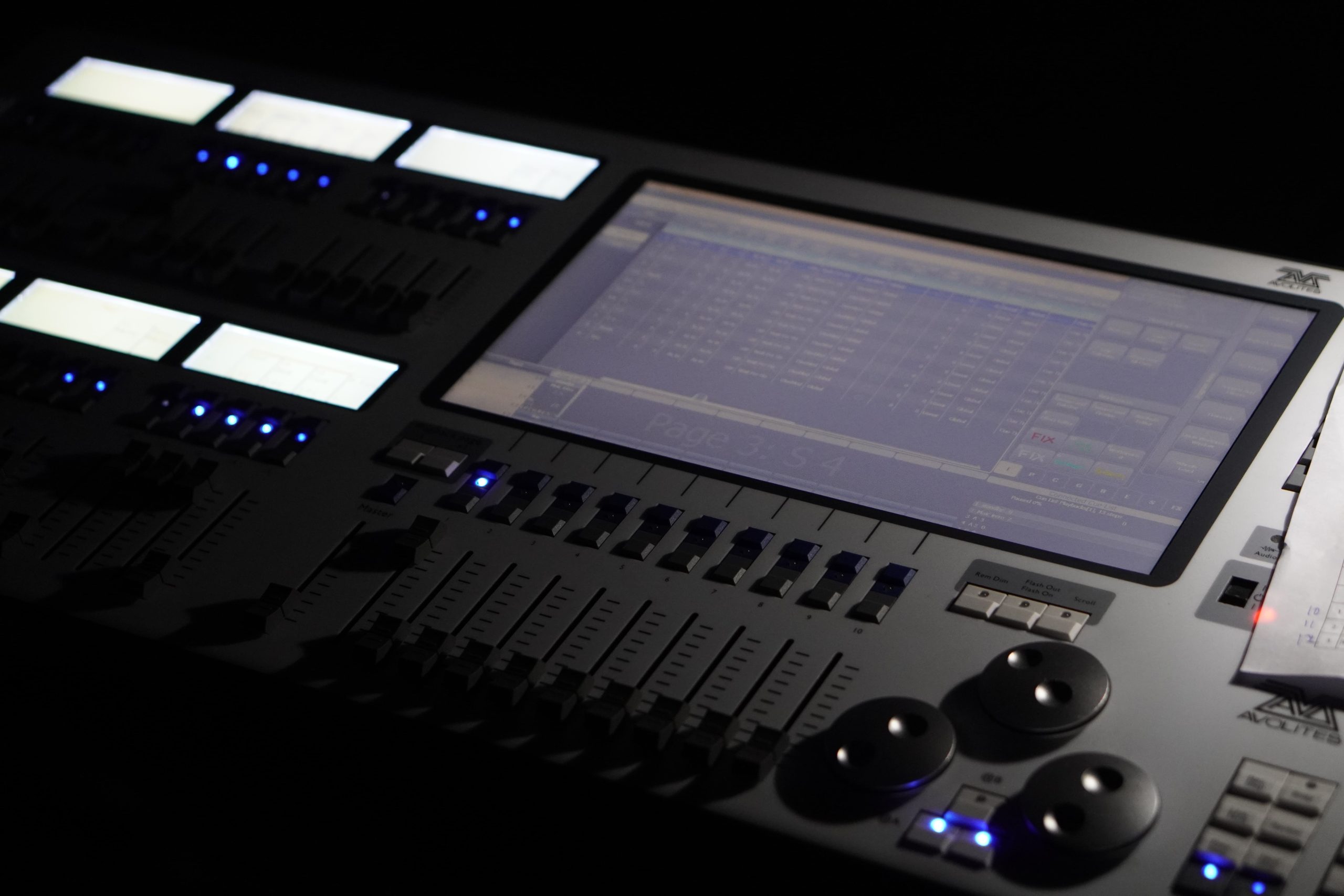
Once audio reaches the correct operating level, it enters the digital mixing console, often considered the heart of the entire sound system. Modern digital consoles perform far more than simple volume adjustments. They receive signals from multiple microphones, musical instruments, playback devices, video systems, and remote sources before combining them into carefully balanced outputs.
A large corporate conference may involve:
- Wireless handheld microphones
- Lapel microphones
- Headset microphones
- Panel discussion microphones
- Presentation laptops
- Video playback systems
- Live music performances
- Hybrid conferencing platforms
Each source requires individual control to ensure that every audience member hears a balanced mix throughout the event.
Digital consoles enable engineers to manage:
- Input gain
- Equalisation (EQ)
- Dynamics processing
- Channel routing
- Effects processing
- Monitor mixes
- Recording outputs
- Broadcast feeds
- Livestream audio
- Scene automation
Rather than manually adjusting every control during an event, engineers can store complete console configurations as digital scenes, allowing instant recall for different programme segments.
For example:
- Opening ceremony
- Product demonstration
- Panel discussion
- Entertainment performance
- Award presentation
Each scene automatically adjusts microphone levels, routing, equalisation, and processing within seconds, ensuring smooth transitions throughout the event.
Why Mixing Is About Balance, Not Volume
One of the biggest misconceptions about professional audio is that the engineer’s job is simply to make everything louder. In reality, successful mixing is about creating balance. During a conference, for example, background music should support the atmosphere without overpowering the presenter. When a speaker begins talking, music must gradually fade while maintaining consistent speech clarity. Similarly, during a concert, vocals should remain prominent without masking instruments, while every instrument must occupy its own space within the frequency spectrum. Achieving this balance requires continuous adjustments throughout the event.
Professional engineers constantly monitor:
- Vocal clarity
- Music dynamics
- Audience reactions
- Acoustic changes
- Presenter movement
- Microphone proximity
Their objective is to create a listening experience that feels natural rather than technically processed.
Component 4: Digital Signal Processing (DSP) – Fine-Tuning Every Detail
Once audio has been mixed, it enters one of the most intelligent stages of the system: Digital Signal Processing (DSP). DSP acts as the invisible engineer continuously refining every signal before it reaches the loudspeakers. Rather than simply increasing volume, DSP analyses and processes audio thousands of times every second to improve clarity, consistency, and intelligibility.
Professional DSP systems perform functions such as:
- Equalisation (EQ)
- Feedback suppression
- Dynamic compression
- Delay alignment
- Loudspeaker crossover management
- Frequency optimisation
- Speaker protection
- Acoustic correction
- Multi-zone routing
Without DSP, even premium loudspeakers may produce inconsistent sound in acoustically challenging venues.
Equalisation (EQ): Making Every Word Clear
Every venue has unique acoustic characteristics. Large convention halls often create long reverberation times. Hotel ballrooms may produce strong reflections from walls and ceilings. Outdoor venues behave differently because there are few reflective surfaces. Equalisation allows engineers to adjust specific frequency ranges to compensate for these environmental characteristics.
For example:
- Reducing excessive low frequencies that make speech sound muddy.
- Enhancing mid-range frequencies where vocal intelligibility is strongest.
- Softening harsh high frequencies that cause listener fatigue.
- Correcting tonal imbalances introduced by the room itself.
The goal is not to change the speaker’s voice but to ensure it sounds natural and remains understandable throughout the venue.
Dynamic Processing – Maintaining Consistent Volume
Not every presenter speaks at the same volume. Some speakers naturally project their voice, while others speak quietly. Performers also vary their vocal intensity throughout a show. Dynamic processors automatically manage these variations.
Common DSP tools include:
Compressors
Compressors reduce excessive volume peaks while keeping quieter sections audible. This creates a more consistent listening experience without forcing audiences to constantly adjust their attention.
Limiters
Limiters prevent signals from exceeding safe operating levels. They protect loudspeakers from overload while ensuring sudden bursts of sound do not discomfort the audience.
Noise Gates
Noise gates automatically mute microphones when no one is speaking.
This reduces:
- Air-conditioning noise
- Audience chatter
- Stage ambience
- Handling noise
The result is cleaner audio with improved speech intelligibility.
Feedback Suppression – Preventing the Most Embarrassing Audio Problem
Few technical issues disrupt an event faster than microphone feedback. That familiar high-pitched squeal occurs when sound from a loudspeaker re-enters the microphone, creating a continuous amplification loop.
Modern DSP systems help minimise feedback by:
- Detecting problematic frequencies
- Applying narrow corrective filters
- Optimising microphone sensitivity
- Maintaining safe operating levels
However, DSP alone cannot eliminate feedback.
Successful feedback control also depends on:
- Proper loudspeaker placement
- Appropriate microphone selection
- Correct microphone technique
- Effective stage layout
Professional engineers consider all these factors together rather than relying solely on digital processing.
Component 5: Loudspeaker System Design – Delivering Sound to Every Seat
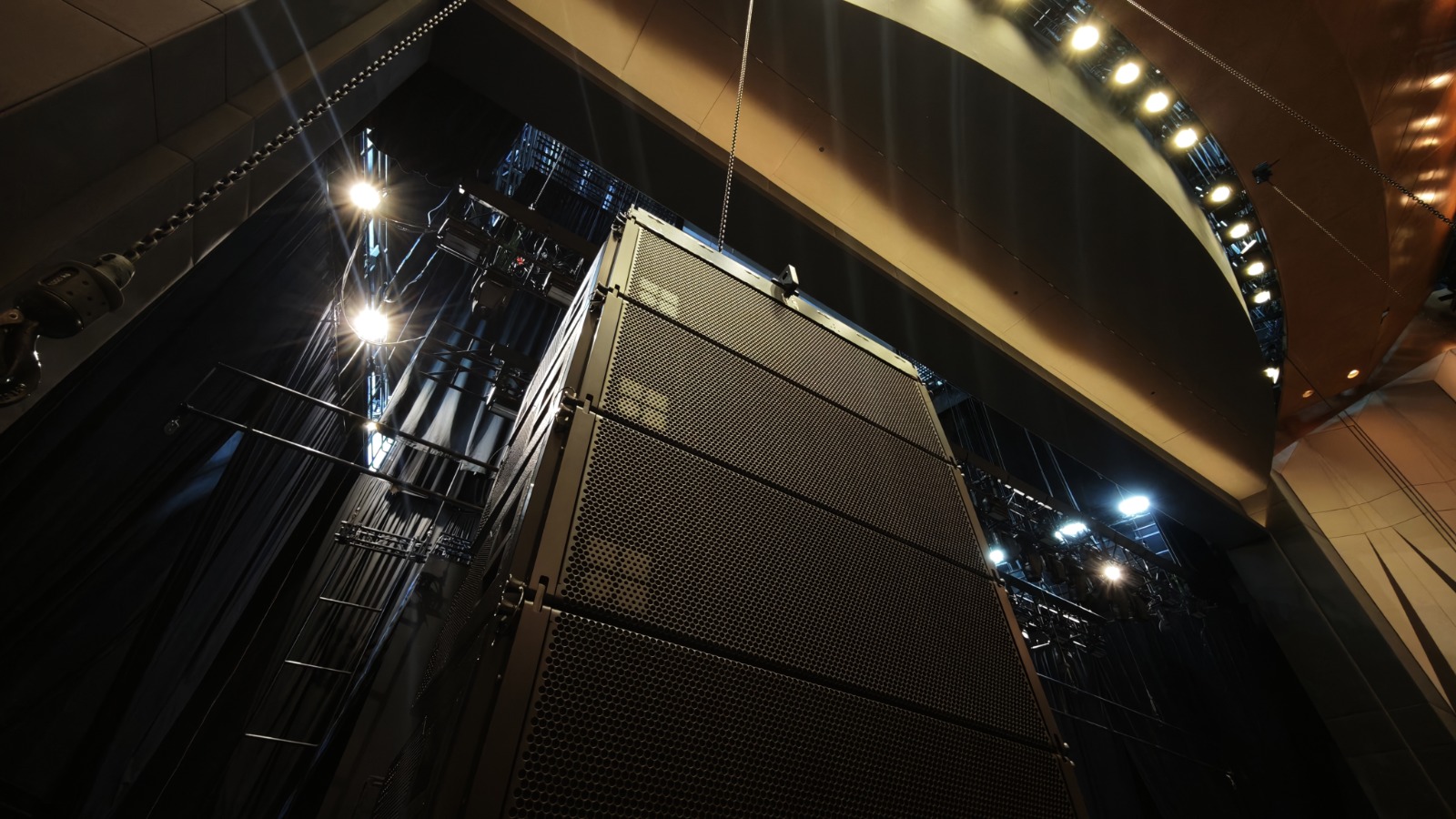
While microphones capture the performance, loudspeakers determine how audiences ultimately experience it. A common misconception is that installing more speakers automatically improves sound quality. In reality, loudspeaker placement is often more important than loudspeaker quantity.
Professional system designers carefully analyse:
- Venue dimensions
- Audience seating layout
- Ceiling height
- Reflective surfaces
- Viewing distances
- Coverage requirements
The objective is simple:
Every audience member should experience consistent audio quality regardless of where they are seated.
Coverage Angles: Reaching Every Listener
Every loudspeaker projects sound within a defined horizontal and vertical coverage angle.
Selecting inappropriate coverage patterns creates uneven listening experiences.
If the coverage angle is too narrow:
- Side seating areas receive weak sound.
- Audience members struggle to hear.
If it is too wide:
- Sound reflects unnecessarily from walls and ceilings.
- Speech becomes less intelligible.
- Reverberation increases.
Professional engineers calculate loudspeaker dispersion based on the venue’s geometry rather than simply increasing volume.
Good coverage creates consistency—not loudness.
Sound Pressure Level (SPL): Loud Enough, Never Too Loud
Another common misunderstanding is that professional audio means maximum volume. In reality, audio engineers focus on achieving an appropriate Sound Pressure Level (SPL) throughout the audience area. SPL measures how loud sound is at various listening positions.
The ideal level depends on the event.
For example:
- Corporate conferences prioritise comfortable speech intelligibility.
- Product launches require impactful presentation audio without overwhelming attendees.
- Concerts demand higher energy while maintaining clarity.
- Gala dinners require balanced background music that encourages conversation.
Professional engineers measure SPL using specialised equipment to ensure sound remains consistent across the venue rather than excessively loud in certain areas.
Frequency Response: Preserving Natural Sound
Every sound consists of multiple frequencies. Professional loudspeaker systems are designed to reproduce these frequencies accurately so audiences hear voices and music naturally.
An uneven frequency response can make speech sound:
- Boomy
- Thin
- Harsh
- Muffled
- Fatiguing
System tuning ensures that no frequency range dominates the overall sound, creating a balanced listening experience that remains comfortable even during long events.
Delay Alignment: Keeping Every Speaker in Sync
Large venues often require multiple loudspeaker zones positioned throughout the audience area. Without proper delay alignment, listeners may hear the same sound arriving from different speakers at slightly different times. Even delays of just a few milliseconds can reduce speech clarity and create distracting echo effects. Digital processors calculate precise delay times so every loudspeaker reproduces audio in perfect synchronisation. Although audiences rarely notice correct delay alignment, they immediately notice when it is missing. A properly aligned system makes the entire venue sound like one cohesive source rather than multiple independent speakers.
Venue Acoustics: Why Every Space Sounds Different
No two venues sound exactly alike. A ballroom in a five-star hotel behaves very differently from a convention hall, exhibition centre, theatre, or outdoor festival ground. The same audio equipment can deliver exceptional results in one venue and disappointing performance in another if the acoustic environment is not properly considered. This is why professional audio engineers always evaluate the venue before designing the sound system.
Several factors influence how sound behaves, including:
- Ceiling height
- Room dimensions
- Wall and floor materials
- Glass surfaces
- Audience capacity
- Stage position
- Seating arrangement
Hard surfaces such as concrete, glass, and marble reflect sound, while carpets, curtains, and occupied seating absorb it. These reflections affect speech clarity, music quality, and overall listening comfort. A properly engineered audio system is therefore designed around the venue—not simply installed inside it.
Acoustic Reflections and Reverberation
Every sound leaving a loudspeaker reaches listeners in two ways. The first is the direct sound, which travels straight from the speaker to the audience. The second is reflected sound, which bounces off walls, ceilings, windows, and other surfaces before reaching listeners. When reflections arrive too late, they create reverberation, making speech less intelligible.
The audience may experience:
- Echoes
- Muddy vocals
- Reduced speech clarity
- Listener fatigue
Professional engineers minimise these effects by carefully selecting loudspeaker positions, coverage angles, and DSP settings. The objective is to maximise direct sound while reducing unwanted reflections.
Every Event Requires a Different Audio Design
One of the biggest mistakes in event planning is assuming the same sound system can be used for every event. Different productions have completely different technical requirements.
Corporate Conferences
Corporate events prioritise one thing above all else:
Speech intelligibility.
Every participant must clearly hear presentations, panel discussions, and Q&A sessions.
Professional conference systems typically include:
- Wireless handheld microphones
- Lapel microphones
- Headset microphones
- Digital mixing consoles
- DSP processing
- Distributed loudspeaker systems
- Recording outputs
- Video conferencing integration
The emphasis is on clarity rather than volume.
Product Launches
Product launches are highly choreographed productions where audio, lighting, video, and stage effects must operate in perfect synchronisation.
The system must seamlessly manage:
- Presentation microphones
- Background music
- Product reveal audio
- Video playback
- Live demonstrations
- Guest interactions
Even slight timing errors between audio and visuals can reduce the impact of the reveal.
Concerts and Live Performances
Concert audio presents one of the most demanding engineering challenges.
Engineers must simultaneously manage:
- Live vocals
- Musical instruments
- Playback systems
- Stage monitors
- Front-of-house mixing
- Wireless systems
- Audience coverage
- Recording feeds
Unlike conferences, concerts require both emotional impact and technical precision. Every instrument must remain distinct while contributing to a balanced overall mix.
Exhibitions and Trade Shows
Exhibition halls often contain multiple booths operating simultaneously. Without proper planning, sound from one booth can interfere with neighbouring exhibitors.
Professional exhibition audio systems focus on:
- Controlled loudspeaker coverage
- Independent audio zones
- Directional speaker placement
- Background music management
- Presentation system isolation
The objective is to engage visitors without creating unnecessary noise throughout the exhibition hall.
Hybrid Events
Hybrid events have significantly increased the complexity of professional audio engineering.
Instead of producing one audio mix, engineers often create multiple simultaneous mixes for:
- Live audiences
- Livestream viewers
- Recording systems
- Virtual meeting platforms
- Media broadcasts
- Interpretation channels
Each audience hears the event differently. For example, a room microphone capturing audience applause enhances the in-person atmosphere but may overpower remote participants if not carefully mixed. Professional hybrid productions therefore require separate audio workflows rather than simply sharing one output.
Common Audio Mistakes That Reduce Audience Experience
Many audio problems originate long before the audience enters the venue. Proper planning and system design are often more important than purchasing expensive equipment.
Some of the most common mistakes include:
Choosing Equipment Based on Size Instead of Design
Larger speakers do not automatically produce better sound. Without proper placement and tuning, oversized systems may create uneven coverage and excessive reflections. Professional system design always prioritises coverage quality over equipment quantity.
Ignoring Venue Acoustics
Even premium loudspeakers cannot compensate for poor acoustic conditions. Failing to consider reflections, ceiling height, and audience layout often results in reduced speech intelligibility and inconsistent sound quality.
Poor Microphone Technique
Audio quality depends not only on equipment but also on how it is used. Holding microphones too far away, covering the microphone grille, or speaking off-axis reduces clarity before the signal even reaches the mixing console. Professional presenters are often briefed on correct microphone technique before the event begins.
Skipping Sound Checks
Every venue behaves differently. Professional sound checks allow engineers to:
- Verify microphone operation
- Optimise equalisation
- Balance loudspeaker levels
- Test wireless frequencies
- Confirm backup systems
- Evaluate audience coverage
Skipping this process significantly increases the likelihood of technical issues during live operation.
Underestimating Redundancy
Professional events cannot rely on a single point of failure. Backup systems commonly include:
- Spare microphones
- Additional wireless frequencies
- Redundant playback devices
- Backup mixing consoles
- Secondary power supplies
Redundancy provides confidence that the event can continue smoothly even if unexpected technical problems occur.
The Future of Professional Event Audio
The event industry continues to adopt increasingly sophisticated audio technologies. Several innovations are already reshaping modern productions.
AI-Assisted Mixing
Artificial intelligence is beginning to assist engineers by automatically balancing microphones, identifying feedback risks, and monitoring system health in real time. Rather than replacing engineers, AI enhances operational efficiency by allowing technicians to respond more quickly to changing event conditions.
Audio-over-IP (AoIP)
Technologies such as Dante continue replacing traditional analogue infrastructure. Networked audio offers:
- Greater scalability
- Simplified cabling
- Flexible routing
- Remote monitoring
- Faster deployment
Large convention centres and broadcast environments increasingly rely on Audio-over-IP as their primary audio backbone.
Immersive Spatial Audio
Modern loudspeaker systems are evolving beyond conventional left-and-right stereo reproduction. Object-based audio technologies allow engineers to position sound accurately throughout three-dimensional spaces, creating more immersive audience experiences for concerts, exhibitions, and experiential marketing events.
Remote Monitoring and Predictive Maintenance
Many professional audio systems can now be monitored remotely. Engineers receive real-time information about:
- Amplifier temperature
- Signal levels
- Network health
- Loudspeaker status
- Power consumption
Predictive diagnostics allow potential issues to be identified before they become operational failures.
Why Professional Audio Is an Investment in Audience Experience
Exceptional events are rarely remembered because of the equipment used. They are remembered because communication felt effortless. The audience remained engaged. Every presentation sounded clear. Every performance felt immersive. Every important announcement reached every listener without distraction. Behind these experiences lies a carefully engineered audio system where microphones, digital mixers, DSP processors, network infrastructure, amplifiers, and loudspeakers operate as one integrated ecosystem. Professional audio is therefore not simply about technology. It is about delivering confidence. Confidence for presenters. Confidence for organisers. And confidence that every audience member will experience the event exactly as intended.
Why Choose DOREMi for Professional Audio Solutions?
Delivering outstanding event audio requires more than supplying high-quality equipment—it requires engineering expertise.
At DOREMi, every audio system is designed around the event’s objectives, venue acoustics, audience size, and production requirements. Our engineers evaluate signal flow, loudspeaker coverage, wireless frequency coordination, DSP configuration, and system integration to ensure every component works together seamlessly.
Whether supporting corporate conferences, product launches, exhibitions, concerts, government events, or hybrid productions, we focus on delivering clear communication,
Looking For Professional Audio Solutions for Your Next Event
Whether you’re organising a corporate conference, exhibition, product launch, concert, or hybrid event, every successful production depends on a well-designed digital audio chain.
Consult DOREMi’s technical specialists to develop an integrated audio solution that delivers exceptional clarity, reliable performance, and seamless sound from microphone to speaker—ensuring every message is heard exactly as intended.