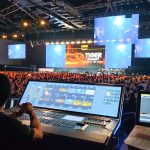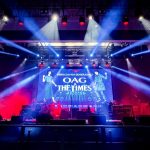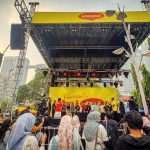
Most event audiences never think about what happens behind the LED screens. They see sharp visuals, seamless presentations, and crystal-clear live feeds but hidden behind that smooth experience is one of the biggest technical challenges in modern event production: delivering massive amounts of 4K video data across long distances without delay, loss, or failure.
In today’s world of high-resolution LED walls, hybrid conferences, live broadcasts, and immersive event experiences, signal transmission has become just as important as the screens themselves. As event venues grow larger and productions become more complex, traditional cabling methods are no longer enough.
This is where fiber optic technology changes everything.
From convention centres and exhibition halls to large-scale ballrooms and outdoor productions, fiber runs exceeding 100 meters are now essential for delivering reliable 4K content with speed, stability, and zero compromise on quality. In this article, we explore how professional event teams master long-distance 4K signal delivery, why fiber infrastructure has become critical in modern AV production, and the technologies that make large-scale visual experiences possible.
Why 4K Has Changed Event Production
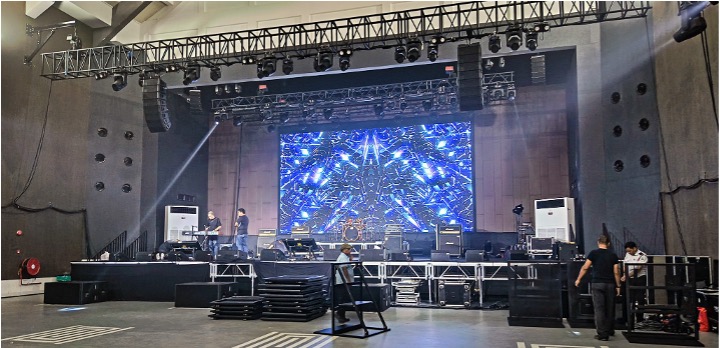
4K resolution has rapidly become the new standard for premium event visuals. Compared to Full HD (1080p), 4K offers sharper image quality, better detail, improved clarity on large LED walls, and enhanced audience immersion — especially important for corporate conferences, product launches, trade exhibitions, hybrid events, and broadcast productions.
Audiences today expect visuals that feel clean, professional, and cinematic. But delivering 4K content is not as simple as upgrading a screen. Higher resolution means larger data loads, increased bandwidth requirements, and greater signal sensitivity — and that’s where transmission challenges begin.
The Problem With Long-Distance Signal Transmission
In large venues, AV equipment is rarely located close together. The control room may be over 100 meters away from the stage, LED processors may be placed backstage, camera feeds may travel across exhibition halls, and broadcast systems may operate from separate production areas.
Traditional copper-based cabling such as HDMI faces major limitations over long distances — including signal degradation, data loss, interference, reduced image quality, and latency issues. For modern 4K workflows, these limitations are unacceptable.
Why Fiber Optic Technology Matters
Fiber optic cables transmit data using light instead of electrical signals. This allows them to carry massive bandwidth, maintain signal quality over long distances, resist electromagnetic interference, and support ultra-high-resolution content. In professional AV environments, fiber has become the backbone of reliable signal transmission.
The Advantages of Fiber Runs in Event Production
1. Long-Distance Transmission Without Quality Loss
Unlike HDMI or SDI copper cables, fiber can deliver stable 4K signals beyond 100 meters, preserve image clarity, and prevent degradation — critical in large convention centres, stadiums, exhibition halls, and outdoor festivals.
2. Higher Bandwidth Capacity
4K video requires enormous bandwidth. Fiber supports high frame rates, HDR content, and multi-channel signal transmission — allowing event teams to handle multiple 4K feeds simultaneously, live switching, and real-time streaming without bottlenecks.
3. Reduced Signal Interference
Event venues are packed with wireless systems, power cables, lighting equipment, and networking infrastructure. Copper cables are vulnerable to electromagnetic interference. Fiber is immune to this, ensuring stable transmission, cleaner signals, and greater reliability.
4. Lightweight and Easier Cable Management
Fiber cables are thinner, lighter, and easier to route — improving setup efficiency, cable organisation, and venue safety, especially in large productions with complex infrastructure.
Understanding the 100-Meter Challenge
Crossing the 100-meter mark introduces several technical considerations. Professional AV teams must account for signal conversion, connector quality, fiber type, redundancy, and routing protection. Poor implementation can still cause signal drops, flickering visuals, and synchronisation problems — which is why proper engineering matters.
Single-Mode vs Multi-Mode Fiber
| Type | Best For | Advantages |
|---|---|---|
| Multi-Mode Fiber | Shorter distances, indoor event environments | Lower cost, easier deployment |
| Single-Mode Fiber | Very long distances, large-scale productions, broadcast-grade workflows | Higher transmission capacity, greater distance support, better future scalability |
For large event venues, single-mode fiber is increasingly becoming the preferred option.
Key Components in a Fiber Signal Workflow
1. Fiber Converters
These devices convert HDMI, SDI, and DisplayPort signals to fiber — and back again at the receiving end.
2. Signal Extenders
Fiber extenders help maintain signal strength, stability, and synchronisation over long distances.
3. Video Processors
Modern LED walls rely heavily on processors to scale content, manage resolutions, and synchronise displays. Fiber connections ensure these processors receive clean, stable signals.
4. Network Switches and AV-over-IP
More productions are shifting toward AV-over-IP systems and network-based video workflows. Fiber provides the bandwidth needed for these advanced infrastructures.
Why Redundancy Matters in Fiber Systems
In high-profile events, signal failure is not an option. Professional setups often include backup fiber runs, redundant signal paths, and secondary processors — so if one line fails, another takes over instantly. This is especially critical for VIP summits, broadcast events, and live product launches.
Common Challenges in Fiber-Based Event Setups
| Challenge | What It Causes | How to Handle It |
|---|---|---|
| Connector Damage | Signal loss, reduced performance | Proper cleaning and careful handling of connectors |
| Bending Radius Issues | Cable damage, reduced signal efficiency | Professional cable routing with correct bend allowances |
| Compatibility Problems | Signal mismatch, resolution conflicts | Full compatibility checks across connectors, standards, and resolutions |
Fiber in Hybrid Events and Broadcasting
Hybrid events have dramatically increased the need for robust signal infrastructure. Today’s events often require live camera feeds, simultaneous streaming, recording systems, and remote presenters — all operating at the same time. Fiber allows these systems to operate smoothly with minimal latency, stable performance, and high-quality transmission.
Real-World Applications in Large-Scale Events
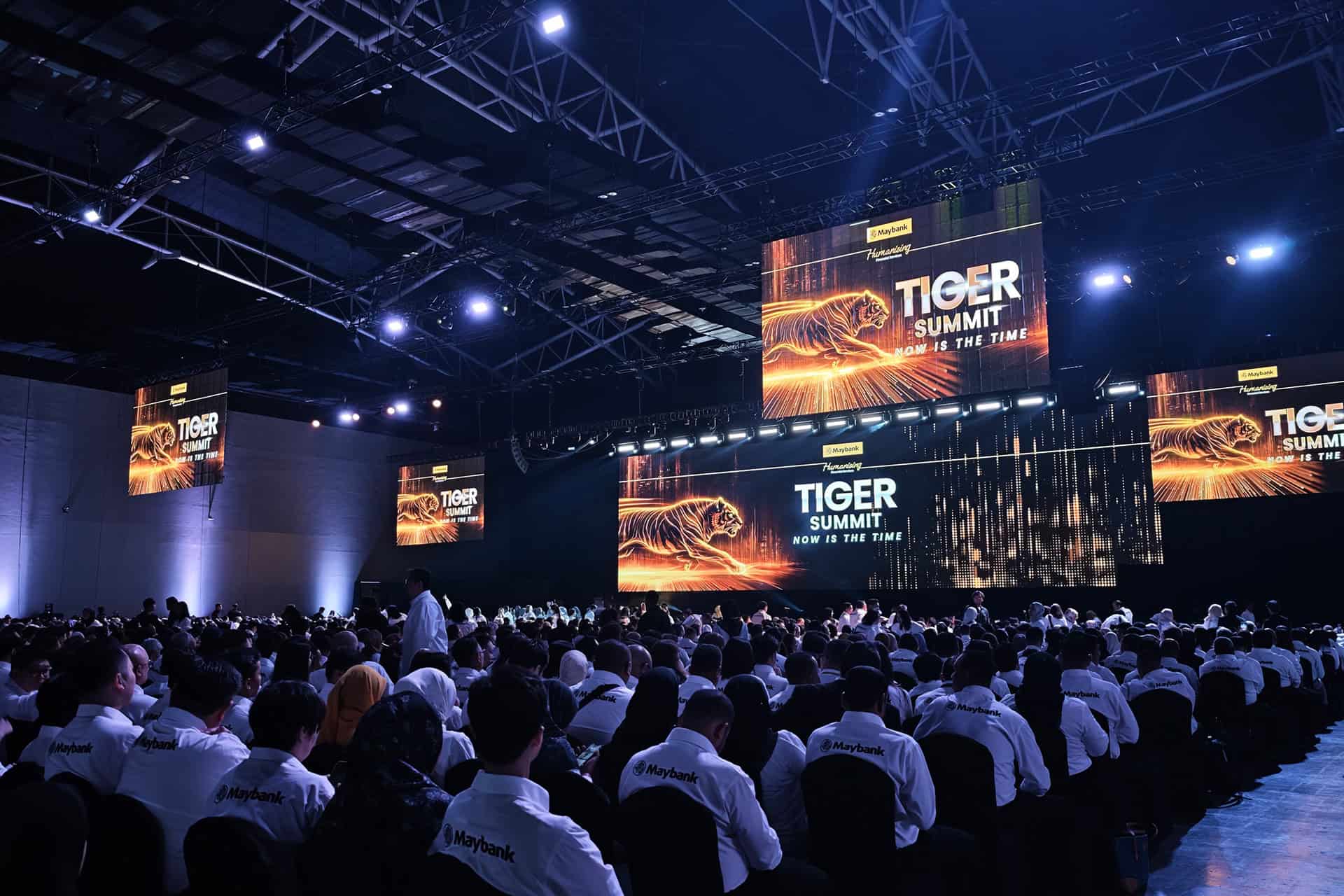
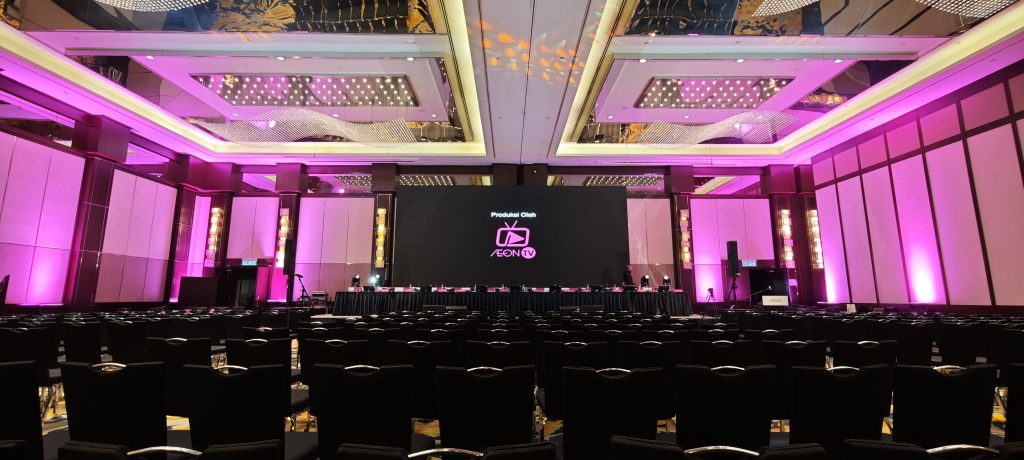
Fiber infrastructure is now standard in international conferences, major exhibitions, corporate launches, concert productions, and large LED installations. Large venues such as MITEC, MAEPS, convention centres, and hotel ballrooms often require extensive long-distance signal routing to support multiple LED walls, broadcast systems, camera networks, and overflow rooms.
Experience handling large-scale productions such as DSA Exhibition at MITEC, SEMICON at MITEC, MAHA at MAEPS, Manchester United Legends Meet-Up at MITEC, and Maybank Annual Dinner reflects the level of technical coordination required when managing advanced signal workflows across large and demanding environments.
Why 4K Signal Stability Matters for Audience Experience
Audiences may not understand signal engineering — but they instantly notice visual problems. Poor signal delivery can result in flickering screens, delayed visuals, resolution drops, and screen blackouts. These issues damage professionalism, audience immersion, and brand perception. Reliable fiber systems help ensure smooth playback, seamless switching, and consistent image quality throughout the event.
The Rise of AV-over-IP
The future of event production is increasingly moving toward AV-over-IP systems. Instead of traditional point-to-point cabling, content is distributed over network infrastructure — offering greater flexibility, easier scalability, centralised control, and simplified routing. Fiber networks provide the high-speed backbone required for these advanced systems.
The Future of Fiber in Events
As event technology continues evolving, fiber will become even more important. Emerging demands include:
8K Content Delivery
Virtual Production Workflows
XR & Immersive Experiences
Cloud-Based Broadcasting
Remote Production Systems
All of these demand higher bandwidth, lower latency, and greater reliability. Fiber remains one of the only technologies capable of supporting these future-ready workflows.
Best Practices for Event Organisers
To ensure stable long-distance 4K delivery:
- Plan infrastructure early — Signal routing should be considered during initial event planning, not as an afterthought.
- Work with experienced AV teams — Fiber systems require specialised expertise to design and deploy correctly.
- Prioritise redundancy — Always have backup signal paths ready to take over instantly.
- Use professional-grade equipment — Cheap converters and cables create reliability risks that no event can afford.
- Test extensively before live sessions — Signal testing prevents last-minute failures when it matters most.
The Signal Behind the Experience
Behind every seamless LED wall, flawless presentation, and stunning 4K visual experience is a carefully engineered signal infrastructure working silently in the background. As event productions continue growing in scale and technical complexity, mastering long-distance 4K signal delivery is no longer optional — it is essential.
Fiber technology has transformed how modern events operate by enabling higher resolutions, longer transmission distances, greater reliability, and faster workflows. From convention centres and exhibitions to corporate summits and hybrid broadcasts, fiber-based infrastructure ensures that every piece of visual content reaches its destination with precision and stability.
For teams experienced in handling large-scale productions, exhibitions, conferences, and high-resolution LED environments, advanced fiber workflows are part of what enables seamless event experiences across even the most demanding venues and technical setups.
Need Reliable 4K Signal Infrastructure for Your Next Event?
Our technical team specialises in long-distance fiber signal workflows, LED wall integration, and full AV infrastructure — designed for large venues and demanding productions.