Truss System Safety: Engineering the Backbone of Your Stage
Nobody notices the truss until something goes wrong. At any event, the audience’s attention is naturally drawn to the lights, the LED screens, the performances, and the overall spectacle. But behind all of that sits a critical structural system that holds everything together literally. The truss system is the backbone of every stage, supporting lighting rigs, LED walls, audio equipment, banners, and even roofing structures. While it often fades into the background visually, from an engineering and safety perspective, it is one of the most important components of any event setup. When designed and installed correctly, it ensures stability, safety, and seamless execution. When overlooked or miscalculated, it becomes one of the highest-risk elements on site.
For a technical leader like DOREMi Events, with over 45 years of heritage in the Malaysian event landscape, these systems represent the silent guardians of event safety. This article explores truss system safety in depth how it works, why it matters, the engineering principles behind it, and what event organisers must know to ensure a safe and successful production.
What Is a Truss System?
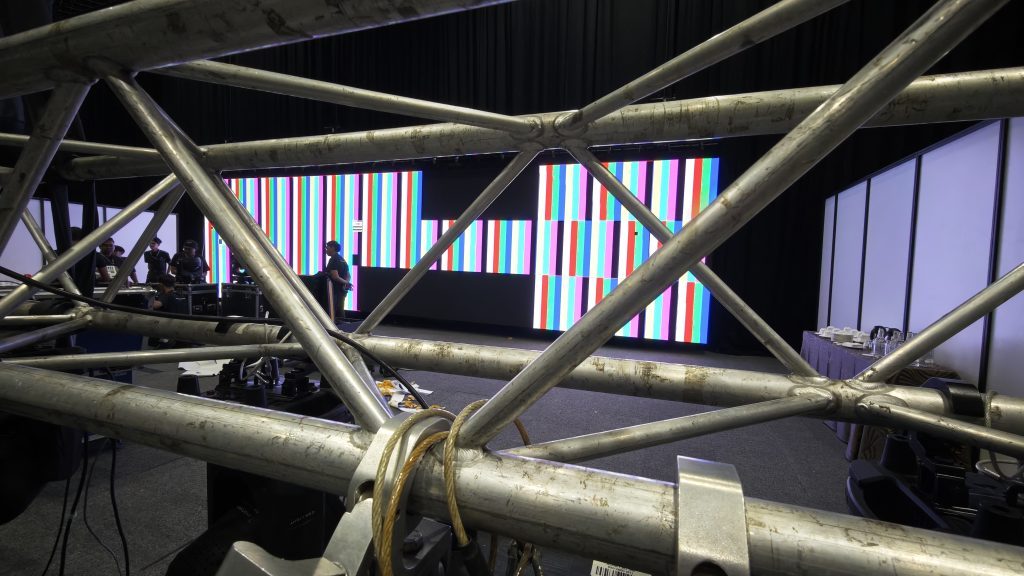
A truss is a structural framework typically made of aluminium or steel, designed to support loads over a span. In event production, trusses are used to suspend lighting fixtures, mount LED screens, support audio systems, create stage roofs and arches, and hold branding elements. They are modular, meaning they can be assembled into various shapes and sizes arches, boxes, or circles depending on the event requirements. This modularity allows for the creation of complex stage designs that would be impossible with fixed structures.
Why Truss Safety Is Non-Negotiable
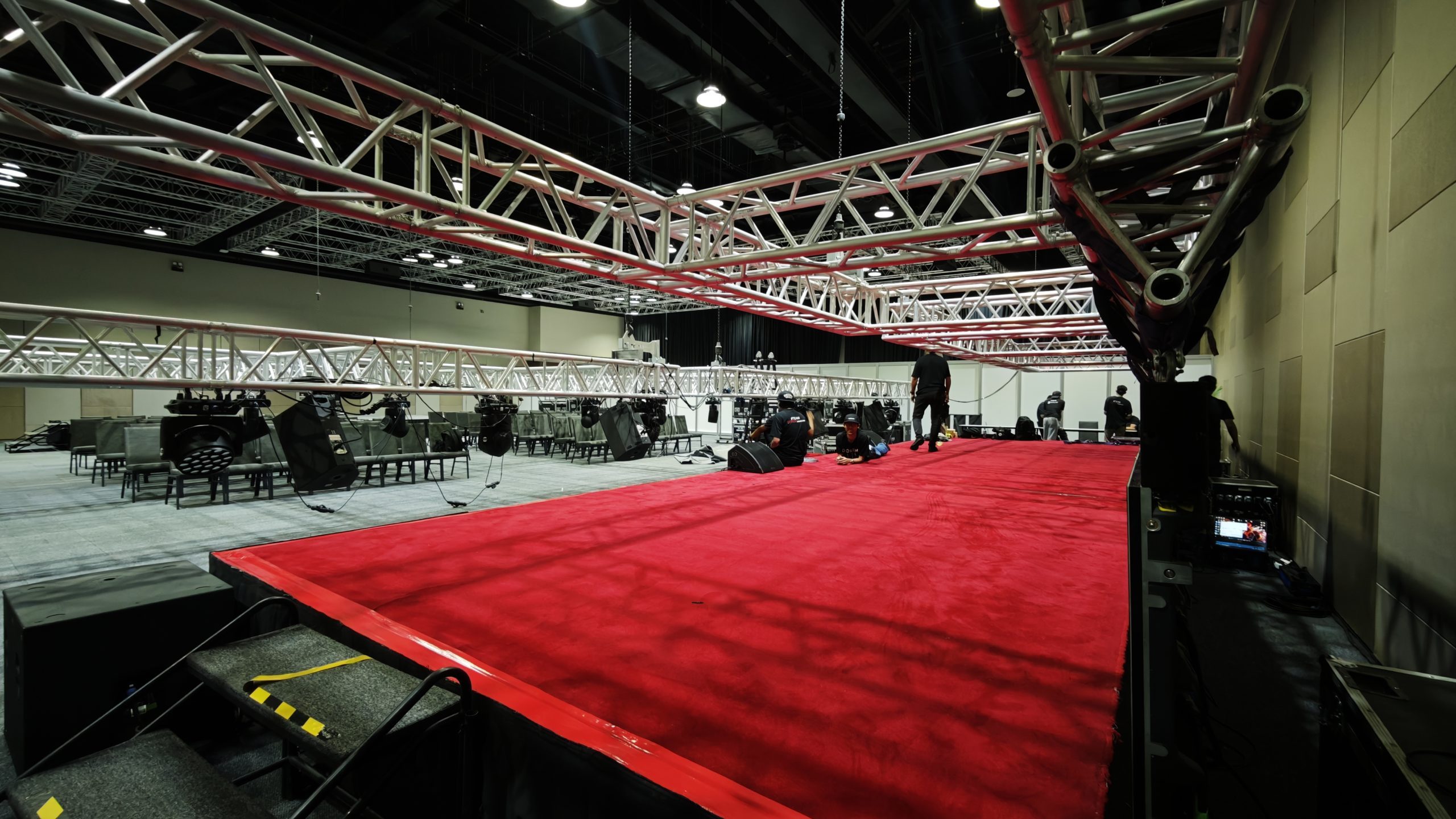
Unlike decorative elements, trusses carry significant weight. A single truss structure may support hundreds to thousands of kilograms of equipment, including dynamic loads like moving lights and wind forces, often suspended directly above performers and guests. Failure is not just a technical issue it’s a severe safety hazard. Risks of poor truss planning include structural collapse, massive equipment damage, and serious injury to crew or guests. This is why professional engineering, proper load calculations, and certified installation are essential for every production.
Understanding Load: The Core of Truss Engineering
Everything in truss safety begins with load management. Technicians must differentiate between the types of forces acting on the structure to ensure it remains within its safe operating limits.
- Dead Load: The static, permanent weight of all equipment permanently attached to the truss, including lights, cables, and LED panels.
- Live Load: Temporary or dynamic forces, such as moving lights, weight adjustments during the show, or the movement of performers.
- Environmental Load: Factors like wind, rain, and temperature. In Malaysia, wind load is particularly critical for outdoor setups, as large LED screens can act like sails and destabilize the structure.
- Point Load vs. Distributed Load: Understanding whether weight is concentrated in one specific spot or spread across the entire span is essential to prevent structural bending or failure.
Material and Rigging Integrity
Aluminium is the preferred material for event trusses because it is lightweight yet strong, corrosion-resistant, and easy to transport. However, a truss system is only as strong as its connections. Safe systems require proper connection components such as spigots, pins, or bolts and certified rigging hardware like shackles, slings, and electric hoists. For large-scale events in Malaysia, such as exhibitions at MITEC or national-scale corporate launches, these systems must be professionally installed by certified riggers to ensure even load distribution and structural integrity.
Equipment for Safer Truss Setups
A strong truss system relies on high-quality support gear. Sourcing professional-grade equipment through a trusted rental ecosystem ensures that all components meet rigorous safety standards.
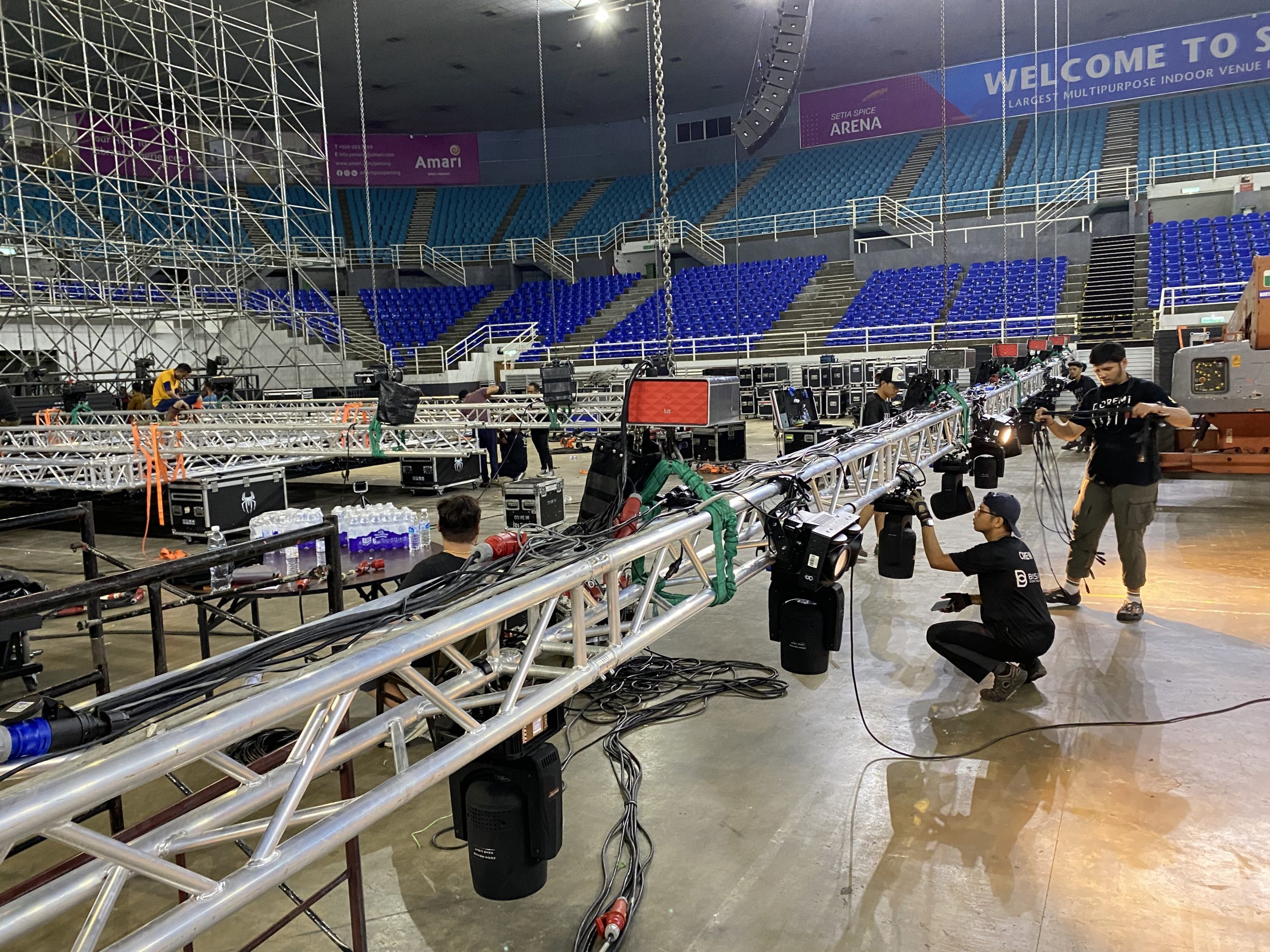
- Electric Chain Hoists: Essential for lifting heavy trusses precisely, reducing manual handling risks, and ensuring a level lift.
- Base Plates & Ballast Systems: Critical for ground-supported trusses, especially outdoors at venues like MAEPS Serdang. Steel base plates and concrete or water ballast ensure stability against wind and uneven terrain.
- Rigging Hardware: Components such as shackles, steel slings, and safety bonds must meet certified load ratings to ensure safe suspension.
- Stage Roofing Systems: Integrated aluminium roof frameworks protect equipment from rain while providing necessary mounting points for complex lighting designs.
Common Mistakes and Technological Solutions
To maintain a professional standard, organisers must avoid pitfalls like overloading trusses, using unqualified installers, or ignoring weather factors. Modern tools now include load calculation software, 3D simulations, and real-time monitoring to stress-test designs virtually before a single bolt is tightened. This data-driven approach ensures that the “backbone” of the stage remains robust and reliable under any circumstances.
The Future of Structural Safety and ROI
As the demand for immersive experiences grows, truss systems are evolving with advancements in lightweight materials and smart load monitoring. Investing in a safe, professionally engineered truss system delivers measurable benefits: absolute safety assurance, smooth event execution, a professional brand image, and significantly reduced operational risk. When the backbone of the stage is strong, every other production element stands taller, allowing the show to proceed with total confidence.
In conclusion, truss systems may not be the most visible part of an event, but they are undeniably the most critical. They carry the entire production, from lighting and visuals to stage design and branding. By combining proper engineering, certified rigging practices, and high-quality equipment, event organisers can ensure a setup that is not only visually impressive but structurally sound and reliable. Because when the backbone is strong, every event runs smoother, safer, and more confidently.
Dominate the Stage with Safety
Ready to execute a safe, large-scale production with the right technical support and structural engineering? Partner with Malaysia’s most experienced technical team to ensure your stage backbone is robust and reliable.