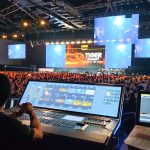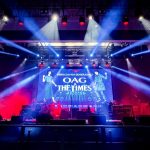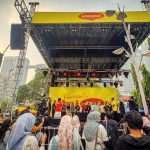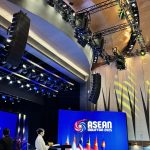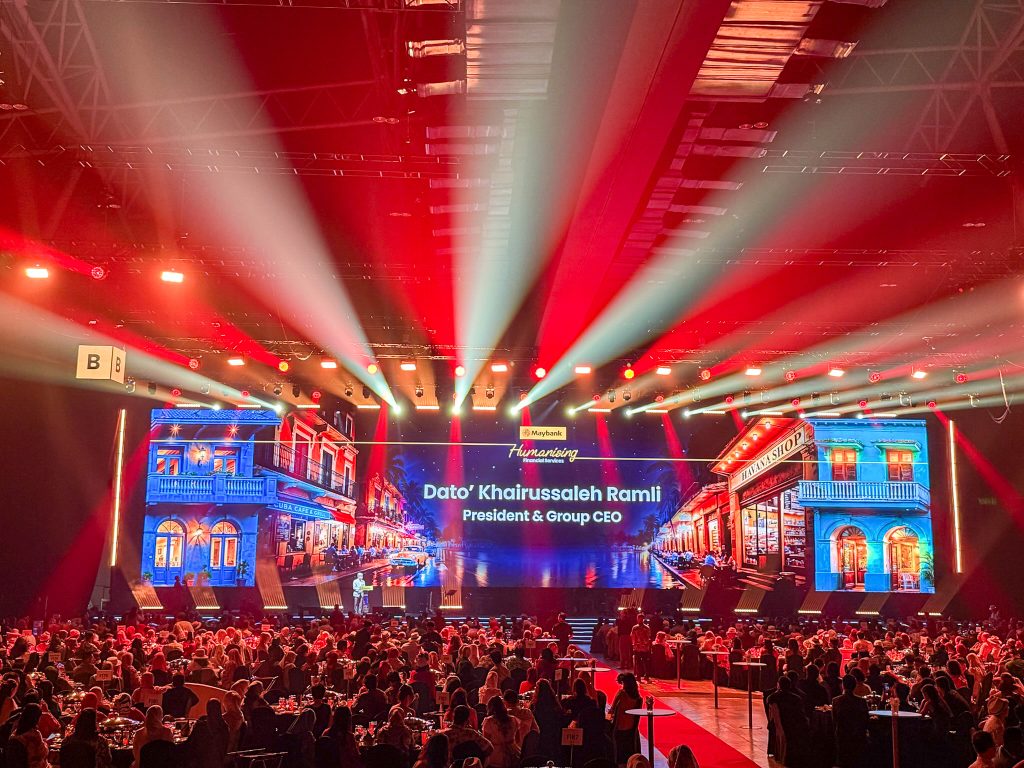
An outdoor LED screen has one very obvious problem. It is big. And unfortunately, the wind has eyes.
A huge LED wall might look perfectly harmless when it is standing still on a sunny afternoon, displaying a sponsor logo or waiting for the concert to start. But once you raise that large surface several metres above the ground, the weather suddenly becomes part of the production team — whether you invited it or not.
The screen is exposed to wind. The tower supporting it is exposed to wind. The frame, banners, cables and other equipment can also contribute to the overall load.And when strong gusts arrive, the question is no longer simply, “Can the screen display 4K?”
It becomes:
“Can the whole structure safely handle the conditions it is standing in?”
That is where wind-load engineering comes in. For outdoor concerts, festivals, sporting events, corporate activations and large public gatherings, LED screens may be installed on temporary towers or other support structures. These structures have to be designed around the actual screen, support system, site conditions and expected wind environment rather than relying on the appearance of the installation alone.
Malaysia’s MS 1553 provides procedures for determining wind speeds and resulting wind actions for structural design, while its amendment also includes provisions relating to dynamic analysis for certain structures with low natural frequencies.
So, how does all of this actually work?
Why Wind Is a Serious Issue for Outdoor LED Screens
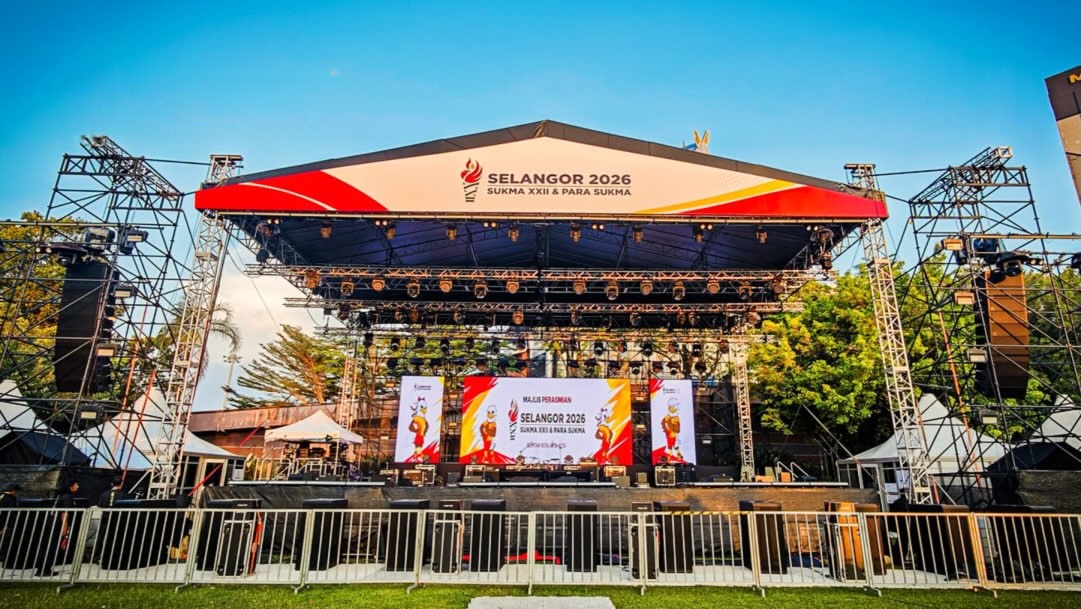
Think about the size of a modern outdoor LED wall. A screen that is several metres wide and several metres high can have a surprisingly large exposed surface. Once that surface is elevated above the ground, wind can exert significant force on it.
And wind does something slightly sneaky. Its effect does not increase at the same rate as its speed. As wind speed increases, the pressure associated with the moving air increases much more rapidly. For example, increasing wind speed from 20 m/s to 30 m/s represents a 50% increase in speed, but the velocity-related pressure component becomes about 2.25 times higher. That is because wind pressure is related to the square of wind speed.
You do not need to become a structural engineer to appreciate the takeaway: A small-looking increase in wind speed can create a much bigger increase in the force acting on a structure. That is why a weather forecast saying “winds increasing later” is not something an outdoor event production team should casually ignore.
Wind Load Is More Than Screen Size
One of the easiest mistakes is to look at the LED screen dimensions and assume that is enough information to determine the wind load. It is not.
The complete system may include:
- LED panels
- the supporting frame
- truss or tower sections
- mounting hardware
- banners or branding
- equipment attached to the structure
- cable management
- ballast
- anchors or other securing systems
All of these can affect the overall structural behaviour. This is important because adding something to a structure can change its exposure to wind. A large banner might look like decoration to an event organiser. To the wind, it can look suspiciously like a sail.
The Structure Has to Be Designed as a Complete System
An outdoor LED tower should not be viewed as a screen sitting on top of a tower. It is a structural system. Wind hits the exposed surfaces. Those forces are transferred through the frame and support structure. The forces eventually reach the base.
The base then has to transfer those forces safely into the ground through ballast, anchors, foundations or another engineered support arrangement. This is known as the load path.
Every part of that path matters. If the screen is strong but the frame is inadequate, there is a problem. If the frame is strong but the connection is inadequate, there is a problem. If the tower is properly engineered but the base is unsuitable for the site, there is still a problem.
Structural safety is therefore about the whole installation, not just the LED panels.
So How Is Wind Load Actually Determined?
At a basic level, engineers need to understand three major things:
- How strong is the wind expected to be?
- How much of the structure is exposed to it?
- How does the structure respond to that force?
Standards then provide the appropriate methods and factors for turning those conditions into design actions. For Malaysia, MS 1553 is an important reference for wind loading within its stated scope. It addresses matters including wind speed, site exposure and shape factors used in determining wind actions. (Department of Standards Malaysia)
Internationally, other standards may apply. The important point for event organisers is that wind-load assessment should be based on an applicable engineering standard, not an approximate number pulled from the internet.
Step 1: Establish the Design Wind Speed
The first question is not:
“What’s the weather forecast?”
It is:
“What wind condition does this structure need to be designed for?”
A forecast tells you what the weather may be doing over a particular period.
Structural design uses defined wind parameters and factors appropriate to the location, exposure and structure.
The engineer may need to consider factors such as:
- site location
- terrain
- height above ground
- exposure
- wind direction
- structure geometry
- design requirements
- applicable code provisions
MS 1553 provides a framework for determining wind speeds and wind actions and includes consideration of site exposure. (Department of Standards Malaysia)
That means a tower in an open field should not automatically be treated in the same way as one surrounded by substantial buildings.
Step 2: Determine How Much of the Structure Is Exposed
Now we look at the physical structure. A large flat LED wall has a substantial projected area facing the wind. But the screen is not the only thing exposed. The supporting frame, tower members, branding, equipment and accessories may all contribute.
This is where geometry becomes important. Two LED towers may use screens of exactly the same size but have different structural wind demands because their height, support arrangement, surroundings or accessories are different.
For example:
Tower A:
A low screen installed in a relatively sheltered location.
Tower B:
The same screen mounted much higher on a temporary structure in an open area.
Same screen.
Very different engineering problem.
Step 3: Consider the Shape
Wind does not interact with every object in the same way. A solid flat surface behaves differently from an open truss. A banner behaves differently from an individual steel tube. An enclosed structure behaves differently from an open frame. This is why wind engineering uses appropriate coefficients to represent the aerodynamic behaviour of different shapes.
MS 1553 includes shape factors within its wind-loading methodology. (Department of Standards Malaysia)
This is another reason a simple online calculator cannot replace a proper engineering assessment. Entering only the screen width, height and wind speed does not capture the complete behaviour of a temporary tower.
The Higher the Screen, the More Important the Base Becomes
Here is an easy way to understand one of the most important structural concepts. Imagine pushing a door. Push close to the hinges and it is difficult to move. Push at the handle and it is much easier.
Why?
Because the distance from the pivot matters. A tall LED tower works on a similar basic principle. When wind pushes against a screen high above the ground, it creates an overturning moment around the base. The higher the point where the force acts, the greater the turning effect can become. This is why the base of a tall LED structure is doing far more than simply supporting its own weight. It is helping resist the tendency of the whole structure to rotate or overturn under wind loading.
And this is where ballast and anchoring become critical.
Ballast: It Is Not Just “Put Some Heavy Things Here”
Ballast is often used to help stabilise temporary structures. But there is a big difference between:
“This looks heavy.”
and
“This ballast arrangement has been engineered for the required loads.”
The amount, position and connection of ballast matter. So do the surface underneath it and the way the ballast interacts with the structure.
An engineer may have to consider:
- ballast weight
- ballast position
- contact area
- friction
- overturning effects
- sliding
- uplift
- connection details
- ground conditions
The correct arrangement depends on the specific structure and engineering design. This means ballast should never be moved around casually because “it looks better over there.”
The wind will not appreciate the new aesthetic.
Anchors, Foundations and Ground Conditions
Not every installation uses ballast. Some systems may rely on anchors, foundations, guying or a combination of methods.
The choice depends on the structure, site and design. And then we get to something people often forget:
What is underneath the structure?
The same tower might behave very differently on:
- reinforced concrete
- asphalt
- paving
- compacted ground
- grass
- temporary flooring
- uneven surfaces
A support arrangement that works for one substrate may not automatically work on another. The site needs to be considered as part of the structural system.
Wind Direction Matters Too
Wind does not always politely arrive from the direction the production team expects. An LED wall may experience different effects depending on the direction of the wind relative to the face of the screen and the geometry of the structure.
A broadside wind can present a very different condition from an angled wind. That is why professional wind-load assessment considers the relevant directions required by the applicable design approach. Saying, “The wind usually comes from the east,” is not a sufficient structural design method.
The structure needs to be assessed for the conditions it is required to withstand.
Gusts Are the Part Everyone Notices
A steady breeze is one thing. A sudden gust is another. Anyone who has stood under a tent during a storm understands this instinctively.
One moment everything is calm. The next moment the tent is doing something it was definitely not designed to do at your cousin’s wedding. Temporary event structures need defined operational limits and a plan for monitoring conditions.
The UK’s Purple Guide guidance for temporary demountable structures recommends using an anemometer to monitor wind conditions and taking appropriate action based on the wind conditions and the wind rating of the structure. Its 2026 guidance also emphasises competent erection and dismantling procedures and documented inspection and handover for larger structures.That is an important distinction:
- Structural design tells you what the structure is designed to withstand.
- Weather monitoring helps the event team operate within those limits.
You need both.
Static Wind Load Is Not Always the Entire Story
Large temporary structures can move. They can sway or vibrate when exposed to wind. For some structures, especially relatively flexible or slender ones, dynamic effects can become important. MS 1553 Amendment 1:2013 includes provisions relating to structures with natural frequencies below 1 Hz, where dynamic analysis is required under the relevant criteria. (Department of Standards Malaysia)
That does not mean every LED tower needs the same level of dynamic analysis. It means the dynamic characteristics of a structure can be important and may need to be considered by the engineer. This is another reason why temporary structures should be assessed individually rather than treated as interchangeable pieces of equipment.
Why Adding a Banner Can Actually Matter
This deserves its own section because it sounds almost ridiculous until you think about it. Imagine an LED tower has already been designed and approved.
Then someone says:
“Can we just add a huge sponsor banner to the side?”
From a marketing point of view, it sounds like a simple branding request. From a structural point of view, you have just changed the exposed surface. That can change the aerodynamic forces acting on the structure.
The same applies to attaching additional equipment, modifying panels, adding covers or changing the configuration from what was originally assessed.
A structural design applies to a particular configuration. Change the configuration and you may need to revisit the engineering.
What Happens During Installation?
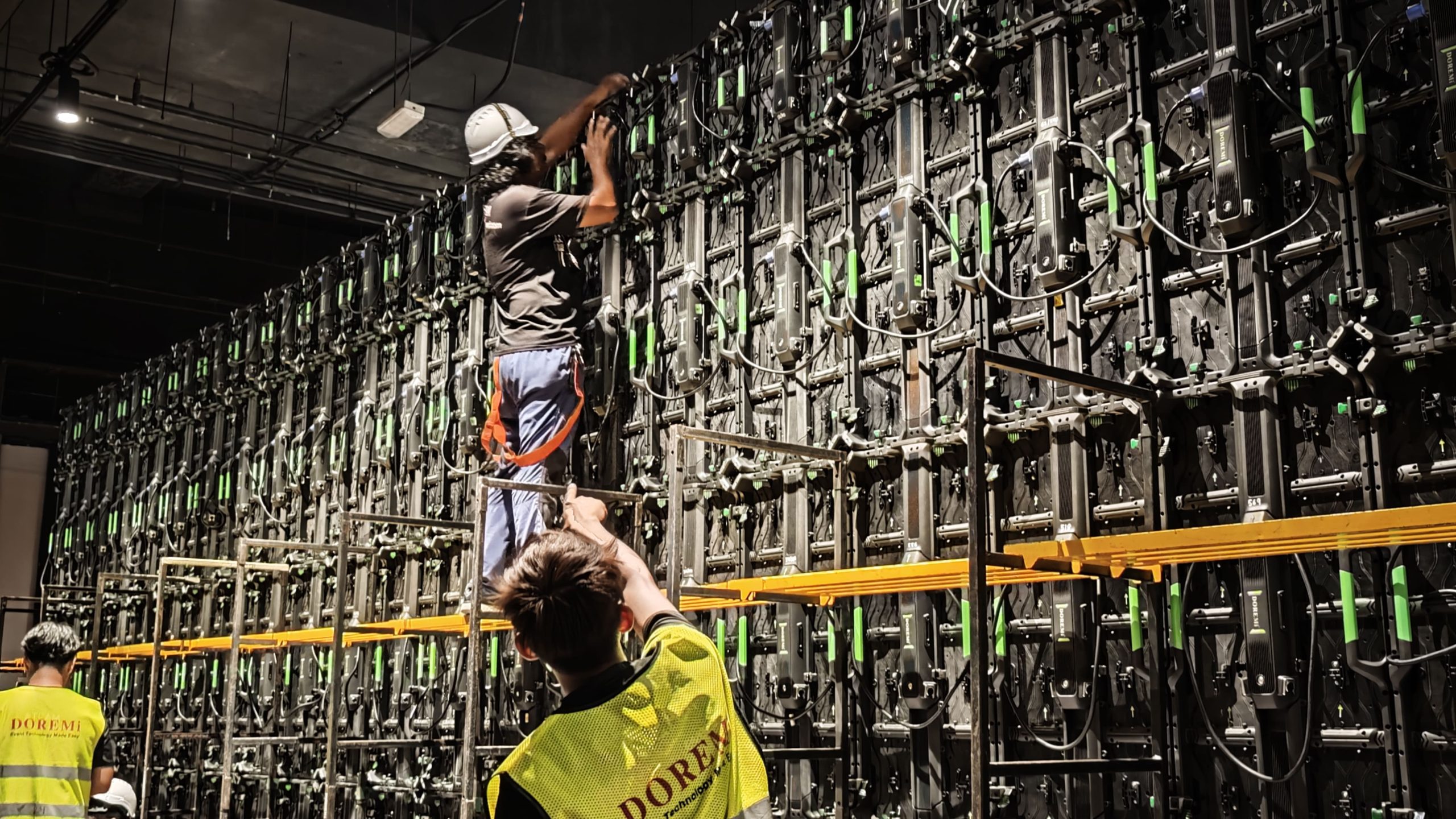
The finished structure is not the only condition that matters. During installation, the tower may temporarily exist in different configurations.
For example:
- the tower may be partially assembled
- some ballast may not yet be installed
- the LED panels may not all be in place
- lifting operations may be taking place
- temporary supports may be in use
- equipment may be attached in stages
Those conditions can have different structural behaviour. This is why competent erection and dismantling procedures are an important part of temporary-structure safety. The Purple Guide also emphasises planning and appropriate supervision during installation and dismantling.
A structure is not automatically safe simply because the final design is safe. The way you get to the final configuration matters too.
Weather Monitoring During the Event
Once the LED tower is installed and inspected, the work is not completely finished. Outdoor events are dynamic. Weather changes.
Wind conditions can increase during the day. For that reason, professional productions should establish a weather-monitoring process before the event begins.
This can include:
Anemometer monitoring
A suitable device provides actual wind-speed measurements rather than relying on someone saying, “It feels quite windy.”
Defined thresholds
The production team should know what action is required at different wind levels.
A responsible decision-maker
Someone needs clear authority to pause operations, lower equipment, evacuate an area or take other action where required.
A communication procedure
The crew needs to know how weather warnings are passed through the team.
A documented emergency plan
People should not be inventing a response while standing underneath the structure.
The Purple Guide recommends monitoring wind with an anemometer and acting according to the conditions and applicable structural wind rating.
What Event Organisers Should Actually Ask
Most event organisers do not need to perform structural calculations themselves. But they should know what questions to ask their production and engineering teams.
1. Has the complete structure been assessed?
The important word here is complete.
The assessment should relate to the actual LED screen, tower, frame, ballast, anchoring and accessories being installed.
2. What design standard is being used?
Ask which structural or wind-loading standard is applicable to the project.
For Malaysia, MS 1553 is one important reference within its stated scope. (Department of Standards Malaysia)
3. What is the maximum allowable wind speed?
This should be clearly documented for the actual structure and configuration.
4. How is it secured?
Ask whether the system uses ballast, anchors, foundations, guying or another engineered method.
5. Has the actual site been considered?
The ground, surrounding buildings, open exposure and installation location should all be relevant to the assessment.
6. How will wind be monitored?
For an outdoor event, this is an important operational question.
7. Who can stop the operation?
Everyone should know the answer before the weather becomes a problem.
8. What happens if the weather changes?
There should be a practical and rehearsed response rather than a last-minute group discussion.
What a Proper Wind-Load Assessment Is Really Looking At
A professional assessment can involve far more than one calculation.
The engineer may need to consider:
- Wind speed
How strong is the design wind condition?
- Exposure
How exposed is the structure at its actual location?
- Geometry
How tall, wide and deep is the installation?
- Shape
How does the wind interact with the surfaces and structural members?
- Height
How high above the ground is the exposed area?
- Structural capacity
Can the tower, frame and connections resist the resulting forces?
- Overturning
Can the base resist the tendency of the structure to rotate?
- Sliding
Can horizontal forces cause the structure to move across the ground?
- Uplift
Can parts of the structure experience forces trying to lift them?
- Dynamic behaviour
Does the structure’s flexibility or natural frequency require additional analysis?
- Ground conditions
Can the site support the required reactions?
- Operational limits
What conditions require action during the event?
This is why structural engineering cannot be reduced to a single magic number.
Why “It Has Worked Before” Is Not an Engineering Calculation
This happens surprisingly often in events.
Someone says:
“We used this tower last year and there was no problem.”
That is useful history.
It is not proof that the current installation is safe.
The current event may have:
- a different screen size
- a different tower height
- different branding
- different ballast
- a different ground surface
- a different location
- different surrounding buildings
- different weather exposure
- different equipment
- different operating requirements
A temporary structure should be assessed for the configuration actually being used. Previous success is not a substitute for current engineering.
Why Good Event Engineering Is Mostly Invisible
Nobody arrives at a concert and says:
“Wow, beautiful overturning-moment resistance.”
They notice the LED wall. They notice the visuals. They notice the sponsor graphics. They notice the performer.
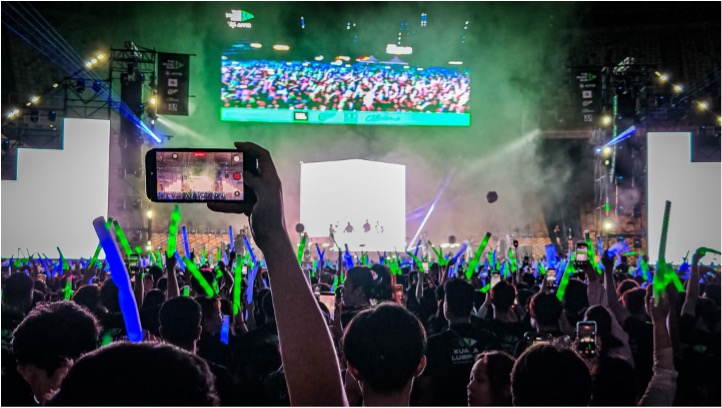
They record the screen on their phone. They probably do not think about the tower underneath it, the ballast arrangement behind it, the site conditions or the wind limits being monitored by the production team. And honestly, that is the point. The best event infrastructure is usually the infrastructure the audience never has to think about. It simply works.
Before the LED Wall Goes Up, Think About the Wind
Outdoor LED towers bring together two things audiences rarely connect:
technology and structural engineering.
We think of LED displays as visual technology. We think of towers and ballast as construction equipment. In reality, they are part of one integrated temporary structure. The screen creates the visual impact. The tower creates the height. The support system keeps the structure stable.
The engineering connects all of it. And wind is the variable that can turn a perfectly calm installation into a genuine structural challenge. For event organisers, the most important lesson is not to memorise equations. It is to understand that wind load depends on the complete installation.
The size of the LED screen matters.
The height matters.
The structure matters.
The ground matters.
The wind matters.
And the way everything is connected matters. So before an outdoor LED wall becomes the centrepiece of a festival, concert, sporting event or corporate activation, ask the questions before the first panel goes up. Because the best time to discover that your structure needs more engineering is before the weather arrives, not after.
DOREMi Events: Where the Technology Meets the Planning
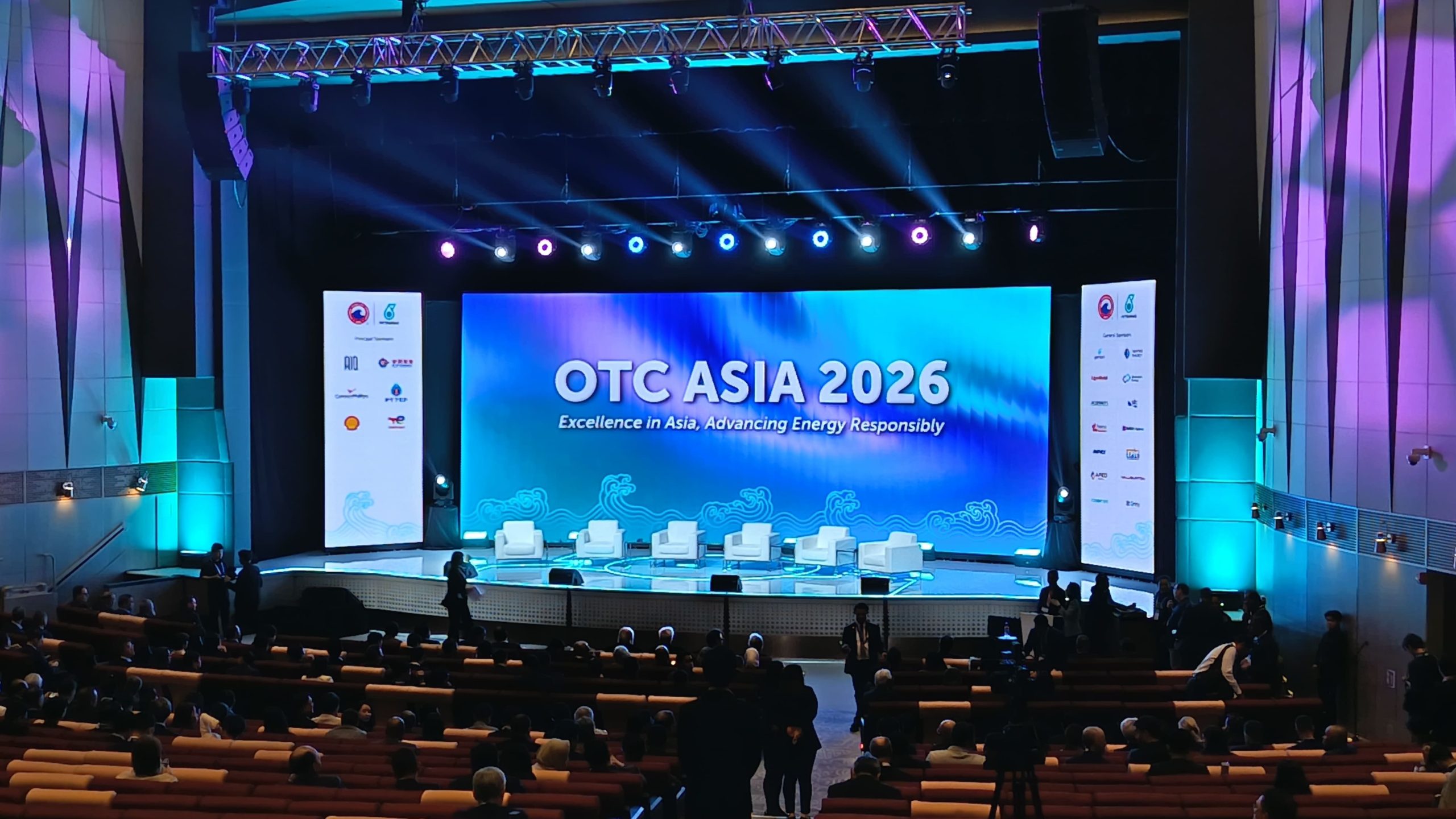
At DOREMi Events, the audience may see the LED screen, the visuals and the production.
Behind that finished experience is a much less glamorous but equally important layer of work: choosing the right equipment, understanding the venue, planning the installation and making sure technical requirements are considered before the event gets underway.
For outdoor productions, that includes understanding the requirements of large LED displays, temporary structures, power, weather conditions and the wider technical environment. Because a great event is not just about making the screen look impressive. It is about making sure everything behind that screen has been thought through too.
And when the wind shows up uninvited?
It is much better to already have a plan.
Practical Outdoor LED Tower Checklist
Before approving an outdoor LED tower, event organisers can use this as a starting point:
Structure
- Confirm the exact screen dimensions.
- Confirm the total installed weight.
- Confirm the tower or support-frame specification.
- Confirm the maximum structure height.
- Confirm all mounted equipment and accessories.
Wind
- Identify the applicable wind-loading standard.
- Confirm the design wind conditions.
- Confirm the permitted operational wind speed.
- Consider relevant wind directions and site exposure.
Base
- Confirm ballast, anchors or foundation requirements.
- Confirm the actual ground condition.
- Do not relocate ballast without approval.
- Confirm the complete load path from screen to ground.
Installation
- Use competent installation personnel.
- Follow the manufacturer’s and engineer’s requirements.
- Inspect the completed structure.
- Document the handover before use.
Weather
- Use suitable wind monitoring.
- Establish clear action thresholds.
- Nominate who can stop operations.
- Have a documented response plan.
Changes
- Do not add large banners without checking the structural implications.
- Do not add equipment or coverings without approval.
- Do not assume a change is harmless because it looks cosmetic.
Need a Safe and Reliable LED Wall Installation for Your Event?
From detailed load calculations and structural planning to professional rigging and installation, our engineering team ensures every LED wall is designed for safety, stability, and exceptional performance across conferences, exhibitions, concerts, and large-scale productions.