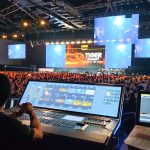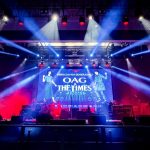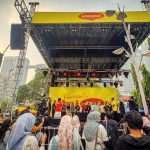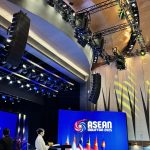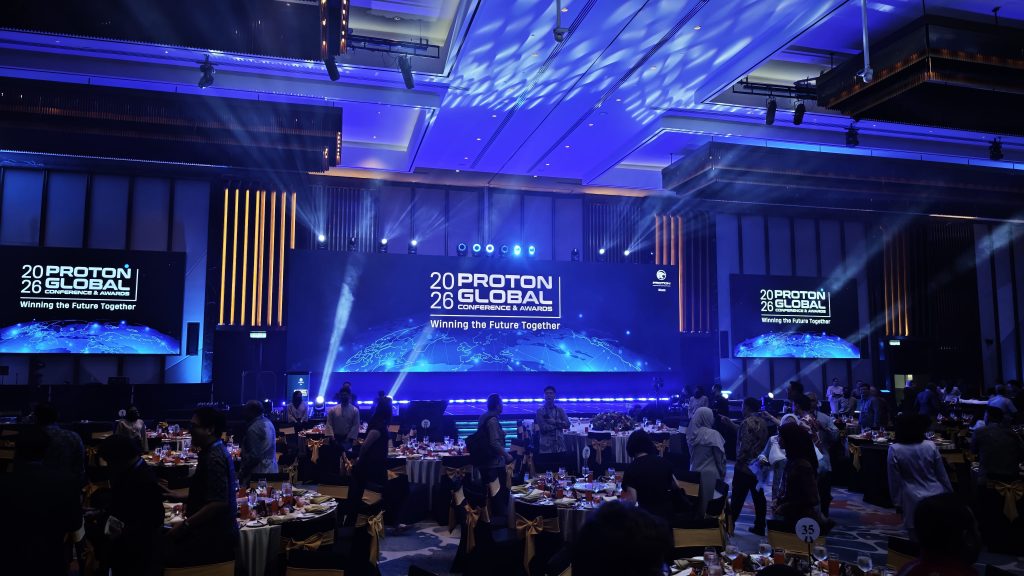
Imagine watching the countdown to a major product launch. The CEO appears on stage in Kuala Lumpur. At the exact same moment, audiences in Penang, Johor Bahru, Kota Kinabalu, and several other locations see the same presentation unfold on massive LED screens.
The countdown reaches zero. The product reveal video starts. The music hits. The visuals explode across every screen. And everything happens simultaneously. No lag. No delay. No awkward pauses. Just one seamless experience.
This is the power of zero-latency video synchronisation. In today’s events industry, audiences expect more than just great content they expect flawless delivery. Whether it’s a multinational product launch, hybrid conference, awards ceremony, live concert, esports tournament, government event, or corporate town hall, synchronised video has become a critical component of modern event production.
What Is Zero-Latency Video?
Zero-latency video refers to video transmission and playback systems designed to deliver content with delays so minimal that audiences perceive all screens and displays as operating simultaneously. In practical terms, this means LED walls display the same content at the same moment, multiple venues receive synchronised video feeds, live camera sources appear in real time, presentations remain perfectly aligned with audio, and remote audiences experience the event together.
While no digital system is technically “zero milliseconds,” modern professional AV systems can reduce latency to levels that are virtually undetectable by audiences creating the illusion of instant communication and synchronised experiences.
Why Video Synchronisation Matters More Than Ever
Modern events rarely happen in a single room anymore. Today’s productions often involve multiple event halls, parallel conference sessions, satellite venues, hybrid audiences, live streaming platforms, LED walls across large exhibition spaces, and simultaneous product launches.
Imagine if a keynote speaker appears on stage while the LED wall behind them displays the presentation two seconds later or if audiences in different locations receive the launch announcement at different times. These inconsistencies can negatively affect audience engagement, brand perception, professionalism, event flow, and production quality. In high-profile events, even a small delay can become highly noticeable.
The Rise of 4K Content in Live Events
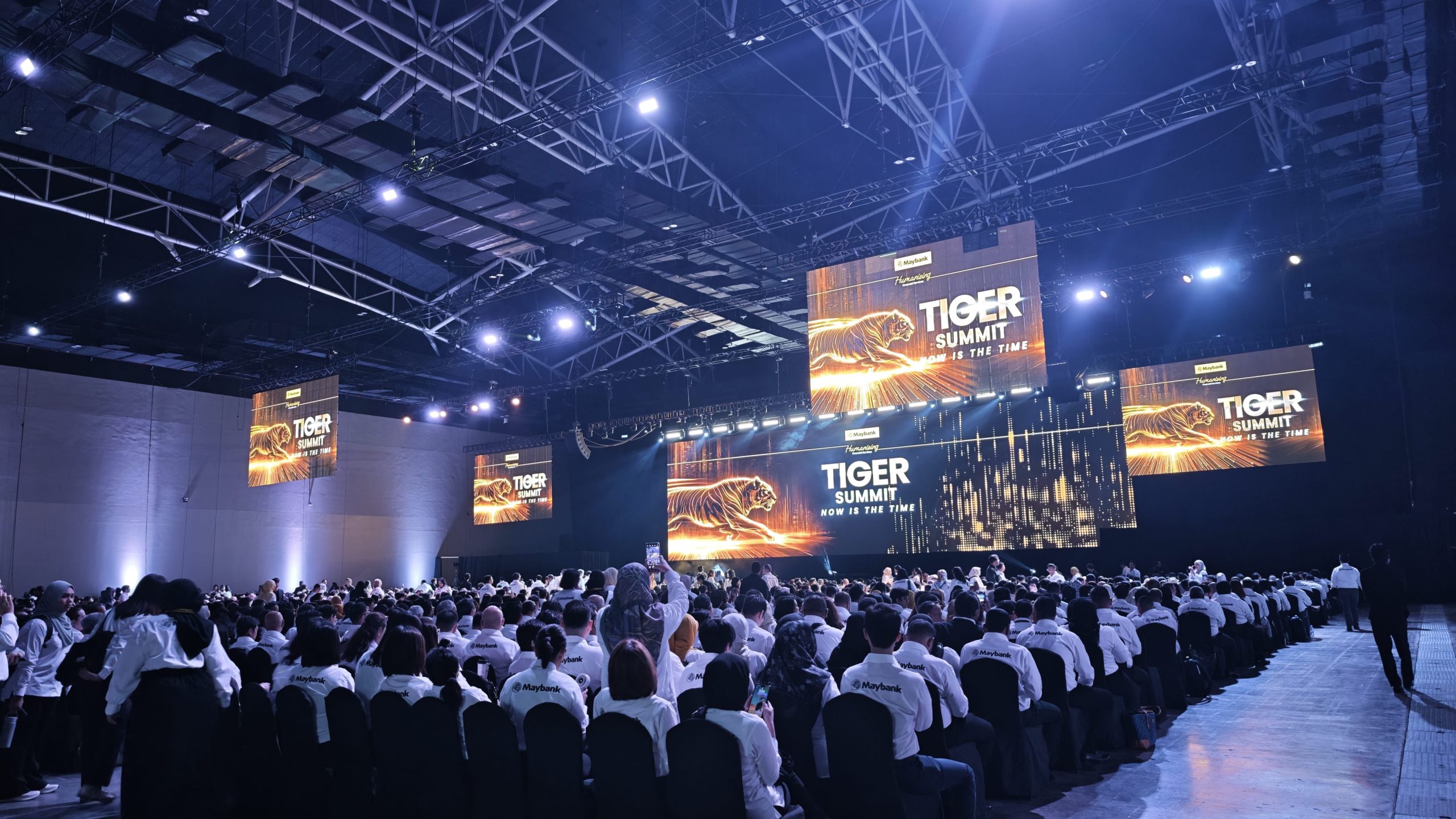
Over the last decade, 4K video has become the new standard for premium event experiences. Compared to Full HD, 4K provides four times the resolution, sharper visuals, better detail, improved image quality on large LED screens, and enhanced audience immersion especially important for corporate launches, luxury brand activations, trade exhibitions, award ceremonies, concert visuals, and product showcases.
However, higher resolutions also create new technical challenges. More pixels mean larger files, higher bandwidth requirements, increased processing demands, and greater synchronisation complexity which is why professional video infrastructure is critical.
The Biggest Challenges of Multi-Venue Video Synchronisation
1. Network Delays
Every digital signal experiences some form of transmission delay influenced by distance, network traffic, routing paths, and equipment processing time. Without proper synchronisation systems, these delays accumulate and create noticeable differences between locations.
2. Different Display Technologies
Not all screens process video at the same speed. A large LED wall may process content differently compared to projection systems, LCD displays, video walls, and broadcast monitors. Professional engineers must compensate for these differences to maintain synchronisation.
3. Audio-Video Alignment
One of the most common audience complaints occurs when audio and visuals are not aligned. People are surprisingly sensitive to lip-sync errors — even delays of just a few frames can become noticeable. Modern event systems carefully synchronise microphones, video playback, live cameras, streaming feeds, and LED processors to ensure everything remains perfectly aligned.
4. Scaling Across Large Venues
Large exhibitions and festivals often deploy multiple LED displays across extensive spaces. Without proper timing systems, screens may drift out of sync throughout the event particularly problematic during product launches, countdown sequences, brand reveals, and live performances.
The Technology Behind Synchronised 4K Playback
Achieving synchronised video across multiple venues involves a combination of hardware, software, and network infrastructure.
Professional Media Servers
Media servers act as the central hub for video playback, designed to store high-resolution content, manage multiple outputs, trigger synchronised playback, and handle complex visual sequences. Because all content originates from a centralised system, synchronisation becomes easier to control widely used in concerts, broadcast productions, corporate events, and immersive experiences.
Timecode Systems
Timecode acts as a universal clock shared by all equipment allowing cameras, audio consoles, media servers, lighting systems, and playback devices to operate according to the same timeline. When every device follows the same clock, synchronisation becomes significantly more accurate.
Genlock Technology
Genlock synchronises video devices using a common reference signal, preventing frame drifting, video tearing, and timing inconsistencies. Widely used in television broadcasts, live productions, virtual productions, and large-scale events, it is one of the key technologies enabling synchronised multi-screen experiences.
Fiber Optic Networks
For large-scale deployments, fiber optic infrastructure often becomes essential. With extremely high bandwidth, long-distance transmission, low signal loss, and minimal latency, fiber networks allow production teams to distribute 4K content across large venues while maintaining both quality and synchronisation.
Why Low Latency Is Critical During Live Events
Recorded content can tolerate minor delays. Live events cannot. Here’s how synchronisation directly affects each major event type:
| Event Type | Why Latency Matters |
|---|---|
| Product Launches | A delayed reveal reduces impact and weakens audience excitement at the most critical moment |
| Corporate Town Halls | Employees expect to see and hear leadership in real time delays undermine credibility |
| Award Ceremonies | Timing is crucial for presentations, announcements, and winner reveals a misaligned moment breaks the atmosphere |
| Concerts | Visual effects must align perfectly with music and performance cues even frames of delay are felt by audiences |
| Sports Events | Fans expect real-time action noticeable lag disrupts engagement and crowd atmosphere |
Hybrid Events Have Raised the Stakes
The growth of hybrid events has transformed expectations. Today, audiences may participate through physical venues, online platforms, live streams, and mobile devices all expecting a consistent experience. This means event teams must synchronise live presentations, video playback, audio feeds, graphics, and remote speakers across multiple environments simultaneously. Hybrid events have effectively expanded the definition of event production beyond the venue itself.
Why Testing Matters More Than Equipment
Many people assume technology alone guarantees success. In reality, successful synchronisation depends heavily on preparation. Professional teams typically conduct:
- Content Verification — ensuring all files are optimised for playback in the correct resolution, codec, and format.
- Network Testing — evaluating bandwidth and transmission stability across all venue connections before the event.
- Latency Measurements — identifying and correcting delays before audiences arrive.
- Full Technical Rehearsals — testing complete show sequences under live conditions to catch timing issues in context.
- Backup Planning — preparing contingency systems in case of equipment failures during the live event.
Common Mistakes Event Organisers Should Avoid
- Assuming consumer equipment is sufficient — professional events require professional infrastructure; consumer-grade systems often struggle with multiple outputs, long-distance transmission, and synchronisation requirements.
- Ignoring network requirements — high-resolution video demands substantial bandwidth, and poor network planning often causes delays and instability.
- Last-minute content changes — late revisions increase the risk of synchronisation issues and leave no time for proper testing.
- Underestimating technical complexity — multi-venue productions require coordination across numerous systems; professional planning significantly reduces risk.
The Future of Multi-Venue Event Experiences
The future of event production is increasingly interconnected. Several emerging technologies will shape how synchronised video evolves:
IP-Based Video Distribution
Cloud-Based Production
AI-Assisted Monitoring
8K Display Standards
Extended Reality (XR)
Interactive Audience Participation
IP-based video distribution will allow more flexible content delivery across venues. Cloud-based production will enable centralised management of distributed events. AI-assisted monitoring will provide real-time performance analysis and troubleshooting. And as 8K displays become more common and immersive XR experiences emerge, synchronisation requirements will become even more demanding placing greater importance on robust, well-engineered video infrastructure.
Bringing Every Audience Together, No Matter the Location
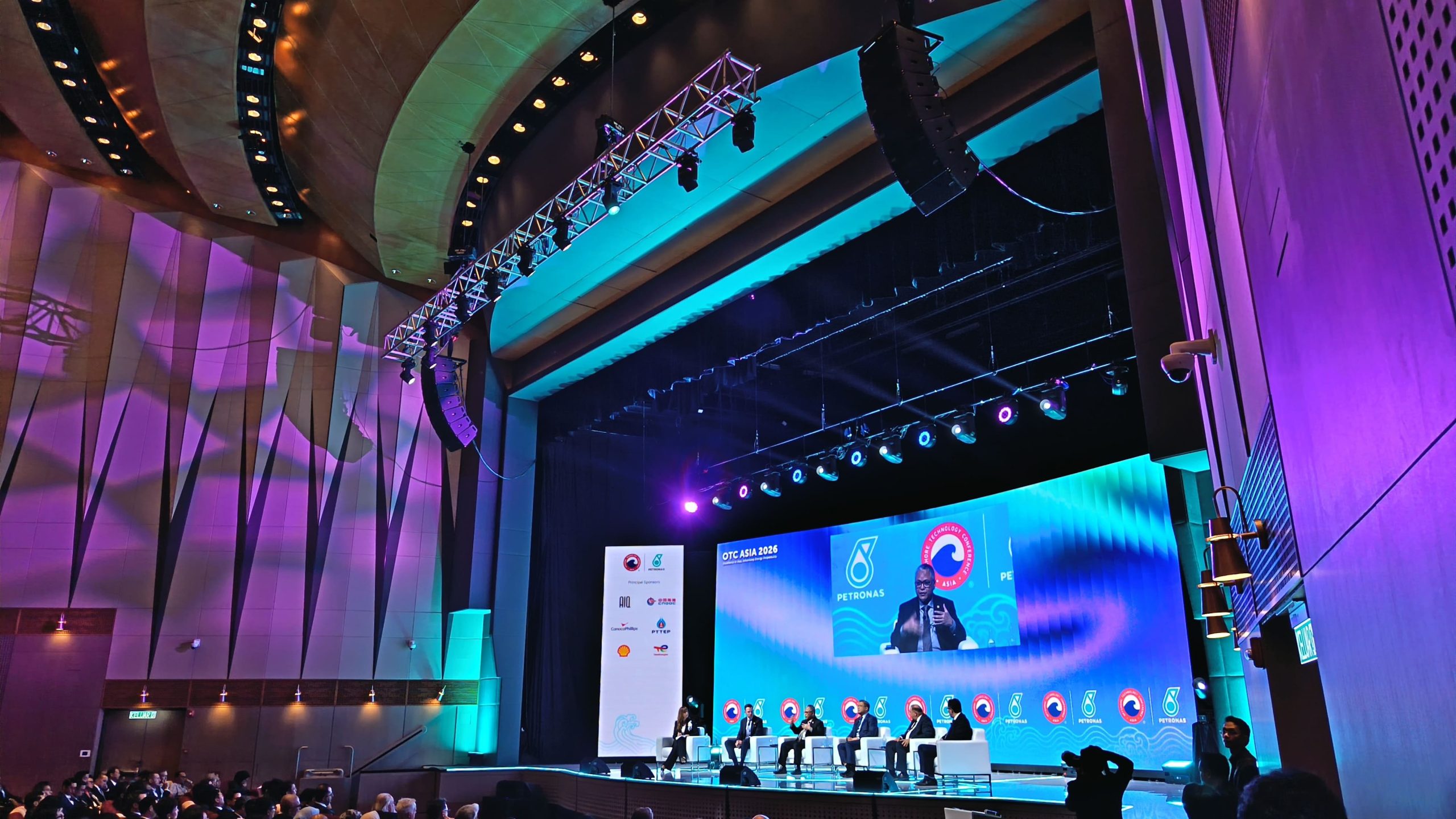
The most successful events create a sense of shared experience. Whether attendees are standing in front of an LED wall at an exhibition, watching a keynote in a conference hall, participating in a product launch, or joining remotely from another city they should feel like they are experiencing the same moment together.
That level of seamless execution does not happen by accident. It requires careful planning, robust infrastructure, advanced synchronisation technologies, and experienced technical teams capable of managing complex video ecosystems. As event expectations continue to rise, zero-latency video and synchronised 4K content have become essential tools for delivering professional, immersive, and memorable experiences across multiple venues.
From large-scale exhibitions and product launches to public activations and major corporate events, successful event production increasingly depends on the ability to connect audiences through perfectly synchronised visual experiences. Having supported large public activations, exhibitions, roadshows, launches, and major event productions across Malaysia, professional event production teams understand that every second matters when thousands of people are watching the same moment unfold.
Planning a Multi-Venue or Large-Scale Event?
Our technical team specialises in synchronised 4K video distribution, multi-venue production infrastructure, fiber signal workflows, and full AV integration delivering seamless experiences across every screen, in every location.