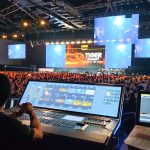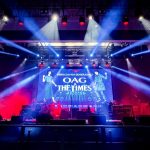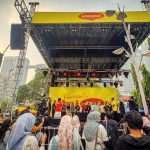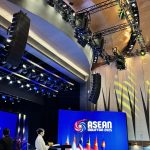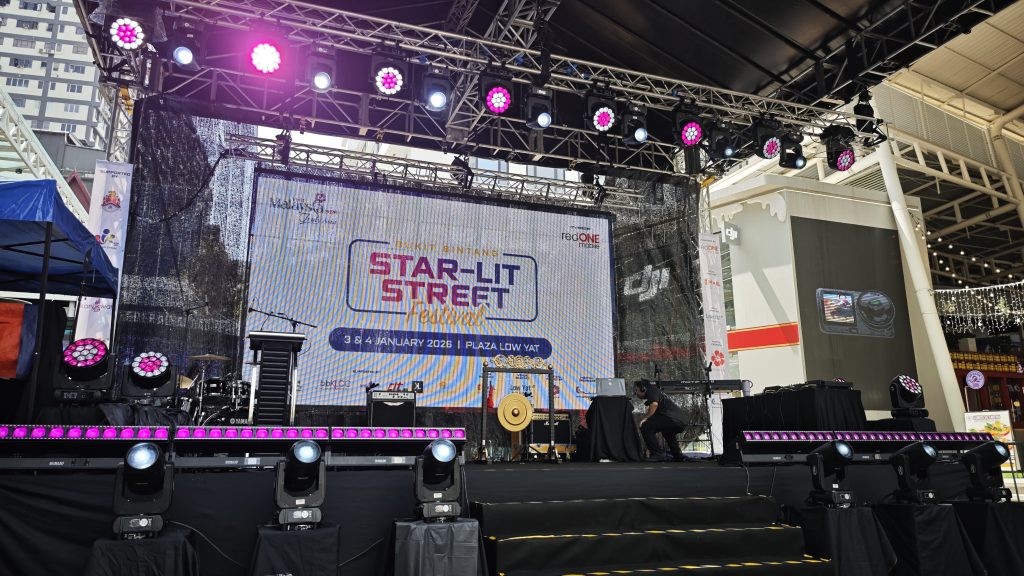
Ever been at a concert or big outdoor event and looked up for a split second? All those flashing lights. Giant LED screens. Speakers the size of a car. Everything hanging right above the crowd.
Now here’s the part most people never think about: that entire setup is often weighing tons suspended in the air. And it’s not just “hung up” randomly. It’s all held together by one critical system truss engineering.
One wrong calculation in load-bearing, and you’re not just looking at equipment damage you’re looking at a full event shutdown or worse, a serious safety risk. That’s why in professional live events, truss design and load calculations aren’t optional. They’re the difference between a smooth show and a disaster waiting to happen.
What Is Event Trussing?
Event trussing refers to modular structural frameworks used to support production equipment during events. These systems are commonly used to suspend moving head lighting fixtures, LED screens, audio line arrays, projection equipment, branding elements, decorative features, special effects equipment, cameras, and follow spots.
Modern event trusses are typically constructed from lightweight yet durable aluminium alloys that provide excellent strength while remaining practical for transportation and installation. Because trusses are modular, they can be configured into countless designs including ground-supported structures, roof systems, exhibition booths, goalpost trusses, circular trusses, box trusses, arch trusses, and custom scenic structures making them a fundamental component of modern event production.
Why Load-Bearing Calculations Matter
One of the biggest misconceptions in the events industry is that if a truss “looks strong,” it is safe. In reality, structural safety depends on precise engineering calculations. Every item suspended from a truss contributes weight:
| Equipment Type | Approximate Weight |
|---|---|
| Moving light fixture | 25–40 kg per unit |
| LED panel | 7–15 kg per panel |
| Line array speaker cabinet | 30–100 kg per cabinet |
| Motor hoist | 20–60 kg per unit |
| Cabling | Often underestimated — hundreds of metres add significant cumulative weight |
When dozens or hundreds of these components are combined, the total load can quickly reach several tonnes. Without proper calculations, structural failure becomes a genuine risk.
Understanding Load Types in Event Engineering
Professional truss design involves more than simply adding up equipment weights. Engineers evaluate several types of loads:
Dead Loads
Permanent weight applied to the structure lighting fixtures, speakers, LED screens, rigging hardware, and truss components themselves. These loads remain relatively constant throughout the event.
Live Loads
Temporary or changing loads such as technicians climbing structures, maintenance access, and temporary equipment additions. These loads fluctuate over time and must be factored into the overall structural design.
Dynamic Loads
Forces created when equipment moves motorised hoists lifting equipment, moving LED elements, kinetic stage effects, and motion-based scenic components. Dynamic loads can create forces significantly higher than static weights and require special engineering consideration.
Environmental Loads
Outdoor events must account for wind pressure, rain accumulation, temperature fluctuations, and storm conditions. For large outdoor structures, environmental loads often become one of the most significant design considerations.
The Hidden Weight of Modern Lighting Rigs
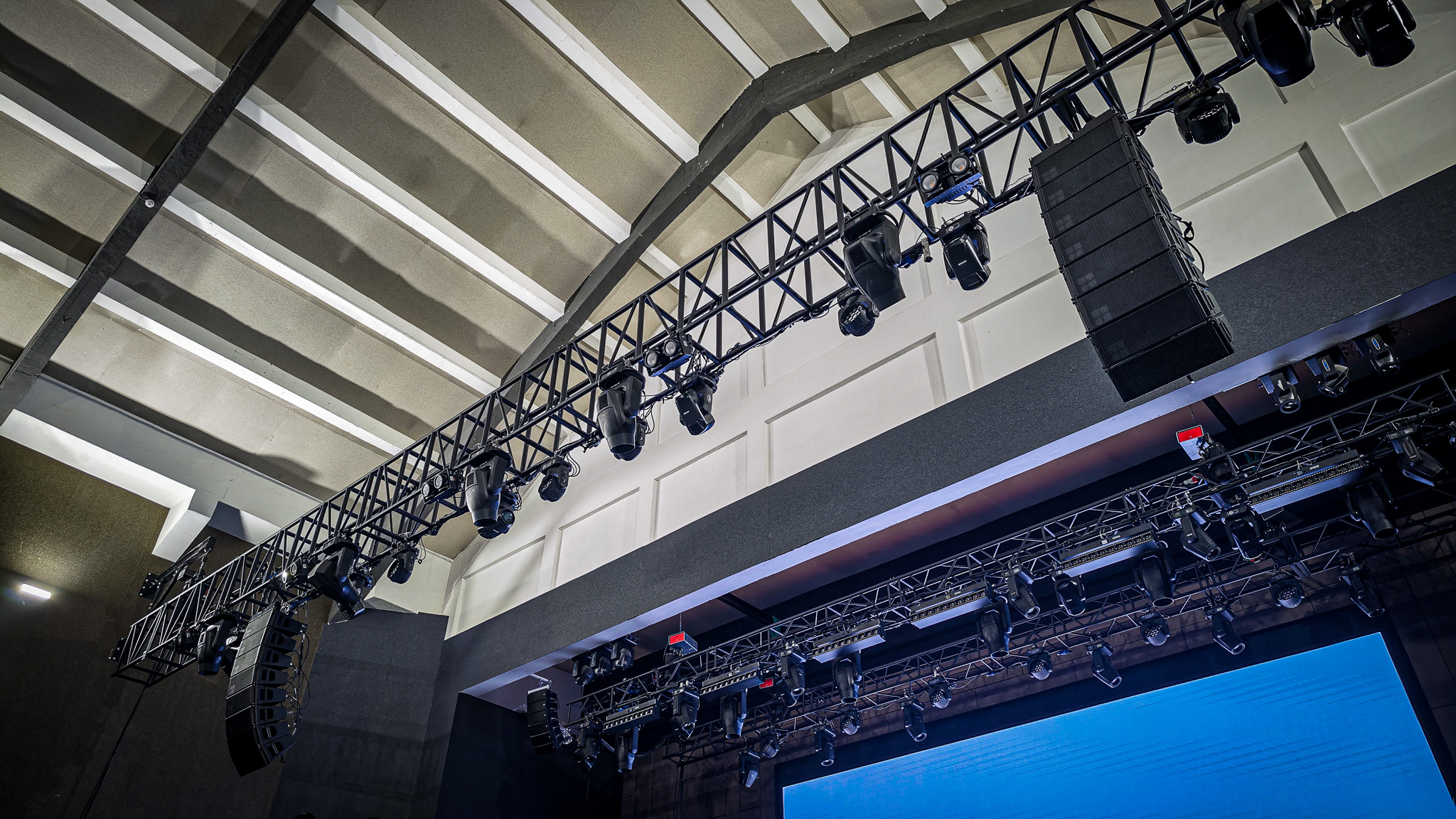
Lighting technology has evolved dramatically over the past decade. Today’s productions commonly feature moving head fixtures, wash lights, beam lights, profile fixtures, follow spots, LED battens, and strobe systems. While modern fixtures are more efficient, they are not necessarily lighter a single professional moving-head fixture can weigh over 30 kilograms.
Now imagine 40 moving lights, 20 wash fixtures, 12 strobes, plus cabling, clamps, and power distribution suddenly, the lighting rig alone may exceed one tonne. This is why load calculations cannot be estimated or guessed.
How Truss Engineers Calculate Load Capacity
Professional rigging teams rely on detailed calculations and manufacturer specifications. Several key factors influence load capacity:
Span Length
The longer a truss span becomes, the lower its load capacity. A 6-metre span may safely support a certain load, while a 12-metre span using the same truss may support significantly less because longer spans experience greater bending forces.
Load Distribution
Where equipment is placed matters just as much as total weight. Concentrating heavy equipment in one area creates higher stress compared to distributing loads evenly. Engineers analyse point loads, uniform loads, centre loads, and distributed loads to determine safe configurations.
Support Locations
The positioning of towers, motors, and support points directly affects structural performance. Poor support placement can dramatically reduce load capacity and create dangerous stress concentrations.
Safety Factors
Professional engineering always includes safety margins. Rather than operating at maximum capacity, systems are designed with additional allowances to account for uncertainties and unexpected conditions.
Why Rigging Hardware and Chain Hoists Matter
Many people focus solely on the truss itself. However, every component in the rigging chain matters including shackles, steel wire ropes, chain hoists, clamps, couplers, motors, and suspension points. A truss is only as safe as its weakest component. Even if the truss itself can support substantial loads, improperly rated hardware may create significant risks. This is why professional rigging teams carefully inspect and certify every element within the system.
Chain hoists are essential for modern event production, enabling crews to lift trusses, position lighting rigs, suspend LED walls, and raise speaker arrays. Each hoist must be selected according to load requirements, lift height, duty cycle, and safety specifications as incorrect hoist selection can compromise an entire rigging system.
Why Wind Is a Major Concern for Outdoor Events
Outdoor productions face challenges that indoor venues do not. Wind is often the most significant factor. Large surfaces such as LED screens, stage roofs, banners, and scenic backdrops can act like sails and as wind speed increases, forces on structures rise dramatically. This is why outdoor event engineering often involves wind monitoring systems, structural calculations, emergency procedures, and weather contingency plans, with professional teams continuously monitoring conditions throughout the event.
Common Truss Safety Mistakes
- Assuming bigger means stronger — not all trusses are created equal; different designs have different load capacities regardless of physical size.
- Ignoring manufacturer specifications — every truss system has documented limits; exceeding those limits creates unnecessary and preventable risk.
- Poor weight distribution — uneven loading introduces dangerous stress concentrations that can exceed safe operating limits locally even when total weight appears acceptable.
- Underestimating cabling weight — large productions may contain hundreds of metres of cable whose cumulative weight must be included in calculations.
- Last-minute equipment additions — adding fixtures during setup without recalculating loads is one of the most common and dangerous mistakes in event production.
Why Engineering Documentation Is Essential
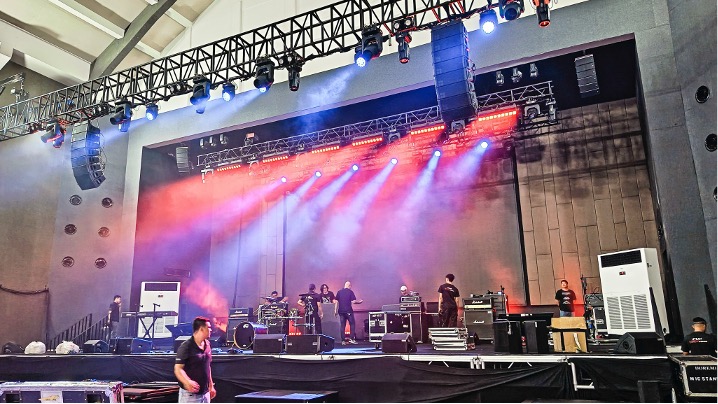
Professional productions increasingly require documentation including load calculations, rigging plots, structural drawings, equipment specifications, and risk assessments. Such documentation improves safety, compliance, planning efficiency, and communication between teams. Many venues now require engineering submissions before approving installations making proper documentation not just best practice, but a prerequisite for event delivery.
Technology Is Changing Event Rigging
Modern rigging has become increasingly sophisticated. Today’s engineers use advanced software to model structures before installation enabling 3D visualisation, load simulations, improved accuracy, and enhanced safety by identifying potential risks during pre-production rather than on-site. These tools have become increasingly important as productions grow larger and more complex.
3D Structure Visualisation
Load Simulations
Pre-Production Risk Analysis
AI-Assisted Structural Modelling
Lightweight Sustainable Materials
Truss Engineering for Different Event Types
| Event Type | Typical Truss Requirements |
|---|---|
| Concerts | Lighting rigs, audio line arrays, LED walls, special effects equipment |
| Corporate Events | Branding structures, presentation screens, lighting systems |
| Exhibitions | Booth structures, hanging signage, product displays |
| Festivals | Main and secondary stages, public address systems, large-format displays |
| Sporting Events | Broadcast infrastructure, timing systems, audience displays, lighting systems |
Building Extraordinary Events Starts with Strong Foundations
The spectacular lighting, massive LED screens, and immersive experiences that define modern events are only possible because of the engineering systems supporting them. Behind every successful stage lies a carefully designed network of trusses, rigging hardware, load calculations, and safety procedures working together to support complex production environments.
Professional rigging is not simply about hanging equipment it is about protecting audiences, performers, staff, brands, and the event itself. The most successful productions invest in proper engineering because they understand that safety and performance go hand in hand.
Having supported major exhibitions, product launches, concerts, public activations, and large-scale productions across Malaysia including MATTA Fair, SEMICON at MITEC, DSA at MITEC, Selangor Aviation Show, Music Run, Xiaomi Pop Run, Yamaha MotoGP activations, and various nationwide roadshows experienced event production teams understand that extraordinary event experiences begin long before the lights switch on. They begin with the structures that make everything possible.
Planning a Large-Scale Event or Stage Production?
Our production team specialises in professional truss engineering, rigging design, load calculations, and full structural setup ensuring every rig above your audience is safe, compliant, and built to perform.