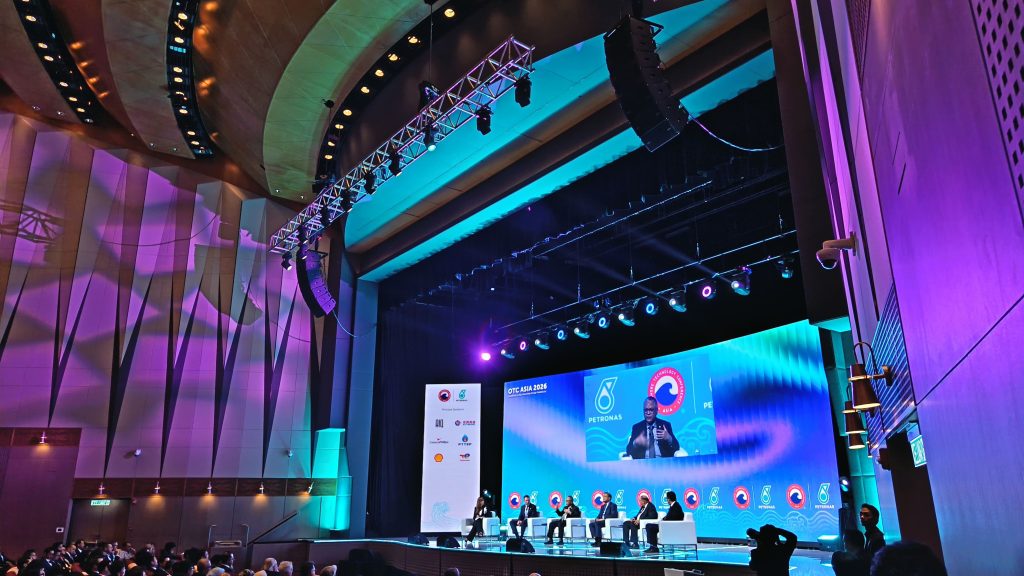
In modern event production, LED walls have evolved far beyond the traditional rectangular display screen. Today’s brands are no longer satisfied with standard 16:9 presentation formats or conventional stage backdrops. In an increasingly competitive event landscape where audience attention spans are shorter and visual impact matters more than ever, brands are pushing creative boundaries through custom-shaped modular LED walls designed specifically for immersive storytelling and audience engagement.
From ultra-wide panoramic displays and curved installations to suspended LED cubes, ribbon screens, asymmetrical layouts, vertical towers, and unconventional geometric structures, modular LED technology is redefining how brands communicate visually during live events. Whether it is a product launch, luxury gala, music festival, trade exhibition, automotive showcase, fashion event, esports tournament, or corporate conference, non-standard LED screen ratios are becoming one of the strongest visual tools for creating memorable brand experiences.
The Shift Away from Traditional LED Formats
For many years, most event LED screens followed standard video aspect ratios such as 16:9, 4:3, and 21:9 largely influenced by television broadcasting, cinema projection, presentation software, and conventional video playback systems. However, live events have evolved dramatically. Modern audiences now expect immersive environments, social media-worthy visuals, interactive experiences, brand-centric storytelling, and dynamic stage environments.
As a result, brands increasingly demand custom LED configurations that align more closely with stage architecture, brand identity, creative themes, venue dimensions, and audience flow.
What Are Modular LED Walls?
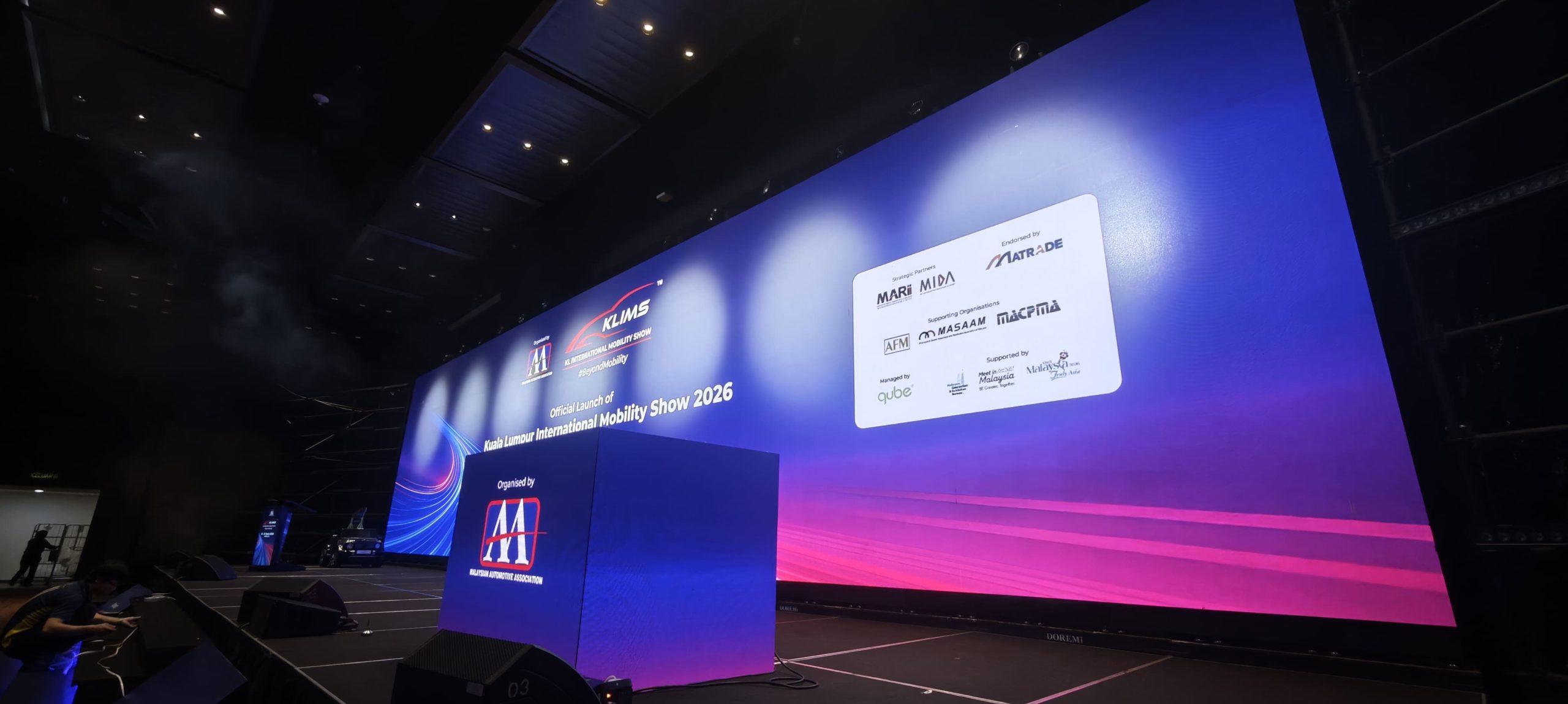
Modular LED walls are display systems built using smaller LED panels that connect together seamlessly. Unlike traditional fixed displays, modular systems allow production teams to create ultra-wide canvases, vertical screens, curved displays, circular structures, layered installations, irregular shapes, and multi-dimensional stage designs. Each panel functions as part of a larger synchronised video surface.
Because the panels are modular, designers gain tremendous flexibility in screen size, aspect ratio, resolution, curvature, and layout configuration one of the biggest reasons modular LED technology dominates modern event production.
Why Brands Are Choosing Non-Standard Screen Ratios
Brands today compete heavily for audience attention, especially during product launches, trade shows, corporate conventions, music events, and experiential marketing campaigns. A traditional rectangular screen often looks generic. Custom LED formats, however, instantly create visual differentiation, stronger branding, higher audience immersion, better stage identity, and more memorable event visuals.
For example: automotive launches may use ultra-wide cinematic screens to emphasise motion visuals; fashion shows may use tall vertical LED columns for runway enhancement; tech brands may use fragmented geometric displays for futuristic aesthetics; and music festivals may integrate curved LED environments for immersive audience engagement. The screen itself becomes part of the storytelling experience.
The Technical Foundation Behind Modular LED Systems
Creating non-standard LED ratios is not simply about assembling panels creatively. Every design requires careful technical coordination involving pixel mapping, resolution calculations, structural engineering, signal distribution, video processing, content adaptation, rigging safety, and power management. Without proper planning, even visually impressive LED structures can suffer from resolution distortion, misaligned visuals, dead zones, latency issues, structural instability, and colour inconsistencies. Professional LED system design ensures both creativity and technical reliability.
Understanding Pixel Pitch
One of the most important technical considerations in LED wall design is pixel pitch the distance between LED pixels, usually measured in millimetres. Common event LED pitches include P1.9, P2.6, P2.9, P3.9, and P4.8.
| Pixel Pitch | Characteristics | Best For |
|---|---|---|
| Smaller Pitch e.g. P1.9 |
Higher resolution, sharper visuals, better close-viewing performance | Luxury indoor launches, corporate galas, broadcast requirements |
| Larger Pitch e.g. P4.8 |
Lower cost, better long-distance viewing, reduced processing demands | Large outdoor venues, distant audience viewing |
The ideal pitch depends on audience viewing distance, venue size, content type, budget, and camera usage.
Content Design Challenges for Custom Ratios
One major misconception is that any video content can simply stretch across a custom LED wall. In reality, non-standard screen ratios require specially designed motion graphics and media assets accounting for unusual resolutions, screen segmentation, curved perspectives, negative spaces, visual balance, and multi-layer compositions.
For example, a panoramic LED wall measuring 12,000 × 2,000 pixels cannot effectively display conventional PowerPoint slides without major redesign. Brands often need custom animations, adaptive motion graphics, resolution-specific rendering, and multi-canvas video outputs which is why event production increasingly involves close collaboration between AV teams, motion graphic designers, content studios, technical directors, and brand agencies. Successful modular LED experiences depend equally on both hardware and content strategy.
Curved LED Walls and Immersive Design
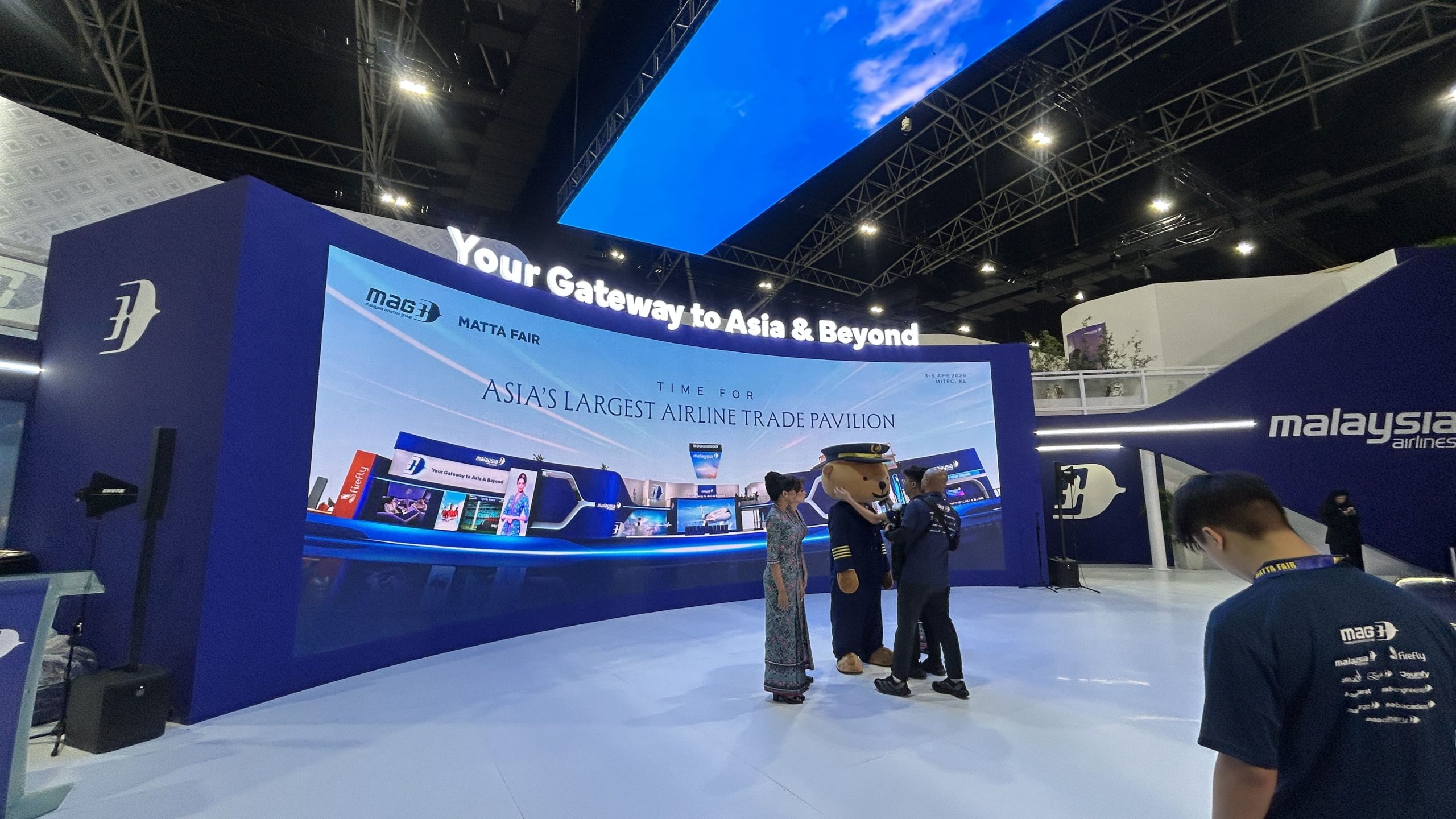
Curved LED structures are becoming increasingly common in product launches, corporate keynotes, immersive exhibitions, music festivals, and experiential installations. Curved designs help expand audience viewing angles, create depth perception, improve stage aesthetics, and increase immersion.
However, curved LED deployment introduces additional engineering complexity including specialised rigging, precision alignment, cabinet angle calibration, content warping, and structural load balancing. Improper curvature setup can cause visible panel gaps, distorted visuals, uneven brightness, and viewing inconsistencies. Professional installation teams carefully calculate curvature tolerances to ensure seamless visual continuity.
LED Mapping and Video Processing
Behind every large modular LED installation is a sophisticated video processing system handling resolution scaling, signal routing, refresh synchronisation, multi-output mapping, HDR management, and frame synchronisation. For non-standard ratios, processors become even more important because content must map accurately onto unconventional screen geometries.
Advanced productions may involve multiple processors, backup signal chains, redundant servers, and real-time switching systems ensuring visuals remain smooth, synchronised, colour accurate, and low latency even across highly complex LED layouts.
Structural and Rigging Considerations
Creative LED designs also create structural engineering challenges. Large suspended LED installations can become extremely heavy. Production teams must calculate weight loads, rigging points, truss capacity, wind resistance, venue limitations, and safety redundancies. For outdoor events especially, weather becomes a major factor wind pressure against large LED surfaces can create dangerous structural stress if not engineered properly.
This is why experienced production companies prioritise certified rigging systems, safety calculations, load testing, and redundant support structures. Safety remains just as important as visual creativity.
Modular LED Walls Across Event Types
LED Walls in Corporate Events
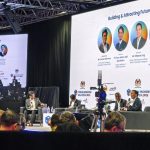
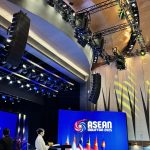
Corporate events increasingly rely on modular LED walls for brand launches, AGM presentations, annual dinners, investor conferences, awards ceremonies, and hybrid summits. Custom screen ratios allow brands to present data creatively, reinforce brand identity, enhance keynote presentations, and create premium visual environments. Events such as the Honor Product Launch demonstrate how modern brand activations increasingly depend on immersive LED staging to strengthen audience engagement and presentation impact, while large-scale productions like the Maybank Annual Dinner and Allianz Annual Dinner highlight the growing role of dynamic LED environments in gala experiences and live entertainment integration.
LED Displays in Exhibitions and Trade Shows
Trade exhibitions are among the biggest adopters of modular LED systems. Exhibitors compete aggressively for audience attention within crowded halls, and custom LED structures help brands stand out visually, attract foot traffic, showcase products dynamically, and create immersive booth environments. Events such as the SEMICON Southeast Asia, DSA Exhibition and Conference, and MATTA Fair reflect how large-scale exhibitions increasingly rely on advanced visual technologies for stronger visitor engagement and experiential branding.
Concerts and Entertainment Productions
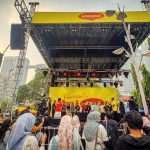
Concert productions often push modular LED creativity to the extreme featuring multi-layer LED environments, transparent LED panels, moving LED structures, floor-integrated LED systems, and kinetic LED elements that combine lighting, video, motion graphics, stage automation, and audio synchronisation. Large public events such as the Carlsberg Music Festival and Music Run showcase how entertainment productions increasingly depend on large-format LED systems for audience immersion and visual storytelling.
The Rise of Vertical LED Formats
One growing trend is the use of vertical LED displays, driven partly by social media aesthetics, mobile-first content, TikTok-style visuals, and portrait-oriented branding. Vertical LED screens are now common in fashion events, lifestyle launches, retail activations, and influencer events reflecting changing audience viewing behaviour influenced heavily by smartphones and digital media culture.
Sustainability and Modular LED Technology
Modern event productions are also becoming more sustainability-conscious. Modular LED systems support sustainability because they are reusable, reconfigurable, scalable, and transport-efficient. Instead of building single-use scenic backdrops, modular systems can adapt across multiple events and venue sizes. Many production companies now prioritise energy-efficient LED panels, lower power consumption, reduced material waste, and reusable staging systems as part of greener event production practices.
Common Mistakes in Custom LED Projects
- Designing without content planning — A visually impressive LED structure means little if content does not fit properly. Content strategy must begin early during stage design.
- Ignoring viewing angles — Poor screen positioning can reduce visibility for side audiences. LED placement should account for audience sightlines carefully.
- Underestimating processing requirements — Large custom LED layouts require powerful processors and signal infrastructure. Insufficient processing leads to lag, visual tearing, and synchronisation problems.
- Overcomplicated designs — Sometimes simpler layouts create stronger visual impact. Excessively fragmented screens may distract audiences instead of enhancing storytelling.
The Future of Modular LED Design
LED technology continues evolving rapidly. As brands continue prioritising audience engagement and visual storytelling, non-standard LED formats will likely become even more creative and ambitious:
Transparent LED Systems
Flexible LED Panels
Interactive Touch-Responsive Displays
XR Virtual Production Stages
AI-Generated Visual Environments
Immersive Spatial Experiences
Future event environments may combine LED ceilings, floor-integrated displays, 360-degree immersive environments, real-time generative content, and augmented reality integration. The boundary between physical stage design and digital environments is becoming increasingly blurred.
From Visual Support to Immersive Storytelling
Modular LED walls have transformed modern event production from simple visual support into immersive brand storytelling environments. Today’s brands are no longer limited to traditional rectangular displays. Instead, they are using custom LED formats, curved structures, panoramic canvases, vertical installations, and unconventional screen ratios to create memorable audience experiences that stand out in highly competitive event spaces.
But behind every stunning LED installation lies extensive technical planning involving content adaptation, video processing, structural engineering, pixel mapping, signal management, and system synchronisation. When executed correctly, modular LED systems do far more than display visuals they shape atmosphere, strengthen branding, improve audience immersion, and redefine how live events are experienced.
For professionally managed LED wall systems, creative stage integration, immersive visual production, and scalable event technology solutions across Malaysia, DOREMi Events continues to support exhibitions, concerts, corporate launches, gala dinners, and large-scale live productions with modern AV and staging expertise.
Ready to Design a Custom LED Experience for Your Brand?
Our team specialises in modular LED wall design, curved and non-standard configurations, content adaptation, and full structural rigging built to make your brand’s stage presence unforgettable.