When planning an LED screen for an event, one of the specifications that often appears in a quotation is pixel pitch.
You may see terms such as P1.5, P1.9, P2.5, P3.9 or P4.8. But what do these numbers actually mean, and how do you know which one is suitable for your event?
Pixel pitch is closely related to LED screen viewing distance. The closer the audience is to the screen, the more important it becomes to select an appropriate pixel pitch. If the pixel pitch is too large for the viewing distance, individual pixels may become noticeable. If it is unnecessarily small, you may end up paying more for image detail that your audience cannot meaningfully appreciate.
This is why choosing the right LED Screen Rental solution is not simply about selecting the smallest pixel pitch available.
The right choice depends on how far the audience will be from the screen, what content will be displayed, how large the screen will be, the venue environment and the overall purpose of the LED display.
What Is Pixel Pitch?
Pixel pitch is the distance, measured in millimetres, between the centres of two neighbouring pixels on an LED display.
For example, a P2.5 LED screen has a pixel pitch of approximately 2.5 millimetres, while a P3.9 screen has a pixel pitch of approximately 3.9 millimetres.
The smaller the number, the more closely packed the pixels are.
A smaller pixel pitch generally allows more pixels to fit into the same physical screen area. This can produce a higher pixel density and greater image detail, particularly when the viewer is close to the screen. Christie explains that pixel pitch affects perceived sharpness, viewing distance and content legibility, making it an important consideration when selecting an LED video wall.
However, smaller does not automatically mean better for every event.
A large LED screen positioned far away from the audience may perform very well with a larger pixel pitch because viewers are not close enough to distinguish individual pixels.
That is why pixel pitch should always be considered together with viewing distance.
Why Does LED Screen Viewing Distance Matter?
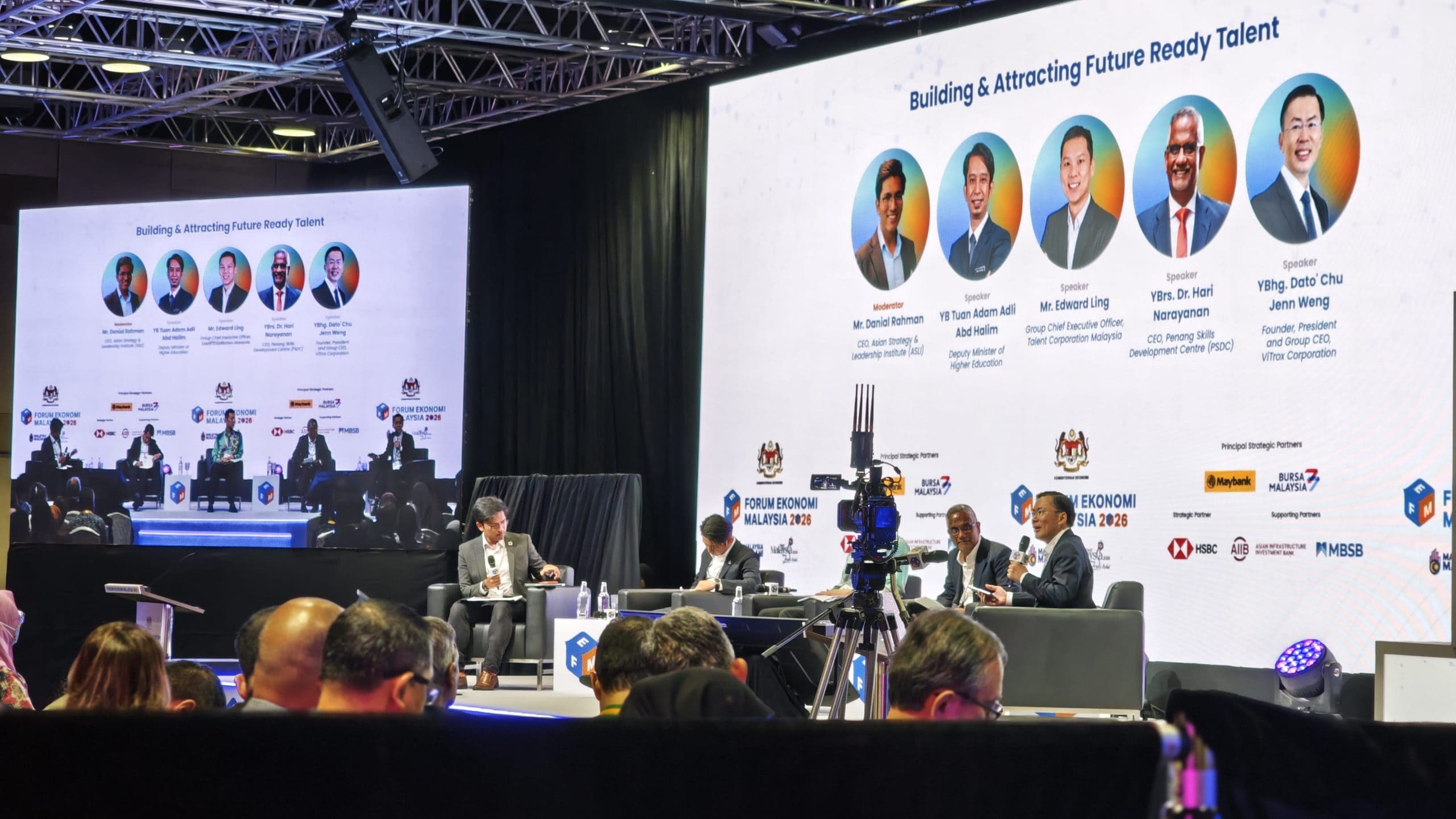 Imagine standing one metre away from a large LED screen.
At that distance, your eyes can resolve much more detail than they would from 15 or 20 metres away. If the pixel pitch is too large, you may be able to see the individual LED pixels, particularly around text, graphics and sharp edges.
Now imagine watching the same screen from 20 metres away.
The individual pixels become much harder to distinguish. The image can appear smooth and clear even though the display has a larger pixel pitch.
This relationship is one of the most important principles when planning LED Screen Rental.
The question is not simply:
“What is the best pixel pitch?”
The better question is:
“What pixel pitch is appropriate for the closest and typical viewing distances at this event?”
The Basic Relationship Between Pixel Pitch and Viewing Distance
There are several industry rules of thumb for estimating viewing distance, but they should be treated as guidelines rather than absolute rules.
Christie’s current guidance provides example optimal viewing distances based on pixel pitch. For example, it lists approximately 2.4 metres for 0.8mm, 3 metres for 1.0mm, 4.5 metres for 1.5mm, 5.7 metres for 1.9mm and 7.5 metres for 2.5mm displays.
Another commonly referenced approach from LianTronics uses a broader range, estimating optimal viewing distance at approximately 1,000–3,000 times the pixel pitch in millimetres. For a P10 display, for example, that corresponds to roughly 10–30 metres. LianTronics also emphasises that viewing distance should be considered alongside factors such as installation height, display configuration and budget.
These different formulas demonstrate an important point:
There is no single viewing-distance number that applies to every LED screen.
The actual application matters.
A Simple Pixel Pitch Example
Consider a corporate event where the LED screen is positioned at the front of a ballroom.
The first row of guests is approximately 5 metres away, while most guests are between 8 and 20 metres from the screen.
A very fine pixel pitch may provide excellent close-up image quality, but it may not be necessary if most of the audience is sitting much farther away.
Now consider a smaller product presentation where some guests may stand only 2–3 metres from the LED display.
The pixel pitch becomes much more important because the audience is close enough to see the screen structure and individual pixels more easily.
The same screen specification therefore cannot automatically be considered appropriate for both situations.
What Happens If the Pixel Pitch Is Too Large?
A larger pixel pitch is not inherently bad.
The problem occurs when it is too large for the intended viewing distance.
When viewers are too close, individual pixels can become visible. Text may appear less refined, fine graphics can lose clarity and detailed content may not look as clean as expected.
This can be particularly noticeable when the screen is displaying:
- Small text
- Corporate presentations
- Tables or charts
- Detailed product images
- Fine graphics
- Close-up video
- High-resolution photography
- Detailed branding
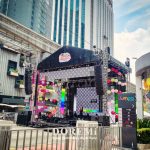
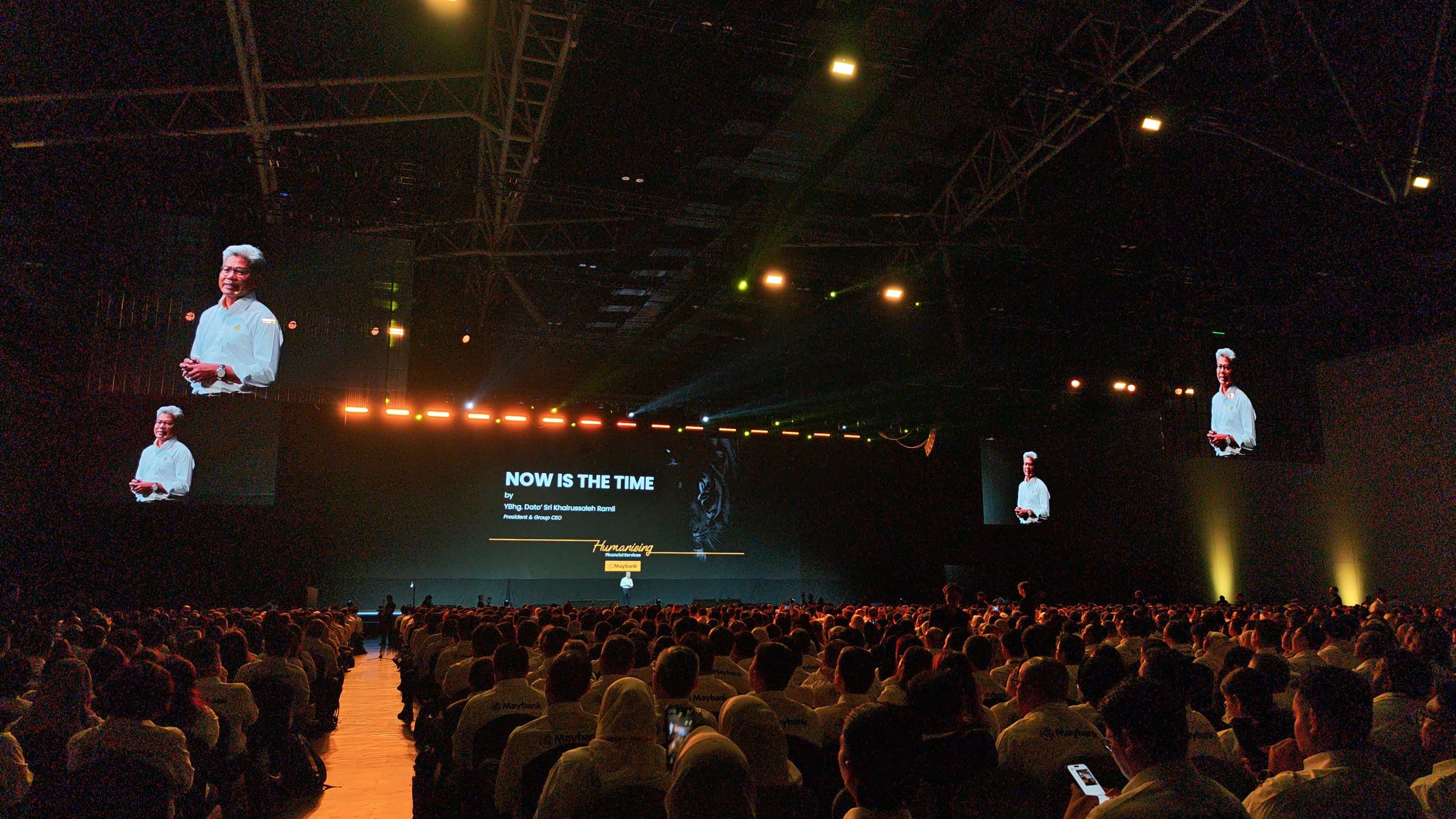
For a large outdoor screen where the audience is 20 or 30 metres away, a larger pixel pitch may be perfectly appropriate.
For a small indoor screen where guests are standing a few metres away, the same pitch may not provide the desired visual quality.
What Happens If the Pixel Pitch Is Too Small?
 It may seem logical to choose the smallest available pixel pitch to guarantee the best image.
But there is a practical problem.
Smaller pixel pitches generally require more densely packed LEDs and can increase the cost of the display. Christie notes that pixel pitch is a significant contributor to LED video wall cost, meaning selecting a smaller pitch than necessary can increase expenditure without necessarily providing a meaningful benefit to the audience.
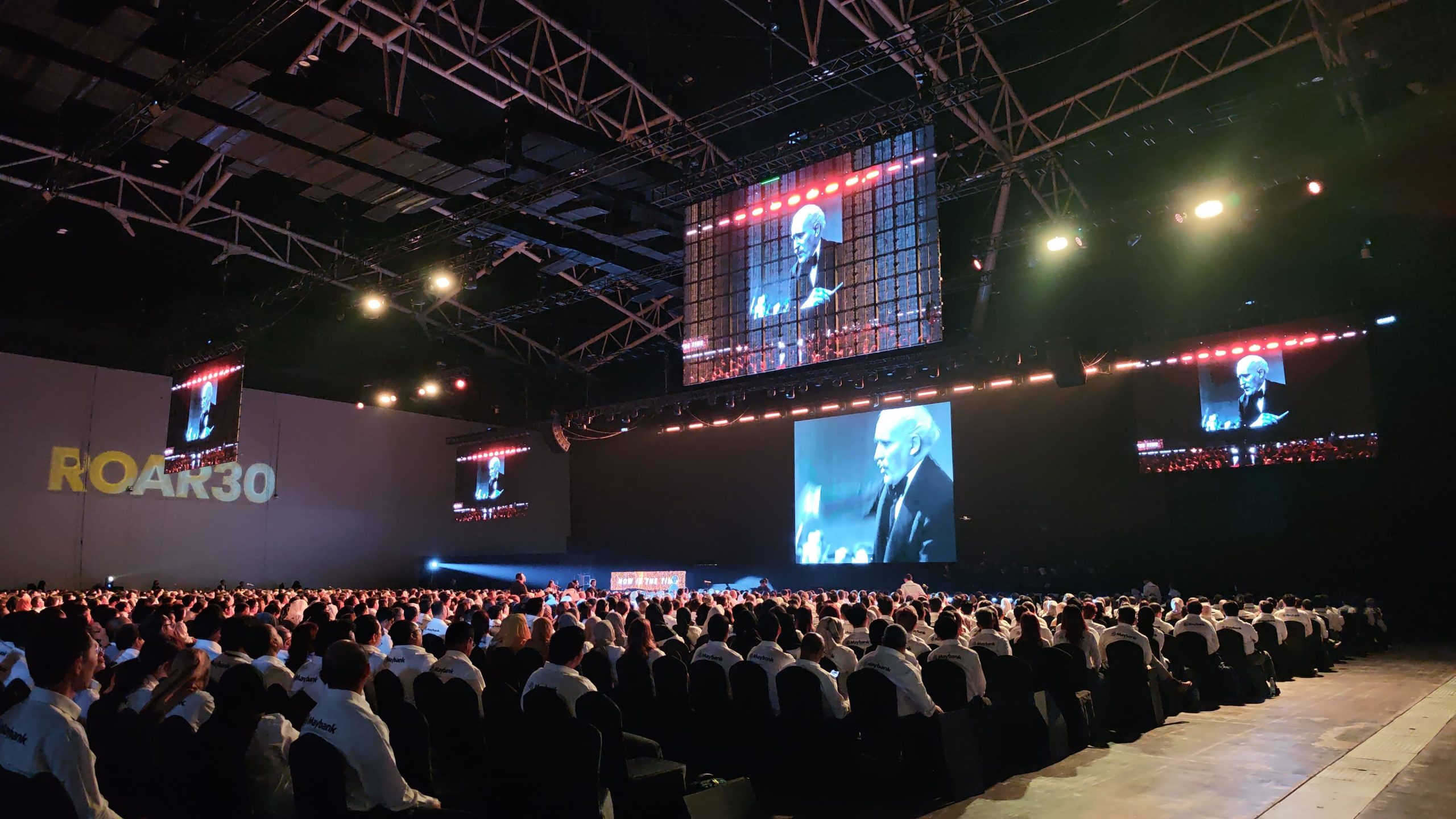
Imagine a large conference screen where the nearest audience member is 15 metres away.
If the audience cannot distinguish the difference between two specifications from that distance, paying significantly more for the finer-pitch option may not be the best use of the event budget.
The objective should be to find the appropriate balance between pixel, viewing distance, image quality and cost.
Common Pixel Pitch Options
The exact pixel pitches available will depend on the LED equipment and supplier, but event organisers commonly encounter specifications such as:
| Pixel Pitch | Typical Consideration |
| P1.2–P1.5 | Very close viewing and detailed content |
| P1.9 | Close-to-medium viewing distances and detailed visuals |
| P2.5 | Indoor events with moderate viewing distances |
| P2.9–P3.0 | Medium-distance viewing |
| P3.9 | Larger event spaces and medium-to-long viewing distances |
| P4.8 and above | Longer-distance viewing and larger-format applications |
These should not be treated as fixed rules.
The actual suitability depends on screen size, viewing distance, content, environment and audience behaviour.
A professional LED Screen Rental provider should assess these factors before recommending a specification.
Start With the Closest Viewer
When planning an LED screen, do not only measure the distance from the screen to the back of the room.
The closest viewing position can be more important.
Ask:
How close could someone realistically get to the LED screen?
At a conference, the first row may be several metres away.
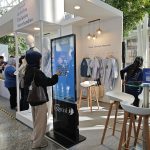
At an exhibition, visitors may walk directly up to a screen.
At a product launch, VIP guests or media representatives may stand close to the stage.
At a retail activation, passers-by may approach the display from only a few metres away.
The closer the audience can get, the more carefully the pixel pitch should be considered.
Consider the Typical Viewing Distance
The closest possible viewer is important, but so is the distance where most people will actually watch the screen.
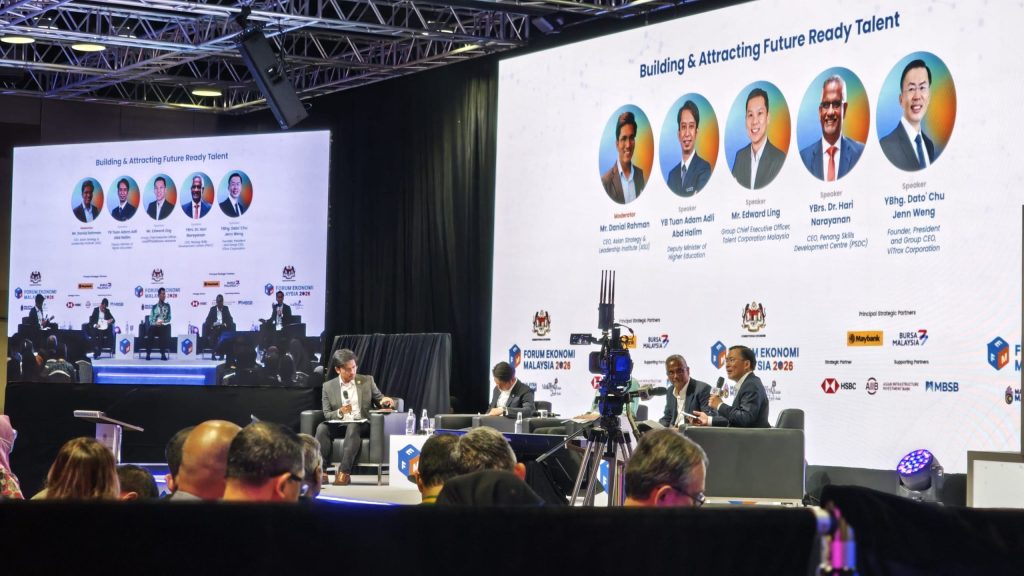
For a conference, most of the audience may be seated 10–20 metres away.
For an exhibition booth, visitors may be between one and five metres away.
For an outdoor event, a significant portion of the audience may be much farther away.
The ideal LED Screen Rental specification should therefore consider the overall viewing pattern rather than one measurement alone.
Think About What Will Be Shown on the Screen
Content matters because different visual materials place different demands on an LED display.
If the screen mainly shows:
- Large logos
- Event branding
- Animated backgrounds
- Performance visuals
- Large video content
- Simple graphics
a larger pixel pitch may be perfectly suitable when viewing distances are appropriate.
If the screen needs to display:
- Small text
- Detailed presentations
- Data tables
- Fine product details
- Detailed photography
- Close-up video
a finer pixel pitch may provide a noticeable benefit.
Christie similarly notes that detailed text, dashboards and data visualisations can benefit from fine-pitch displays, while large-scale visual content viewed from farther away may not require the same pixel density.
Consider Screen Size
Pixel pitch should not be considered separately from the physical size of the LED screen.
A larger physical screen can contain more pixels even when using a larger pitch.
This is important when designing an event screen around a particular aspect ratio or resolution.
For example, increasing the physical size of an LED wall can make content easier to see from the back of a room, while pixel pitch determines how densely those pixels are arranged.
The goal is to balance:
Screen size + pixel pitch + viewing distance + content.
Choosing one specification without considering the others can lead to an inefficient setup.
Think About the Venue
The room itself can influence the viewing experience.
A narrow conference room may place the audience relatively close to the screen.
A large ballroom can create much greater viewing distances.
An exhibition hall may have visitors moving around rather than sitting in fixed positions.
An outdoor event may have an audience spread over a large area.
This means the same LED Screen Rental configuration may not be suitable for every venue.
Christie’s LED display guidance also recommends considering space, viewing angles, brightness, environment, structure, power and connectivity when planning an LED display.
Consider How the Audience Moves
Not every event has a fixed audience.
At a conference, people generally remain seated.
At an exhibition, visitors walk around.
At a shopping mall activation, people may approach the screen from different angles and distances.
At a festival, the audience may move throughout the event area.
This changes the viewing-distance calculation.
Instead of asking for one exact distance, consider the viewing range.
What is the closest point?
What is the average viewing distance?
What is the furthest useful viewing point?
Where are people most likely to stand?
This information gives an LED provider a much clearer picture of the display requirements.
Don’t Forget Brightness
Pixel pitch gets a lot of attention, but it is not the only specification that affects visual performance.
Brightness and ambient light also matter.
An LED screen used inside a dark ballroom has different requirements from one positioned outdoors during daylight.
If the screen is too dim for the environment, the content may lose impact.
If brightness is excessive for an indoor environment, it can become uncomfortable for viewers and affect the overall atmosphere.
The environment should therefore be considered alongside pixel pitch.
Christie specifically identifies brightness and environmental conditions as important factors when selecting and configuring LED displays.
Indoor and Outdoor LED Screens Are Different
 An outdoor LED screen needs to operate in a much more demanding environment.
Daylight can significantly affect visibility, while weather, temperature and environmental exposure need to be considered during planning.
An indoor screen may have a much more controlled environment.
This does not mean that pixel pitch becomes irrelevant outdoors.
It simply means that viewing distance needs to be considered alongside brightness, environmental conditions and the intended audience area.
For example, an outdoor LED screen used for a large crowd may have a larger pixel pitch because the majority of viewers are positioned farther away.
The screen can still provide a strong visual experience when its specification matches the application.
Camera Use Can Change the Requirement
If an LED screen will appear on camera, pixel pitch becomes one of several technical considerations.
Corporate events, conferences, product launches and live performances are increasingly photographed, livestreamed or recorded.
The production team may therefore need to consider how the LED screen appears through cameras, including factors such as refresh behaviour, brightness and camera settings.
Pixel pitch alone does not determine camera performance.
However, it is part of the broader display specification that should be discussed when the screen is being used as part of a professional video production.
LED Screen Rental Is About More Than Pixel Pitch
 When requesting an LED Screen Rental quotation, it can be tempting to send only the desired screen dimensions and ask for a price.
A better approach is to provide the complete event context.
Tell the supplier:
- Event type
- Venue
- Indoor or outdoor location
- Screen dimensions
- Stage dimensions
- Expected audience
- Closest viewing distance
- Typical viewing distance
- Furthest viewing distance
- Content type
- Whether presentations will be displayed
- Whether cameras will capture the screen
- Event date and duration
- Setup requirements
- Any venue restrictions
This allows the provider to recommend a more appropriate pixel pitch rather than simply quoting the cheapest or most commonly used option.
A Simple Pixel Pitch Planning Example
Imagine three different events.
Event A: Corporate Conference
The LED wall is at the front of a ballroom.
The first row is approximately 6 metres away, with most guests between 10 and 25 metres away.
The content includes presentations, speaker visuals, videos and branding.
A medium-fine pixel pitch may provide a suitable balance between clarity and cost.
Event B: Exhibition Booth
Visitors may stand only 1–3 metres from the LED display.
The screen will show product videos, text and detailed visuals.
A finer pixel pitch may be more appropriate because viewers can approach the screen closely.
Event C: Outdoor Festival
The screen is positioned in front of a large audience, with many viewers 15–30 metres away.
The content consists primarily of performance visuals, branding and live video.
A larger pixel pitch may provide the required visual impact without the additional cost of an unnecessarily fine-pitch display.
These examples demonstrate why there is no universal “best” pixel pitch.
Common Pixel Pitch Mistakes
Choosing the smallest pixel pitch automatically
Smaller can provide greater detail, but it may not provide enough additional value to justify the cost.
Looking only at the back of the audience
The closest viewing position can be critical when selecting the appropriate pixel pitch.
Ignoring content
A display used for detailed presentation slides has different requirements from one showing large animated graphics.
Forgetting audience movement
Visitors may walk much closer to an exhibition or activation screen than expected.
Focusing only on pixel pitch
Brightness, screen size, viewing angles, content, environment, structure, power and connectivity also matter.
Choosing based only on price
A cheaper specification may not deliver the visual quality required for the actual audience distance.
Questions to Ask Your LED Screen Rental Provider
Before confirming your LED Screen Rental, ask:
- What pixel pitch do you recommend for our closest viewing distance?
- What is the typical viewing distance?
- What type of content will be shown?
- Will the screen be used indoors or outdoors?
- What brightness level is appropriate for the venue?
- Will cameras or livestreaming be involved?
- What screen size do you recommend?
- Does the pixel pitch affect the overall resolution?
- Does the quotation include installation and technical support?
- Will the screen be tested and calibrated before showtime?
A good provider should be able to explain why a particular specification is recommended rather than simply giving you a product code.
The Right Pixel Pitch Is the One That Fits the Event
 There is no single pixel pitch that is perfect for every event.
The right choice depends on how the screen will actually be used.
If the audience is close, a finer pixel pitch can help provide greater image detail.
If the audience is farther away, a larger pixel pitch may deliver an excellent viewing experience without unnecessary expenditure.
Content, screen size, brightness, venue conditions, audience movement and camera use can also influence the final decision.
Most importantly, pixel pitch should not be selected in isolation.
It should be part of a broader LED Screen Rental planning process.
Frequently Asked Questions
What is pixel pitch on an LED screen?
Pixel pitch is the distance in millimetres between the centres of two neighbouring pixels on an LED display. A smaller number means the pixels are positioned more closely together.
Is a smaller pixel pitch always better?
No. A smaller pixel pitch can provide greater detail at close viewing distances, but it may cost more. If the audience is far enough away, a larger pixel pitch can provide an excellent viewing experience.
How do I choose the right pixel pitch?
Start with the closest and typical viewing distances. Then consider the type of content, screen size, venue, brightness requirements and budget. A professional LED provider can use these factors to recommend an appropriate specification.
What pixel pitch is suitable for a corporate event?
There is no single specification for every corporate event. A conference where the audience sits several metres away may have different requirements from an exhibition where visitors can stand close to the screen.
Does pixel pitch affect LED screen resolution?
Yes. For an LED wall of the same physical size, a smaller pixel pitch allows more pixels to fit into the display area, resulting in higher pixel density and potentially greater resolution and image detail.
Should I choose pixel pitch based only on viewing distance?
Viewing distance is one of the most important factors, but it should not be the only consideration. Content, screen size, brightness, environment, audience movement, camera use and budget should also be considered.
Further Reading
Christie — How to Choose the Right Pixel Pitch for Your LED Wall
A useful technical guide explaining how viewing distance, content type and room size influence pixel pitch selection, including practical viewing-distance examples.
Read the Christie pixel pitch guide
LianTronics — How to Choose the Right Pixel Pitch for LED Display
This guide explains the relationship between pixel pitch and viewing distance and highlights why factors such as installation height, display configuration and budget should also be considered.
Planning LED Screen Rental for Your Event?
Whether you are planning a corporate conference, exhibition, product launch, concert, festival, roadshow or brand activation, the right LED display should be selected around the audience and the event — not simply around the smallest pixel pitch available.
DOREMi provides professional LED Screen Rental solutions for corporate events, exhibitions, product launches, concerts, festivals and other live productions. The screen configuration can be planned around factors such as viewing distance, screen size, content requirements, venue conditions and overall event production needs.
From selecting the appropriate pixel pitch to planning screen placement, brightness and integration with staging and other AV systems, the objective is to create a display that remains clear, impactful and appropriate for the audience.
Speak with DOREMi’s event technology specialists to plan an LED Screen Rental solution around your viewing distance, content and event requirements — and choose the pixel pitch that makes sense for your audience.