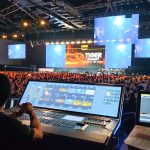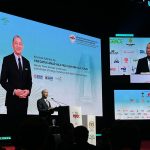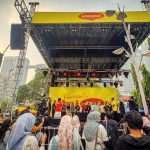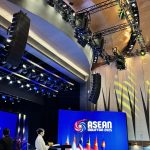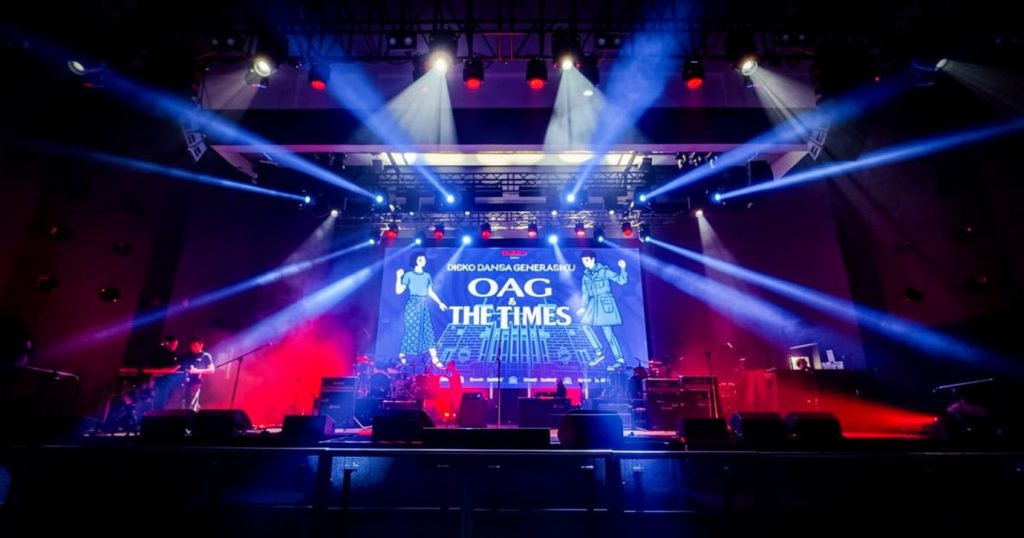
When the lights go down, the crowd starts cheering and the first note fills the venue, the audience sees the finished product: a concert stage designed to bring the performers and music to life.
But behind that moment is a production process involving stage design, structural planning, sound systems, lighting, LED displays, equipment positioning, technical coordination and careful preparation.
A great concert stage does more than give musicians a place to perform. It creates the visual identity of the show, supports the technical requirements of the performers and helps connect the audience to the music.
Whether it is an intimate live performance, a rock concert or a major anniversary show, every stage needs to be designed around the experience it is intended to deliver.
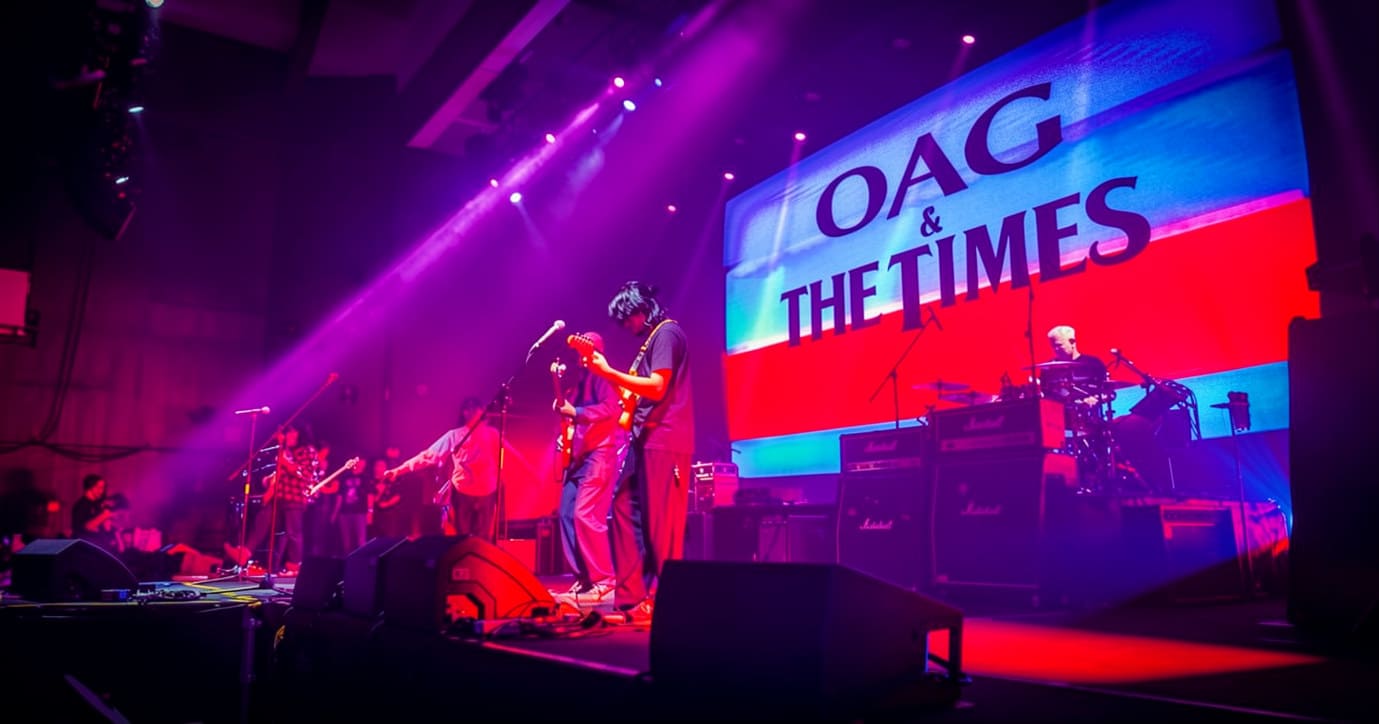
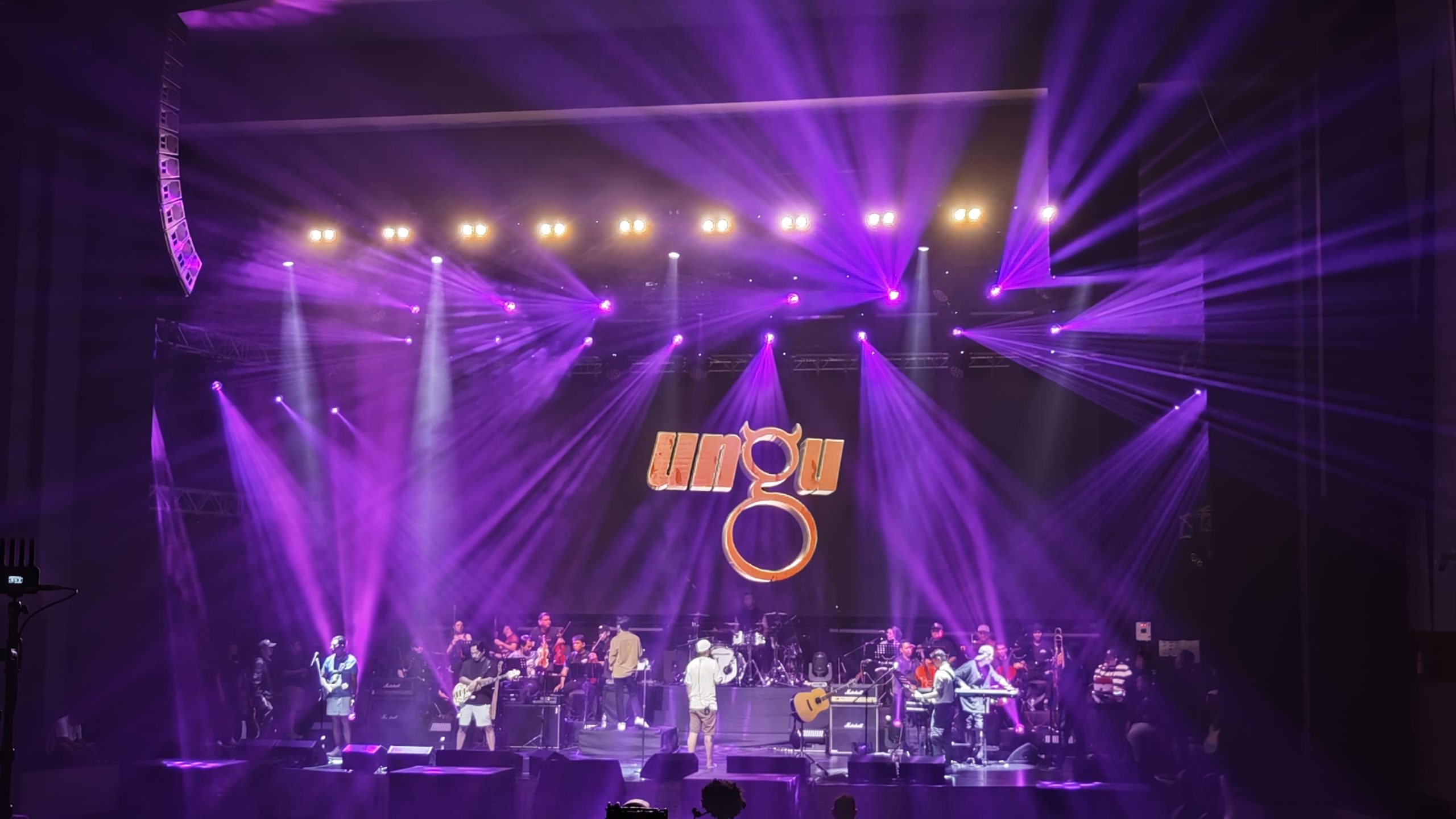
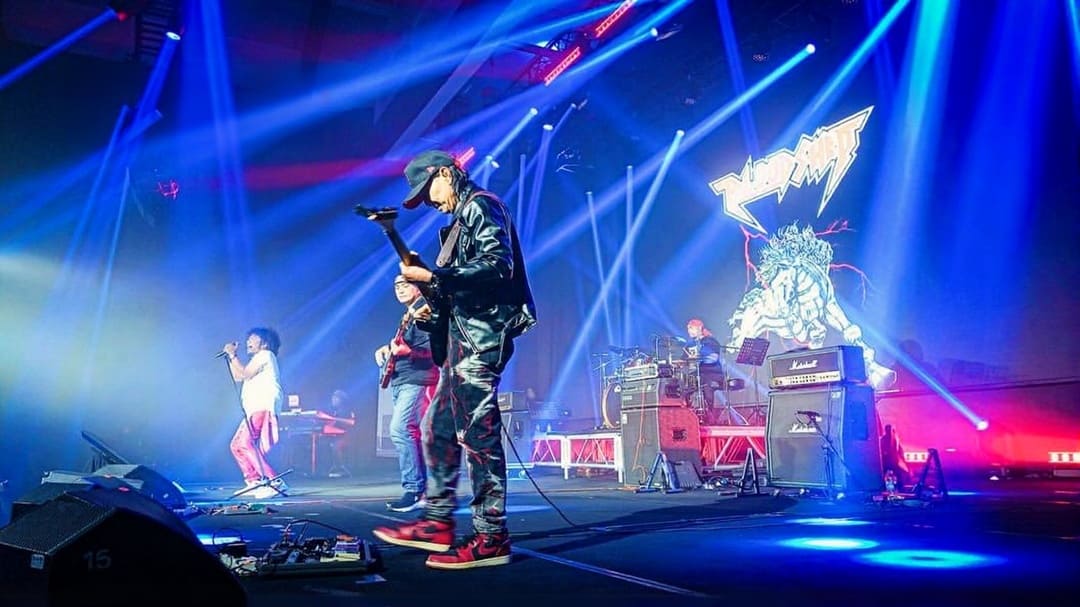
Recent concerts such as OAG & The Times: Disko Dansa Generasiku | Live at ODEON KL 2026, Konsert Rock Car Park 2026 and Butterfingers 1.2 MG 30th Anniversary Concert offer relevant examples of the different types of live music experiences that concert production teams need to support.
Each concert has its own identity, audience and performance requirements. The technical challenge is to translate those requirements into a stage that looks right, sounds right and works reliably from the opening act to the final song.
So, what actually makes a great concert stage?
The Stage Must Match the Concert
Before choosing equipment or deciding how the stage should look, the production team needs to understand the concert itself.
A rock concert may require a visually powerful stage with prominent lighting, LED visuals and enough room for musicians to move freely. A smaller live performance may benefit from a more intimate arrangement that brings the audience closer to the artists.
An anniversary concert can have additional creative requirements. The stage may need to reflect the band’s history, support special visual content and accommodate different moments throughout the performance.
This is why concert stage design should begin with the music, performers and audience rather than simply the equipment available.
Consider OAG & The Times: Disko Dansa Generasiku | Live at ODEON KL 2026. A concert featuring established Malaysian bands has a different creative context from a general corporate event. The production design needs to support the artists’ performance and the atmosphere expected by their audience.
Similarly, Butterfingers 1.2 MG 30th Anniversary Concert has an anniversary theme that can influence the visual identity, content and overall presentation of the show.
The stage should complement the concert rather than compete with it.
Stage Size and Layout Determine How Performers Use the Space
 One of the first practical decisions is determining the appropriate stage dimensions.
A stage that is too small can restrict performers, musicians and equipment. A stage that is unnecessarily large may make the performance feel distant, particularly in a smaller venue.
The layout should account for the number of performers, instruments, amplifiers, microphone stands, stage monitors and any additional production elements.
For a band performance, the stage plot may include positions for the lead vocalist, guitarists, bassist, drummer and other musicians. Each position needs enough room for the performer to work comfortably while allowing technicians to access equipment when required.
The team must also consider how musicians move during the show.
Can the lead vocalist move across the stage? Is there enough clearance around the drum kit? Can an instrument be changed without disrupting another performer? Are cables routed away from the main movement areas?
These practical details affect the performance just as much as the stage’s visual appearance.
A well-planned stage rental arrangement considers the dimensions and layout together with the actual needs of the production.
Structural Planning Creates the Foundation
Before lighting fixtures, LED screens and other equipment can be integrated, the stage structure must be suitable for the intended production.
Stage platforms, risers, stairs and supporting structures need to be planned according to the venue, equipment, expected use and applicable safety requirements.
For larger productions, the stage may also incorporate truss systems that support lighting, visual equipment or other production elements.
However, structural design cannot be based on appearance alone. Equipment weights, loading arrangements, support configurations and installation requirements must be considered by competent personnel.
The stage and any associated structures should be appropriate for the loads they are intended to carry. Where suspended equipment or overhead structures are involved, the rigging arrangement must be assessed and installed according to the relevant requirements.
Outdoor concerts can introduce additional considerations, including wind exposure, ground conditions, weather protection and site access.
This is particularly important when a production involves large LED displays or roof structures. These elements can change the structural and operational requirements of the stage.
The objective is to create a stage that supports the production safely and reliably, not simply one that looks impressive in photographs.
Truss Gives the Stage More Production Possibilities
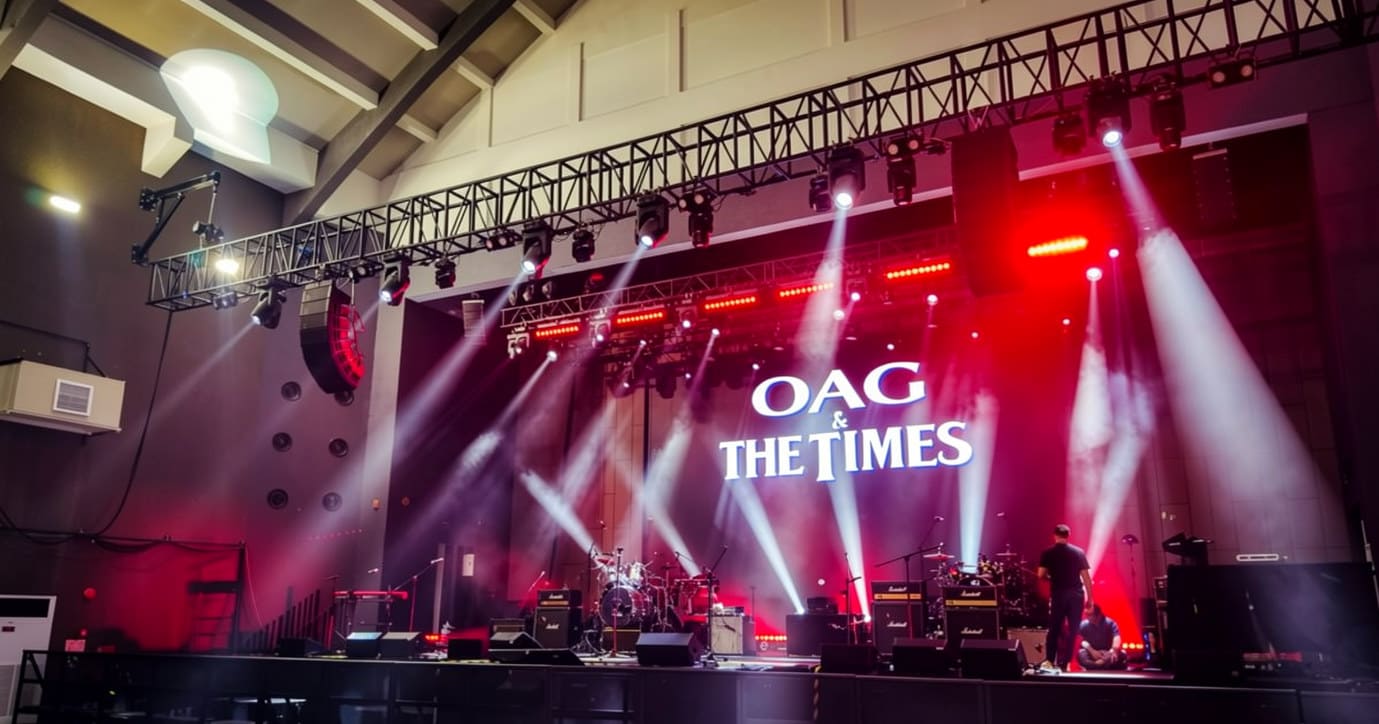 Truss is a common feature of concert production because it provides a framework for supporting lighting and other technical elements when designed for the intended application.
It can be used in overhead lighting arrangements, ground-supported structures and selected stage configurations.
For a concert, truss placement influences how the lighting designer can illuminate the performers, create visual effects and change the atmosphere throughout the show.
The truss arrangement may also need to accommodate LED displays or other production elements, depending on the design.
But more truss does not automatically produce a better stage.
The structure needs to be proportionate to the venue and production requirements. Its configuration should allow equipment to be positioned appropriately without obstructing sightlines or creating unnecessary visual clutter.
The production team must coordinate structural requirements with the lighting, video and staging plans from the beginning.
When these elements are considered together, the stage can be both functional and visually coherent.
Lighting Gives the Concert Its Energy
Lighting is one of the most noticeable elements of a concert stage.
It determines what the audience sees, establishes the mood and helps translate the music into a visual experience.
A lighting design may combine front lighting, backlighting, washes, profile fixtures, moving lights and other effects. Each serves a different purpose.
Front lighting helps the audience see performers clearly. Backlighting separates performers from the background and creates silhouettes. Wash lighting colours larger areas of the stage, while moving lights can introduce motion and dramatic changes.
For rock concerts, lighting can be programmed to respond to the energy of the music. A quieter section might use a restrained look, while a powerful chorus may call for stronger movement, colour and intensity.
However, lighting needs to be more than a collection of effects.
The designer must consider the music, stage layout, performers, audience sightlines and LED content. Lighting that is too bright or poorly positioned can make it harder to see performers or interfere with the visual impact of the screens.
The goal is to use lighting with purpose.
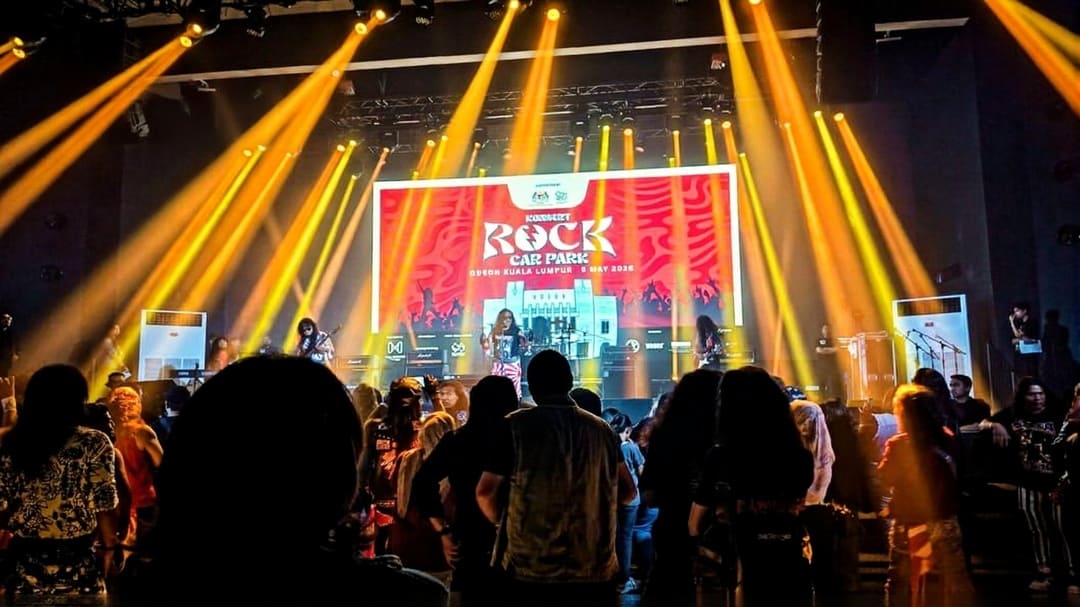
For a concert such as Konsert Rock Car Park 2026, the production concept needs to reflect the energy of a rock performance while remaining appropriate for the venue and the audience experience.
The best lighting design supports the music rather than distracting from it.
Sound Quality Is Just as Important as the Visual Design
 A concert stage may look spectacular, but the audience will not enjoy the performance if the sound is unclear, unbalanced or uncomfortable.
Sound system planning needs to begin with the venue, audience size, performance format and stage arrangement.
The production team must consider the main loudspeaker system, subwoofers, stage monitors, microphones, mixing consoles and the equipment needed to connect the performers to the audience.
For a live band, the sound mix must bring together vocals, guitars, bass, drums and other instruments without allowing one element to overwhelm the rest.
Stage monitoring is equally important. Performers need to hear the musical elements required to stay in time and perform confidently.
The relationship between the stage and the sound system also matters. Speaker positions, microphone locations and stage monitor placement must be coordinated to support coverage while managing feedback risks.
Venue acoustics can introduce further challenges. Indoor venues may have reflections that affect clarity, while outdoor concerts require sound coverage that works without the benefit of surrounding walls.
A successful concert production therefore integrates sound planning with stage design instead of treating audio as equipment that can be added at the last minute.
LED Screens Support the Visual Identity of the Show
LED screens can transform a concert stage by providing a visual backdrop that changes with the performance.
They can display artist visuals, concert branding, animations, videos and other content that supports the creative direction of the show.
For anniversary concerts, visual content may also help connect the performance to the band’s history, giving the audience a richer experience beyond the music itself.
However, screen selection and placement need careful planning.
The production team should consider the screen’s dimensions, pixel pitch, viewing distance, brightness and position relative to the performers.
A screen that looks impressive from the front of the stage may not provide a good viewing experience from every part of the venue. Its position must also work with the lighting arrangement and the audience’s sightlines.
Content is another important consideration. Visuals should be designed for the screen’s actual dimensions and resolution rather than simply stretched to fit.
The screen should support the performers, not overpower them.
For some concerts, a large central LED display may be the primary visual feature. Others may benefit from side screens, additional display elements or a more minimal approach.
The right solution depends on the creative concept, venue and production budget.
Stage Layout Must Work for the Entire Audience
 A stage is not designed only for the people standing in front of it.
The production team must consider the experience of the entire audience, including people at the sides, at the back and in areas with different viewing angles.
Sightlines are especially important when the stage includes large screens, lighting towers, speakers or other structures.
If equipment blocks the performers or important visual content, some audience members may struggle to follow the show.
Stage height, screen placement and the overall width of the production can all affect visibility.
Audience configuration also matters. A standing crowd, seated concert hall and outdoor car park event present different viewing conditions.
The production team should understand how the audience will be arranged before finalising the stage layout.
The aim is to make the performance feel accessible and engaging rather than concentrating the experience in one ideal viewing position.
Good stage design balances visual impact with practical visibility across the venue.
Backline and Equipment Placement Keep the Performance Moving
Backline refers to the musical equipment used by performers, such as amplifiers, drum kits and other instruments or supporting equipment required for a live show.
For a band concert, backline placement needs to be coordinated with the stage plot and the requirements of the musicians.
The drum kit, for example, usually occupies a dedicated area. Guitar and bass amplifiers need suitable positions, while instrument stands, pedals and other accessories must remain accessible without obstructing movement.
The arrangement also affects the audio team’s ability to manage the sound mix and the stage crew’s ability to carry out adjustments.
For concerts featuring multiple acts, changeovers may be required between performances. The team needs to understand what equipment can remain in place, what must be moved and how transitions will be managed within the available time.
Poorly planned equipment placement can create unnecessary delays and confusion.
A good stage layout makes the equipment accessible to the people who need it while keeping the performance area organised.
Behind the Scenes, Coordination Makes Everything Work
 Concert production involves multiple teams working towards the same show.
The stage crew manages the physical setup and equipment movements. Audio technicians prepare and operate the sound system. Lighting operators manage the lighting looks and cues. Video technicians handle LED displays and content. Production managers coordinate timing, responsibilities and communication.
These teams cannot work independently of one another.
A lighting fixture may need to be repositioned because it affects the screen. A microphone position may change because of the performers’ movement. A stage transition may require coordination between the band, backline team and stage crew.
Clear communication helps resolve these issues before they affect the performance.
The production schedule also needs to account for venue access, equipment delivery, installation, testing, soundcheck, rehearsal, audience entry and showtime.
The importance of backstage coordination is highlighted in Dean College’s overview of concert work, which describes the contributions of support teams, audiovisual personnel and managers in keeping a performance organised. (Dean College)
A concert may last only a few hours, but the preparation behind it can involve many interdependent tasks.
Soundcheck and Rehearsal Prepare the Stage for Showtime
A completed stage is not necessarily a concert-ready stage.
Before the show, the technical team needs time to test the equipment and confirm that the production works as planned.
Soundcheck allows musicians and technicians to check microphones, instruments, monitors, audio levels and the overall mix.
Lighting checks confirm that fixtures, cues and transitions work as intended.
LED and video checks verify content playback, screen configuration and signal connections.
The team also needs to confirm that the performers can move around the stage comfortably and that equipment is positioned correctly.
Where possible, rehearsal helps identify timing issues and gives the production team an opportunity to practise transitions.
Backup arrangements should also be considered for critical equipment and signal paths according to the production’s needs.
These checks may not be visible to the audience, but they reduce the likelihood of avoidable problems during the performance.
The aim is to identify and resolve issues before the concert begins, rather than trying to solve everything while the audience is watching.
What Recent Concerts Teach Us About Stage Production
Different concerts highlight different priorities in stage design.
OAG & The Times: Disko Dansa Generasiku | Live at ODEON KL 2026 provides a useful example of the relationship between the artists, the venue and the concert’s creative identity. A production must support the performers while creating an atmosphere suited to the audience and the music.
Konsert Rock Car Park 2026 represents another concert format, where the production design needs to respond to the venue’s layout, audience arrangement and the practical requirements of a live rock performance.
Butterfingers 1.2 MG 30th Anniversary Concert illustrates how an anniversary show can carry a strong identity of its own. A production of this type can benefit from visual decisions that support the significance of the occasion while ensuring that the musicians remain the centre of attention.
These examples should not be approached as a single stage template. Each concert requires its own assessment of venue, performers, audience, visual direction and technical requirements.
The common principle is that a successful stage is designed around the show it needs to support.
Common Mistakes That Can Weaken a Concert Stage
 Even an ambitious stage design can fall short if practical requirements are overlooked.
Designing for appearance alone. A visually impressive concept may be difficult to operate if it restricts performer movement or leaves insufficient access for technicians.
Ignoring audience sightlines. Screens, speakers and lighting structures can obstruct views when their positions are not properly coordinated.
Treating audio, lighting and LED as separate systems. Each system affects the others, so they need to be considered together.
Leaving too little time for testing. A tight schedule can leave insufficient time to identify and correct technical problems before the audience arrives.
Underestimating changeovers. Concerts with multiple acts or complex equipment requirements need a realistic plan for transitions.
Overloading the design. More screens, fixtures and visual effects do not automatically improve the audience experience. Every element should have a clear purpose.
Avoiding these mistakes requires planning, communication and coordination from the early design stage through to showtime.
Building a Concert Stage That Works
A great concert stage is the result of many decisions working together.
Stage dimensions need to support the performers. Structural elements must be appropriate for the production. Sound needs to reach the audience clearly. Lighting must complement the music, while LED visuals should enhance rather than distract from the performance.
Behind all these elements is a team responsible for planning, installation, testing, coordination and live operation.
For DOREMi, concert production brings together the company’s event technology capabilities and the practical requirements of live entertainment. From staging and truss to sound systems, lighting and LED displays, each element needs to be planned around the event rather than treated as an isolated item.
With experience supporting concerts and live productions, DOREMi understands that the stage is not simply a structure. It is the working environment in which the performance comes to life.
Frequently Asked Questions
What makes a great concert stage?
A great concert stage combines suitable dimensions, structural planning, clear audience sightlines, effective sound, purposeful lighting and coordinated visual elements. It must also allow performers and technical crews to work safely and efficiently.
What equipment is needed for a concert stage?
Requirements vary, but a concert may involve a stage platform, truss, sound system, microphones, stage monitors, backline, lighting fixtures, LED displays, cabling and technical control equipment.
Why is stage layout important for live music?
Stage layout determines how performers move, where instruments and equipment are positioned, how technicians access the stage and whether the audience can see the performance clearly.
Should lighting and LED screens be planned together?
Yes. Their positions, brightness, visual content and effects influence one another. Coordinated planning helps maintain performer visibility and a consistent visual experience.
How early should concert stage rental be arranged?
It depends on the scale of the concert, venue requirements, equipment availability and production complexity. Larger concerts should be discussed well in advance so that stage design, structural planning, technical requirements and schedules can be coordinated properly.
Further Reading
Dean College — Working Behind the Scenes at a Concert
Explore the different roles involved in concert production, including backstage support, audiovisual operations and management, and why coordination is essential to a successful live performance.
Gear Connection — What Makes a Stage Design Actually Work for a Live Audience?
Learn how sightlines, stage proportions, lighting, sound, performer movement and technical flexibility influence the way audiences experience a live event.
Planning Stage Rental for Your Next Concert?
Whether you are organising a rock concert, anniversary show, live band performance or music festival, the right stage setup should support the artists, audience and technical production from the beginning.
DOREMi provides stage rental and event production solutions that can be coordinated with truss systems, sound, lighting, LED screens and other technical requirements.
The approach starts with understanding the venue, performance format, stage layout and production objectives, then planning the technical elements needed to bring them together.
Speak with DOREMi’s event technology specialists to plan a stage rental solution for your next concert — from the initial setup to the final encore.