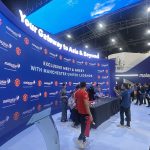
Exhibitions and trade shows give businesses an opportunity to showcase their products, introduce new services and connect with potential customers. However, with multiple brands competing for attention in the same exhibition hall, attracting visitors to your booth can be challenging.
A well-designed booth needs more than an attractive backdrop. Visitors should be able to recognise your brand, understand what you offer and see a reason to stop and learn more. This is where LED screens can make a difference.
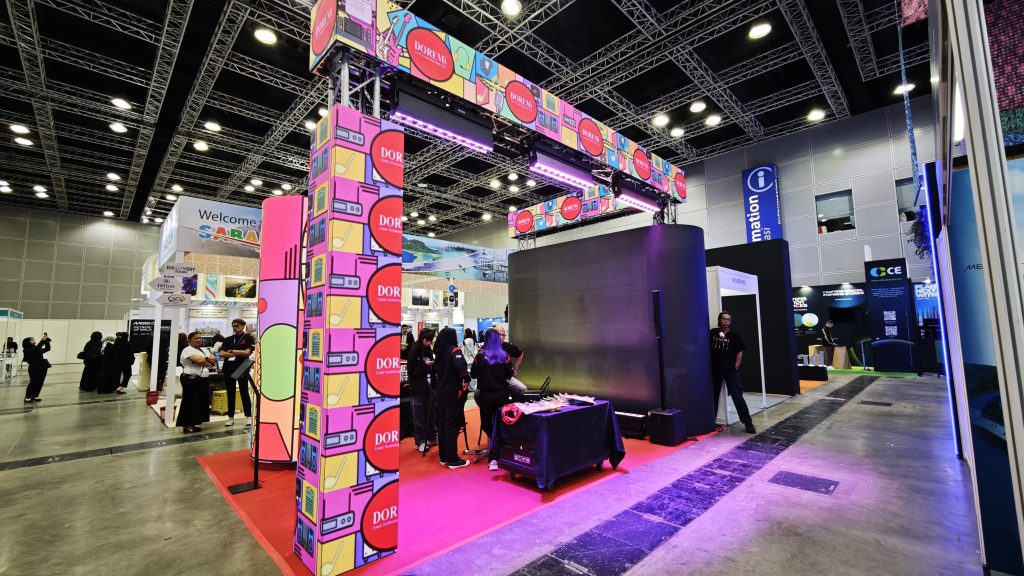
With LED screen rental, exhibitors can introduce movement, colour, product demonstrations and engaging visual content into their booth design. Instead of relying entirely on static graphics, businesses can present information dynamically and adapt their messages throughout the exhibition.
However, simply installing a large LED screen does not guarantee better visitor engagement. Its effectiveness depends on how the screen is positioned, what it displays and how it supports the overall booth experience.
In this article, we explore seven practical ways to use LED screens for exhibitions, along with important considerations for selecting the right display and planning a successful setup.
Why Use LED Screens for Exhibitions?
An exhibition booth often has only a short opportunity to make an impression on someone walking past. Visitors may be comparing suppliers, searching for particular products or simply exploring the event. Clear visual communication can help your brand stand out and encourage them to take a closer look.
LED screens offer several advantages for exhibition environments.
First, they display moving images, animations and videos that can make a booth visually distinctive. Second, they allow exhibitors to communicate different messages without changing physical graphics. Third, they can support product demonstrations, presentations and other activities that help visitors understand an offering.
For example, a technology company could use an LED display to demonstrate software features, while a manufacturer could showcase its products in real-world applications. A corporate brand might use the screen to introduce its business, highlight key services or present customer testimonials.
The most effective approach is to treat the screen as part of the exhibition experience rather than an isolated piece of equipment.
Create a Strong First Impression With Eye-Catching Visuals
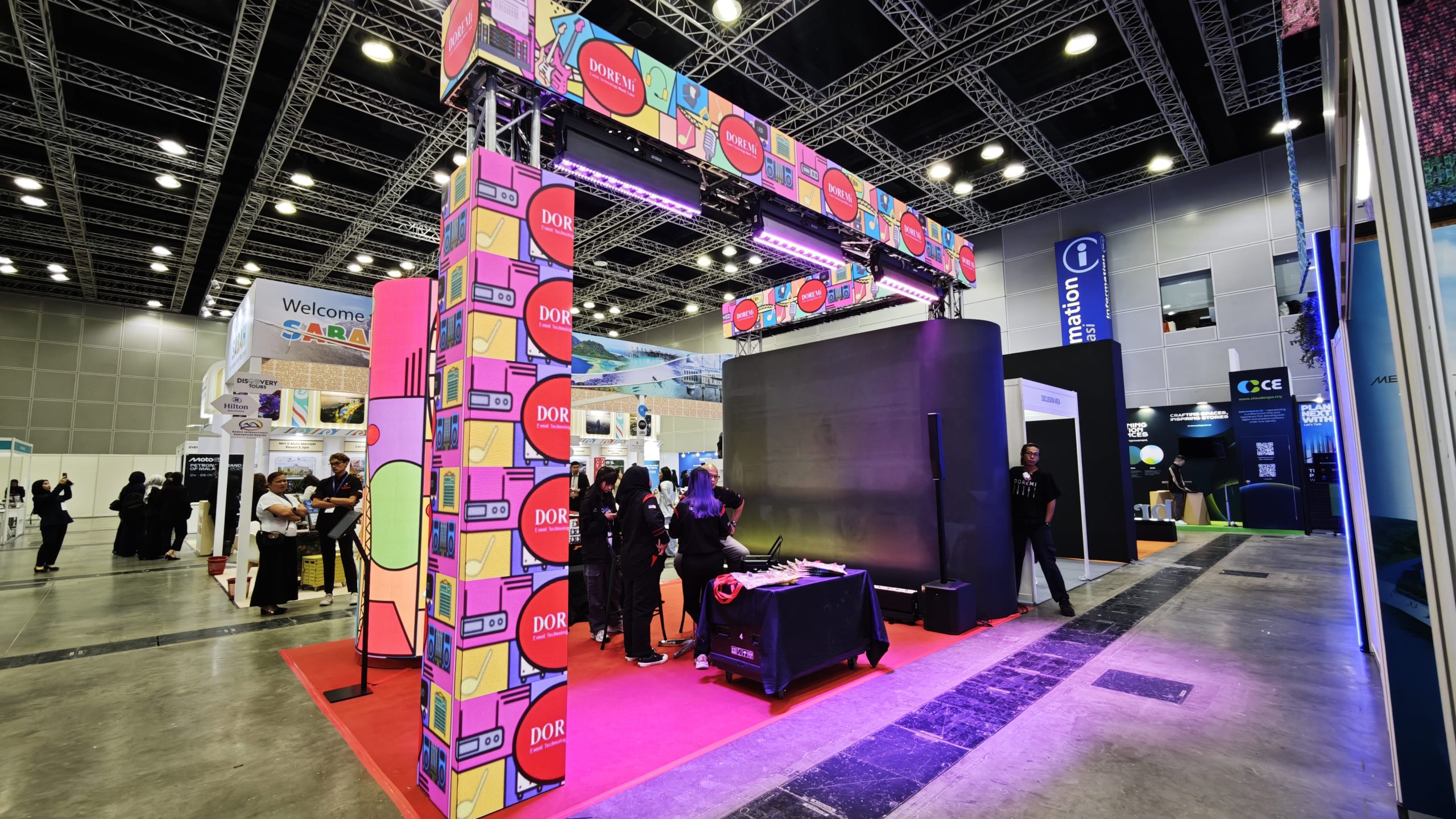 The first objective of an exhibition display is to attract attention from the surrounding aisles. Visitors may not know your company, so your booth needs to communicate its identity quickly.
LED screens can help achieve this through large visuals, carefully selected colours, motion graphics and engaging video content.
Use visuals that communicate immediately
A screen should give visitors a reason to look, even if they only see it for a few seconds. Instead of beginning with a lengthy corporate introduction, consider using a striking product image, a short demonstration or a simple visual that communicates what your company does.
For example, a company introducing industrial equipment could display the machinery operating in a real working environment. A property developer could show completed projects, while a consumer brand could present its products in everyday settings.
These visuals help visitors connect what they see on screen with the business behind the booth.
Make the display visible from the aisle
Screen placement is just as important as the content itself. A display hidden behind counters, exhibition structures or other equipment may have limited impact.
Consider the main approach routes to your booth and identify the areas where visitors are most likely to see the screen. The display should be positioned to maintain clear sightlines without obstructing entrances or making the booth difficult to navigate.
The goal is not necessarily to install the largest screen possible. It is to create a clear visual focal point that works with the available booth space.
Keep the message focused
Bright colours and motion can attract attention, but too many competing elements can make a display confusing.
Use a clear visual hierarchy: one main message, a strong image and supporting information where necessary. Ensure the content reflects your brand identity and communicates something relevant to your target audience.
A well-planned LED screen rental setup should help visitors recognise your brand and understand its value, not overwhelm them with information.
Showcase Products Through Dynamic Demonstrations
One of the most useful applications of LED screens at exhibitions is product demonstration.
Some products are difficult to explain through photographs or written descriptions alone. Video, animation and close-up footage can help visitors understand how an item works, what makes it different and how it may benefit them.
Demonstrate products in action
A product demonstration does not always require a live physical demonstration at the booth. Pre-recorded footage can show how a product operates, how it is manufactured or how it performs in different environments.
For example, a manufacturer could display a production process, while a technology business could show its software interface. A company selling building materials might use visual comparisons to demonstrate product finishes or applications.
These demonstrations provide context and can help sales representatives explain technical features more clearly.
Use animation to explain complex information
Some products involve processes that are difficult to show in a short live demonstration. Animated visuals can simplify these explanations by breaking down how a product works.
A company offering engineering solutions, for example, could use animation to illustrate a system’s internal components or explain how different parts interact.
The content should remain relevant to the visitor. Avoid displaying complicated technical sequences without explaining why they matter. Whenever possible, connect the demonstration to a practical benefit or problem the product solves.
Connect digital content with physical displays
If physical products are available at the booth, position the LED screen where it complements them.
Visitors could examine a product while watching a demonstration of its operation. A screen beside a display counter might show different product configurations, while a larger display behind the main exhibit could present the product range.
This combination helps create a more coherent experience because visitors can move between seeing, understanding and discussing the product.
Strengthen Brand Identity With Consistent Visual Content
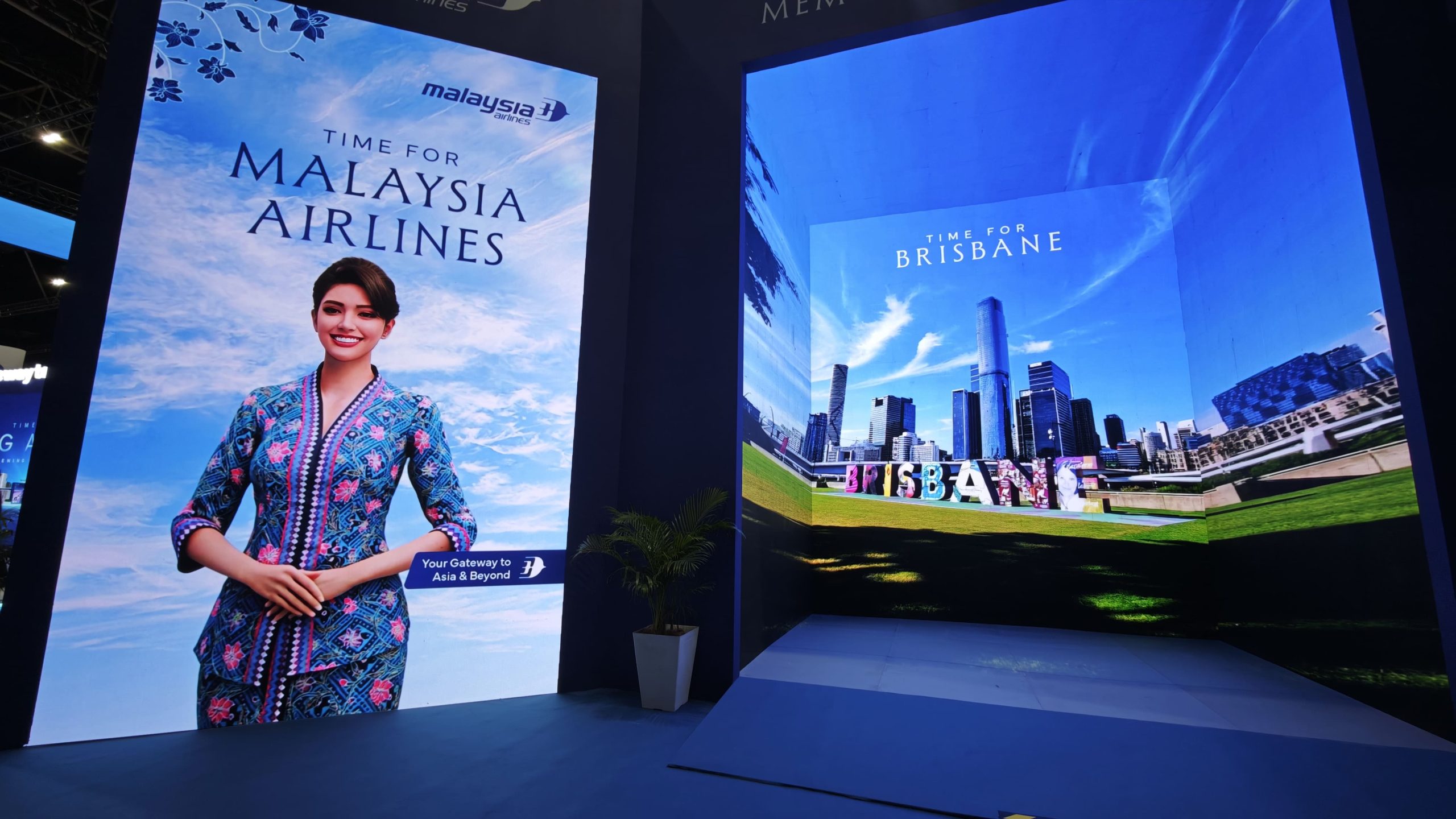 An exhibition booth should communicate a recognisable brand identity. Visitors need to understand which company they are looking at and what it represents.
LED screens allow exhibitors to maintain visual consistency through branded animations, corporate colours, logos, campaign visuals and carefully designed messaging.
Keep branding consistent
The content displayed on the screen should match the rest of the booth. This includes printed graphics, product displays, staff materials and presentation slides.
If the booth uses a particular colour palette and visual style, the screen content should follow the same direction. Consistency helps the overall design feel intentional rather than like a collection of unrelated elements.
Logos should be displayed clearly, but they do not need to dominate every frame. A useful approach is to integrate branding into product demonstrations, campaign videos and short brand messages.
Communicate what makes your business different
Visitors should be able to understand your business’s value without watching an entire presentation.
Consider displaying a short statement explaining what your company offers, which customers it serves or what problem it solves. Supporting visuals can then demonstrate the statement.
For example, a business-to-business supplier might highlight its product categories, industry applications and service coverage. A technology company could focus on the challenges its solution addresses.
Use specific, understandable language rather than broad statements that could describe any business.
Adapt content throughout the exhibition
One advantage of LED screen rental is the flexibility to update displayed content without replacing physical graphics.
An exhibitor could show a welcome message during opening hours, highlight a particular product during a scheduled demonstration and display a presentation during a visitor briefing.
If the exhibition spans several days, the content can also be adjusted to reflect the day’s activities or featured products.
Plan these changes in advance and confirm that the playback system and operating arrangements can support them.
Use Video Storytelling to Make Your Booth More Memorable
Product specifications and company information are important, but visitors may find them easier to understand when presented through a story.
Video storytelling gives businesses a way to demonstrate how their products, services or solutions fit into real situations. It can also introduce the people, processes and values behind the brand.
Show the problem and the solution
A useful product video can follow a simple structure: identify a problem, show how the product addresses it and explain the resulting benefit.
For example, a business offering workplace technology could show a common operational challenge before demonstrating how its solution works. A consumer brand might show a product being used in everyday life.
This structure helps viewers understand the product’s relevance rather than simply watching a sequence of promotional images.
Feature customer experiences and real applications
Where permission is available, businesses can use customer testimonials, project footage or case studies to provide context.
A short testimonial can introduce a customer’s challenge and explain their experience with the product or service. A project video can show the solution in use and highlight the scope of the work.
Any claims, quotations and results should be accurate and approved for use. Authentic material is more useful than unsupported statements about performance or customer satisfaction.
Design videos for exhibition conditions
Exhibition halls can be noisy, crowded and visually busy. Visitors may watch the screen from different distances, and many will not hear the audio.
Design content that remains understandable without sound. Use captions, concise on-screen messages and visuals that communicate the main idea independently.
Keep the important information visible long enough to read. Avoid long opening sequences, tiny text and videos that only make sense after several minutes.
A concise video loop with a clear message is often more practical for a booth than a full-length corporate presentation.
Encourage Visitor Interaction With QR Codes and Digital Experiences
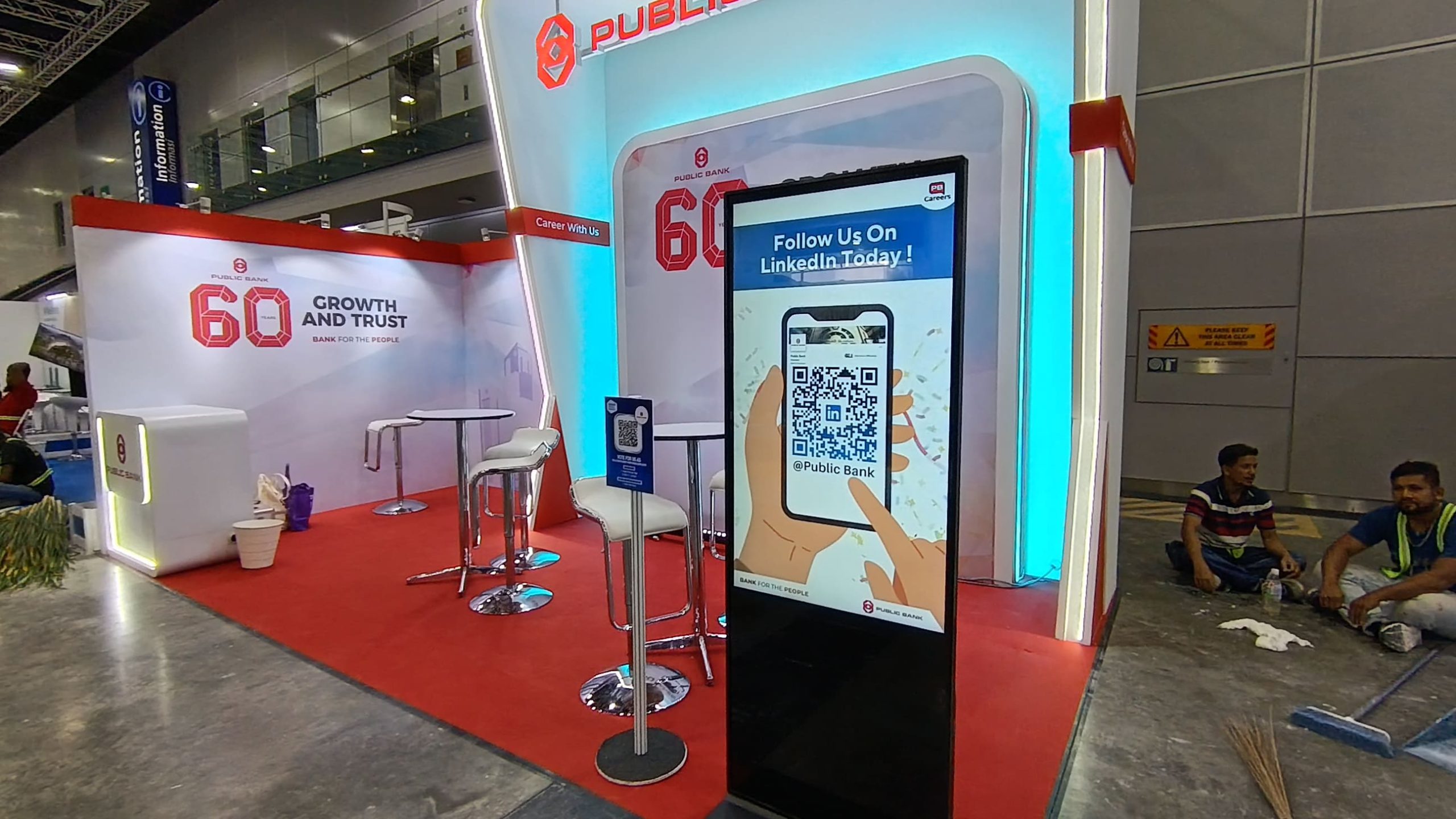 An LED screen can attract attention, but exhibitors also need ways to turn that initial interest into a meaningful interaction.
Adding an appropriate next step can help visitors explore products, access additional information or connect with the sales team.
Use QR codes to extend the experience
A QR code displayed on screen can direct visitors to a product catalogue, registration page, campaign landing page or digital brochure.
For example, a visitor interested in a particular product could scan the code to access its specifications. A service provider might direct interested prospects to a page where they can request a consultation.
Make sure the QR code remains large enough to scan and stays on screen long enough for visitors to use it. Test it from realistic viewing distances before the exhibition begins.
The destination should also work well on mobile devices. A visitor who scans a code but encounters a slow or confusing page may abandon the process.
Combine the screen with a live demonstration
Where appropriate, the display can support an activity led by booth staff. A product specialist might demonstrate a feature while the screen shows close-up details or supporting information.
A touchscreen or another interactive device may also allow visitors to browse product categories, compare options or explore a digital catalogue.
The interactive element should serve a clear purpose. Adding technology simply because it looks impressive can make the booth more complicated without improving the visitor experience.
Give visitors a clear next step
Think about what you want visitors to do after seeing the screen.
Depending on the exhibition objective, the next step might be to speak with a representative, attend a scheduled demonstration, request a quotation or scan a code for more information.
A simple call to action can help connect the display with the booth’s business goals. Keep the instruction direct and ensure staff are ready to respond when visitors show interest.
Choose the Right LED Screen Size, Resolution and Placement
The visual content may be excellent, but the screen still needs to suit the booth and the exhibition environment.
Choosing an appropriate display involves considering viewing distance, content type, available space, ambient lighting and the arrangement of the surrounding booth.
Match screen size to the booth
A large LED wall can create a strong focal point, but it may not be the best option for every exhibition stand.
A compact booth may benefit from a smaller display that leaves enough room for products, staff and visitor conversations. A larger stand may have space for a wide LED wall that supports demonstrations or multiple content zones.
Consider how visitors will approach the screen and where they will stand to view it. The display should complement the booth rather than dominate every part of the experience.
Consider pixel pitch and viewing distance
Pixel pitch refers to the distance between the centres of neighbouring pixels in an LED display. It affects how closely a viewer can stand before individual pixels become noticeable.
A finer pixel pitch is generally useful when visitors will view detailed content at close range. A screen viewed mainly from farther away may not require the same pixel density.
The right specification depends on the screen’s intended use, viewing distance, content and budget. Ask the rental provider to recommend an appropriate display rather than selecting solely by screen size.
Check brightness and image quality
Exhibition halls use different lighting arrangements, and the surrounding environment can influence how clearly a screen is seen.
The display should offer suitable brightness for the venue without producing an unnecessarily harsh image. Colour accuracy, contrast and playback quality also affect how products and branding appear.
If the booth relies on detailed product footage or brand colours, review sample content on the proposed display where possible.
Plan power, cabling and installation
LED screens require appropriate power arrangements, control equipment and secure installation. The setup should also account for cable management, access for technicians and any restrictions imposed by the exhibition organiser or venue.
For suspended or structurally integrated displays, confirm that the installation method is suitable and that the necessary approvals and qualified personnel are in place.
These considerations should be addressed during booth planning rather than left until installation day.
Integrate LED Screens Into the Overall Booth Design
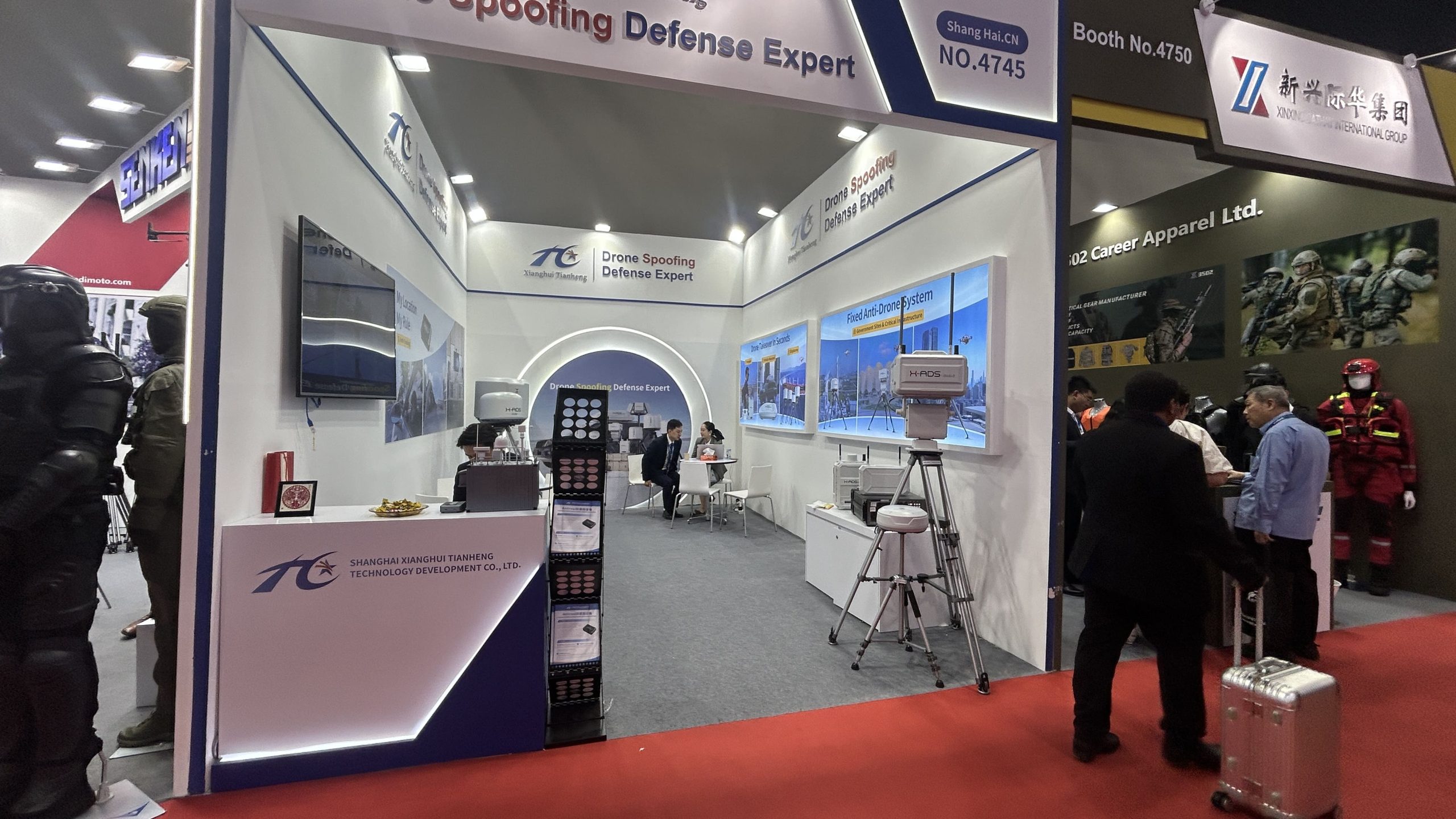 The final way to attract attention is to make the LED display part of a complete exhibition experience.
A screen may be visually impressive, but it cannot compensate for a booth that is difficult to enter, poorly organised or unclear about what it offers.
Design the booth around visitor flow
Consider how visitors will move from the aisle into the booth, where they will stop to watch the display and where conversations will take place.
Avoid positioning counters, furniture or product stands in ways that block the screen or make it difficult for people to approach.
If the screen attracts a crowd, allow sufficient space for viewing without obstructing the main aisle. Booth staff should be able to approach interested visitors without interrupting others.
Coordinate screens with lighting and physical displays
Lighting, graphics, furniture and product displays should support the same visual direction.
For example, the screen might provide the main brand story, while a product display gives visitors a closer look at the item being discussed. Lighting can help draw attention to important physical elements without competing unnecessarily with the screen.
If the booth uses several displays, assign a purpose to each one. One screen might introduce the brand, another might support a product demonstration, and a smaller display could provide detailed information.
This is usually more effective than showing the same content everywhere without a clear reason.
Plan the complete technical setup
Larger exhibition displays may involve LED panels, control equipment, playback devices, cabling and technical support. These components need to be considered alongside the booth’s physical design.
Confirm installation and dismantling times, power requirements, content formats and the responsibilities of the exhibition contractor and AV provider.
If the booth includes live presentations, product demonstrations or scheduled content changes, test the full arrangement before visitors arrive.
A coordinated setup helps ensure the display supports the exhibition experience from opening to closing.
Common Mistakes to Avoid When Using LED Screens at Exhibitions
LED screens can support effective exhibition marketing, but several mistakes can reduce their impact.
Showing too much text. Visitors may only glance at the screen briefly. Prioritise the main message and use visuals to support it.
Using repetitive content. A loop that repeats the same logo animation without explaining the product or service may attract initial attention but provide little useful information.
Ignoring viewing distance. Small text and detailed graphics may be difficult to understand from the aisle. Test the content at the distances visitors are likely to use.
Placing the screen where it cannot be seen. Booth structures, counters and neighbouring displays can block important sightlines.
Forgetting the call to action. Visual attention is useful, but visitors should also have a clear way to learn more or speak with your team.
Leaving technical checks until the last minute. Content playback, cables, power and screen configuration should be tested before the exhibition opens.
Avoiding these issues helps ensure that the screen serves a clear business purpose rather than functioning only as a decorative feature.
Frequently Asked Questions About LED Screen Rental for Exhibitions
Are LED screens suitable for small exhibition booths?
Yes. LED screens can be used in booths of different sizes. The most suitable display depends on the available space, viewing distance, content and budget. A smaller screen can still create a strong visual focal point when positioned and designed effectively.
What content should I display on an exhibition LED screen?
Useful options include product demonstrations, short brand videos, animated visuals, customer testimonials, project footage and concise service information. Choose content that helps visitors understand your business and gives them a reason to engage with your team.
Should I use an LED screen or printed graphics for my exhibition booth?
Both can serve useful purposes. Printed graphics provide permanent branding and information, while LED screens allow moving content and messages to be updated digitally. Many booths combine both, using printed graphics for supporting information and LED displays for product demonstrations or the main visual message.
How do I choose the right LED screen size?
Consider the booth dimensions, viewing distance, audience flow and the type of content you intend to show. Discuss these details with your rental provider so the screen is proportionate to the space and remains clear from the expected viewing positions.
Does LED screen rental include installation and technical support?
This depends on the provider and the agreed package. Confirm whether the quotation includes delivery, installation, control equipment, content playback, on-site technical support and dismantling. Ask for the scope of service in writing before confirming your booking.
Can LED screens help generate exhibition leads?
LED screens can support lead-generation activities by demonstrating products, highlighting benefits and directing visitors to a clear next step, such as a QR code or consultation area. However, results depend on the relevance of the content, the booth experience and how effectively staff engage with visitors.
Further Reading
Create an Immersive Product Display With LED Screens at Your Exhibition Booth
Explore how LED displays can support product storytelling, immersive visuals and a more engaging exhibition booth experience.
LED Screens: How to Attract Visitors to Your Trade Show Booth
Learn how screen visibility, dynamic content and strategic placement can help exhibitors communicate their message and attract attention on a busy show floor.
Planning Your Next Exhibition?
A successful exhibition display starts with a clear objective. Whether you want to showcase products, strengthen brand visibility or support live demonstrations, the right LED screen setup can help communicate your message and create a more engaging booth experience.
At DOREMi Services & Rental Sdn Bhd, we provide event technology and production solutions to support exhibitions, corporate events and other live experiences. Our services include LED displays, audiovisual equipment, sound systems, lighting and event production support, with technical requirements planned around the needs of each project.
Planning an exhibition or trade show in Malaysia? Explore DOREMi’s event production services or contact our team to discuss your LED screen rental requirements and how the display can be integrated into your booth design.