Key Takeaways
- A successful event design experience starts with a clear audience outcome, focusing on what attendees should feel, remember, or do after the event.
- Creating a holistic event experience requires designing every stage of the attendee journey, including before, during, and after the event.
- Audience engagement is strengthened when attendees are encouraged to actively participate through interactive and meaningful experiences.
- Experiential marketing can help brands create deeper connections by turning attendees into active participants rather than passive observers.
- Sensory interaction, such as lighting, music, visuals, and immersive environments, can enhance memory creation and make events more memorable.
- Signature event moments that create emotional connections are more likely to leave a lasting impression on attendees.
- Strategic brand activation should support the overall event experience by encouraging meaningful interaction without disrupting the attendee journey.
- Measuring audience engagement, participation, and post event awareness helps brands evaluate the success and long-term impact of their event design experience.
A well-organised event can run smoothly, but a memorable event is one that people continue talking about long after it ends. That’s where event design experience comes in. Rather than focusing solely on logistics, event experience design focuses on how attendees feel, interact, and engage throughout their journey.
By combining audience engagement, participation, sensory interaction, and meaningful emotional connection, brands can create experiences that leave a lasting impression. In this article, we’ll explore how to craft a perfect event through event experience design and turn every touchpoint into an opportunity for deeper engagement and stronger post event awareness.
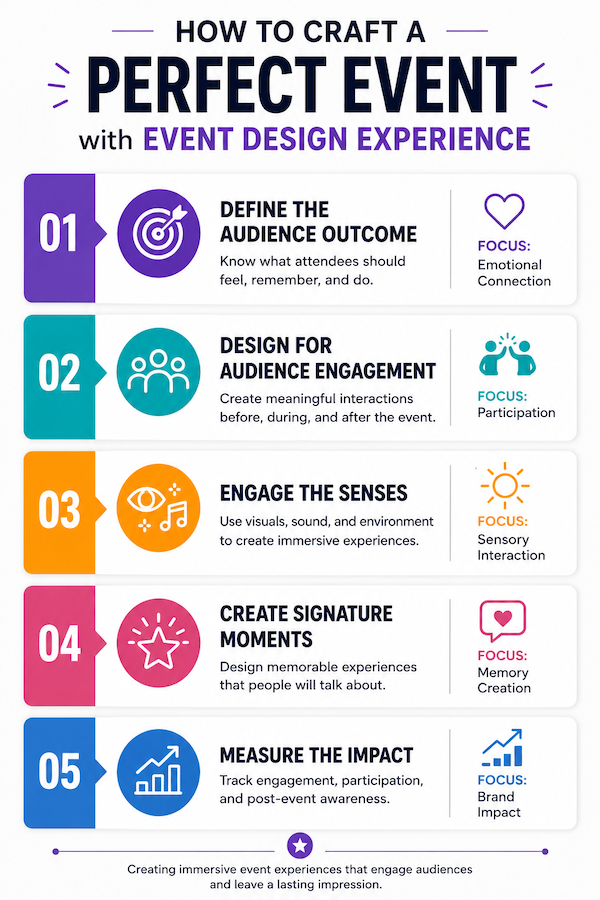
Craft the Perfect Event
1. Start Your Event Design Experience with a Clear Audience Outcome
A strong event design experience begins with one important question: What should attendees feel, remember, or do after the event?
Instead of starting with the venue, programme, or décor, start with the audience outcome. This helps every decision serve a clear purpose, from the flow of activities to the way guests interact with the brand.
How Emotional Connection Shapes Event Design Experience
The best events are not only well-planned; they create an emotional connection. Whether the goal is to inspire trust, build excitement, encourage networking, or introduce a new product, the desired emotion should guide the experience.
When the audience outcome is clear, each touchpoint becomes more intentional, creating stronger audience engagement and a more memorable event journey.
2. Design a Holistic Event Experience Around Audience Engagement
A memorable event is not defined by a single moment. It is shaped by every interaction attendees have before, during, and after the event.
Creating a holistic event experience means viewing the attendee journey as a connected experience rather than a series of separate activities. When each touchpoint is designed with audience engagement in mind, attendees are more likely to stay involved, participate actively, and remember the experience long after it ends.
Build Audience Engagement Before the Event Begins
The event experience starts well before guests arrive at the venue. Registration pages, invitation emails, social media teasers, and pre-event communications all help shape expectations.
Creating excitement and providing valuable information early can increase anticipation and encourage attendees to become invested in the event before it even starts.
 Encourage Participation Throughout the Event Experience
Modern audiences want to be involved, not just entertained. Encouraging participation through interactive activities, live polls, workshops, networking opportunities, or hands-on experiences can make attendees feel like active contributors rather than passive observers.
This is one reason why experiential marketing has become such an effective approach for events. By creating opportunities for interaction, brands can build deeper engagement and foster more meaningful connections with their audience.
Extend Audience Engagement Through Post Event Awareness
The attendee journey should not end when the event concludes. Follow-up emails, event highlights, social media content, and exclusive post-event resources can help maintain momentum and strengthen post event awareness.
By continuing the conversation after the event, brands can reinforce key messages and keep the experience top of mind for attendees.
3. Use Sensory Interaction to Create a Memorable Event Design Experience
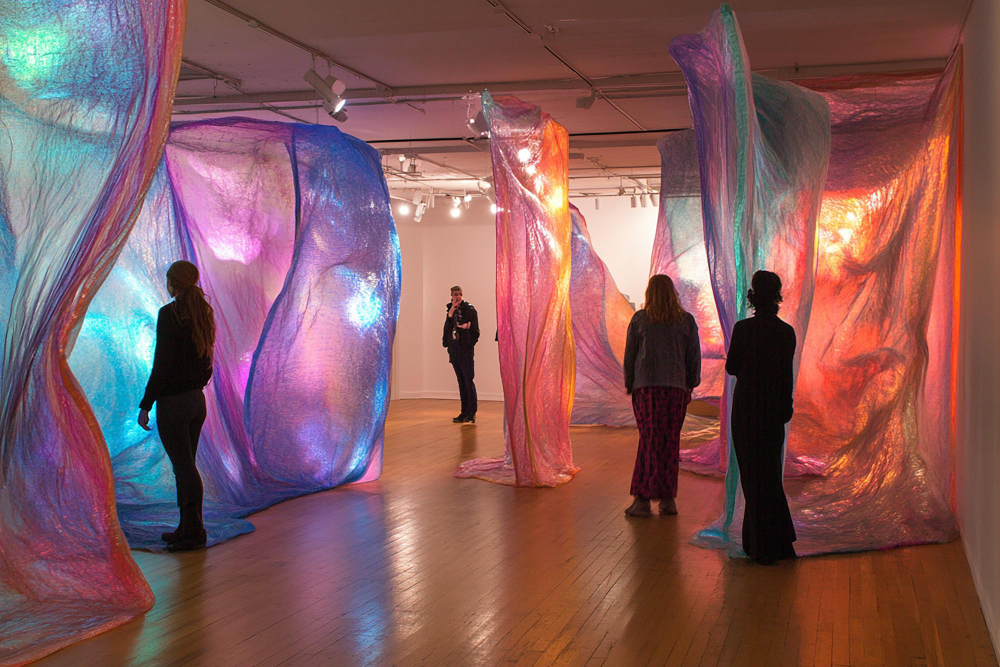
A great event design experience engages more than just the audience’s attention. It engages their senses. Thoughtful sensory interaction can make an event feel more immersive, helping attendees connect with the experience on a deeper level.
From visual elements and lighting to music, textures, and even scents, every sensory touchpoint contributes to how an event is perceived and remembered.
Why Multi-Sensory Experiences Improve Memory Creation
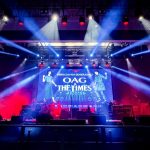
People are more likely to remember experiences that stimulate multiple senses. A well-designed environment can evoke emotions, reinforce key messages, and make interactions feel more meaningful. For example, dynamic lighting can create excitement, while carefully selected music can influence mood and energy levels.
When sensory elements work together cohesively, they enhance memory creation and help transform ordinary events into experiences that leave a lasting impression on attendees.
Drive Memory Creation with Signature Event Moments
The most memorable events often have one thing in common: a standout moment that attendees remember long after the event ends. These moments do not happen by chance. They are intentionally designed to surprise, inspire, or delight attendees at key points throughout the event journey.
Signature moments can take many forms, from an impactful keynote reveal and immersive product demonstration to an unexpected interactive activity. When planned strategically, these moments create stronger emotional responses and help differentiate the event from others attendees may have experienced.
How Emotional Connection Leads to Stronger Memory Creation
People are more likely to remember experiences that make them feel something. Creating an emotional connection through storytelling, shared experiences, or meaningful interactions can strengthen memory creation and make the event more impactful.
Rather than overwhelming attendees with information, focus on creating moments that resonate on a personal level.
Turn Memorable Experiences into Post Event Awareness
A memorable event experience often extends beyond the event itself. When attendees share their experiences on social media, discuss key moments with colleagues, or engage with follow-up content, they contribute to greater post event awareness.
By designing share-worthy and meaningful moments, brands can amplify their reach and keep the conversation going long after the event has ended.
4. Align Brand Activation with Audience Engagement
An effective event experience should balance business objectives with attendee expectations. While brands often use events to increase visibility or promote products, the most successful experiences focus on delivering value to the audience first.
When attendees feel engaged rather than marketed to, they are more likely to develop a positive perception of the brand.
How Brand Activation Supports Event Design Experience
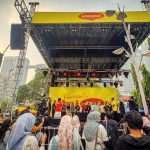
Strategic brand activation can enhance an event experience by creating opportunities for meaningful interaction. Whether through product demonstrations, interactive installations, or hands-on activities, activation efforts should encourage participation and support the overall event journey.
Brand activation becomes a natural part of the event design experience when integrated thoughtfully. This helps brands build stronger connections with their audience without disrupting the experience itself.
5. Measure the Success of Your Event Design Experience
Event design is important, but understanding its impact is equally valuable. Measuring the success of your event design experience helps determine whether the event achieved its intended objectives and delivered meaningful value to attendees.
By tracking the right metrics, brands can identify what worked well and uncover opportunities to improve future events.
Metrics That Reveal Audience Engagement and Participation
Attendance alone does not tell the full story. To evaluate audience engagement and participation, consider metrics such as session attendance, activity participation rates, networking interactions, and attendee feedback. These insights can reveal how actively attendees engaged with the experience throughout the event.
Tracking Post Event Awareness and Brand Impact
The impact of a successful event often continues after it ends. Monitoring social media mentions, content shares, website traffic, and post-event enquiries can help measure post event awareness and overall brand impact. These indicators provide valuable insights into how well the event resonated with attendees and extended its reach beyond the venue.
 Conclusion: Turn Event Design Experience into Long-Term Brand Impact
A successful event is more than a well-executed programme. It is an experience that people remember, talk about, and act upon. By focusing on audience engagement, meaningful participation, sensory interaction, and memory creation, brands can create stronger emotional connections with their attendees.
When every touchpoint is intentionally designed, an event design experience can continue generating value long after the event ends, driving lasting brand impact and stronger post event awareness.
Whether you’re planning a corporate event, product launch, or brand activation campaign, investing in the attendee experience is one of the most effective ways to create meaningful and memorable results.
At DOREMi, we help brands transform ideas into immersive event experiences that engage audiences, strengthen brand connections, and leave a lasting impression.