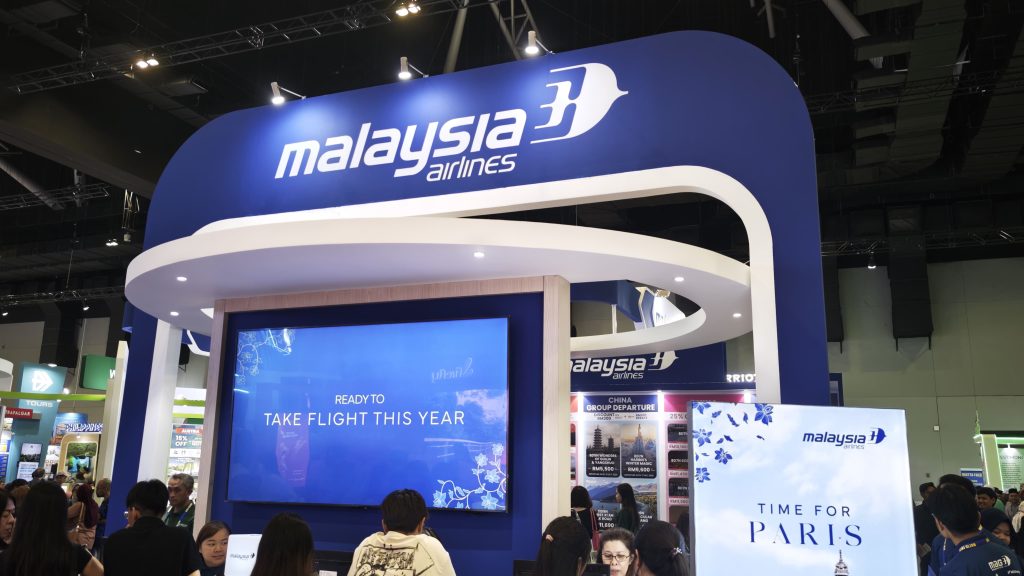
At exhibitions, trade shows and corporate showcases, getting people to stop at a booth is only the first challenge. Once visitors approach, the booth needs to direct their attention towards the products, displays and key branding elements that matter most.
This is where a well-designed lighting system becomes more than a source of illumination.
Strategically positioned lighting can create visual hierarchy, separate products from their surroundings and ensure important displays remain clearly visible even in a busy exhibition hall. Among the fixtures used for precise product highlighting, 400W profile lights provide a powerful combination of brightness, beam control and focusing capability.
Rather than flooding an entire booth with light, a profile fixture allows lighting designers to direct illumination towards specific products, displays, signage or architectural features.
For exhibitors investing heavily in booth design and product presentation, this level of control can make a significant difference.
Why Booth Lighting Requires More Than General Illumination
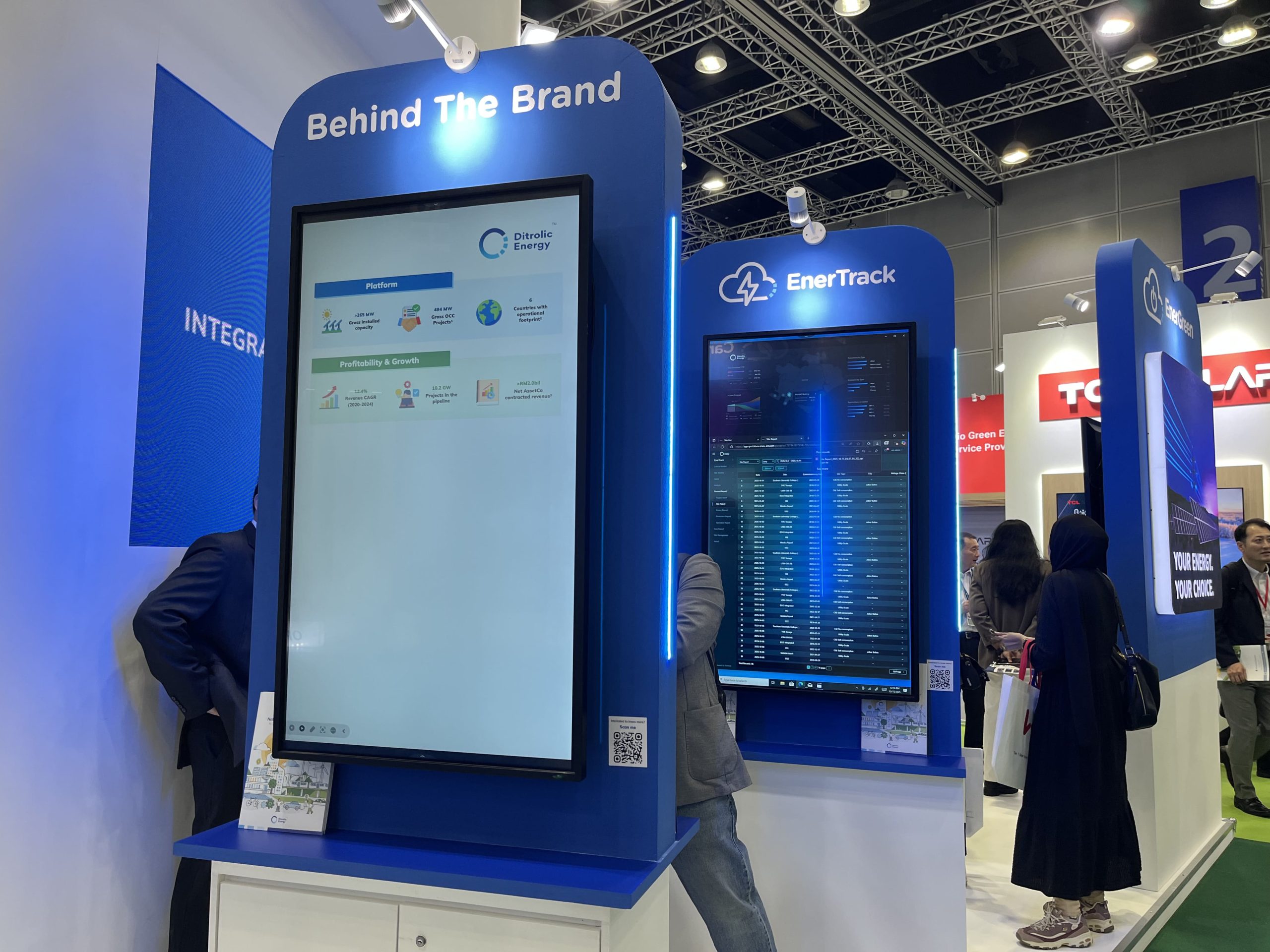
Exhibition halls are typically filled with competing visual stimuli.
Hundreds of booths may operate under the same venue lighting, with large LED screens, illuminated signage, product displays and decorative lighting competing for visitors’ attention. Under these conditions, simply making a booth brighter does not necessarily make it more effective.
The objective of a professional lighting system is to establish visual hierarchy.
A well-planned system should answer several questions:
- Which product should visitors notice first?
- Which display deserves secondary attention?
- Where should the visitor’s eye naturally move?
- Are product colours represented accurately?
- Are important details visible from the main visitor approach?
- Is unwanted light spilling into neighbouring areas?
- Does the lighting complement the booth’s architecture and branding?
This is where controlled fixtures such as profile lights become particularly useful.
Instead of producing broad, uncontrolled illumination, a profile fixture can create a defined beam that places light exactly where it is needed.
What Is a 400W Profile Light?
A profile light is a professional stage and event lighting fixture designed to produce a controlled beam of light.
Unlike a basic floodlight, a profile fixture typically provides optical and mechanical controls that allow technicians to shape, focus and position the beam.
A 400W profile light refers to a high-output fixture with approximately 400 watts of electrical power. The actual light output depends on the fixture’s LED engine, optical efficiency, lens configuration and manufacturer specifications, so wattage alone should not be used as the only measure of performance.
The important advantage is the combination of high output and optical control.
For exhibition applications, this allows a lighting designer to produce a strong, focused beam directed towards:
- Product displays
- Featured merchandise
- Demonstration areas
- Brand logos
- Architectural structures
- Promotional graphics
- Display counters
- Hero products
- Special installations
The result is a more deliberate visual presentation.
Why Use a 400W Profile for Product Highlighting?
Product highlighting is fundamentally about controlling attention.
Imagine a booth displaying ten products. If every product receives exactly the same level of illumination, there is little visual distinction between the main product and supporting displays.
A focused lighting approach allows the designer to establish priorities.
For example, the booth may use general ambient lighting across the entire stand while several 400W profiles provide stronger accents on selected products.
This creates a simple visual hierarchy:
Ambient illumination → Product illumination → Hero-product accent
The visitor can then understand the booth’s priorities more quickly.
1. High Output for Large Exhibition Spaces
Exhibition halls can be large and visually demanding environments.
A booth may be surrounded by bright displays, overhead venue lighting and neighbouring exhibitors using their own lighting systems. A low-output fixture may struggle to provide sufficient impact, particularly when the product is positioned several metres away from the lighting position.
A high-output profile can provide the additional illumination required to make selected products stand out.
This does not mean every booth needs maximum power. Fixture selection should always consider booth size, mounting height, beam angle, ambient light and the required illumination level.
The objective is appropriate output, not simply maximum output.
2. Precise Beam Control
One of the biggest advantages of a profile fixture is control.
A conventional floodlight may illuminate a wide area, potentially lighting the product, surrounding walls, floor and neighbouring displays at the same time.
A profile fixture can provide a much more controlled beam.
This is especially valuable when the booth contains:
- Glossy products
- Reflective surfaces
- Glass displays
- Printed graphics
- High-value showcase products
- Detailed prototypes
- Small product installations
The tighter the visual requirement, the more important beam control becomes.
3. Creating Visual Hierarchy
Effective booth design is not about making everything equally bright.
A lighting designer can use different intensity levels to establish a hierarchy between:
Primary features
Hero products, key displays and major branding.
Secondary features
Supporting products, information panels and interactive areas.
Background elements
Walls, architectural structures and general booth areas.
A 400W profile can therefore function as a visual tool rather than simply a lighting fixture.
Precision Matters: Beam Angle and Throw Distance
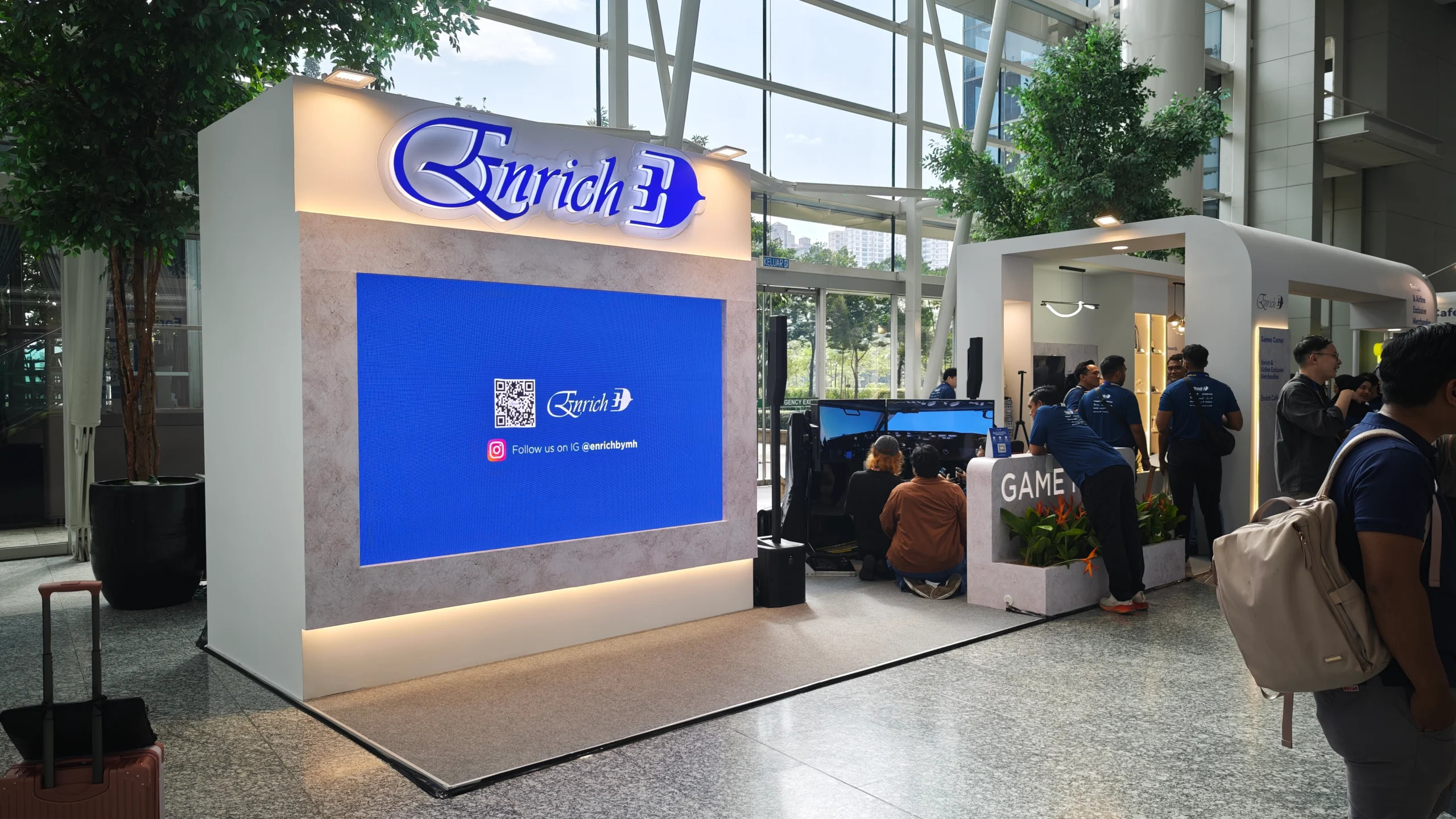
Installing a powerful fixture without considering its optics can produce poor results.
Two important factors are beam angle and throw distance.
Beam Angle
Beam angle determines how wide the light spreads.
A narrow beam concentrates light over a smaller area, producing stronger intensity on the target. A wider beam covers a larger area but distributes the available output across a broader surface.
For product highlighting, the appropriate beam angle depends on the size of the product and the distance between the fixture and the target.
A narrow beam may be suitable for a single hero product.
A wider beam may be better for illuminating a large display wall or multiple products.
Throw Distance
Throw distance is the distance between the lighting fixture and the illuminated surface.
As the fixture moves further away, the beam spreads according to the optical characteristics of the fixture. The lighting designer therefore needs to understand how the selected lens and mounting position affect the final beam size.
For example, a fixture mounted high above a booth may require a different optical configuration from one mounted on a low truss structure.
This is why professional lighting design begins with the booth layout rather than the fixture catalogue.
Profile Lights and Booth Architecture
A modern exhibition booth is often more than four walls and a counter.
Designs may include:
- Suspended structures
- Hanging signage
- Product towers
- Display walls
- LED screens
- Curved structures
- Architectural frames
- Shelving
- Demonstration counters
- Interactive zones
Lighting must work together with these structures.
A poorly positioned fixture can create unwanted shadows behind products or illuminate the wrong surface. It can also produce glare on screens, glass or glossy materials.
A professional lighting system therefore considers both the fixture and the physical environment.
Avoiding Glare on Products and Displays
More light does not automatically mean better product visibility.
Reflective surfaces can create glare when illuminated from an unsuitable angle. Glass, polished metal, glossy packaging and screens can reflect light directly towards visitors.
This can make a product harder to see rather than easier.
Lighting designers need to consider:
- Fixture angle
- Product surface
- Visitor viewing position
- Reflective materials
- Screen locations
- Display height
- Surrounding lighting
In some cases, moving a profile fixture only a small distance or changing its angle can significantly improve the viewing experience.
Colour Quality Is Critical for Product Presentation
For product-focused exhibitions, brightness is only one part of the equation.
Colour quality is equally important.
A product displayed under poor-quality light may appear different from its intended colour. This can be particularly problematic for:
- Fashion
- Automotive
- Cosmetics
- Furniture
- Consumer electronics
- Food and beverage
- Interior products
- Luxury goods
A professional lighting system should therefore consider colour rendering and colour consistency when selecting fixtures.
The goal is to ensure the product looks natural and visually accurate under the exhibition lighting.
Using Profiles Alongside LED Screens
Many modern booths combine physical products with digital displays.
Large LED Screens may be used for:
- Brand videos
- Product demonstrations
- Corporate presentations
- Motion graphics
- Social media content
- Product specifications
However, an LED screen cannot replace physical product lighting.
The screen provides the digital visual layer, while profile fixtures can direct attention towards the physical product itself.
The two technologies can therefore work together.
For example:
LED Screen: Displays a product campaign video.
400W Profile: Highlights the actual product positioned beneath the screen.
Ambient Lighting: Provides general booth illumination.
This creates a layered visual experience where digital content attracts attention and focused lighting reinforces the physical product.
Positioning 400W Profiles for Maximum Effect
Fixture positioning should be planned before installation.
Common mounting positions include:
Overhead Truss
Fixtures mounted on overhead truss can provide a strong downward lighting angle.
This is useful for illuminating product counters, display islands and central installations.
Booth Ceiling Structure
Some booths have their own ceiling or architectural structure. Profile fixtures can be integrated into these structures to create a clean and controlled appearance.
Vertical Structures
Fixtures positioned on side structures can produce cross-lighting or accent lighting.
This may be useful when overhead mounting is not possible.
Front-of-House Positions
In some exhibition environments, fixtures may be positioned towards the front of the booth to illuminate major displays from the visitor approach.
The correct position depends on the booth design, venue restrictions, rigging requirements and target products.
Lighting Design Should Start With the Booth Layout
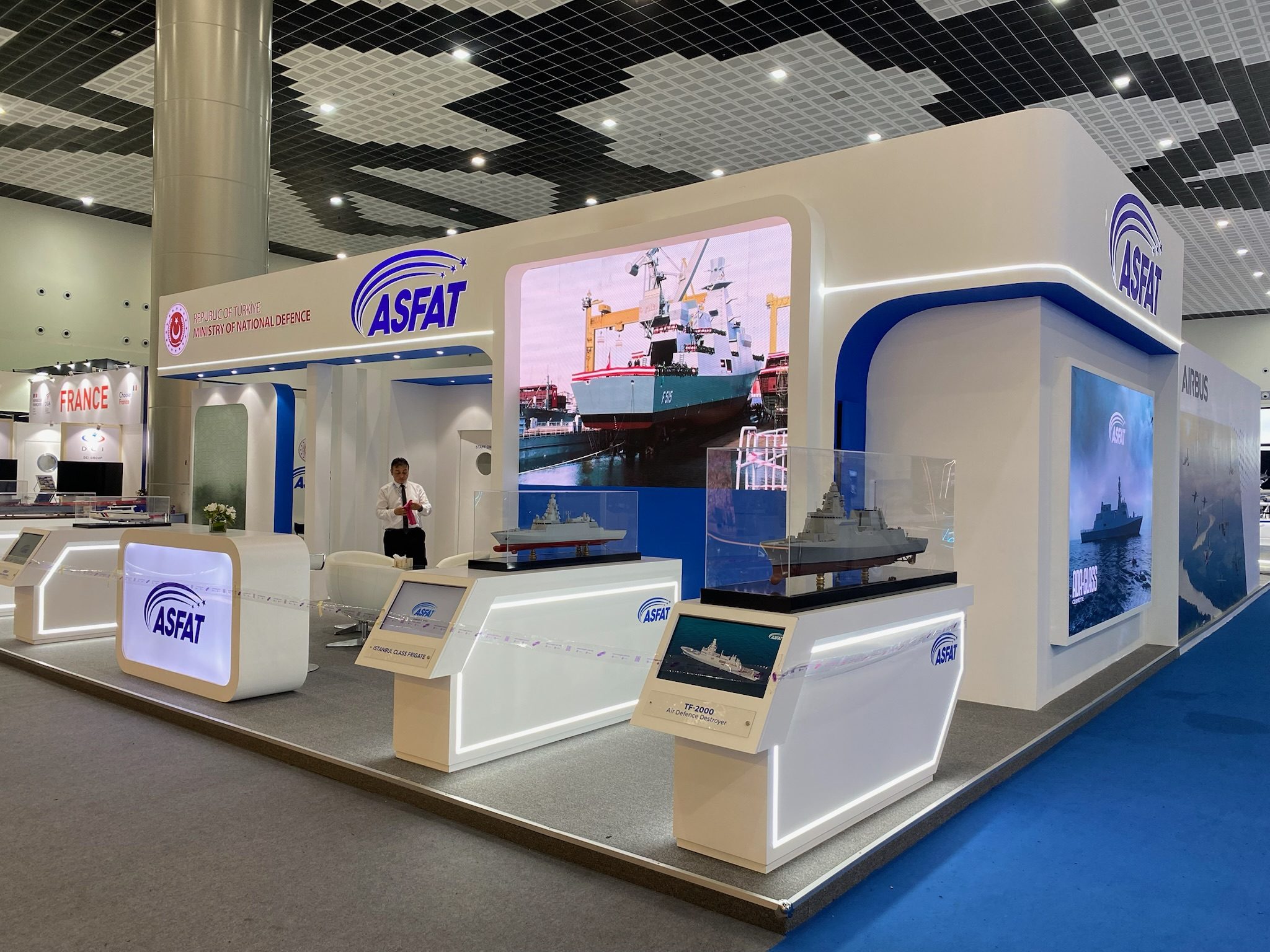
A common mistake is selecting fixtures first and deciding where to place them later.
The better approach is to begin with the booth design.
A lighting designer can review:
- Booth dimensions
- Ceiling height
- Product locations
- Visitor pathways
- Branding positions
- LED Screen locations
- Architectural structures
- Mounting points
- Venue lighting
- Electrical availability
From there, the team can determine the required fixture types, quantities, positions and control requirements.
This approach helps prevent unnecessary equipment and improves the consistency of the final lighting design.
Control Is Just as Important as Output
A professional lighting system should not only provide powerful fixtures. It should also provide appropriate control.
Lighting control allows technicians to adjust parameters such as:
- Intensity
- Colour
- Beam characteristics
- Timing
- Scene settings
- Fixture groups
- Special effects
For an exhibition booth, the lighting may need to operate continuously throughout the show.
Different scenes can also be programmed for specific moments, such as:
- Product demonstrations
- Media launches
- VIP visits
- Presentations
- Press photography
- Opening ceremonies
This transforms the booth lighting from a static installation into an adaptable event technology system.
Power Planning for High-Output Fixtures
Electrical planning should never be overlooked.
A 400W fixture represents a significant electrical load when multiple units are deployed. For example, ten fixtures at 400W each represent approximately 4kW of fixture load before considering other equipment.
The complete power requirement may also include:
- LED Screens
- Audio equipment
- Computers
- Product demonstration equipment
- Refrigeration
- Decorative lighting
- Control systems
- Charging stations
Professional planning should therefore account for the total electrical demand rather than evaluating the lighting fixtures in isolation.
Power distribution, cable routing and circuit loading should be coordinated with the venue and overall booth installation.
Thermal Management and Continuous Operation
Exhibition booths may operate for long hours over several consecutive days.
Lighting equipment therefore needs to be suitable for sustained operation.
Thermal management becomes important because high-output fixtures generate heat during operation. Proper fixture ventilation, installation clearance and equipment specifications should be considered during setup.
Professional technicians should also inspect equipment before deployment and monitor the system during operation where required.
Reliability is particularly important when the booth represents a major product launch or corporate brand.
A lighting failure during a busy exhibition period can immediately affect product visibility and presentation quality.
Why Professional Lighting Design Matters
A professional lighting system is not simply a collection of bright fixtures.
It is an engineered visual environment.
The effectiveness of the system depends on how different elements work together:
Fixture selection
Choosing suitable output, optics and colour characteristics.
Positioning
Placing fixtures at appropriate angles and distances.
Control
Managing intensity and lighting scenes.
Power distribution
Ensuring the system can operate safely and reliably.
Integration
Coordinating lighting with LED Screens, staging, audio and booth architecture.
Operation
Monitoring and adjusting the system throughout the event.
This integrated approach is particularly valuable for larger exhibitions and high-profile product showcases.
When Should Exhibitors Consider 400W Profiles?
400W profile fixtures may be particularly useful when:
- The booth has high ceilings.
- Products need strong visual emphasis.
- The venue has bright ambient lighting.
- The booth contains large architectural structures.
- Products are positioned several metres from available mounting points.
- The exhibitor wants a premium presentation.
- Specific products need to be prioritised.
- The booth includes glossy or reflective surfaces.
- Product photography and media coverage are expected.
- The lighting needs to integrate with a broader event production system.
However, fixture power should always be matched to the application.
A smaller booth with low mounting positions may not require a 400W fixture. Professional assessment is the best way to determine the appropriate equipment.
Building a Product-Focused Lighting System
The most effective booth lighting starts with a simple principle:
Light what matters.
Instead of attempting to make every part of the booth equally bright, the lighting design should guide visitors towards the products and messages the exhibitor wants them to remember.
A combination of general illumination, focused profile lighting, architectural lighting and digital displays can create a much more sophisticated environment.
The 400W profile is particularly useful when high output needs to be combined with precision.
Its value lies not simply in its power, but in its ability to put that power where it is needed.
DOREMi: Professional Lighting Systems for Exhibition Environments
Exhibitions require lighting that works within the constraints of the venue, booth architecture, product positioning and event schedule.
DOREMi provides professional lighting system solutions designed around the technical and visual requirements of events, including exhibitions, trade shows, product launches and corporate activations.
From fixture selection and positioning to power planning, installation, testing and on-site technical support, the lighting system can be coordinated with other event technologies to create a cohesive production environment.
With more than 45 years of experience in event technology and production, DOREMi combines technical expertise with practical event execution to help organisers and exhibitors achieve reliable, professional results.
Final Thoughts
Effective booth lighting is about much more than making a space brighter.
It is about directing attention.
A carefully positioned 400W profile can isolate a hero product, strengthen a brand display and create visual contrast within a crowded exhibition environment. When combined with the right beam angle, mounting position, colour quality and control strategy, it becomes a precise tool for product presentation.
For exhibitors investing in booth design, products and brand experiences, a professionally planned lighting system can help ensure those investments receive the attention they deserve.
The right light does not simply illuminate the product.
It tells visitors where to look.
Further Reading
For more creative approaches to event lighting and how lighting can influence the atmosphere and overall experience, explore DOREMi’s 20 Jaw-Dropping Creative Lighting Design Ideas for Events.
For a behind-the-scenes look at how lighting contributes to memorable event experiences, read How Lighting Shapes Unforgettable Events: A Behind-the-Scenes Look from Innovation Lighting.
Planning a Professional Lighting System for Your Event?
Planning a conference, exhibition, product launch, corporate event or large-scale production that requires professional and reliable lighting?
DOREMi can develop an integrated lighting solution covering profile lights, moving lights, architectural lighting, stage lighting, decorative lighting and lighting control according to the requirements of the venue, booth and event.
Speak with DOREMi’s event technology specialists to plan a professional lighting system that enhances visibility, creates the right atmosphere and keeps your event looking its best from setup to showtime.