Two events. One venue. One seamless production turnover.
In event production, the work does not always end when the audience leaves.
Sometimes, the real challenge begins immediately after the final cue.
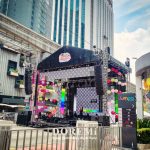
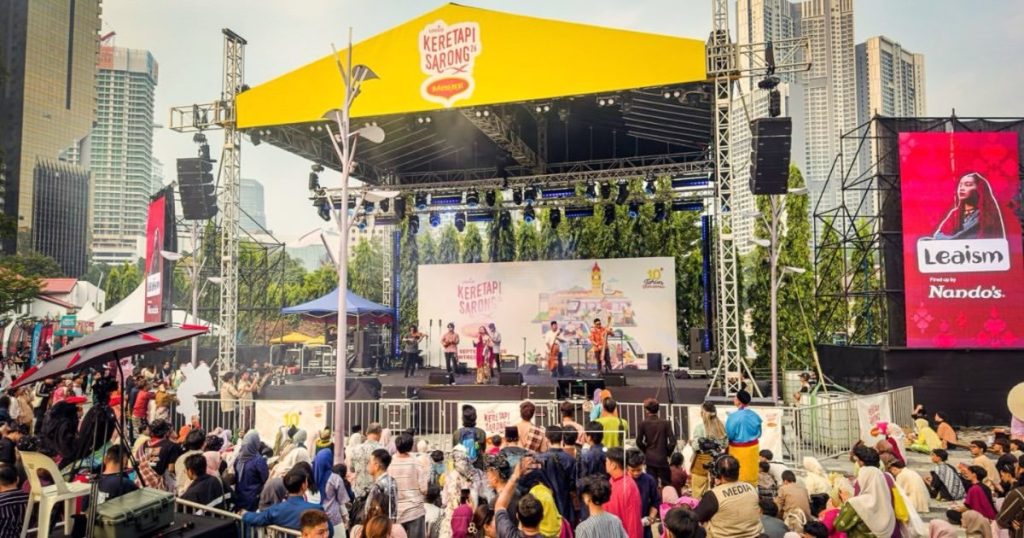
That was the case at The Exchange TRX, where DOREMi supported two major events taking place back-to-back during Malaysia Day week: Keretapi Sarong 2026 followed by Karnival Saya & MAGGI.
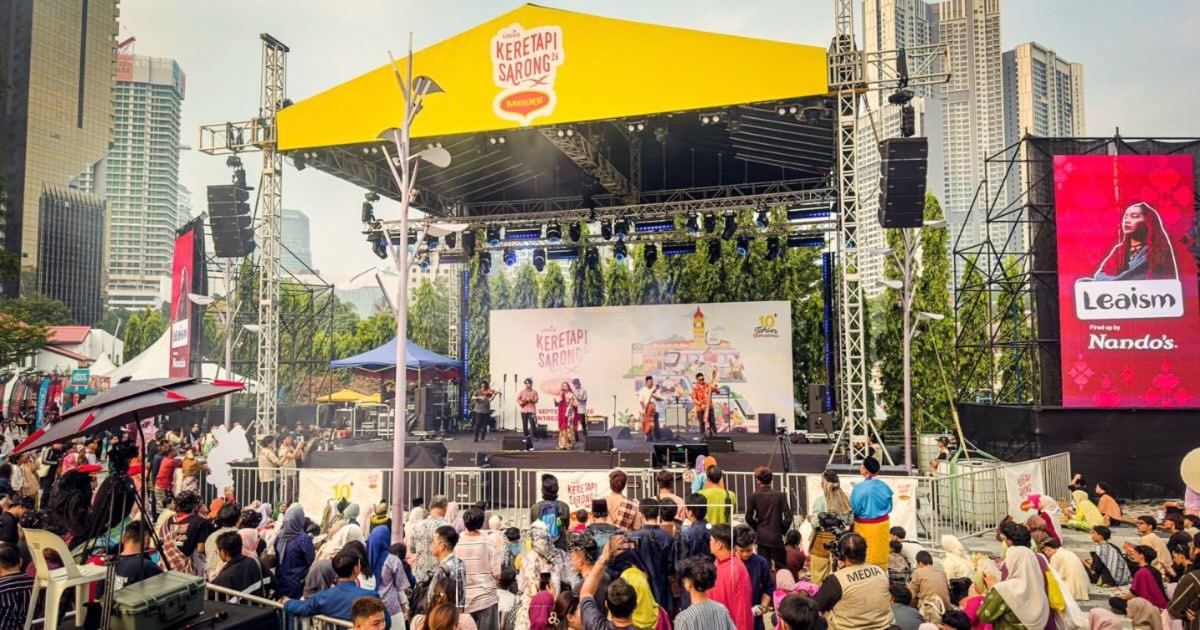
For Keretapi Sarong 2026, DOREMi provided full technical production support, including staging, rooftop truss, sound, lighting and backline. But once the event ended, the team could not simply pack everything away and leave.
The same venue was preparing to welcome another large-scale activation.
The production setup had to be turned around, adapted and prepared for the MAGGI event that followed.
This meant working against a tight timeline while managing equipment, technical requirements, venue conditions and the transition between two very different event experiences.
For an event technology provider, this is where production capability is tested beyond the equipment itself.
It is about planning.
It is about coordination.
And most importantly, it is about having a team that can move from one production requirement to another without compromising execution.
Keretapi Sarong 2026: A Large-Scale Cultural Celebration
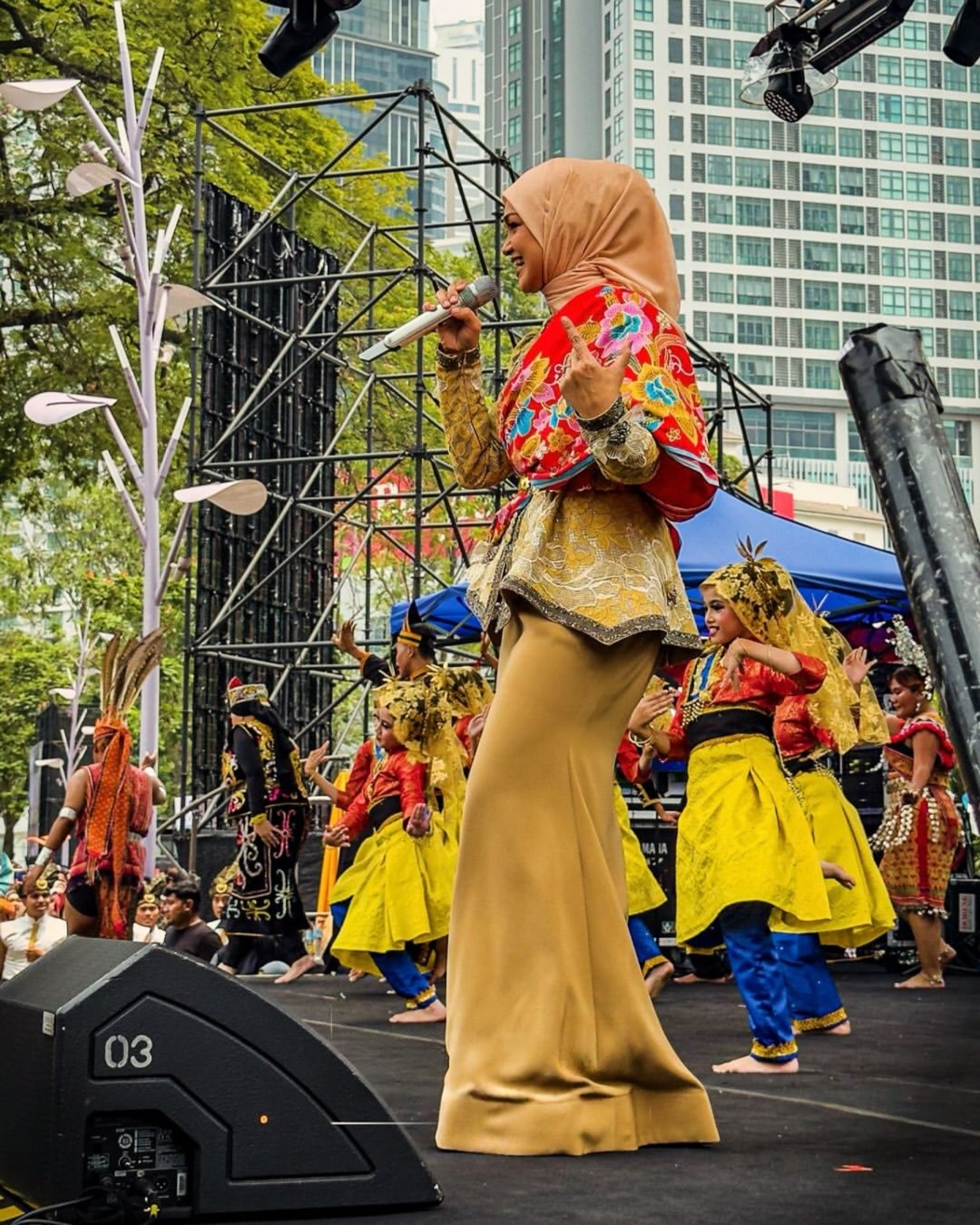 Keretapi Sarong has become one of Malaysia’s recognisable Malaysia Day celebrations, bringing participants together in traditional attire and turning public transport and urban spaces into part of the celebration.
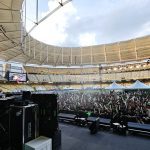
The 2026 edition marked the event’s 10th anniversary and expanded across multiple locations nationwide. In the Klang Valley, participants travelled from different starting points before converging at the final destination at Raintree Plaza, The Exchange TRX.
The scale of the gathering meant that the final destination needed more than a visual stage.
It needed a complete technical environment capable of supporting performances, announcements, music and the energy of a large crowd.
That is where DOREMi’s production scope came into play.
For Keretapi Sarong 2026, #TeamDOREMi delivered technical production covering:
- Staging
- Rooftop truss
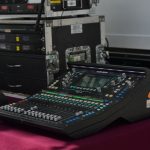
- Sound systems
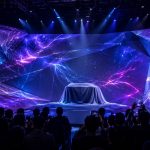
- Event lighting
- Backline equipment
Each element had a role within the overall production.
The stage created the central performance and presentation area. The truss provided the structural framework required for the production setup. Sound systems supported the programme and performances, while lighting helped shape the visual atmosphere.
Backline equipment, meanwhile, supported the live performance requirements behind the scenes.
While audiences experience these elements as one production, each system has its own technical requirements.
That means installation cannot be approached as a collection of separate equipment items.
Everything has to work together.
The Production Challenge Did Not End With the Event
A successful event can make production look simple.
The audience sees the stage, hears the music and watches the performances.
What they do not see is the amount of coordination required to make everything happen at the right time.
And when another event is scheduled immediately afterwards, the production team has another challenge to solve.
The first event cannot simply be treated as an isolated project.
The team has to think about what happens next.
At TRX, the DOREMi team moved directly from the Keretapi Sarong production into the next phase: a full production turnover for the MAGGI event.
This meant the existing setup had to be assessed, repositioned and adapted according to the requirements of the next production.
The objective was not simply to dismantle equipment.
It was to transform the production environment efficiently.
That distinction is important.
A standard event breakdown involves removing equipment, packing it and clearing the venue.
A production turnover between consecutive events requires a different mindset.
Equipment may need to be retained, moved, reconfigured or integrated into a new layout. Technical positions may change. Stage requirements may be different. Lighting positions may need adjustment. Audio requirements may change depending on the programme.
And all of this has to happen within the available turnover window.
From Cultural Celebration to Brand Activation
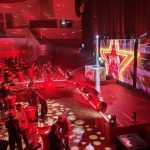
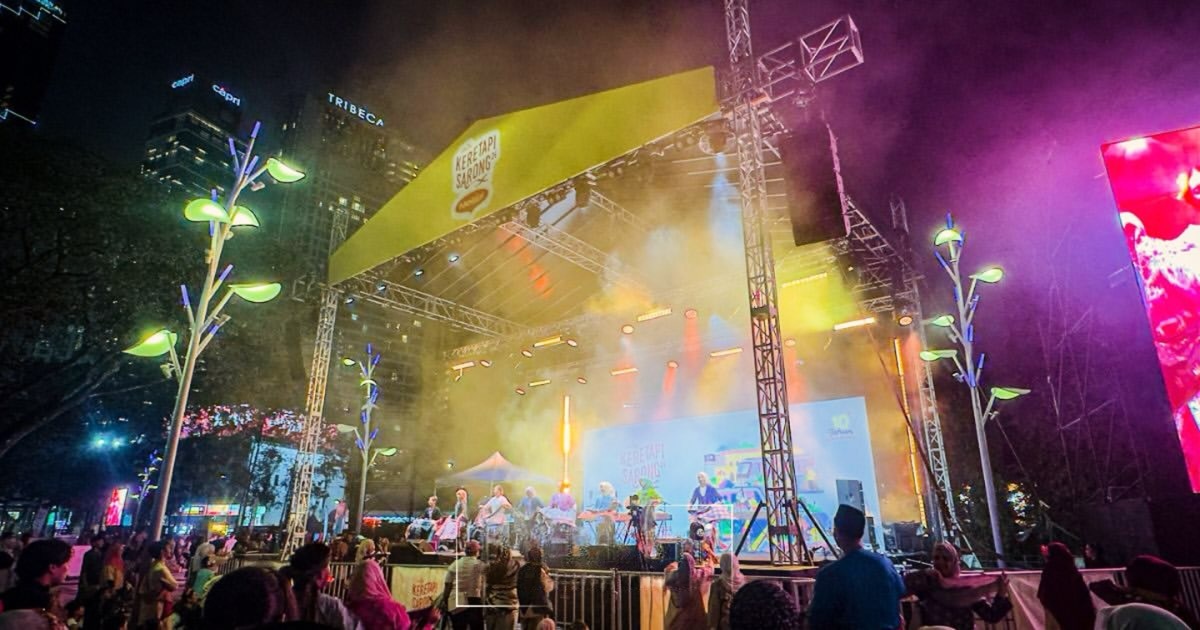
 The second event, Karnival Saya & MAGGI, brought a different type of audience experience to the same TRX location.
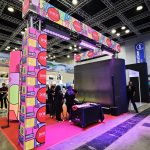
The four-day carnival, held from 17 to 20 September 2026, featured food experiences, interactive activities, community elements and live entertainment. A preview was also held in conjunction with the arrival of Keretapi Sarong participants at the venue on 16 September.
This created an interesting production sequence.
One event was centred around a large-scale cultural celebration, while the next transformed the same environment into a consumer-facing brand experience.
The production requirements therefore had to evolve with the event.
For the technical team, the challenge was not simply:
“Can the equipment be moved?”
It was:
“Can the production environment be ready for the next event on time?”
That requires careful coordination between people, equipment, technical positions and the overall event schedule.
What a Production Turnover Actually Involves
A production turnover can look straightforward from the outside.
In reality, several decisions need to happen quickly.
The team needs to understand what can remain, what needs to move and what needs to change.
1. Reviewing the Existing Setup
The first step is understanding the setup that has just completed its event cycle.
Which equipment is currently in position?
Which elements are still required?
Which components need to be repositioned?
Which items need to be removed completely?
This is where familiarity with the original installation becomes an advantage.
The team already understands the technical setup, equipment positions and access requirements. That knowledge can help the turnover process move more efficiently.
2. Repositioning Technical Equipment
Not every event uses the same stage configuration or technical positions.
Even within the same venue, the audience layout, performance area and programme requirements can change.
Equipment therefore needs to be repositioned according to the next event.
This may involve adjusting speaker positions, lighting fixtures, stage elements, backline equipment and other technical components.
The goal is to create a new configuration without unnecessary movement or disruption.
3. Coordinating Multiple Teams
Production turnover is rarely the responsibility of one person.
It requires coordination between technical crew, production teams, venue personnel and other parties involved in the next event.
Everyone needs to understand what is happening and when.
A delay in one area can affect another.
For example, if an area cannot be cleared, another team may not be able to access its required position. If equipment cannot be moved into place, testing may be delayed. If testing is delayed, rehearsal or programme preparation can be affected.
That is why communication becomes just as important as technical knowledge.
4. Testing Before the Next Event
A turnover is not complete simply because the equipment is physically in place.
The systems still need to be checked.
Audio needs to be tested.
Lighting positions need to be confirmed.
Technical equipment needs to be powered and verified.
Connections need to be checked.
The production team needs to confirm that the new setup works as intended.
This is especially important when the turnover happens within a compressed timeframe.
There may be less opportunity to troubleshoot later.
The more efficiently the team can identify issues during the turnover, the more time remains to resolve them before the next event begins.
Why Experience Matters During Tight Turnarounds
 Technical production is often described in terms of equipment.
But equipment alone does not create a successful event.
A sound system, lighting fixture, truss structure or backline package is only one part of the equation.
The other part is the people operating and coordinating those systems.
A tight production turnover requires the team to make decisions quickly while still maintaining attention to detail.
That comes from experience.
Experienced production teams understand that small details can become large problems when time is limited.
A cable that is not routed correctly can create a trip hazard.
A technical position that is slightly misplaced can affect coverage.
A lighting fixture that is not correctly positioned can change the intended visual effect.
A microphone or backline connection that is not checked can become a problem during rehearsal or live performance.
The objective is therefore not simply to work quickly.
It is to work quickly without losing control of the details.
One Venue, Two Different Experiences
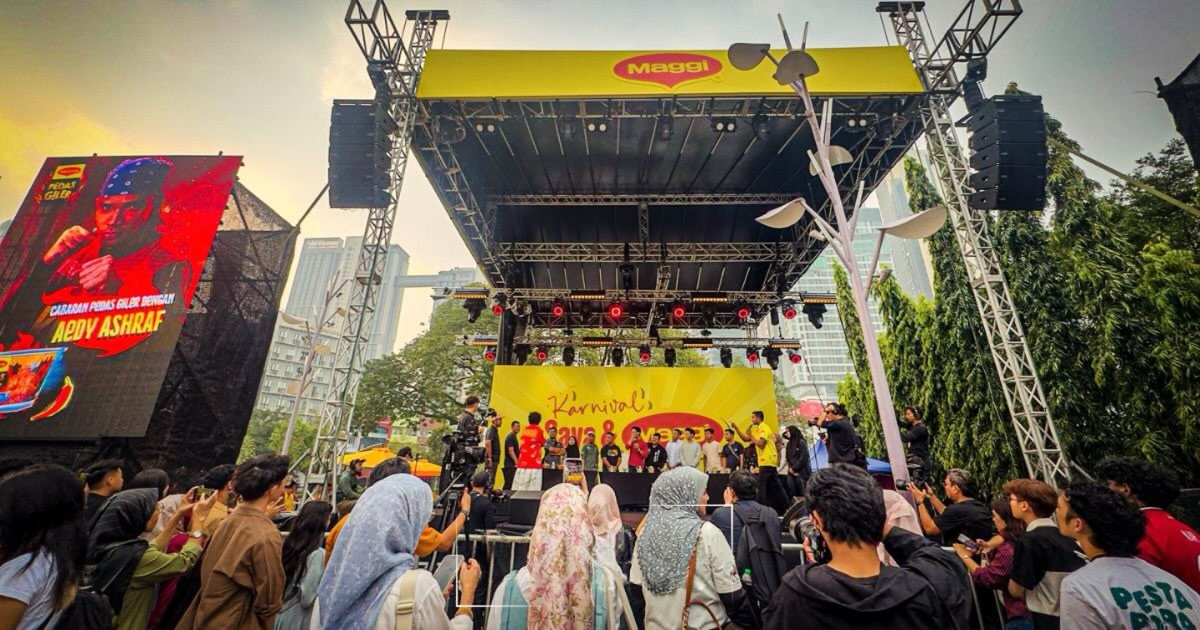 The TRX production also highlights an important reality of modern event spaces.
The same venue can host completely different types of events within a very short period.
A cultural celebration may require a production environment designed around live performances, crowd energy and large-scale presentations.
A brand activation may require a different balance of interactive spaces, entertainment, product experiences and audience engagement.
The venue remains the same.
But the production requirements can change significantly.
This is why event technology cannot always be based on a fixed package.
The technical setup needs to follow the event.
The stage needs to follow the programme.
The sound system needs to follow the audience and performance requirements.
Lighting needs to support the environment and visual objectives.
And the production team needs to understand how all these components interact.
The Importance of Planning for the Event After Your Event
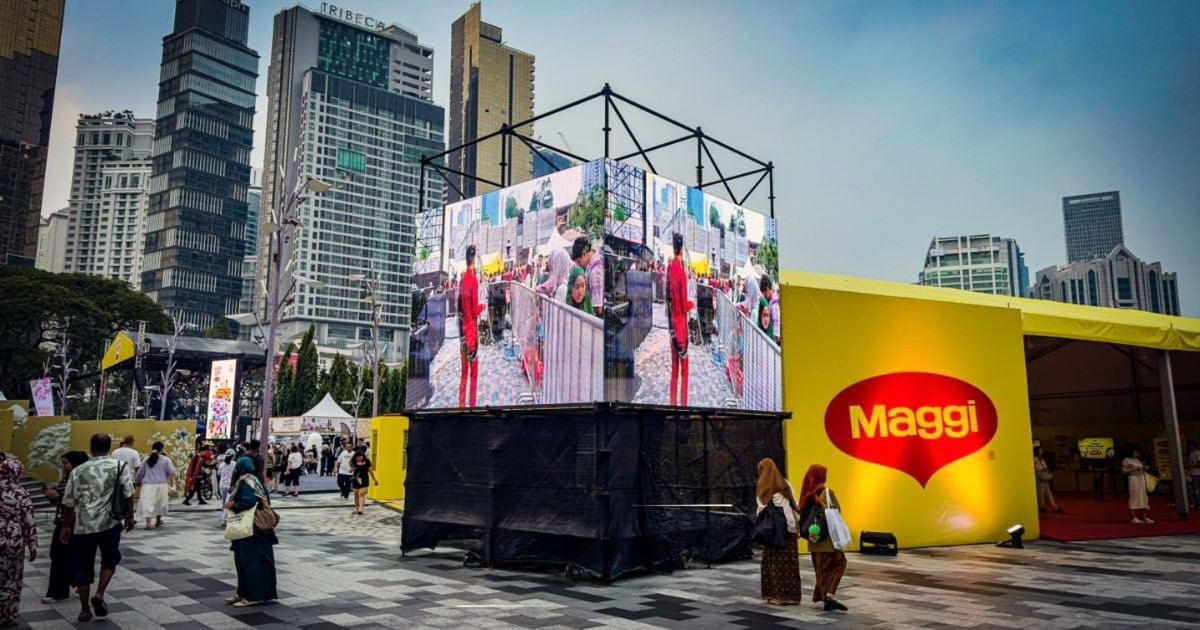 For organisers planning consecutive events at the same venue, one of the most important considerations is often overlooked:
What happens after the event ends?
If another event is scheduled immediately afterwards, the first production should not be planned in isolation.
The turnover needs to be considered from the beginning.
Questions that should be discussed include:
- How much time is available between events?
- Which equipment can remain in position?
- Which equipment needs to be moved?
- Can the existing stage structure be adapted?
- Will the audio configuration change?
- Will lighting positions need to be adjusted?
- Are additional technical systems required?
- What access does the production team have during the turnover?
- When can the next event begin testing?
- Is there enough time for rehearsal?
These questions can influence the initial production design.
Good production planning considers not only how an event will be built, but also how it will be transitioned.
The Value of an Integrated Production Team
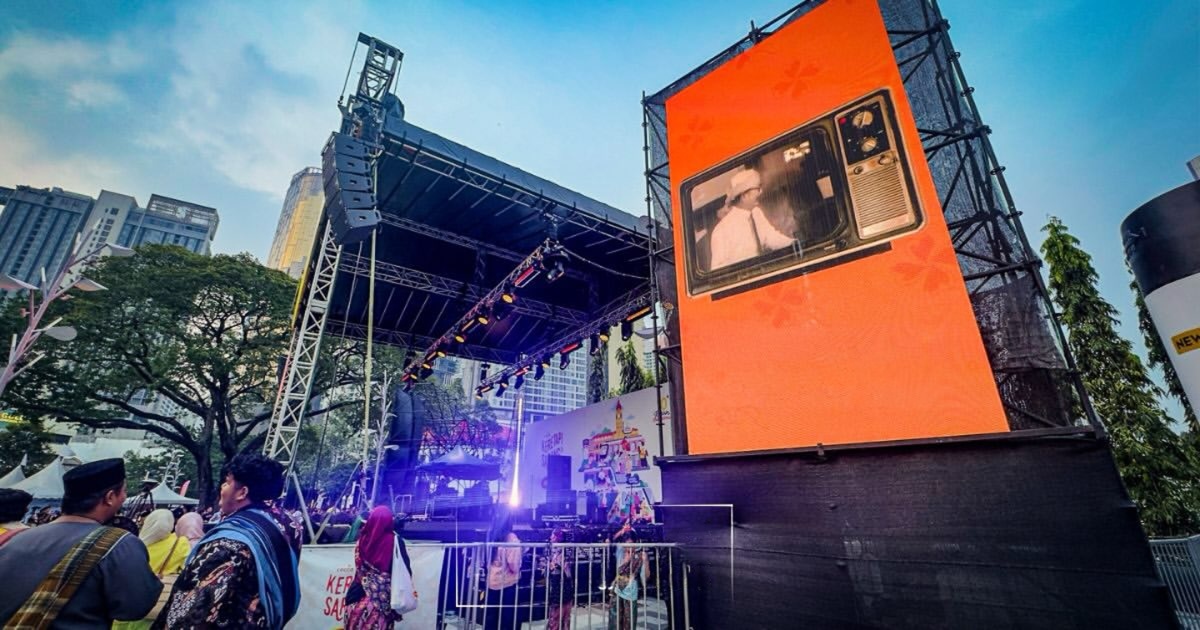 One of the advantages of having multiple technical requirements handled within an integrated production team is coordination.
Instead of treating staging, truss, sound, lighting and backline as completely separate requirements, the systems can be considered as part of one production environment.
This can make a difference when the schedule becomes compressed.
The team understands how the different systems interact.
The lighting position needs to work with the stage.
The sound system needs to work with the audience layout.
The truss needs to support the technical requirements.
The backline needs to fit the performance setup.
And when the event changes, these elements need to change together.
That is particularly important during a production turnover.
The goal is not simply to move equipment from Point A to Point B.
The goal is to recreate a functional production environment for the next event.
Behind Every Seamless Event Is a Detailed Process
For audiences, the transition between events may never be visible.
One day, TRX can be filled with thousands of participants celebrating Malaysia’s culture.
Shortly afterwards, the same venue can become a lively brand carnival featuring food, interactive experiences and live entertainment.
What happens in between is where production teams earn their value.
There is no spotlight on the crew during a cable check.
There is no audience watching a lighting fixture being repositioned.
There is no applause when a technical setup is completed on schedule.
But those details determine whether the next event is ready when the doors open.
For DOREMi, the Keretapi Sarong 2026 and MAGGI events at TRX demonstrated the importance of being prepared not only for the event itself, but also for what comes next.
The ability to move from one production environment to another requires planning, technical knowledge, communication and disciplined execution.
From One Event to the Next
The most memorable part of an event may be the performance, the crowd or the visual experience.
Behind that experience, however, is a production process that starts long before the audience arrives and continues until the equipment is finally cleared.
At TRX, DOREMi’s role extended across that entire transition.
For Keretapi Sarong 2026, the team delivered staging, rooftop truss, sound, lighting and backline to support the event’s technical production.
When the event ended, the work continued.
The team moved directly into the production turnover required for the MAGGI event that followed, adapting the setup and preparing the venue for a completely different event experience.
That is the reality of professional event production.
Sometimes success is about delivering one event perfectly.
Sometimes it is about delivering one event and being ready for the next one before the audience even notices the change.
Fast turnaround. Precise execution. Seamless production.
Further Reading
https://www.malaysia.travel/events/keretapi-sarong-2026
Keretapi Sarong 2026 meriahkan sambutan Hari Malaysia di seluruh negara- Bernama
Planning a Multi-Event Production at the Same Venue?
When two or more events share the same venue within a tight timeframe, production planning needs to go beyond the individual event.
Whether you are organising a corporate activation, cultural celebration, brand event, product launch, conference, concert or multi-event programme, our team can help coordinate the technical requirements from setup through event execution and production turnover.
Speak with DOREMi’s event technology specialists to plan a production setup that is designed not only for your event, but for what comes next.