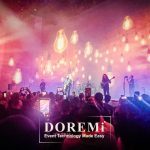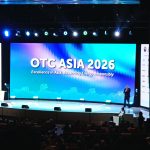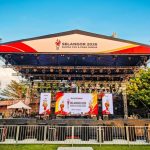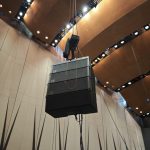
The event industry involves much more than planning schedules, coordinating suppliers and managing guests. Behind every successful concert is a team of professionals working with sound systems, lighting, staging and other event technologies to turn creative ideas into live experiences.
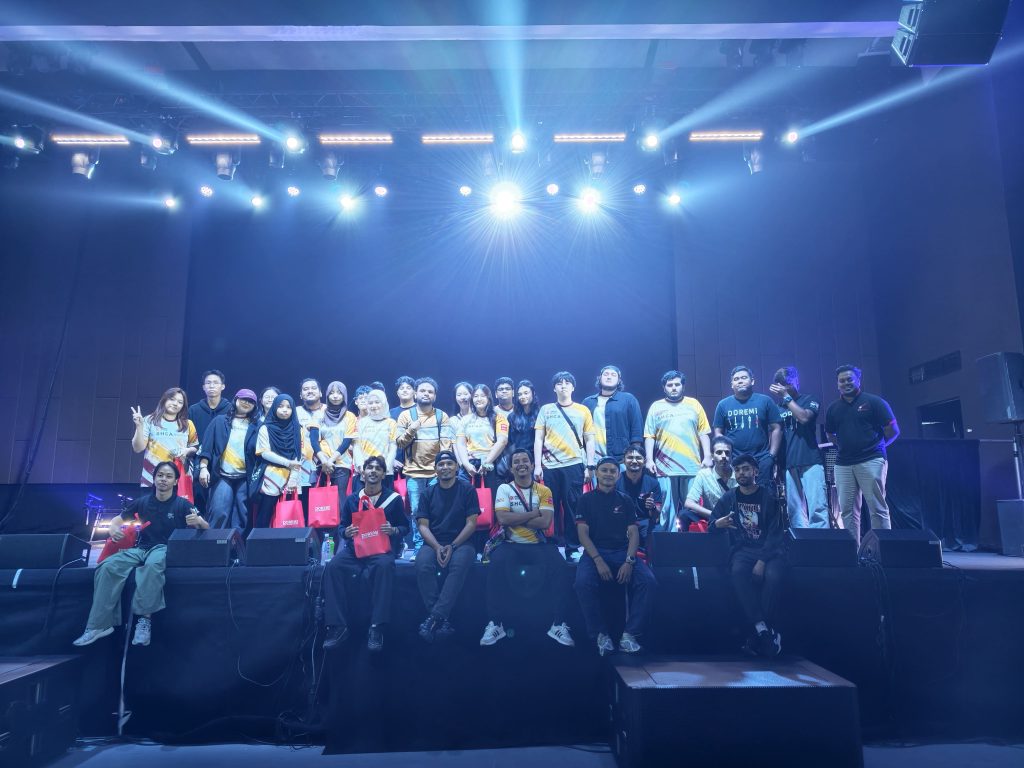
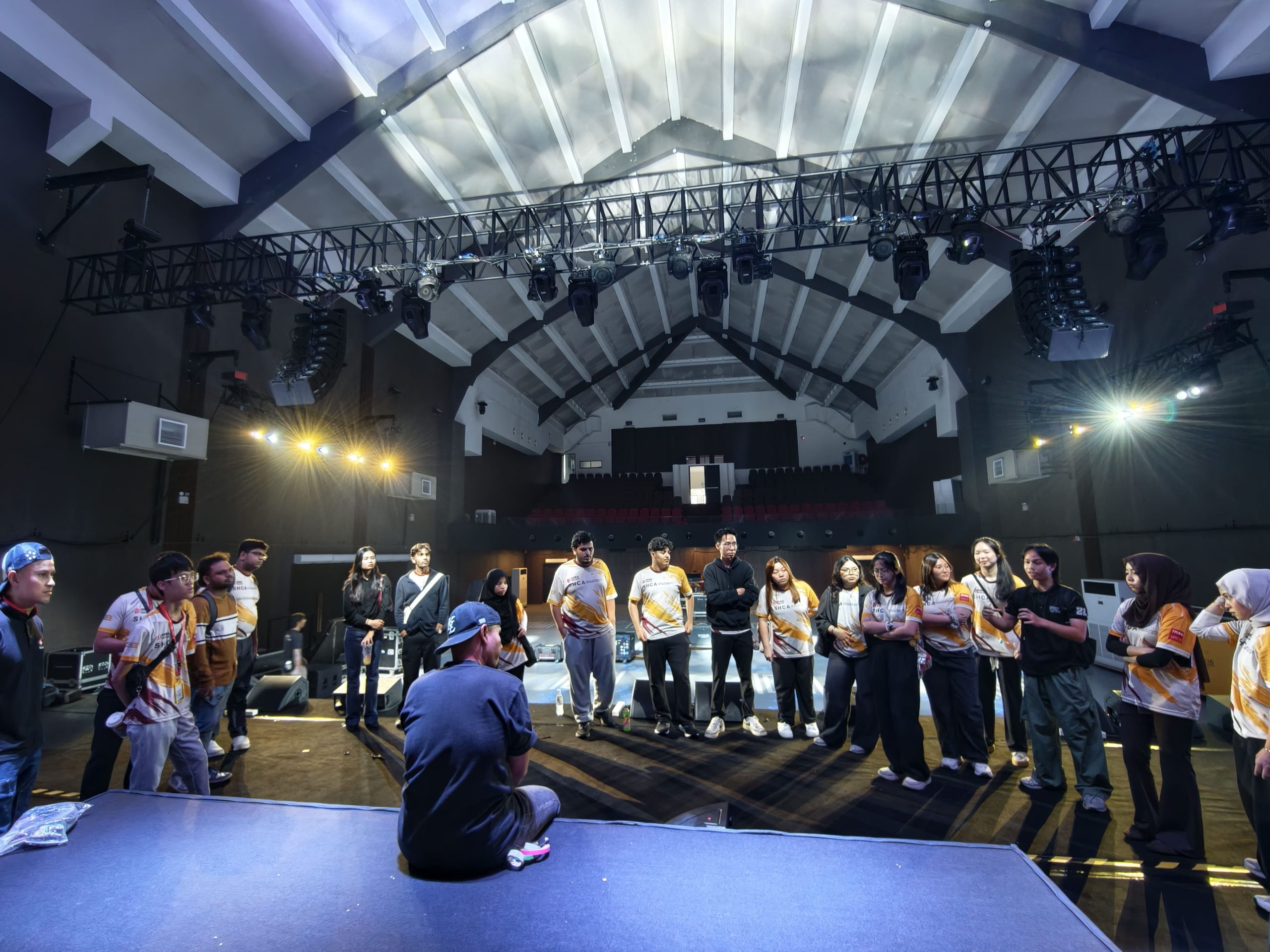
To help the next generation understand this side of the industry, DOREMi Services & Rental Sdn Bhd welcomed 25 students from Management and Science University (MSU), representing the Event Management and Music Technology programmes, for an industrial visit to ODEON KL.
During the visit, students were introduced to DOREMi, explored the technical preparations taking place at the venue and gained first-hand insights into the work involved in preparing a live concert environment. Rather than learning about event production only through classroom discussions, they had the opportunity to see the equipment, technical arrangements and practical considerations that support a live performance.
The visit took place at ODEON KL while preparations were underway for the INSOMNIACKS ALBUM TOUR 2026 KL, scheduled for 31 October 2026 at 8.00 pm. The upcoming concert provided a relevant setting for students to understand how an event venue is prepared for a live music experience.
More importantly, the visit created an opportunity for DOREMi to share industry knowledge, encourage questions and help students discover career possibilities beyond what they may initially associate with event management or music technology.
Introducing Students to DOREMi and the Event Production Industry
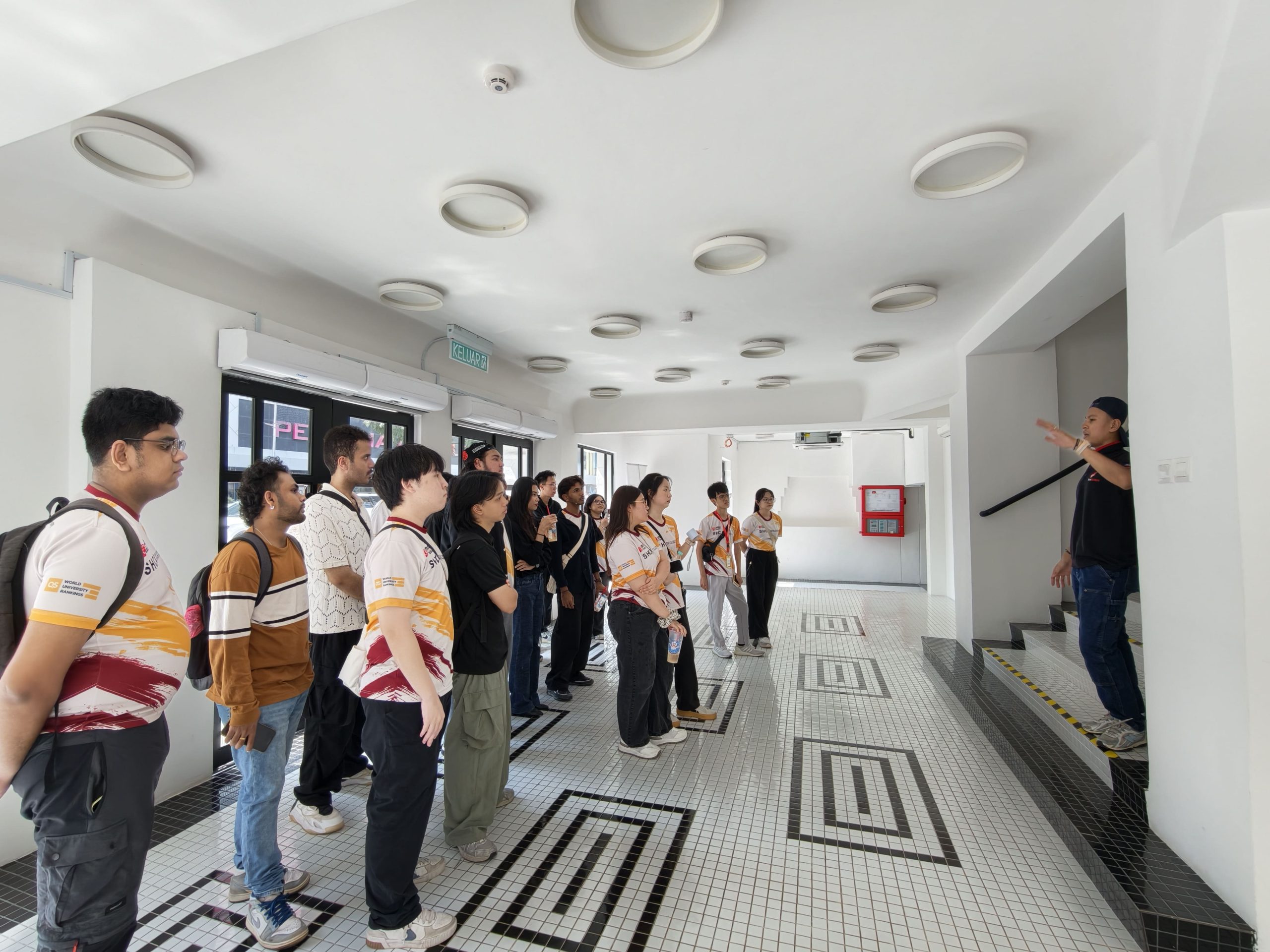 The industrial visit began with an introduction to DOREMi Services & Rental Sdn Bhd, including the company’s background, services, previous projects and role in the event production industry.
Established in 1979, DOREMi has supported more than 45,000 projects over more than four decades, with experience in sound systems, lighting, staging, audiovisual technology and other event production requirements. These capabilities support different types of events, from corporate functions and product launches to concerts and live performances. Learn more about DOREMi.
For students entering the industry, understanding how an event production company operates is an important starting point. An event that looks effortless to an audience often requires coordination between multiple teams, technical specialists, equipment and operational processes.
During the introduction, students learned about the types of services DOREMi provides and how technical production contributes to an event’s overall execution. Previous projects also helped illustrate how the same fundamental production principles can be applied across different venues, audiences and event formats.
The aim was not simply to introduce the company. It was to give students a broader understanding of the industry they are preparing to enter.
An event manager may be responsible for the programme, schedule, suppliers and overall coordination. An event production team must also consider how the event will function technically: how the audience will hear the performance, how the stage will be arranged, how lighting will support the show and how equipment will be installed and operated safely.
These responsibilities are closely connected. Recognising the relationship between event management and event production helps students understand why communication between planning and technical teams is essential.
Bringing Classroom Knowledge into a Live Event Environment
The most valuable part of the visit was the opportunity to walk through an active event site and observe the production work taking place.
ODEON KL is a multipurpose event venue housed in the historic former Odeon Cinema building, combining its heritage character with modern facilities for concerts, performances and other creative events. Explore ODEON KL. Its setting provided students with a practical environment in which to explore the technical requirements of a live music event.
Instead of viewing equipment in isolation, students could see how sound systems, lighting and staging form part of a wider production setup.
The DOREMi team explained what the equipment was used for, why particular arrangements were needed and how technical decisions supported the requirements of a live concert.
This distinction matters. Recognising a speaker, lighting fixture or stage structure is one thing; understanding why it is positioned in a particular way, how it contributes to the show and what other equipment it must work with requires a different level of knowledge.
For students studying Event Management, the visit provided a closer look at the operational and technical responsibilities that sit behind event delivery. For Music Technology students, it offered an opportunity to connect their understanding of sound and music with the realities of a live performance environment.
The visit also demonstrated that event production is not simply about bringing equipment to a venue. Each component must be considered in relation to the venue, performance requirements, other technical systems and the experience expected by the audience.
Understanding Sound Systems for Live Concerts
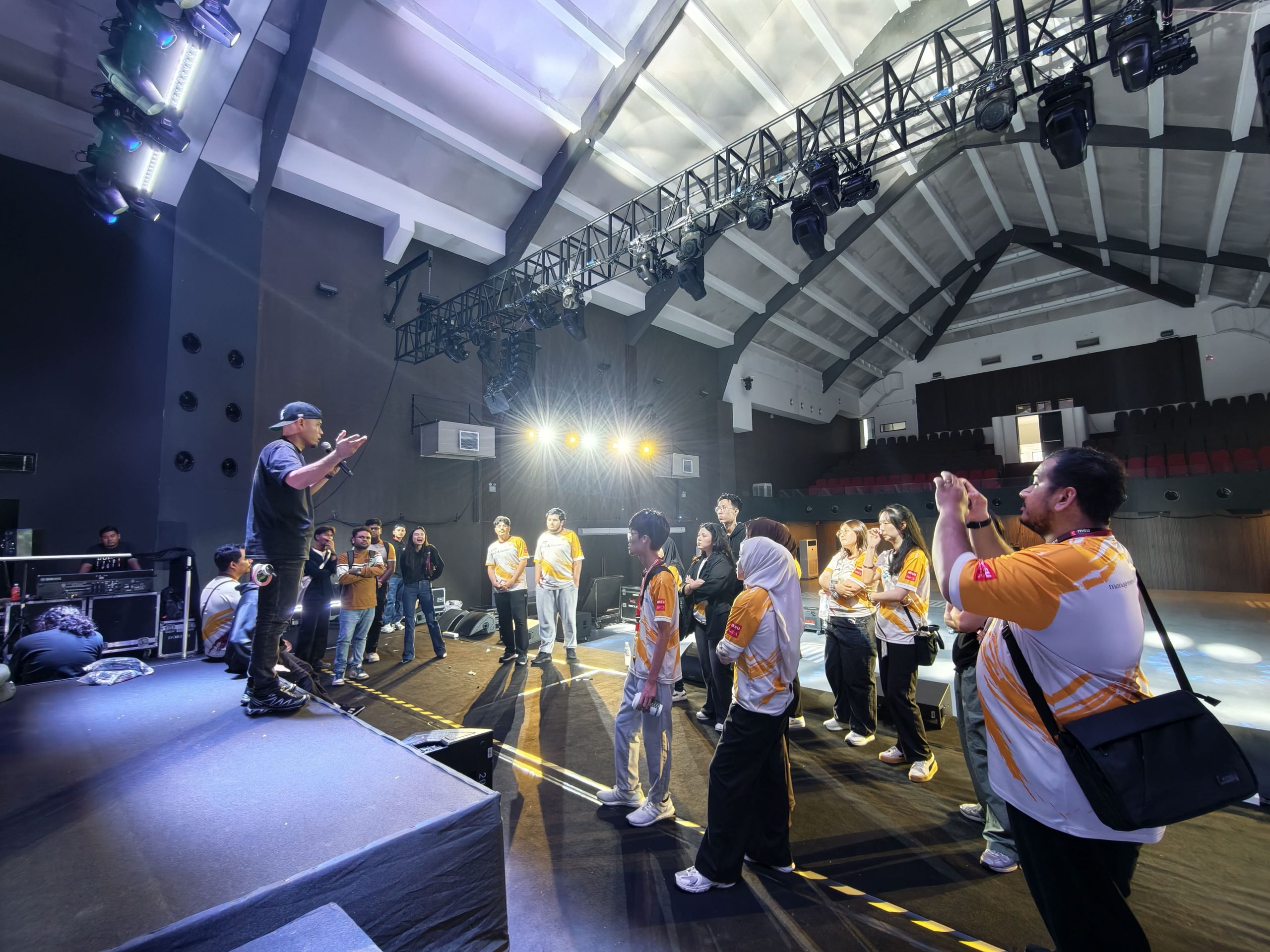 Sound was one of the key areas explored during the industrial visit.
For a live concert, the sound system is central to how the audience experiences the performance. Vocals must be intelligible, instruments must be balanced, and music must be delivered at an appropriate level throughout the audience area.
The DOREMi team introduced students to the sound equipment used in live event production and explained its role in supporting concert requirements.
Students were able to learn that selecting a sound system involves more than choosing speakers with sufficient volume. Production teams must consider the venue’s layout, the size and configuration of the audience area, the type of performance and the sound coverage required.
For example, a concert featuring a live band may require a different approach from a corporate presentation or a DJ performance. Each format has different priorities, from vocal clarity and instrument separation to musical impact and consistency across the venue.
Speaker placement also matters. If the system is not planned appropriately, some audience areas may experience sound that is too loud, while others may struggle to hear the performance clearly. The room’s acoustic characteristics and the interaction between loudspeakers can also influence the listening experience.
Students were introduced to the practical thinking behind these decisions, helping them understand why sound system setup requires technical knowledge and careful coordination.
The visit also highlighted the relationship between sound equipment and the people operating it. Professional audio equipment is only one part of the process; experienced technicians must understand the system, prepare it for the performance and respond to technical requirements during the event.
For Music Technology students in particular, this offered a useful connection between music-related technical knowledge and live sound reinforcement. It showed how an understanding of audio can be applied in environments where equipment, venue conditions, performers and audience expectations must work together.
Exploring Event Lighting and Its Role in the Audience Experience
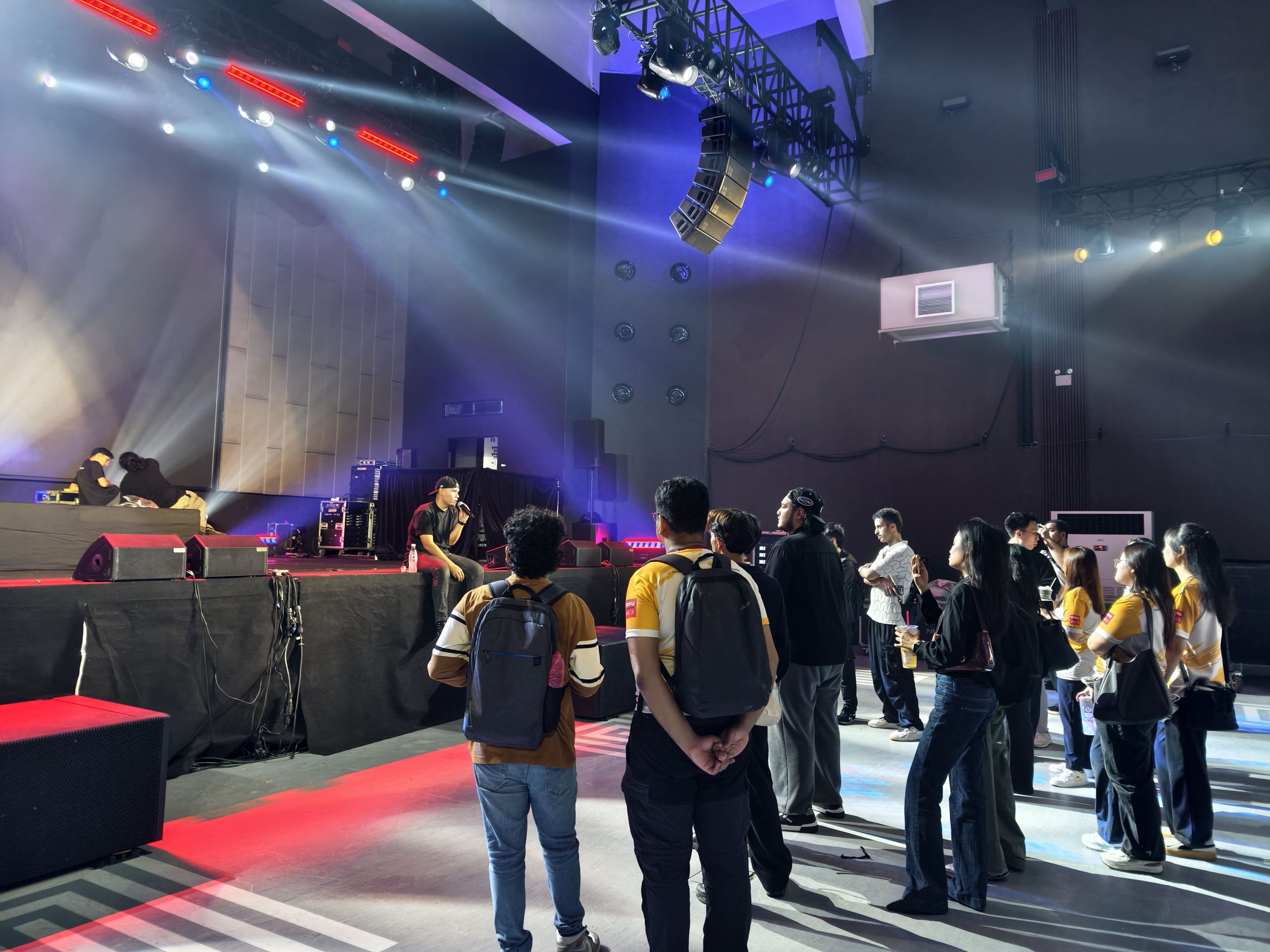 Lighting was another important part of the site walkthrough.
In a live concert, lighting does much more than make the stage visible. It can establish the mood, draw attention to performers, create visual movement and support changes in energy throughout a performance.
A song’s atmosphere can feel very different depending on whether the stage uses soft, restrained lighting or bold colours and dynamic lighting effects. When planned around the performance, lighting becomes an important part of how the audience experiences the show.
During the visit, the DOREMi team explained the lighting equipment and arrangements being prepared at the site, helping students understand the practical role of lighting in concert production.
Students were introduced to the idea that lighting decisions depend on the creative direction of the event as well as the technical limitations and opportunities of the venue. The available fixtures, their positioning, the stage layout and the intended visual effects must all be considered together.
Lighting also requires coordination. A lighting setup must fit within the wider production plan, including staging, sound equipment, power requirements and the movement of performers and crew.
For example, the placement of lighting fixtures needs to be considered alongside the stage structure and other equipment. The production team must ensure that the arrangement supports the intended visual effect without creating unnecessary obstructions or compromising safe working practices.
These considerations demonstrate why live event lighting is both a technical and creative discipline.
For Event Management students, this knowledge can help them communicate more effectively with production teams when planning concerts and other events. For Music Technology students, it provides a broader perspective on the different technical disciplines that contribute to a live performance.
The key takeaway is that lighting is not an isolated decoration added at the end of event planning. It is an integral part of the production design that needs to be considered alongside the programme, stage and audience experience.
Learning About Staging and the Structure Behind a Performance
The third major area covered during the walkthrough was staging.
The stage is the focal point of many live events. It provides the performance area for artists and musicians while creating a defined space for sound, lighting and visual elements to come together.
However, building a stage involves more than assembling a platform.
The staging arrangement must suit the performance, venue and technical requirements. The production team needs to consider the stage dimensions, access points, equipment positions and the space required by performers and crew. Depending on the event, staging may also need to accommodate instruments, monitors, visual displays and other production components.
During the industrial visit, students learned about the staging work taking place at ODEON KL and how the structure supports the requirements of a live concert.
The discussion helped demonstrate how different production elements influence one another. A stage layout affects where performers can move, where equipment can be positioned and how lighting and sound systems can be arranged. Changes to one component may therefore affect the wider setup.
Safety is also fundamental. Stage structures and associated equipment must be installed and used according to their design, load limits, site conditions and applicable safety requirements. Access routes and working areas must be considered so that performers and crew can carry out their responsibilities without unnecessary risk.
For students who may eventually work as event managers, producers or technical specialists, understanding these considerations is valuable even if they do not personally install the equipment.
It helps them appreciate why technical requirements need to be discussed early, why production schedules must allow sufficient preparation time and why last-minute changes can have wider consequences.
The staging walkthrough reinforced an important lesson: successful event production depends on seeing the venue as one connected environment rather than treating each piece of equipment as a separate task.
Understanding What It Takes to Prepare for a Concert
The upcoming INSOMNIACKS ALBUM TOUR 2026 KL provided a timely example of how technical production supports a live music event.
Scheduled for 31 October 2026 at ODEON KL, the concert created a real-world context for students to see production preparations taking place before the audience arrived. Read about the upcoming Insomniacks album tour.
A live concert is a coordinated process involving many moving parts. The equipment must be prepared and installed, the venue must be arranged for the intended format, and the technical team must work with the event’s requirements to prepare for showtime.
This work requires planning, communication and attention to detail.
The production team must understand what the event needs, coordinate equipment and personnel, consider how the venue will be used and allow time for technical checks before the performance begins. The specific requirements vary from one event to another, but the underlying principle remains the same: technical preparations must support the performance while accounting for the conditions of the venue.
The site visit gave students a view of this process at a stage when the production work was still underway. They could see that the concert experience begins long before the first song is performed.
For students who may have mainly encountered events from the planning or audience perspective, this was an opportunity to recognise the scale of the work that happens behind the scenes.
It also highlighted the importance of preparation. When sound, lighting, staging and other production requirements are considered together, teams are better positioned to identify potential issues before they affect the event.
The experience demonstrated that a concert is not created by one team working independently. It is the result of multiple responsibilities coming together through planning, technical expertise and coordinated execution.
The Closing Session: Listening to Students and Sharing Industry Insights
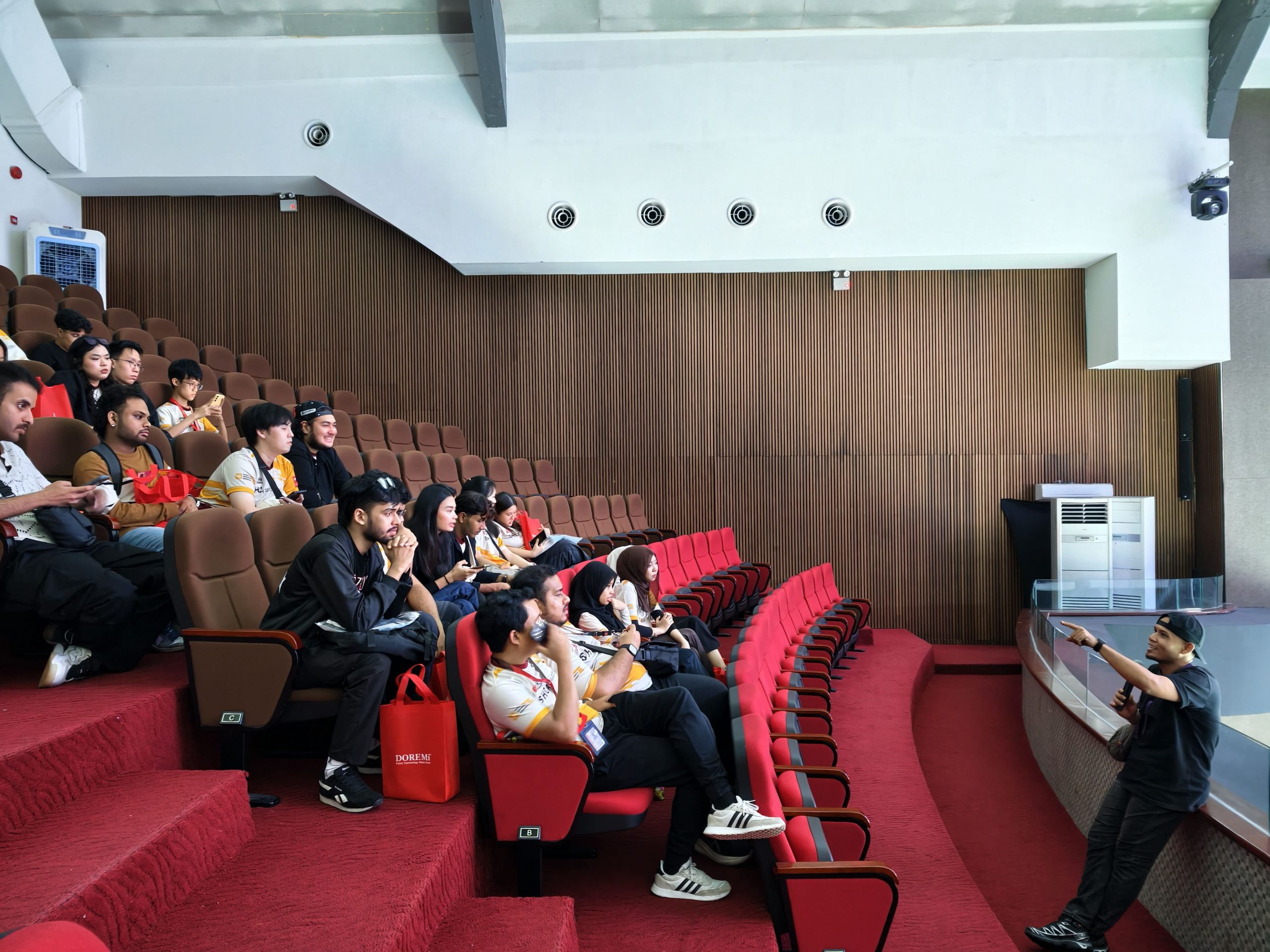 After the site walkthrough, the visit concluded with a sharing session in which DOREMi exchanged further insights with the students and invited them to share their thoughts and feedback.
This conversation was particularly meaningful because it allowed the team to hear how the students understood the experience and how it compared with what they had encountered in their studies.
One observation stood out: while their studies introduced them to event management and related subjects, seeing the production site helped them recognise another dimension of the industry — the technical equipment, systems and expertise required to deliver a live event.
For some students, the visit was an eye-opening experience because it showed that event production involves considerably more than coordinating an event programme. It also requires an understanding of sound, lighting, staging and the technologies that make live experiences possible.
That realisation is important.
Students may begin their studies with a particular idea of what a future career in events or music will look like. Direct exposure to a working production site can help them discover roles and responsibilities they had not previously considered.
The discussion also gave DOREMi an opportunity to explain the value of learning from experienced industry practitioners, asking questions and remaining open to different career paths.
No single industrial visit can cover every aspect of the event industry. However, it can introduce students to new perspectives, give them a clearer understanding of professional expectations and encourage them to explore the areas that interest them most.
The feedback shared during the closing session reinforced the value of connecting classroom learning with real production environments.
Why Industry Exposure Matters for Young Talent
Education provides students with the foundations they need to begin their careers. Industry exposure helps them understand how those foundations are applied in practice.
For Event Management students, an industrial visit can reveal how planning decisions influence technical execution. A programme schedule, for example, must account for more than the order of activities; it also needs to work alongside equipment preparation, technical checks, performer requirements and transitions between programme segments.
For Music Technology students, seeing a live production site helps connect technical knowledge with the realities of performance environments. Audio equipment, sound reinforcement and the coordination of technical systems become easier to understand when students can see how they contribute to a real event.
Both groups can benefit from recognising that the industry is interconnected.
Event managers need to understand enough about production to communicate requirements clearly and make informed decisions. Technical teams need to understand the wider event objectives so they can deliver solutions that support the programme and audience experience.
This shared understanding can improve collaboration and help reduce the gap between expectations and practical execution.
Industry exposure can also help students develop more informed career goals. They may discover an interest in production coordination, live sound, lighting, staging, technical operations or other specialist areas they had not previously explored.
The value of an industrial visit therefore extends beyond the equipment students see on the day. It gives them a clearer picture of the professional environment they may eventually enter.
For young talent, that insight can be an important first step towards building the confidence, knowledge and practical awareness needed to move from education into employment.
DOREMi’s Contribution to the Next Generation of Event Professionals
 As an established event production company, DOREMi recognises the importance of sharing practical industry knowledge with the people who may shape its future.
The event industry depends on more than equipment and technology. It also relies on people who can understand technical requirements, solve problems, communicate with different teams and deliver reliable results under real-world conditions.
Supporting students through industrial visits is one way to help introduce these responsibilities before they enter the workforce.
By opening an active production site to students, DOREMi can provide context that is difficult to reproduce through classroom explanations alone. Students have the opportunity to observe professional equipment, hear directly from industry practitioners and ask questions about how production work is carried out.
These interactions can also help students develop a more realistic understanding of industry expectations. Live events involve deadlines, changing requirements, teamwork and attention to safety. Learning about these realities early can help students prepare for the transition from academic study to professional work.
For DOREMi, the visit is also an opportunity to contribute to the wider development of the event production sector.
The company benefits from a future workforce that understands the relationship between event planning and technical execution. Encouraging students to explore production careers can help broaden awareness of the different skills the industry needs.
This is particularly relevant as event experiences continue to bring together creative concepts, audiovisual equipment and technical systems. The people entering the industry will need opportunities to understand these disciplines and how they work together.
The visit reflects DOREMi’s belief that industry knowledge becomes more valuable when it is shared. Helping students understand what happens behind the scenes is a practical way to contribute to a stronger connection between education and the professional event environment.
Creating Pathways from Learning to Industry Experience
Industrial visits can also serve as a starting point for longer-term engagement between students and the industry.
For students who discover an interest in event production, the next step may involve further learning, practical projects, workplace exposure or an internship. These opportunities allow them to build on what they have seen and begin developing skills through supervised experience.
DOREMi sees value in helping young talent become more aware of the different pathways available within event production. Depending on their interests and suitability, students may explore areas such as marketing, event coordination, technical production, audiovisual systems, sound, lighting, staging or operational support.
Internships can be particularly useful because they offer students a closer look at day-to-day responsibilities. They can learn how teams communicate, how tasks are coordinated and how classroom knowledge is applied in a working environment.
For students, this can help clarify their strengths and interests while giving them an opportunity to develop professional habits. For companies, engaging with emerging talent provides a chance to share knowledge, identify potential and help students understand the expectations of the industry.
These pathways require commitment from both sides. Students need to demonstrate curiosity, responsibility and a willingness to learn, while employers must provide appropriate guidance and meaningful exposure to the work.
The industrial visit at ODEON KL helped introduce these possibilities by showing students that the event industry offers a range of roles beyond the ones they may initially imagine.
As DOREMi continues to engage with young talent, industrial visits and potential internship opportunities can form part of a broader effort to connect education with practical industry experience.
The goal is not simply to introduce students to a company. It is to help them see where their knowledge could take them and what they can begin doing to prepare for that future.
Ending the Visit with Appreciation and Encouragement
To close the session, DOREMi presented the visiting students with goodies and company merchandise as a small gesture of appreciation for their time and participation.
While the visit focused on technical learning and industry insights, this final exchange also reflected the human side of industry engagement. Meaningful relationships between education and industry begin with opportunities to meet, exchange ideas and learn from one another.
The students brought their questions, perspectives and feedback. DOREMi shared its experience, explained the production work taking place at the venue and introduced them to the practical realities of live event production.
The result was an opportunity for both sides to connect beyond the usual classroom or workplace setting.
For the students, the visit offered a new perspective on the people, equipment and coordination behind a live concert. For DOREMi, it was an opportunity to engage with the next generation, listen to their observations and encourage them to consider the wider possibilities within the event industry.
Most importantly, it reinforced the idea that building a future workforce begins before students take their first full-time role. Exposure, guidance and opportunities to ask questions can help young people make more informed decisions about their careers.
Conclusion: Connecting Education with Real-World Event Production
DOREMi’s industrial visit with 25 MSU students from the Event Management and Music Technology programmes was an opportunity to bring learning closer to the realities of the event production industry.
From the company introduction and project sharing to the walkthrough of sound systems, lighting and staging at ODEON KL, the visit demonstrated how technical knowledge and operational coordination contribute to the delivery of a live concert.
The students’ feedback highlighted the value of seeing a side of the industry that goes beyond event planning alone. By experiencing an active production environment, they gained a clearer understanding of how technology, equipment and technical expertise support the audience experience.
For DOREMi, the visit was also part of a wider commitment to sharing industry knowledge, encouraging young talent and strengthening the connection between education and professional practice. Through continued engagement, including potential internship pathways, the company hopes to help students discover the opportunities available to them and prepare for the next stage of their development.
A successful event may last only a few hours, but the knowledge and teamwork behind it take years to develop. By giving students an opportunity to see that work first-hand, DOREMi hopes to inspire greater interest in the people, skills and technologies that make live experiences possible.
Further Reading
- DOREMi About Us — Learn more about DOREMi’s background and event production capabilities.
- ODEON KL — Explore the venue and the event technology supporting live experiences.
Planning Your Next Event Production?
Behind every successful concert, corporate event or live performance is a team that brings creative ideas and technical requirements together.
At DOREMi Services & Rental Sdn Bhd, we provide event production services and event technology solutions, including sound systems, lighting, staging, truss, LED screens and audiovisual equipment, tailored to the needs of each project.
Explore DOREMi’s event production services or contact our team to discuss your upcoming event.
We also welcome opportunities to connect with educational institutions and young talent through industry engagement, knowledge sharing and potential internship opportunities that help bridge the gap between classroom learning and real-world event production.