An annual dinner and dance (D&D) is one of the most anticipated occasions in a company’s calendar. It brings employees together to celebrate achievements, recognise contributions, enjoy entertainment and strengthen relationships outside the usual working environment. Whether it is a formal appreciation dinner, a themed corporate celebration or a lively evening with performances and dancing, the event should give guests a reason to remember the night.
However, behind the decorations, dinner tables and entertainment is another important part of the planning process: the technical production.
The right audio visual equipment rental and lighting arrangement can make an annual dinner feel polished, engaging and enjoyable. Guests need to hear speeches clearly, see award presentations from different parts of the ballroom, follow videos on the main screen and enjoy performances without technical interruptions. When the programme moves from dinner to entertainment, the atmosphere should change naturally with it.
One common challenge for organisers is knowing exactly what equipment they need. Should they rent an LED screen or use a projector? How many microphones are necessary? Does an annual dinner need moving lights? Is a full concert-style sound system really required?
The answer depends on the venue, guest count, programme and entertainment format.
This guide explains the essential AV and lighting requirements for an annual dinner, helping HR teams, event committees and corporate organisers make informed decisions when planning their next D&D.
Start with the Programme Before Choosing AV Equipment
Before requesting an audio visual equipment rental quotation, understand what will happen throughout the evening.
An annual dinner is not a single-format event. It usually moves through several different segments, each with its own technical requirements.
A typical programme may include:
- Guest arrival and registration
- Opening video or company introduction
- Welcome speech by management
- Dinner service
- Employee recognition and award presentations
- Lucky draws and interactive games
- Live performances or entertainment
- DJ session and dancing
- Closing remarks and group photographs
Each segment requires different combinations of sound, visuals and lighting.
For example, a management speech requires clear microphone audio and sufficient stage lighting. An award presentation may need an LED screen to display recipients’ names, presentation music and a spotlight on the stage. A live band requires a more detailed audio arrangement, while a DJ segment may need dynamic lighting to create a more energetic atmosphere.
This is why organisers should prepare a programme or run sheet before deciding on the equipment.
A useful starting point is to divide the event into three main stages:
The arrival and dinner experience: Guests should be able to hear background music, view event visuals and move comfortably around the venue.
The formal programme: Speeches, awards, videos and announcements require reliable sound, clear visuals and coordinated stage lighting.
The entertainment segment: Performances, dancing and interactive activities may require stronger sound coverage, dynamic lighting and additional visual effects.
Once these requirements are clear, the production team can recommend an appropriate audio visual equipment rental setup instead of supplying equipment based only on assumptions.
Sound System: Make Sure Everyone Can Hear Clearly
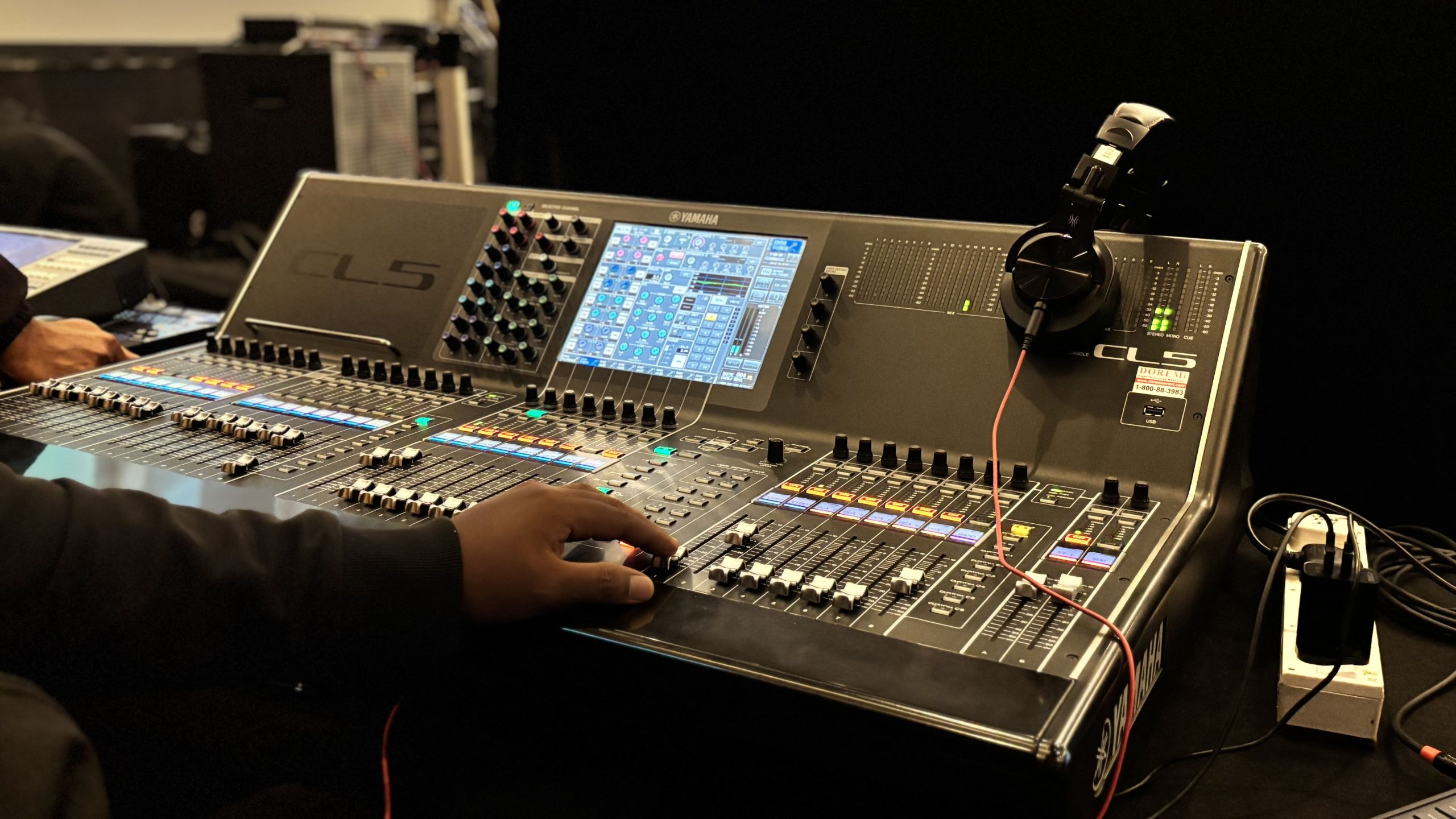 Sound is one of the most important parts of an annual dinner. Guests may appreciate an attractive stage and impressive decorations, but they will quickly notice if they cannot hear the emcee, speeches or entertainment.
A suitable sound system should deliver clear and consistent audio across the venue without being unnecessarily loud.
The exact configuration depends on the ballroom dimensions, ceiling height, seating arrangement, audience size and programme.
What sound equipment might you need?
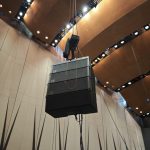
Main speakers
The main speakers deliver audio to the audience. Their number, type and placement depend on the room layout and the required coverage.
For a smaller function room, a straightforward PA arrangement may be sufficient. A larger ballroom with a wider audience area may require additional speakers or a different configuration to maintain consistent sound levels.
The objective is not simply to make the sound louder. It is to ensure that guests seated near the stage, at the back of the ballroom and along the sides can hear comfortably.
Subwoofers
Subwoofers reproduce lower-frequency sounds, adding depth and impact to music.
They may be useful when an annual dinner includes a DJ, live band or energetic entertainment segment. However, they are not automatically necessary for every event. If the programme mainly consists of speeches, presentations and background music, the production team can recommend whether additional low-frequency support is justified.
Audio mixing console
The mixing console allows technicians to control different audio sources, including microphones, background music, videos and live performances.
During an annual dinner, the sound requirements can change frequently. The emcee may speak one moment, followed by a video, a musical performance or a lucky draw announcement.
A properly managed audio mixing setup allows technicians to adjust levels and manage transitions throughout the programme.
Stage monitors
If the event includes a live band, musicians or performers may need stage monitors to hear themselves and other performers.
This is particularly important when the stage is large or the performance involves multiple musicians. Stage monitoring helps performers follow the music and maintain coordination.
For organisers, the important consideration is to match the sound system to the actual programme. A simple annual dinner does not necessarily need a concert-scale setup, but a D&D featuring a live band and dance segment may require more comprehensive sound reinforcement.
Microphones: Plan for More Than One Speaker
Microphones are among the most frequently used items during an annual dinner, yet they are often overlooked during early planning.
Consider how many people may need to speak throughout the evening. There could be a host, company director, department representative, award presenter, guest speaker and performers.
Relying on a single microphone can create unnecessary delays, especially when several people need to appear on stage.
Handheld wireless microphones
Wireless handheld microphones are suitable for emcees, speeches, announcements, interviews and interactive games.
They allow presenters to move around the stage without being restricted by microphone cables. They are also useful for lucky draws, audience participation and award presentations.
Lapel microphones
Lapel microphones are small microphones attached to clothing. They may be useful for speakers who need their hands free, particularly during presentations or extended speeches.
However, they are not always necessary for an annual dinner. A handheld microphone may be more practical for a short management speech.
Backup microphones
Having spare microphones available is a sensible precaution. Batteries can run low, equipment can experience technical problems, and programme changes may introduce additional speakers.
A backup microphone allows the technical team to respond without significantly interrupting the event.
Organisers should also confirm how many microphones are required at the same time. For example, a group presentation, panel discussion or interactive stage game may need several microphones simultaneously.
When planning audio visual equipment rental, provide the production team with the expected number of presenters, speakers and performers. This makes it easier to determine the appropriate microphone quantity and type.
LED Screens or Projectors: Which Is Better for an Annual Dinner?
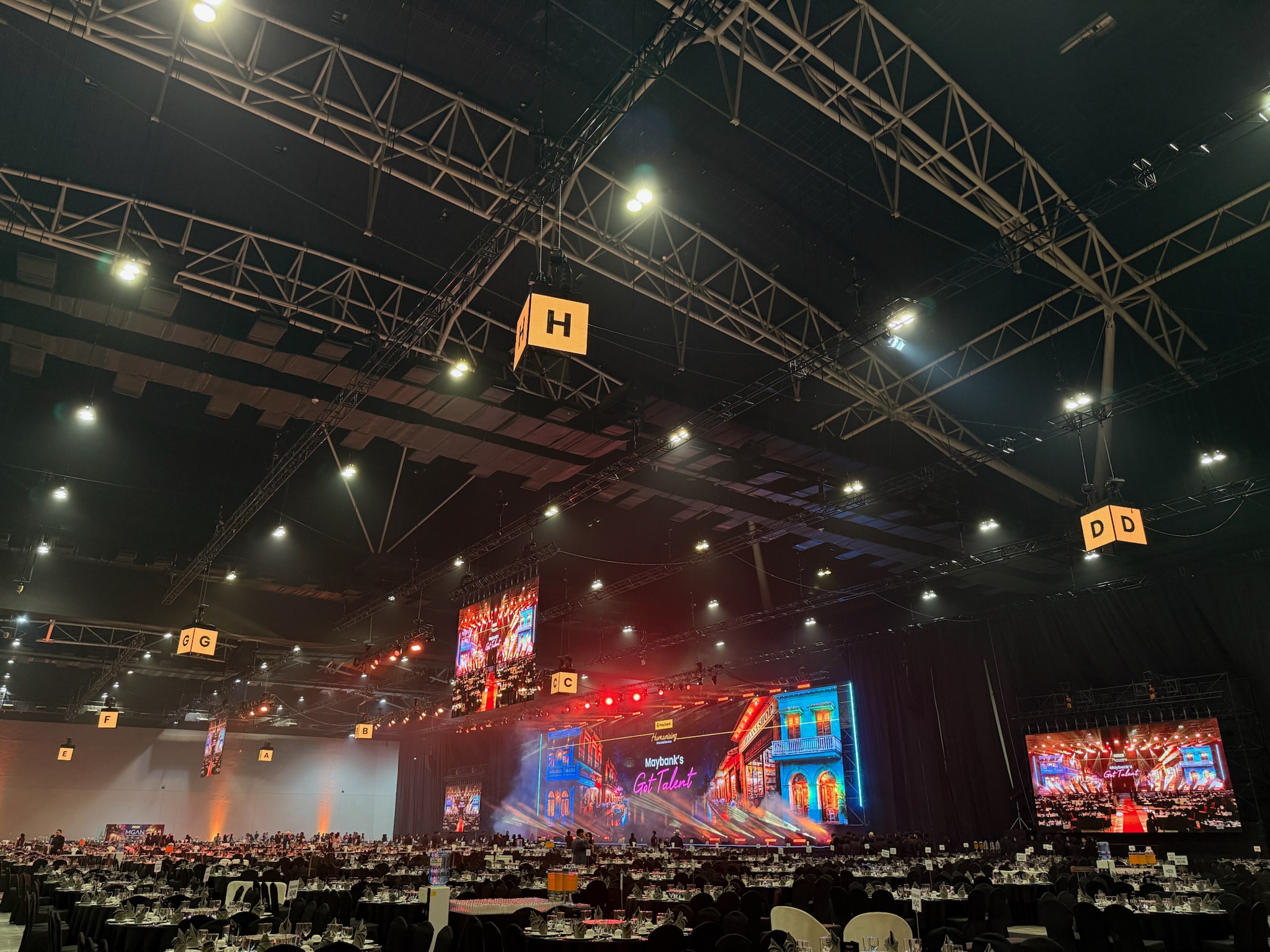 Visual displays play an important role in communicating information and strengthening the event’s atmosphere.
An annual dinner may include company introduction videos, award recipient names, performance visuals, lucky draw results, sponsor logos and event branding.
The main question is whether to use an LED screen or a projector.
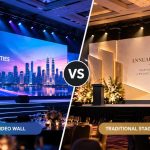
LED screen rental
LED screens are made up of display panels that produce bright visuals. They are particularly useful for corporate events where the screen must remain visible under different lighting conditions.
They can display:
- Company logos and event themes
- Opening and appreciation videos
- Award recipient names
- Presentation slides
- Lucky draw results
- Live camera feeds
- Animated backgrounds and entertainment visuals
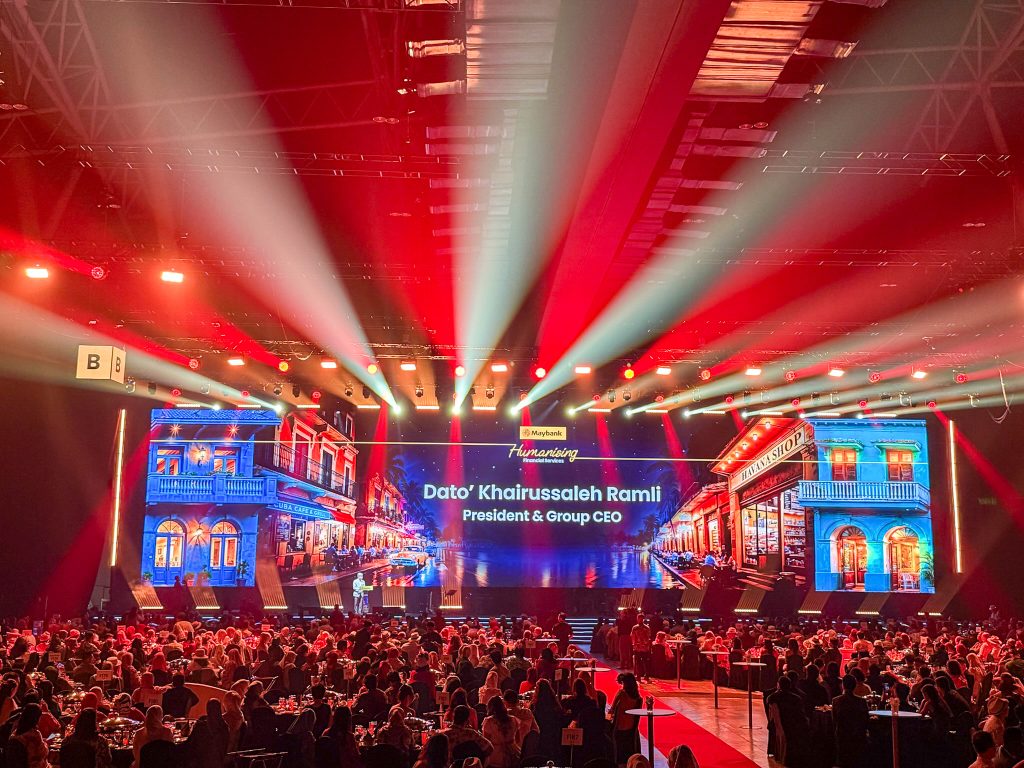
For a ballroom with significant ambient lighting, an LED screen can provide strong visibility. It is also useful when organisers want dynamic content or a more prominent visual centrepiece behind the stage.
The screen size and configuration should be selected according to the stage dimensions, audience viewing distance and content requirements.
Projector and projection screen
A projector displays images onto a projection surface. It may be suitable for venues with controlled lighting and events that mainly require presentation slides, videos or static visuals.
It can be a practical option when the venue already has an appropriate projection surface and the content does not require particularly high brightness.
However, ambient light can affect image visibility. Organisers should consider the ballroom lighting conditions and projection distance before choosing this option.
How should you decide?
For an annual dinner featuring award presentations, videos, branding and entertainment, LED screens may provide greater visual flexibility. For a smaller, straightforward programme with limited visual content, projection may be sufficient.
The best choice depends on the venue, budget and expected audience experience.
A professional audio visual equipment rental provider can assess these requirements and recommend a display solution that fits the event rather than automatically suggesting the largest screen.
Stage Lighting: Create the Right Atmosphere for Every Segment
Lighting has a significant influence on how an annual dinner feels.
A ballroom with standard room lighting may be functional, but it may not create the visual atmosphere expected for an awards night or themed corporate celebration.
Good lighting helps define the stage, highlight important moments and create different moods throughout the evening.
The key is to use the right lighting for the programme.
Stage wash lighting
Stage wash lighting provides general illumination across the performance or presentation area.
It helps ensure that speakers, presenters and performers remain visible. It is especially important during speeches and award presentations, when guests need to see the people on stage clearly.
Moving head lights
Moving head lights can create dynamic lighting effects through movement, colour changes and different beam patterns.
They are useful for entertainment segments, live performances and dance sessions. They can also create more dramatic stage effects during an opening or closing sequence.
However, moving lights should be programmed and used appropriately. Constant movement during speeches or dinner service can become distracting.
LED par lights
LED par lights can be used to introduce colour to the stage, backdrop and selected areas of the venue.
They are useful for supporting the event theme and creating a consistent visual identity. For example, a company using a blue-and-white theme may incorporate those colours into the stage lighting.
Uplighting
Uplighting places lights around the venue to illuminate walls, pillars or architectural features.
It can help transform a standard ballroom into a more visually cohesive event environment. Warm tones may create an elegant dinner atmosphere, while stronger colours can support a more vibrant theme.
Spotlights
Spotlights draw attention to a particular person or area.
They can be useful for award presentations, stage entrances, special performances and key moments during the programme.
The important point is that lighting should support the programme rather than simply fill the venue with effects.
An effective lighting plan considers when guests are dining, when speakers are presenting, when awards are announced and when the dance floor opens.
Don’t Forget the Visuals and Content Playback
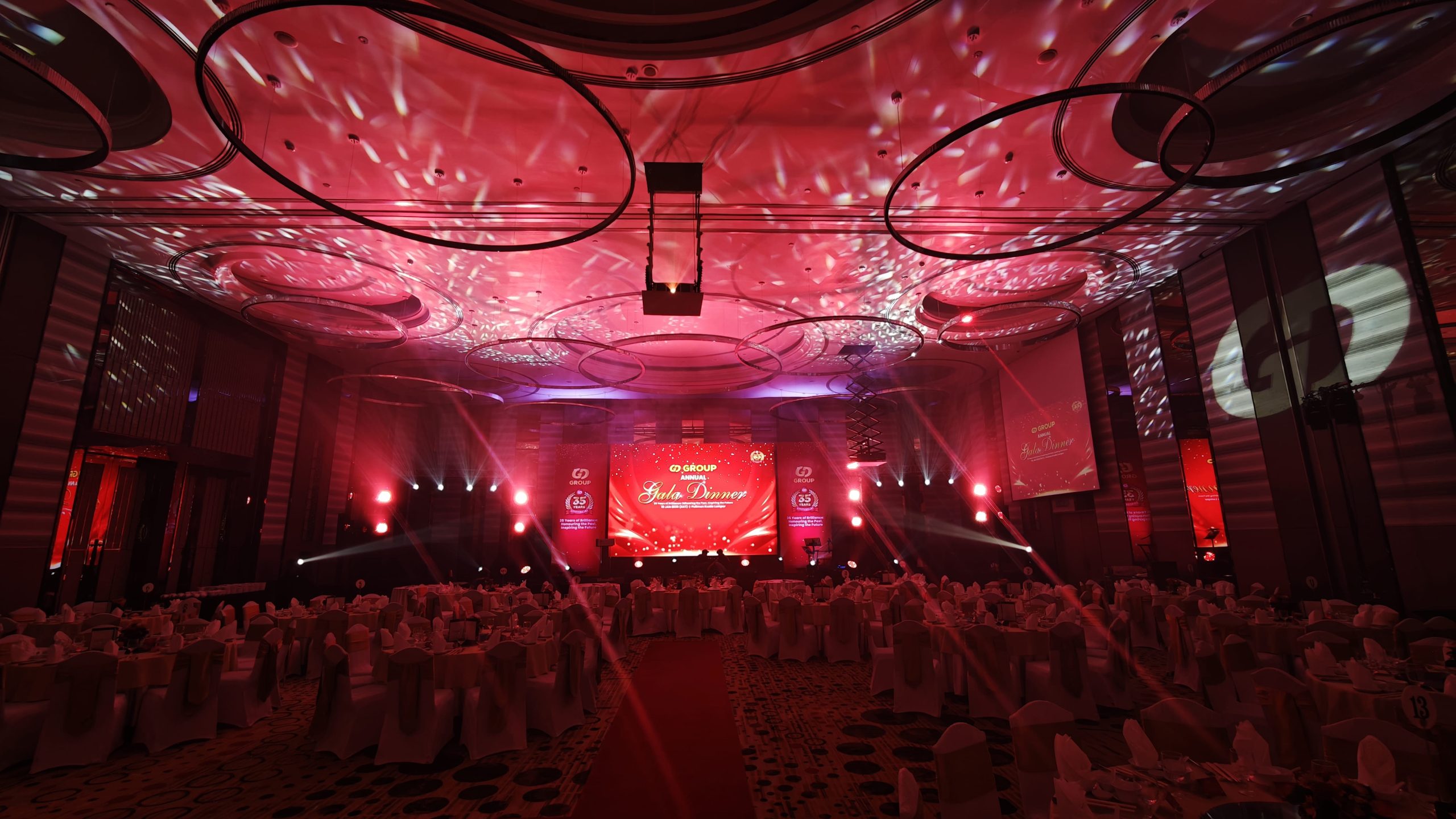 An annual dinner often includes more video and presentation content than organisers initially expect.
Opening videos, department highlights, employee recognition slideshows, award animations and lucky draw graphics may all need to be displayed during the programme.
These elements should be planned together with the AV setup.
For example, if the company intends to show an appreciation video, the production team needs to know the video format, playback device, audio requirements and screen arrangement.
If the programme includes a lucky draw, organisers should confirm how the results will be displayed. If there is a live camera feed, the production team may need video switching equipment and additional camera arrangements.
A presentation laptop, playback system and appropriate video connections should also be prepared.
One common mistake is assuming that a video file will automatically play correctly on the event screen. Different file formats, aspect ratios and resolutions can affect playback.
The content should therefore be tested before the event.
Organisers should prepare a final folder containing the approved videos, slides, images and other visual materials. Files should be labelled clearly and arranged according to the run sheet.
This helps the technical team identify the correct content at each programme cue.
When requesting audio visual equipment rental, mention whether your annual dinner requires video playback, live camera feeds, presentation slides or other visual content. These details can affect the equipment and technical personnel required.
Plan the Technical Setup Around the Venue
The same AV setup will not work equally well in every ballroom.
A venue’s physical characteristics influence how equipment can be installed, positioned and operated.
Before confirming an audio visual equipment rental arrangement, organisers should provide the production team with as much venue information as possible.
Important considerations include:
Ballroom dimensions and ceiling height
The room dimensions influence speaker placement, screen size and lighting positions.
A high-ceiling ballroom may offer more opportunities for lighting arrangements, while a venue with limited ceiling clearance may require alternative positioning.
Stage and table layout
The position of the stage, round tables, dance floor and walkways affects sightlines and sound coverage.
A screen that looks large enough from the front may be difficult to see from the back if the stage layout is not considered properly.
Power availability
Sound, lighting and visual equipment require appropriate electrical arrangements.
The production team should assess the available power supply and determine the requirements of the proposed setup. Cable routing and distribution should also be planned to avoid creating hazards around guest areas.
Installation and loading access
Equipment needs to be transported into the venue and installed before the event.
Organisers should confirm the permitted setup period, loading access, service lift availability and any venue restrictions. These details affect how much time the production team has to prepare and test the equipment.
Venue-provided AV equipment
Some hotels and event venues provide built-in sound systems, projectors, screens or microphones.
However, organisers should confirm exactly what is included and whether the existing equipment meets the event’s requirements.
The objective is to identify what can be used, what needs to be supplemented and what should be rented separately.
Match the AV Setup to Your Annual Dinner Budget
A successful annual dinner does not necessarily require the most expensive production setup.
The goal is to spend on equipment that makes a meaningful difference to the programme and guest experience.
A practical approach is to prioritise essential requirements before adding optional enhancements.
Essential requirements
For many corporate dinners, these may include:
- Main sound system
- Wireless microphones
- Basic stage lighting
- LED screen or projector, depending on the programme
- Playback equipment for presentations and videos
- Technical personnel to operate the system
Additional enhancements
Depending on the theme and entertainment, organisers may consider:
- Additional LED screens
- Moving head lighting
- Uplighting around the ballroom
- Stage monitors for live performers
- Additional microphones
- Live camera and video switching
- Special visual effects
The distinction is important. An event with a short speech and simple award presentation may not need the same setup as a large annual dinner with a live band, DJ and elaborate stage programme.
When reviewing quotations for audio visual equipment rental, avoid comparing prices based only on the number of equipment items listed.
Two quotations may mention the same type of speaker or lighting fixture but offer different quantities, configurations, technical support and installation arrangements.
Ask what is included:
- Equipment models and quantities
- Delivery and installation
- Setup and dismantling
- Technical crew
- Rehearsal and testing
- Event-day operation
- Backup arrangements
A clear quotation makes it easier to understand the actual value of the proposed setup.
Why Technical Rehearsals and Run Sheets Matter
Even when the equipment is suitable, an annual dinner can experience disruptions if the technical team does not know when each item is required.
This is where the run sheet becomes important.
A run sheet provides the sequence and timing of the event. It should include the programme segment, responsible person, content to be displayed, microphone requirements, music cues and lighting changes.
For example:
| Programme segment | AV and lighting requirements |
| Guest arrival | Background music, welcome visuals, ambient lighting |
| Opening | Opening video, stage lighting, microphone for emcee |
| Management speech | Wireless microphone, stage wash, presentation visuals if needed |
| Award presentation | Award slides, presentation music, spotlight, microphones |
| Lucky draw | Draw visuals, microphone, announcement music |
| Live performance | Performance audio, stage monitors if required, dynamic lighting |
| DJ and dancing | DJ audio, energetic lighting effects |
The production team should receive the latest run sheet before the event so that technical cues can be prepared.
A rehearsal or technical walkthrough is equally important.
During rehearsal, organisers and technicians can test microphones, videos, presentations, lighting cues and music transitions. Speakers and performers can also familiarise themselves with the stage.
This helps identify problems before guests arrive.
For larger annual dinners, a cue-to-cue rehearsal may be useful. Instead of rehearsing every programme segment in full, the team can focus on the transitions and technical cues that require coordination.
DOREMi’s Ultimate Guide to Planning a Year-End Gala Dinner also highlights the importance of run sheets and rehearsals in coordinating the technical elements of a gala event.
Common AV and Lighting Mistakes to Avoid
Some of the most frustrating event problems are caused by details that could have been addressed during planning.
Here are several mistakes organisers should avoid.
- Choosing equipment without considering the venue
A sound system or screen selected without checking the ballroom layout may not deliver the expected results.
Share the venue floor plan, dimensions and seating arrangement with the production team before confirming the setup.
- Not preparing enough microphones
If the emcee, management team and award presenters need microphones at the same time, a limited microphone quantity can delay the programme.
Confirm the number of simultaneous speakers and prepare suitable backup equipment.
- Using lighting that does not match the programme
Lighting that works well for a dance segment may be unsuitable during speeches or dinner.
Plan different lighting scenes for different parts of the evening.
- Forgetting to test videos and presentations
A video that fails to play or a presentation that displays incorrectly can interrupt an important moment.
Test all content using the actual playback arrangement before the event.
- Leaving technical planning until the last minute
Late changes can affect equipment availability, installation schedules and rehearsal time.
Engage the AV team early, especially if the event involves multiple performances or a more elaborate stage setup.
- Overlooking technical crew requirements
Equipment needs to be installed, tested and operated.
An organiser should understand who will manage sound, lighting and visual playback during the event. Relying on untrained staff to operate unfamiliar equipment can create unnecessary risks.
- Focusing only on the stage
Guests experience the event from their seats, not just from the stage.
Consider screen visibility, sound coverage and lighting from different parts of the ballroom.
How to Brief Your AV Rental Provider
 A clear brief helps the production team recommend the right solution and prepare an accurate quotation.
Before approaching an audio visual equipment rental provider, prepare the following information:
| Information | What to provide |
| Event details | Event date, venue and event duration |
| Guest count | Estimated number of attendees |
| Programme | Speeches, awards, lucky draws, performances and DJ |
| Stage requirements | Stage dimensions, backdrop and layout |
| Visual requirements | LED screen, projector, videos and presentations |
| Sound requirements | Number of microphones, live band or DJ |
| Lighting requirements | Formal dinner lighting, stage wash and entertainment effects |
| Venue information | Floor plan, ceiling height and available AV equipment |
| Setup schedule | Access time, rehearsal and event start time |
| Budget | Estimated technical production allocation |
The more information you provide, the easier it becomes for the production team to understand your requirements.
You should also explain the atmosphere you want to create. An elegant appreciation dinner, for example, may require a different visual approach from a high-energy company celebration.
A good production discussion should focus on the event’s objectives, not simply on selecting equipment from a catalogue.
Choosing an AV Partner for Your Annual Dinner
Choosing the right production partner is about more than finding a supplier with the equipment you need.
A reliable partner should understand how the event will run and how the technical setup supports each programme segment.
Consider the following when evaluating an audio visual equipment rental provider:
Relevant event experience: Has the provider supported corporate dinners, award ceremonies, concerts or similar events?
Equipment suitability: Can the provider recommend sound, screens and lighting based on the venue and programme?
Technical support: Will trained technicians be present to operate and manage the equipment?
Coordination: Can the provider work with the event organiser, emcee, performers, venue and other suppliers?
Planning and communication: Is the provider willing to review the programme, discuss requirements and identify potential technical issues before event day?
Operational preparation: Does the quotation clearly explain installation, testing, rehearsal and dismantling arrangements?
These considerations matter because annual dinners often involve several teams working towards the same deadline. Clear communication between the organiser and production partner helps ensure that everyone understands their responsibilities.
DOREMi provides event production services and technical solutions for corporate events, including sound systems, lighting, LED screens, staging and audiovisual equipment. The appropriate combination depends on the requirements of each project.
Conclusion: Make Your Annual Dinner an Experience Worth Remembering
A memorable annual dinner is built from many elements working together. The venue, food, entertainment, programme and atmosphere all contribute to the guest experience.
However, the technical production deserves attention from the beginning.
The right audio visual equipment rental setup ensures that speeches can be heard, presentations can be seen and entertainment can be enjoyed. Well-planned lighting helps the event move naturally from a formal dinner to an energetic celebration.
For organisers, the key is to start with the programme, understand the venue and identify what the event actually needs. Not every annual dinner requires a large LED wall, a complex lighting rig or a concert-level sound system. The best setup is one that supports the programme, fits the budget and delivers a comfortable experience for the audience.
By involving the AV production team early, preparing a clear run sheet and allowing sufficient time for technical testing, companies can reduce avoidable problems and focus on what the evening is meant to achieve: celebrating people, recognising achievements and bringing the organisation together.
Frequently Asked Questions (FAQs)
1. What AV equipment is needed for an annual dinner?
A typical annual dinner may require a sound system, wireless microphones, an LED screen or projector, stage lighting and playback equipment for videos and presentations. Events with live performances or DJ sessions may need additional speakers, subwoofers, stage monitors and dynamic lighting.
2. Is an LED screen necessary for a company annual dinner?
Not necessarily. An LED screen is useful for displaying company branding, award recipient names, videos, presentations and entertainment visuals. However, a projector may be sufficient for smaller events or programmes with limited visual requirements. The decision depends on the venue, lighting conditions, screen visibility and budget.
3. How many microphones should I rent for an annual dinner?
The number depends on the programme. An emcee, management speakers, award presenters and performers may all require microphones. Consider how many people need to speak simultaneously and arrange backup microphones where appropriate.
4. What type of lighting is suitable for an annual dinner?
A combination of stage wash lighting, LED par lights, uplighting and spotlights can support most corporate dinners. Moving head lights may be added for live performances, entertainment and dancing. The final arrangement should match the event theme and programme.
5. When should I book AV equipment rental for an annual dinner?
It is advisable to discuss AV requirements as soon as the event date and venue are confirmed. Early planning gives the production team time to assess the venue, recommend equipment, coordinate with other suppliers and arrange technical rehearsals.
6. Does AV equipment rental include technical crew?
This depends on the quotation and service arrangement. Organisers should confirm whether delivery, installation, testing, operation during the event and dismantling are included. For a programme involving multiple technical cues, having dedicated technicians is important.
7. How can I reduce AV costs without compromising event quality?
Prioritise equipment based on the programme and audience requirements. Use existing venue facilities where suitable, avoid unnecessary visual effects and select screen, sound and lighting configurations that fit the space. A clear technical brief also helps prevent unnecessary additions and last-minute changes.
Further Reading
Explore ideas for creating a more engaging company dinner and dance, from choosing an event theme and venue to planning entertainment and improving employee participation.
Learn more about planning a corporate gala dinner, including venue considerations, sound design, lighting, stage production, run sheets, rehearsals and budget allocation.
Planning Your Next Annual Dinner & Dance?
A successful annual dinner requires more than a well-planned programme. The right sound system, visual displays, lighting and technical coordination help create an enjoyable experience for every guest, from the opening speech to the final dance.
At DOREMi Services & Rental Sdn Bhd, we provide event production services and audio visual equipment rental solutions for corporate annual dinners, gala dinners, award ceremonies and other special events.
Our services include sound systems, LED screens, lighting, staging, truss and audiovisual equipment, with technical requirements tailored to the venue, programme and event objectives.
Explore DOREMi’s event production services or contact our team to discuss the technical requirements for your next annual dinner.