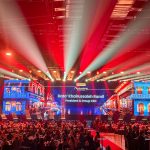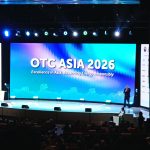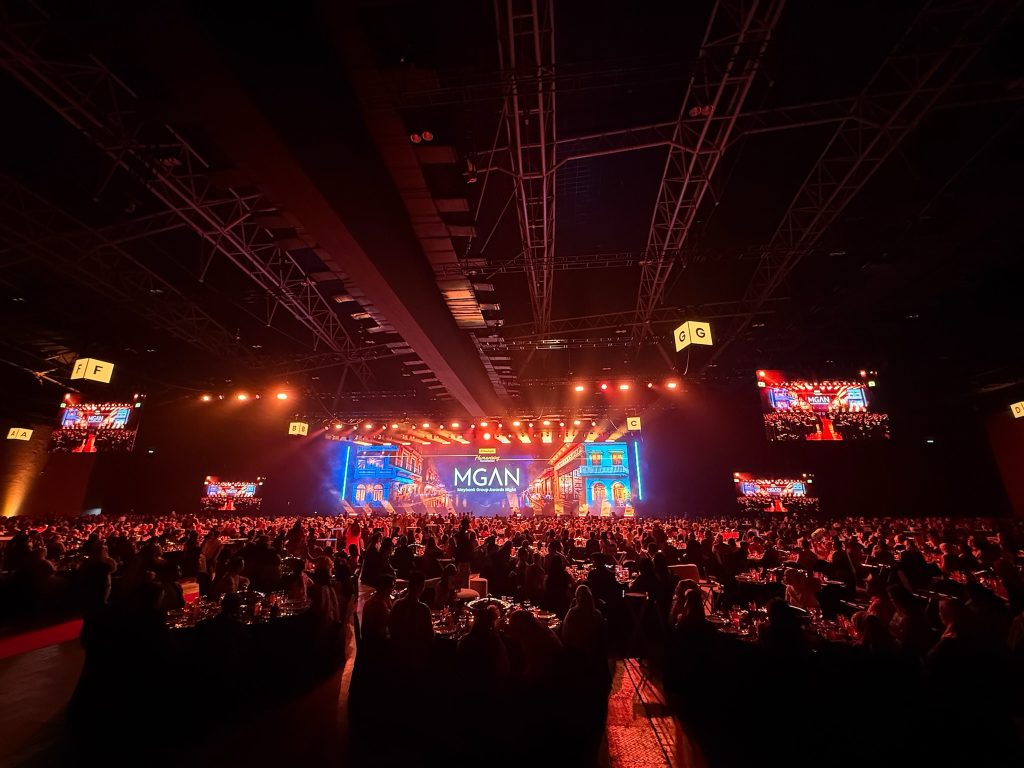
A gala dinner or awards night is designed to create memorable moments. From the grand opening and entertainment performances to the announcement of award winners, every part of the programme contributes to the guest experience. The stage, lighting, décor and audiovisual setup work together to create an atmosphere that feels professional, engaging and worthy of the occasion.
One of the most noticeable elements in this environment is the LED screen.
Whether it displays event branding, nominee profiles, sponsor logos, award categories, presentation videos or live camera feeds, an LED screen plays an important role in how guests experience the event. It also becomes a major part of the stage design and the visual identity captured in photographs and videos.
However, choosing the right display involves more than selecting the largest screen available. Screen dimensions, pixel pitch, viewing distance, brightness, content format and venue layout all influence the final result.
For event organisers considering LED screen rental for a gala or award ceremony, understanding these factors helps ensure the display supports the programme without creating unnecessary costs or technical complications.
Start with the Purpose of the LED Screen
Before deciding on screen specifications, identify how the display will be used throughout the event.
A gala dinner and an award ceremony may share the same venue, but their visual requirements can change significantly throughout the evening.
During guest arrival, the screen may display the event title, company branding or sponsor logos. During dinner, it could show animated backgrounds, event highlights or supporting visuals. When the award ceremony begins, the display may become the main platform for nominee introductions, award categories, winner announcements and presentation videos.
An LED screen may serve several purposes:
- Event branding: Display the event name, theme, corporate identity and visual graphics.
- Award presentations: Show award categories, nominee names, winner announcements and recipient details.
- Sponsor recognition: Highlight sponsor logos and promotional visuals at appropriate programme intervals.
- Video playback: Display opening videos, company highlights, nominee profiles and appreciation videos.
- Live camera feeds: Show presenters, award recipients and performances to guests seated further away.
- Entertainment visuals: Support performances with motion graphics, backgrounds and visual effects.
Listing these requirements early helps determine the screen size, configuration and technical setup.
For example, a screen used mainly for decorative visuals may have different content requirements from one displaying nominee names, presentation slides and detailed information. The display should be selected according to what guests need to see, not simply how impressive it looks on stage.
Choose the Right LED Screen Size for Your Venue
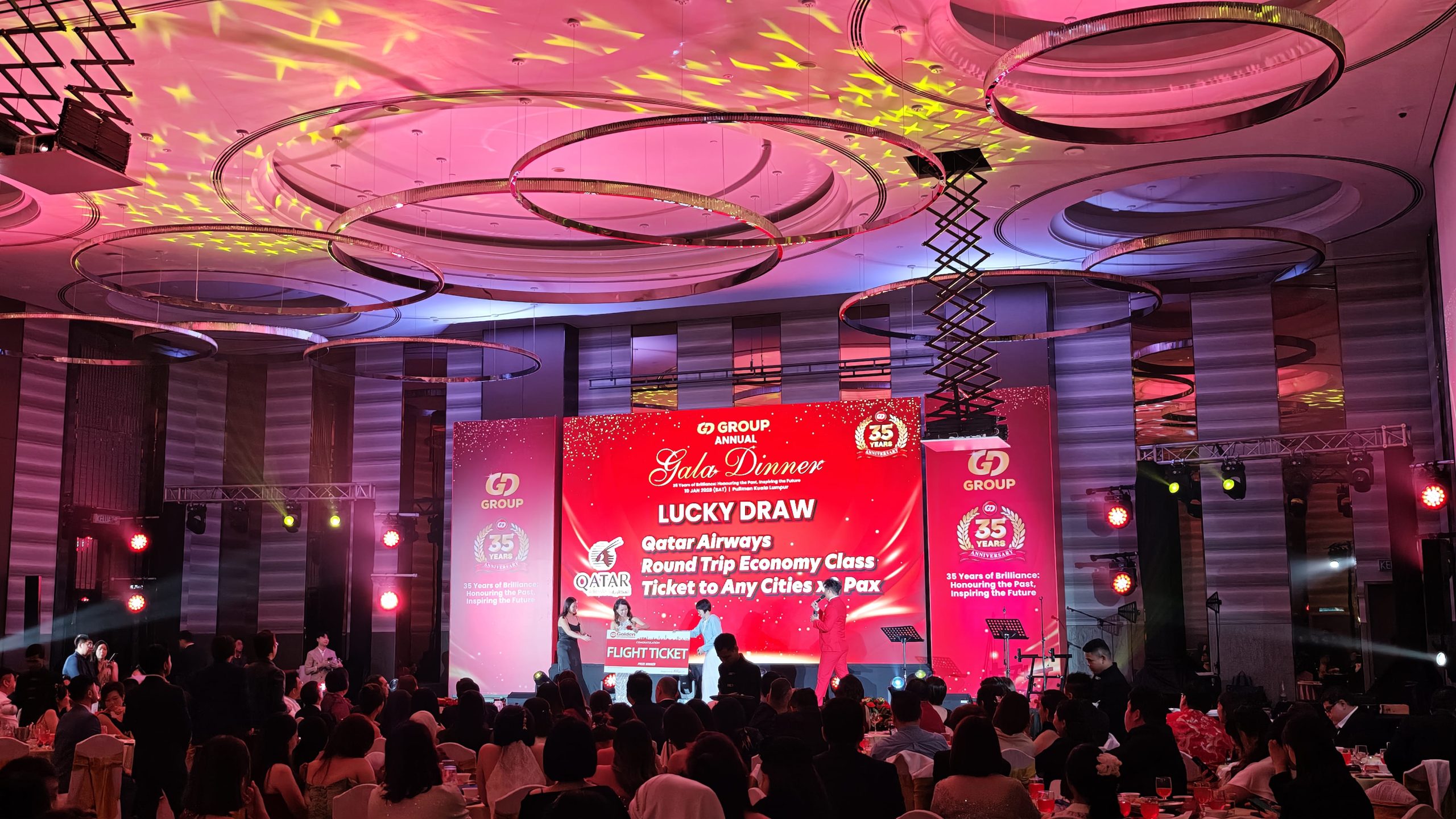 Screen size is one of the first considerations when planning LED screen rental.
A display that is too small may be difficult for guests seated at the back of a ballroom to see. A screen that is too large may overpower the stage, affect the overall design or create unnecessary expenses.
The ideal size depends on several factors, including the venue dimensions, audience capacity, stage width, seating arrangement and viewing distance.
Consider the audience size and seating layout
A ballroom hosting 200 guests has different requirements from a convention hall accommodating 1,000 guests.
However, guest count alone should not determine screen size. The shape of the room and seating arrangement are equally important.
Consider whether guests are seated in banquet-style round tables, theatre-style rows or a combination of both. Some tables may be positioned at the sides of the room, while pillars or decorative structures may obstruct certain viewing angles.
A screen should be visible from the main audience areas, not just from the centre of the ballroom.
Match the screen to the stage design
The LED screen should complement the stage rather than compete with it.
A wide LED backdrop can create a strong visual centrepiece for a large gala. Alternatively, a central screen supported by side displays may provide better visibility across a wider ballroom.
The screen’s proportions should also work with the stage backdrop, lectern, award presentation area and decorative elements.
Before confirming the dimensions, review the stage layout and venue floor plan with the production team. This helps avoid a display that looks disproportionate or obstructs other important stage elements.
Understand Pixel Pitch and Viewing Distance
Pixel pitch is one of the most important technical specifications when selecting an LED screen.
It refers to the distance between the centres of neighbouring pixels, measured in millimetres. A smaller pixel pitch means the LEDs are positioned closer together, producing a denser display that can provide clearer visuals at shorter viewing distances.
For example, a P2.5 screen has a 2.5mm pixel pitch, while a P3.9 screen has a 3.9mm pixel pitch.
The choice depends on how close guests will be to the display and how much detail the content requires.
Why does pixel pitch matter at a gala?
At a gala dinner, guests may sit relatively close to the stage, particularly those at the front tables. If the pixel pitch is too large for the viewing distance, individual pixels may become noticeable.
This can affect the appearance of fine text, detailed graphics, nominee photographs and other visual content.
A finer pixel pitch may be more suitable when guests are seated close to the screen or when detailed content is displayed. However, selecting an unnecessarily fine pitch can increase rental costs without providing a meaningful improvement for the audience.
The objective is to find a suitable balance between viewing distance, visual clarity and budget.
Consider both the nearest and furthest viewers
Do not assess viewing distance using only the back row.
The nearest audience members are important because they may notice the pixel structure more easily. Meanwhile, the furthest guests need a screen large enough to view the content comfortably.
The production team should assess the overall seating arrangement and identify the positions where screen clarity matters most.
There is no universal pixel pitch that suits every gala. Screen dimensions, content detail, viewing positions and equipment specifications should all be considered together.
Select the Right Screen Configuration
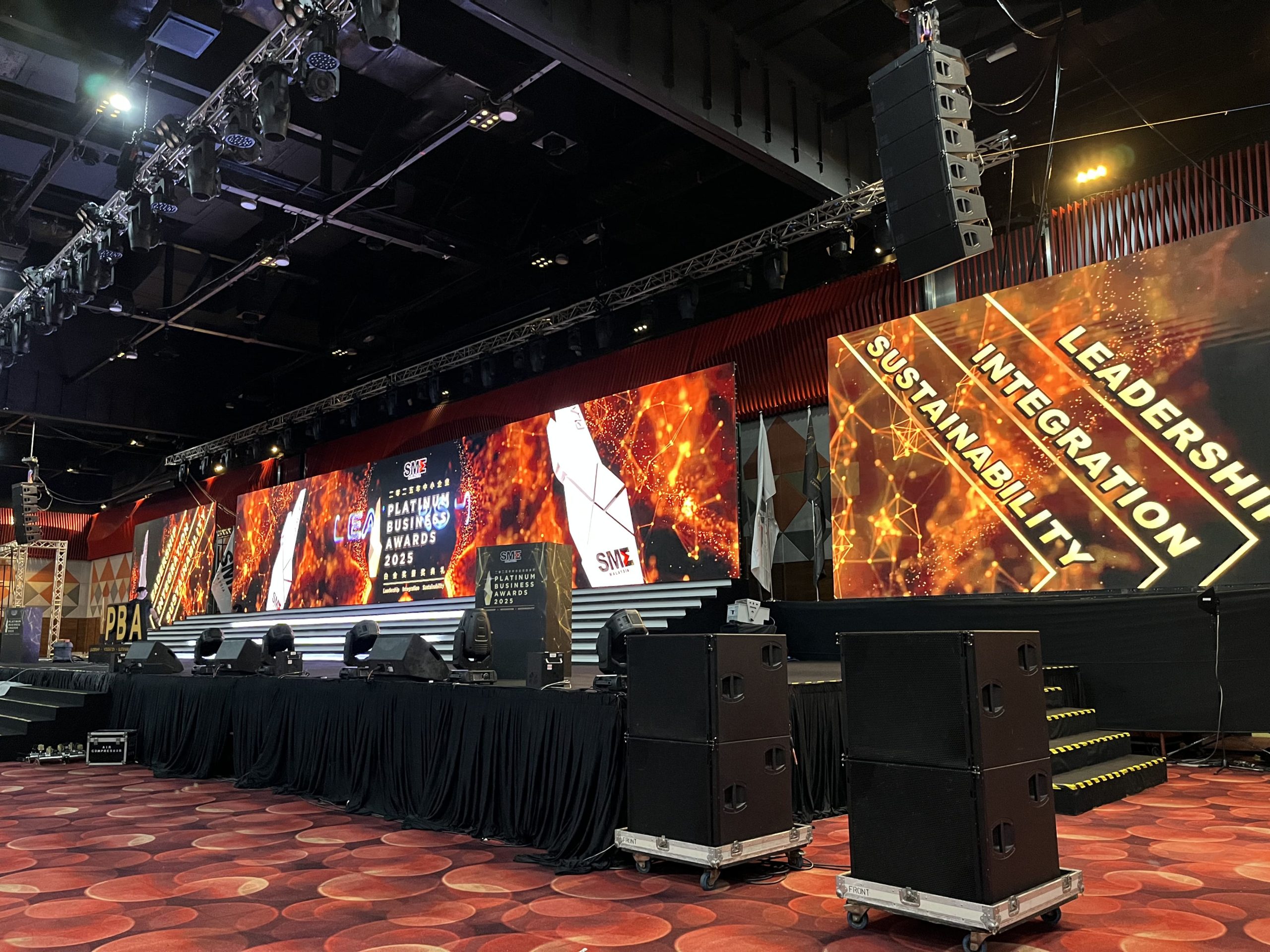 An LED screen does not always have to be installed as one large rectangular display.
Different configurations can create different visual effects and serve different practical purposes. The right arrangement depends on the stage design, event theme and content requirements.
Single main LED screen
A single large LED screen is a straightforward option for many gala dinners and award ceremonies.
It provides one central visual area for event branding, presentations, award categories and videos. This arrangement can work well when the stage is designed around a central focal point.
It also simplifies content management because the main programme visuals are displayed in one location.
Main screen with side screens
For wider venues or larger audiences, side screens can help improve visibility.
A central screen can display the main event graphics, while additional displays show live camera feeds, supporting visuals or other content.
This is particularly useful when the ballroom has a wide seating arrangement and guests positioned at the sides may have difficulty viewing the main screen.
Extended or creative LED layouts
Some gala productions use multiple LED panels or creative screen arrangements to create a more distinctive stage design.
These may include extended horizontal displays, vertical side panels or segmented visual surfaces.
Such configurations can create a more immersive stage environment, but they also require careful content planning. Graphics and videos must be designed to suit the screen arrangement rather than simply stretched across different display sections.
The configuration should enhance the event’s visual identity while keeping important information easy to follow.
Consider Brightness and the Venue Environment
The brightness of an LED screen affects how clearly content appears to the audience.
A gala dinner is commonly held in a hotel ballroom, banquet hall or convention centre. These venues may have chandeliers, decorative lighting, stage fixtures and other sources of illumination.
The LED screen must remain visible without appearing excessively bright or uncomfortable.
Indoor LED screens
Indoor LED screens are designed for controlled environments where daylight exposure is limited.
For a ballroom, the production team should consider the existing venue lighting, stage lighting and the screen’s position. A display that is too bright may overpower the surrounding stage design, while insufficient brightness can make content difficult to see.
Outdoor LED screens
If the gala or award ceremony takes place outdoors, the display must be suitable for the environmental conditions.
Daylight can reduce screen visibility, so outdoor applications generally require displays with higher brightness. Equipment suitability, weather protection, power distribution and installation safety must also be considered.
An indoor display should not automatically be assumed suitable for outdoor use.
The important point is to select equipment based on the actual venue rather than relying on a standard LED screen package.
Plan the Content Before Confirming the Screen
A well-sized LED screen can still deliver a poor experience if the content is not prepared correctly.
Gala dinners and award ceremonies often involve multiple types of visual content, and each may have different dimensions, formats and playback requirements.
For example, a nominee introduction may display a person’s photograph, name, department and achievement. A winner announcement may require a dedicated graphic, while an entertainment segment may use full-screen motion visuals.
The production team should establish the content requirements before finalising the display configuration.
Important considerations include:
Aspect ratio: This refers to the relationship between the screen’s width and height. Content should be prepared to suit the intended display format to avoid stretching, cropping or unused screen space.
Resolution: The content resolution should be suitable for the LED screen’s actual pixel dimensions. High-quality source files help preserve visual clarity.
Text readability: Award categories, nominee names and sponsor information should use appropriate font sizes and contrast so that guests can read them from different seating positions.
Video playback: Opening videos, nominee profiles and entertainment visuals should be tested using the actual playback system before the event.
Content sequence: Every visual should be arranged according to the programme order, making it easier for the operator to display the correct material at the right time.
A content checklist should also identify who is responsible for supplying, reviewing and approving the final materials.
This is particularly important for award ceremonies where nominee names, award categories and winner information must be accurate.
Make the LED Screen Work with Event Lighting
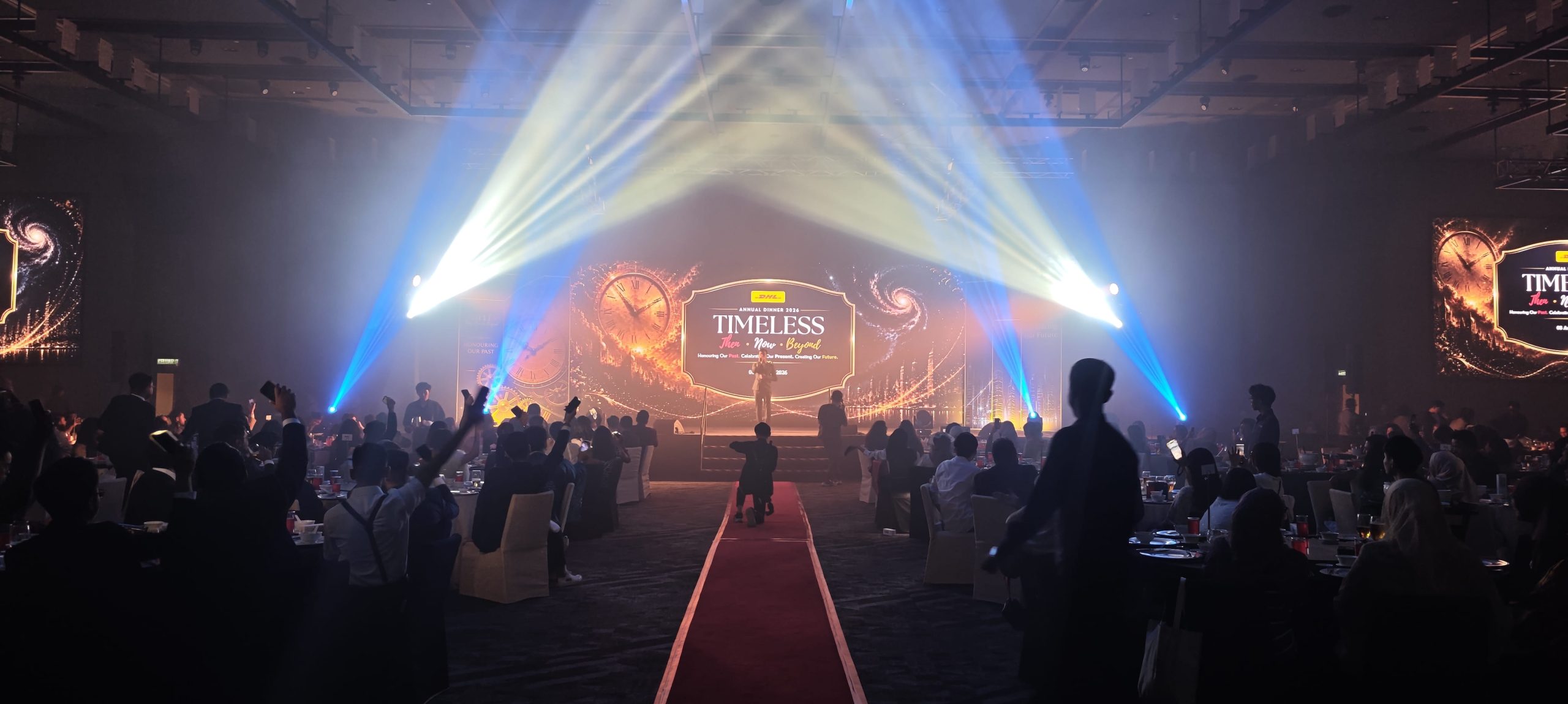
An LED screen is a major visual element, but it should not be planned independently from the lighting design.
Lighting helps create the atmosphere of a gala, highlights the stage and directs attention towards presenters, performers and award recipients. The LED screen provides the visual background and information that supports these moments.
When both systems are not properly coordinated, they can compete visually.
For example, a very bright screen may make people standing in front of it appear darker on camera. Excessive lighting directed towards the screen can also affect the overall visual balance.
A coordinated setup considers:
- Screen brightness and content colours.
- Stage wash and front lighting.
- Spotlight positions for presenters and winners.
- Camera positions and exposure.
- Stage backdrop and decorative structures.
- Lighting changes throughout the programme.
The lighting should make presenters and recipients clearly visible while allowing the LED screen to remain an effective visual backdrop.
This is particularly important during award presentations, when photographs and videos capture the recipient standing in front of the display.
For more information, read DOREMi’s guide on Lighting for Galas and Award Nights: Creating the Right Atmosphere.
Consider Live Camera Feeds and Award Presentation Moments
One of the most valuable uses of an LED screen during an award ceremony is displaying live camera feeds.
At a large gala, guests seated further away may struggle to see the expressions and movements of presenters or award recipients on stage.
Live camera feeds can help bridge this distance by showing close-up views on the main LED screen or supporting displays.
This can be especially useful during:
- Winner announcements.
- Award handovers.
- Group photographs.
- Speeches and acceptance messages.
- Live performances.
- Special recognition segments.
However, displaying live footage requires more than connecting a camera to a screen.
The production team must coordinate camera positions, video switching, signal connections and screen playback. The camera feed should also be tested to ensure the image is clear and properly framed.
The programme’s run sheet should identify when live footage is required and how it transitions between presentation graphics, videos and camera feeds.
These details help ensure that the screen supports the programme smoothly rather than becoming a source of last-minute technical adjustments.
Think About Photography and Video Recording
A gala or award night is often documented through professional photography and videography.
The event’s LED screen may appear in hundreds of photographs, making its visual quality an important part of the final event documentation.
The screen content should be designed to look good both in person and on camera.
For example, a winner photograph may include the recipient, presenter, award trophy and event branding displayed behind them. If the background contains too much information or the graphics are poorly arranged, the photograph may appear cluttered.
The production team should also consider the screen’s refresh rate and how it performs with the cameras being used. Display and camera settings can affect how the LED screen appears in recorded footage, including the possibility of flicker or visible banding.
Testing the screen with the actual camera setup before the event helps identify potential issues.
This is especially important when the gala will be livestreamed or recorded for future corporate communications.
Compare LED Screen Rental Options Based on Value
Budget is an important part of gala planning, particularly when organisers need to manage several production requirements.
However, choosing the cheapest LED screen rental package may not always provide the best value.
A quotation should be assessed according to the actual equipment and services included.
Consider whether the proposed package covers:
- LED screen panels and the required configuration.
- Supporting structures and installation.
- Video processors and playback equipment.
- Signal distribution and necessary connections.
- Technical operators.
- Setup, testing and dismantling.
- On-site technical support.
- Additional displays or backup arrangements, where required.
It is also useful to understand whether the supplier has considered the venue layout, screen dimensions, content requirements and programme schedule.
A quotation that appears cheaper may exclude important technical components or operational support. Comparing the complete scope of work provides a clearer understanding of what is being offered.
The aim is not to spend the most on display technology. It is to invest in a setup that meets the event’s actual requirements and provides a reliable experience.
Common LED Screen Rental Mistakes to Avoid
Even with careful planning, certain mistakes can affect the final display setup.
Choosing a screen based on size alone
A large display does not automatically guarantee better visibility. Viewing distance, pixel pitch, screen position and content readability must also be considered.
Ignoring side seating
Planning only for guests seated directly in front of the stage can leave people at the sides with poor viewing angles. Review the entire ballroom layout before confirming screen placement.
Using the wrong content format
Content designed for a different screen ratio may appear stretched, cropped or poorly positioned. Confirm the display dimensions and content requirements early.
Overlooking lighting and camera coordination
The screen must work with stage lighting and camera systems. Failing to coordinate these elements can affect both the live audience experience and event recordings.
Leaving content testing until the last minute
Videos, graphics and presentations should be tested before the event. This gives the team time to correct formatting, playback or connection issues.
Treating the LED screen as a standalone rental
The display is part of a wider production system involving staging, lighting, sound, video and technical operation. Planning these elements together helps prevent avoidable problems.
A Practical Checklist Before Booking LED Screen Rental
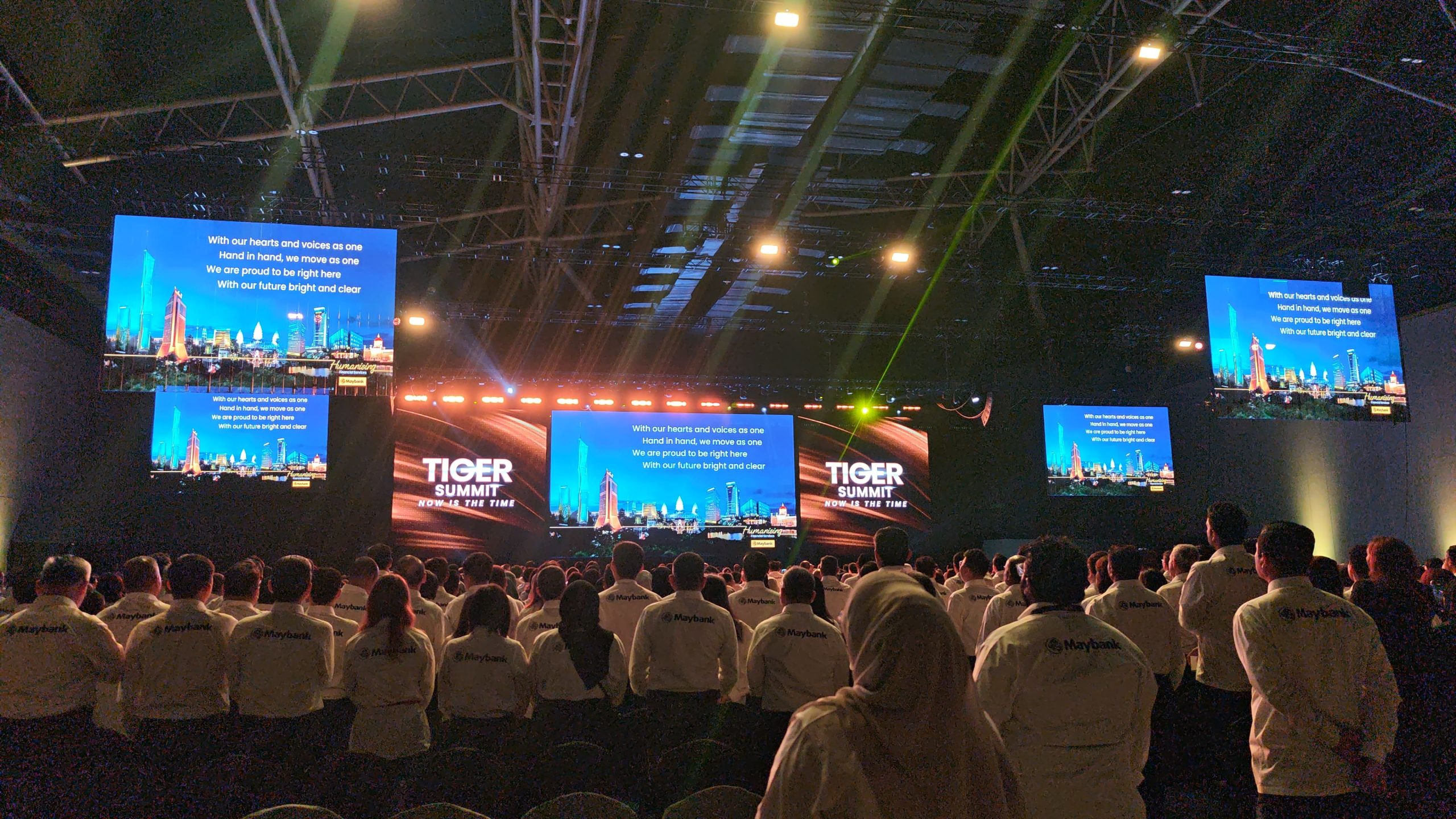 Before confirming your LED screen rental for a gala or award ceremony, prepare the following information for your production provider:
- Event date, venue and programme duration.
- Expected number of guests.
- Ballroom dimensions and seating arrangement.
- Stage dimensions and backdrop design.
- Estimated viewing distance from the nearest and furthest guests.
- Required screen size and configuration.
- Indoor or outdoor display requirements.
- Award presentation and sponsor content requirements.
- Video playback and live camera feed requirements.
- Photography, recording or livestreaming arrangements.
- Available installation time and venue restrictions.
- Technical support and rehearsal requirements.
Providing these details early allows the production team to recommend a display that suits the event instead of relying on a standard package.
Frequently Asked Questions
1. What size LED screen is suitable for a gala dinner?
The suitable size depends on the ballroom dimensions, audience capacity, stage design and viewing distance. A wider display or additional side screens may be useful for large venues with guests seated across a broad area.
2. What pixel pitch should I choose for an award ceremony?
Pixel pitch should be selected according to the nearest viewing distance and content detail. Finer pixel pitch may be beneficial when guests sit close to the display or when detailed graphics and text are shown. A professional LED screen provider can assess the venue and recommend an appropriate specification.
3. Can an LED screen display live camera feeds during an award night?
Yes. An LED screen can display live camera footage of presenters, award recipients and performances. This requires suitable camera equipment, video processing, signal connections and technical operation.
4. Should LED screens and event lighting be planned together?
Yes. The LED screen and lighting system influence the overall appearance of the stage. Coordinating brightness, lighting positions, camera angles and content helps ensure that presenters and award recipients remain clearly visible.
5. What should I prepare before requesting an LED screen rental quotation?
Prepare the event date, venue, expected guest count, stage dimensions, seating layout, content requirements and programme schedule. These details help the provider recommend a suitable screen size, configuration and technical setup.
Further Reading
Lighting for Galas and Award Nights: Creating the Right Atmosphere – DOREMi
Explore how professional lighting supports the atmosphere, stage presentation, photography and programme flow of a gala dinner or award ceremony.
Choosing the Right LED Screen for Your Event: Buying Guide – LivewireAV
Learn about LED screen specifications, pixel pitch, brightness, viewing distance, content preparation and technical planning for different event environments.
Planning LED Screen Rental for Your Gala or Award Night?
The right LED screen does more than display event visuals. It supports the programme, highlights important moments, showcases sponsors and helps create a memorable experience for guests.
DOREMi provides professional event technology and production solutions, including LED screen rental, sound systems, event lighting, staging, truss structures and audiovisual equipment for gala dinners, award ceremonies, corporate events and large-scale productions.
Explore our event production services or contact the DOREMi team to discuss the LED screen and technical requirements for your next event.