Redundancy Planning: How We Prevent On-Stage Technical Failures
In live event production, audiences expect seamless experiences. The lights must cue on time, the sound must remain clear, and the visuals must flow without interruption. Yet behind every flawless performance lies meticulous planning to prevent technical failures. Redundancy planning—the practice of building backup systems and strategies into stage production—is the cornerstone of reliability.
This article explores the principles of redundancy planning, the types of redundancies used in professional staging, the challenges they address, and the best practices that keep events running smoothly.
Why Redundancy Planning Matters
- Continuity of Experience: Audiences remain immersed without noticing technical hiccups.
- Risk Mitigation: Backup systems reduce the likelihood of catastrophic failures.
- Professional Reputation: Demonstrates reliability and foresight to clients and stakeholders.
- Safety Assurance: Critical for crowd management and emergency communication in large venues.
Types of Redundancy in Stage Production
Redundancy planning spans multiple technical layers of a live event:
- Audio Systems: Dual microphones for key speakers, backup mixing consoles, and redundant signal paths.
- Video Systems: Redundant media servers running simultaneously, dual cabling (HDMI/SDI), and multiple playback devices.
- Lighting Systems: Secondary control consoles and dual power supplies on separate circuits to prevent total blackouts.
- Power Supply: Uninterruptible Power Supplies (UPS) for immediate backup and industrial generators for large-scale resilience.
- Networking and Control: Utilizing redundant switches and failover protocols to ensure AV-over-IP systems remain stable.
Challenges Redundancy Planning Addresses
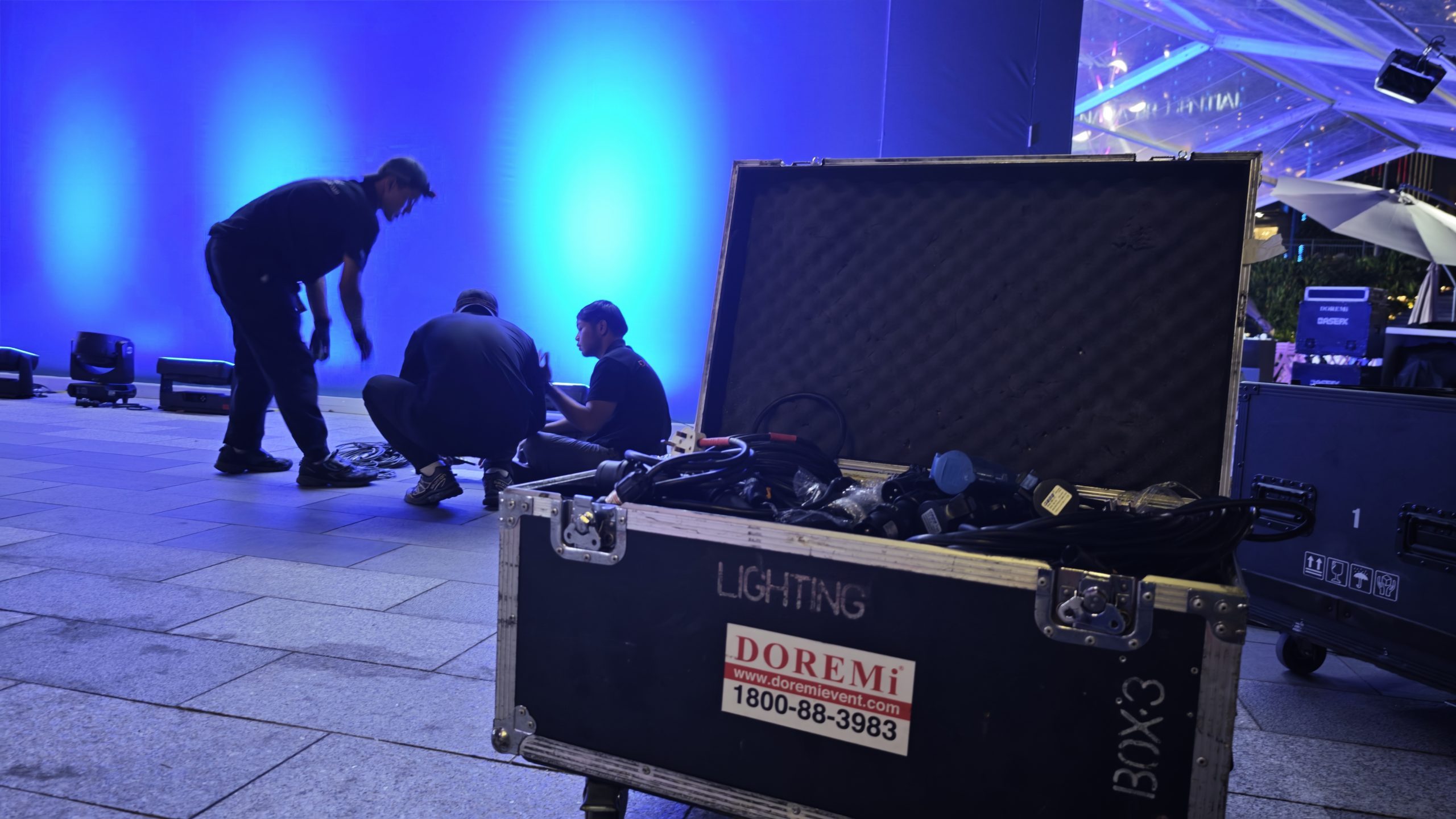
Professional events face unique risks including equipment malfunction under stress, human error during live operations, and environmental factors like weather in outdoor settings. Because modern AV systems are highly integrated, a single failure can cascade; redundancy enables the “Instant Recovery” required in time-sensitive live environments.
Best Practices for Event Professionals
Success in redundancy is built on structured strategies:
- Risk Assessment: Identify critical points of failure and prioritize high-impact areas.
- Layered Redundancy: Employ multiple levels of backup that are independent to avoid shared vulnerabilities.
- Testing and Simulation: Conduct rehearsals with “intentional failures” to verify automatic failover protocols.
- Clear Documentation: Map signal flows and provide operators with step-by-step recovery procedures.
- On-Site Readiness: Keep spare equipment accessible and assign technicians for real-time monitoring.
- Post-Event Review: Analyze performance logs to update and improve future redundancy strategies.
The Evolution & Future of Reliability
Redundancy has evolved from duplicate analog gear to automated digital failover and remote monitoring via tablets. Looking ahead, we expect:
- AI Predictive Maintenance: Detecting potential failures before they occur.
- Cloud-Based Backups: Instant failover for video and streaming content.
- Green Redundancy: Sustainable backup solutions like solar-powered generators.
Practical Scenarios in Action
From concerts (ensuring performers are never silenced) to corporate conferences (preventing video freezes during keynotes) and outdoor festivals (safeguarding against power fluctuations), redundancy is the “Silent Guardian” of the event industry.
Conclusion: Reliability as a Professional Standard
Redundancy planning is not optional; it is a standard of excellence. By anticipating failures and preparing backups, event professionals safeguard both the technical integrity and the audience experience. Mastering this discipline is the difference between a flawless event and a compromised one.
Zero-Failure Event Production
Ensure your next event is bulletproof with DOREMi’s industry-leading redundancy planning and technical expertise.