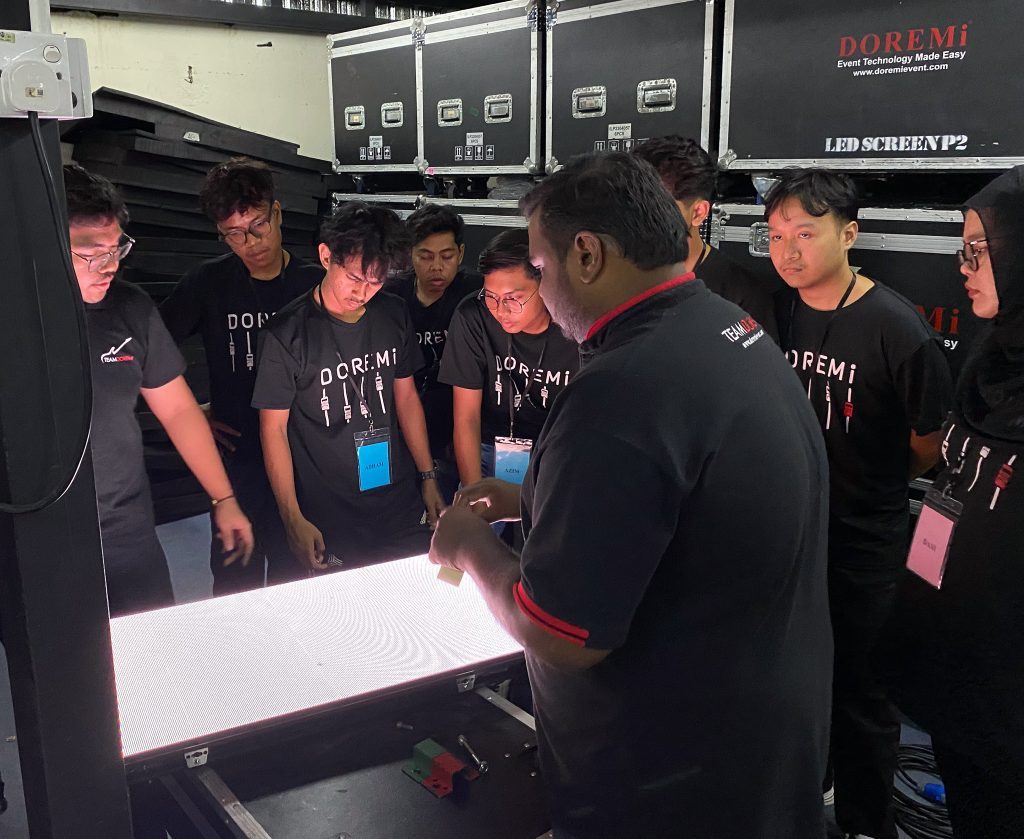
As the calendar flips to June or July, many event professionals find themselves in a unique window of opportunity. The first half of the year has revealed the strengths and weaknesses of their gear, while the second half promises a surge of high-profile gigs, festivals, and corporate events. For companies like Doremi Events, which pride themselves on delivering flawless sound and performance experiences, mid-year is the golden moment to evaluate, maintain, and upgrade backline equipment.
What Is Backline Equipment?
Backline refers to the musical instruments and gear used by performers on stage. This includes drum kits, guitar and bass amplifiers, keyboards, synthesizers, percussion instruments, DJ gear, and various accessories. Unlike front-of-house systems such as PA speakers, mixers, and microphones, backline gear is artist-facing and deeply personal. It must be reliable, responsive, and tailored to the needs of each act. A faulty amp or a sticky keyboard key can derail a performance, making backline maintenance a critical part of any event production strategy.
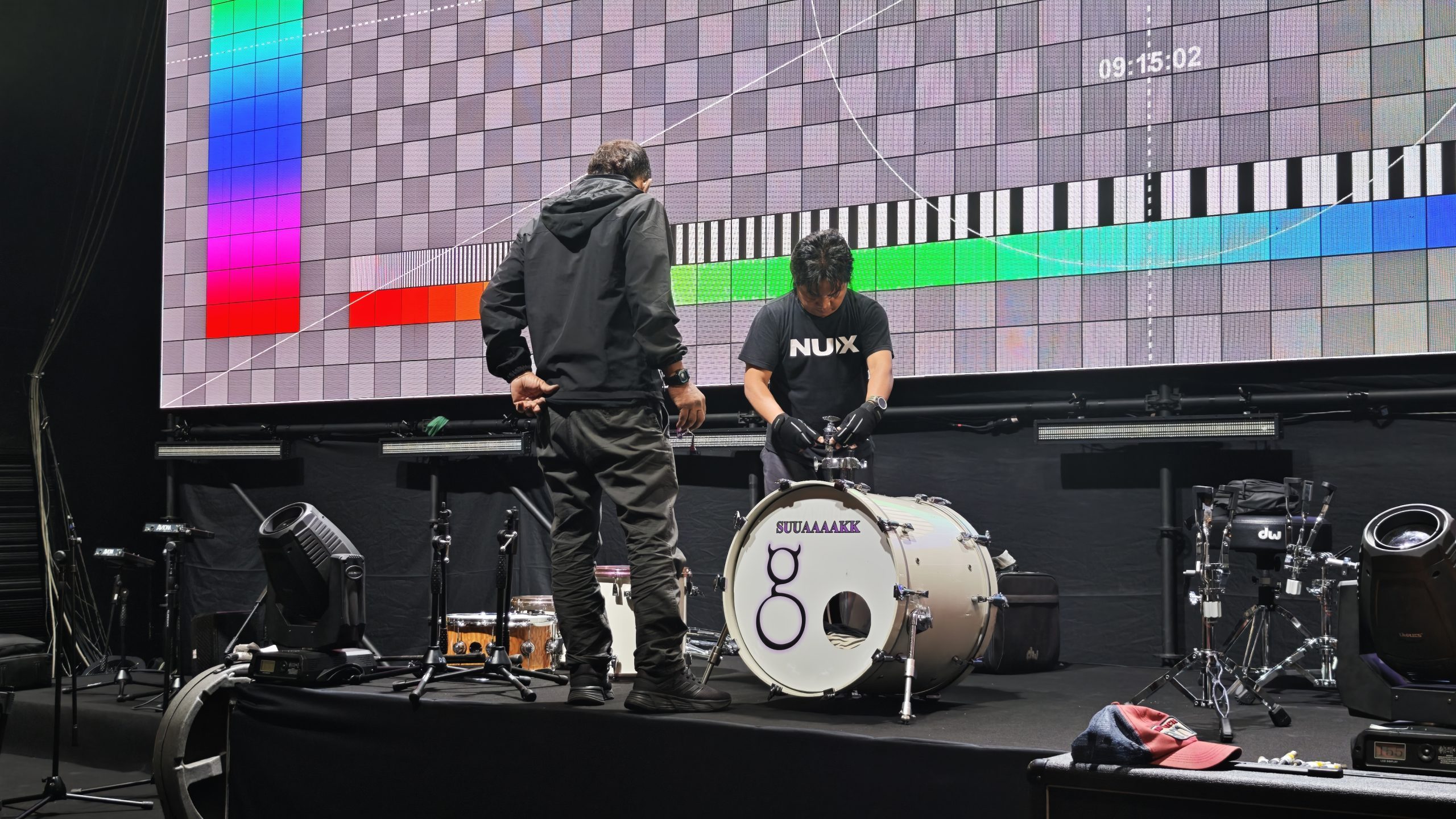
Why Mid-Year the Ideal Time?
- You Have Real Performance Data
By the time mid-year rolls around, your gear has likely been used in dozens of shows. This means you now have real-world data to work with. You’ve seen which amps consistently hum, which drum kits have loose hardware, and which keyboards are starting to show signs of wear. You’ve also received feedback from artists and technicians—perhaps some have requested specific brands or models, or noted issues with responsiveness or tone.
This kind of insight is invaluable. It allows you to make informed decisions rather than reactive ones. Instead of waiting for something to fail during a high-stakes event, you can proactively address issues based on patterns you’ve observed over the past six months.
“Mid-year reviews give you a clear picture of what’s working, what’s costing you time or money, and where your maintenance strategy may need attention.”
- You Avoid the Chaos of Peak Season
The second half of the year is notoriously busy in the events industry. From music festivals and corporate year-end parties to holiday concerts and New Year’s Eve celebrations, the calendar fills up fast. Trying to upgrade or repair gear during this time is risky. Vendors are swamped, shipping delays are common, and your team is likely stretched thin.
By contrast, mid-year offers a relatively calm period to plan and execute upgrades. You can test new gear, train your team on updated setups, and ensure everything is show-ready before the rush begins.
- Budget Reallocation Becomes Possible
Most companies finalize their annual budgets in the first quarter. By mid-year, you have a clearer picture of what’s been spent and what remains. This opens the door to reallocating underused funds toward critical upgrades. You can also justify new purchases using performance metrics and client feedback. Additionally, many suppliers offer mid-year sales or clearance deals, making it a financially savvy time to invest.
“A mid-year maintenance review is your chance to catch missed inspections, reallocate underused budgets, and identify at-risk assets.”
Mid-Year Backline Maintenance: What to Check
A thorough mid-year inspection should cover every category of your backline inventory. Here’s how to approach it:
Guitars and Basses
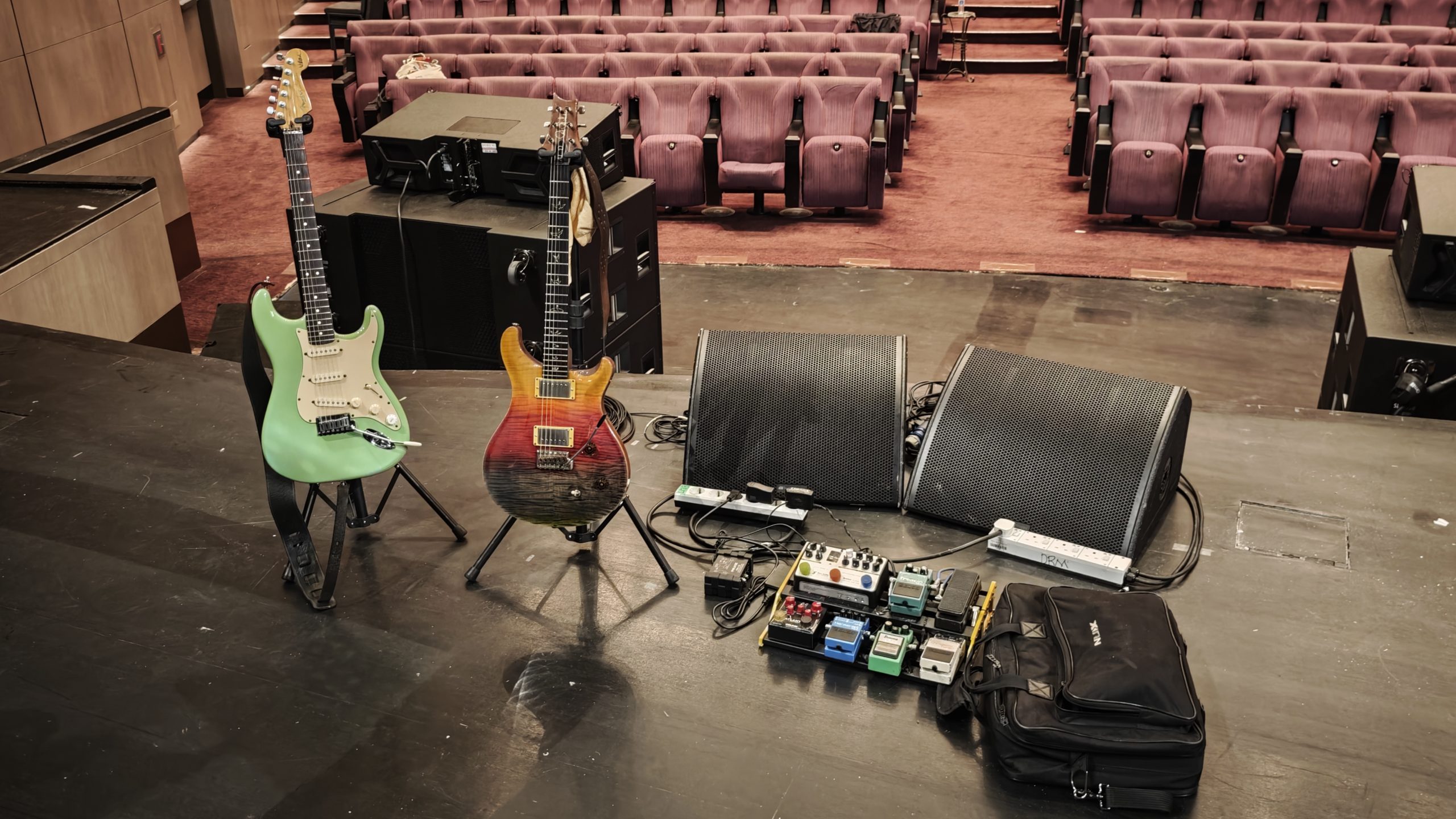
Start by checking the neck alignment and inspecting frets for wear. Replace strings and clean the fretboards to maintain tone and playability. Examine pickups and electronics for any crackling or dropouts, and test output jacks and strap locks to ensure they’re secure.
Drum Kits
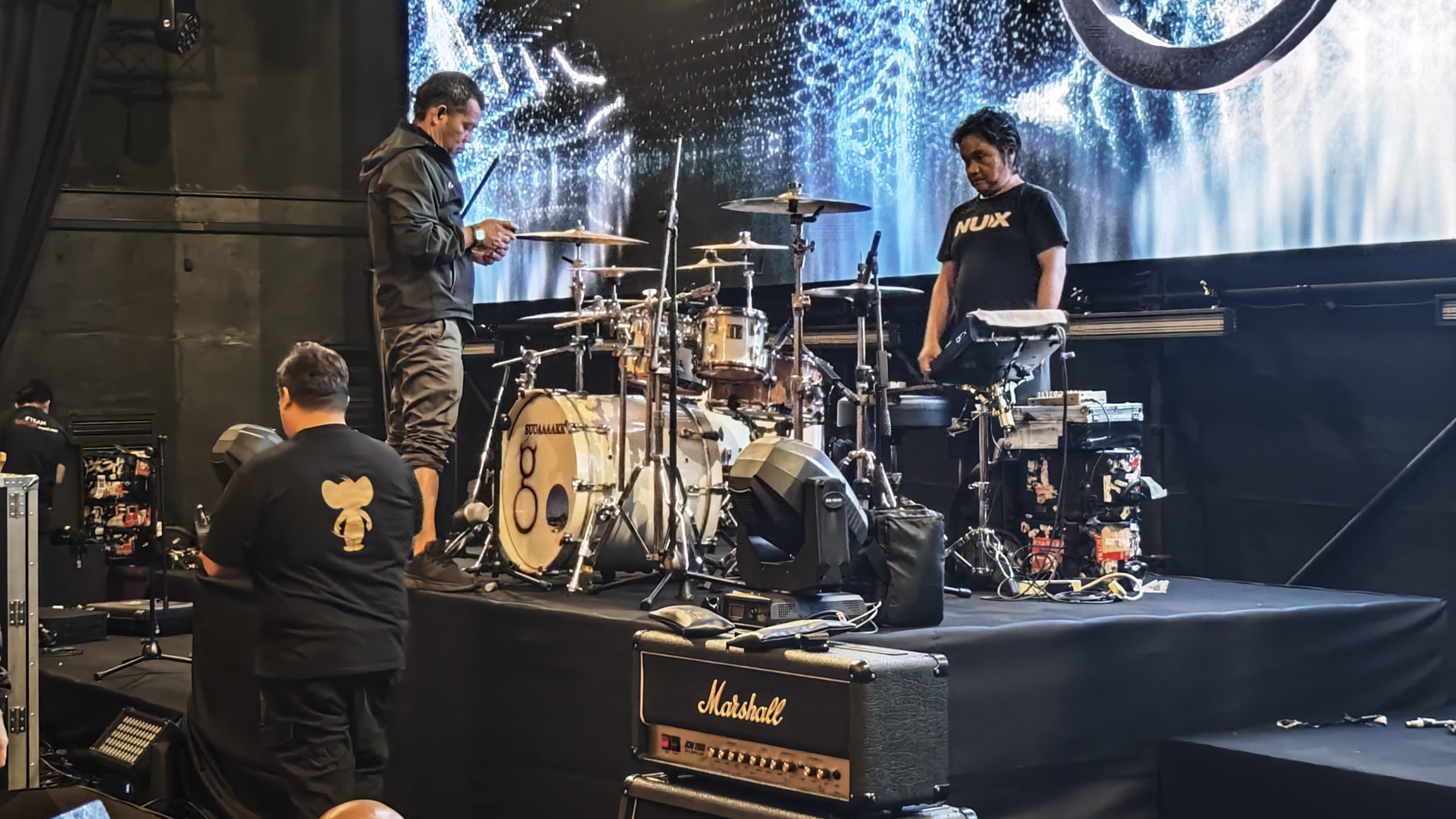
Drum heads wear out faster than most components, so replace any that show signs of damage or loss of tone. Tighten all hardware, check for cracks in shells or stands, and clean cymbals to maintain their brightness. Reorganize cases and label components clearly to streamline setup and teardown.
Keyboards and Synthesizers
Test every key for responsiveness and velocity sensitivity. Update firmware and patches to ensure compatibility with modern setups. Clean all contacts, knobs, and sliders, and verify that MIDI and power connections are stable.
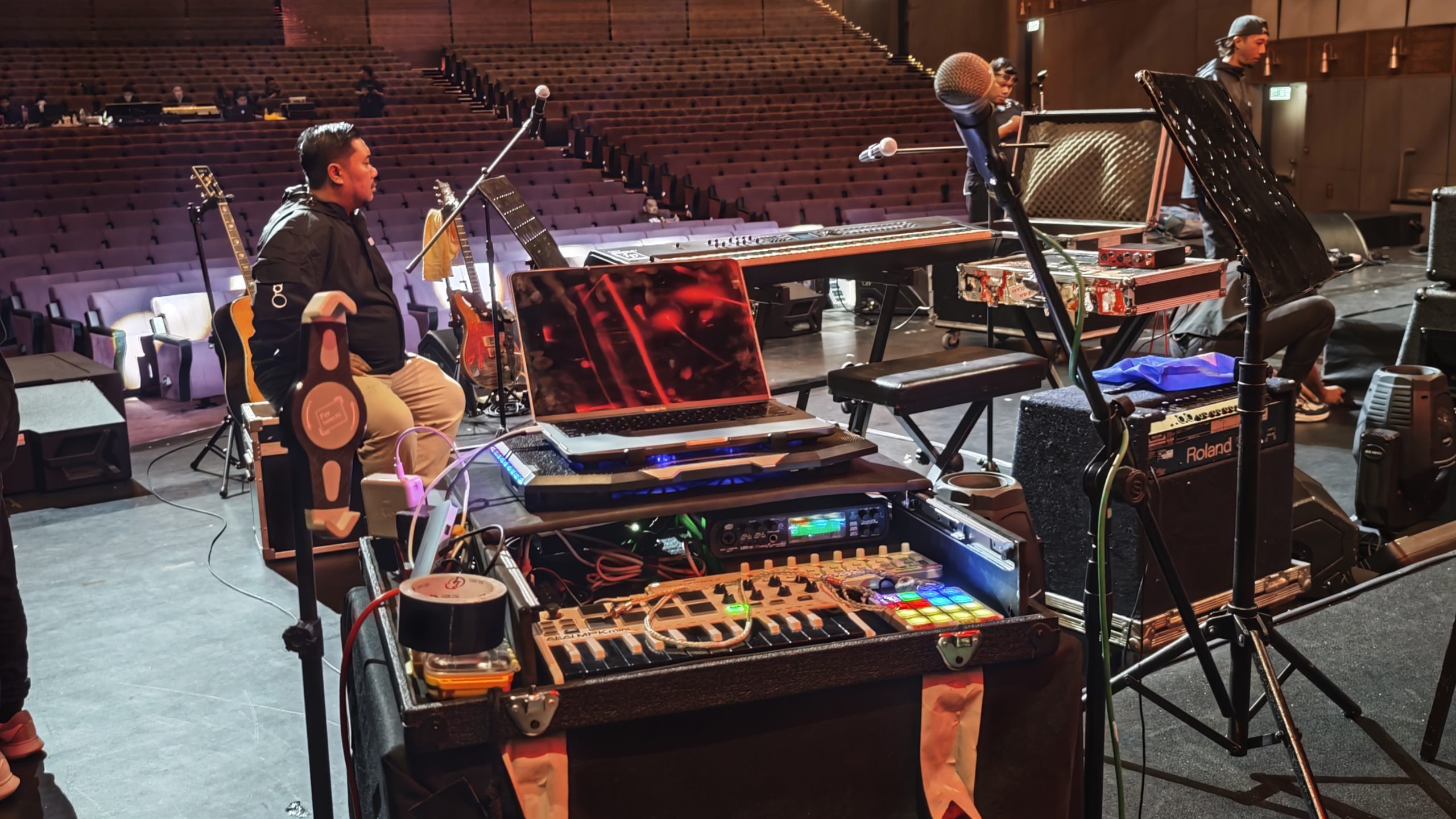
Amplifiers
Inspect tubes and transistors for signs of aging or failure. Clean vents and fans to prevent overheating. Test all inputs, outputs, and footswitches, and listen for unwanted hums, buzzes, or distortion that could indicate internal issues.
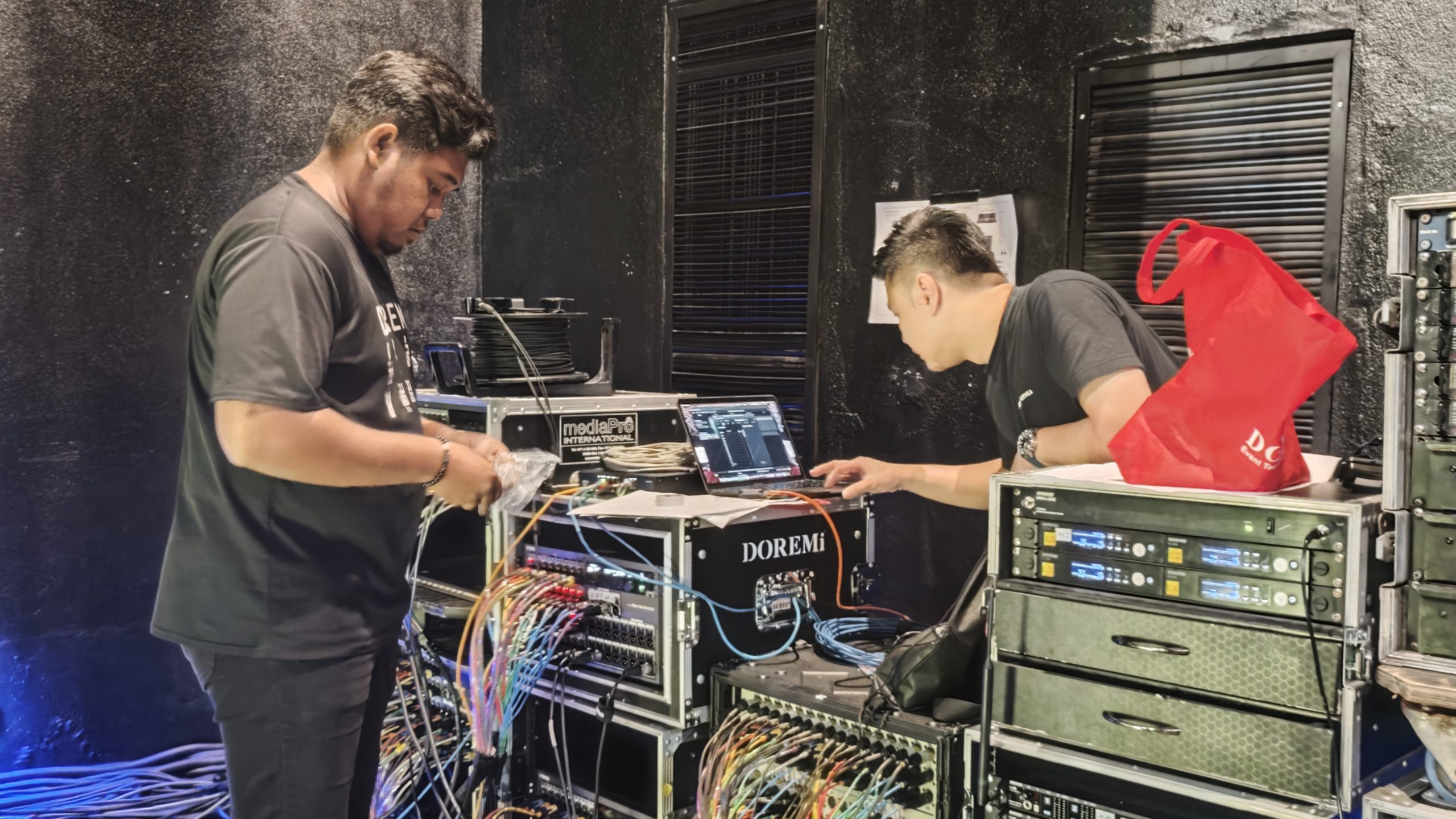
DJ Gear
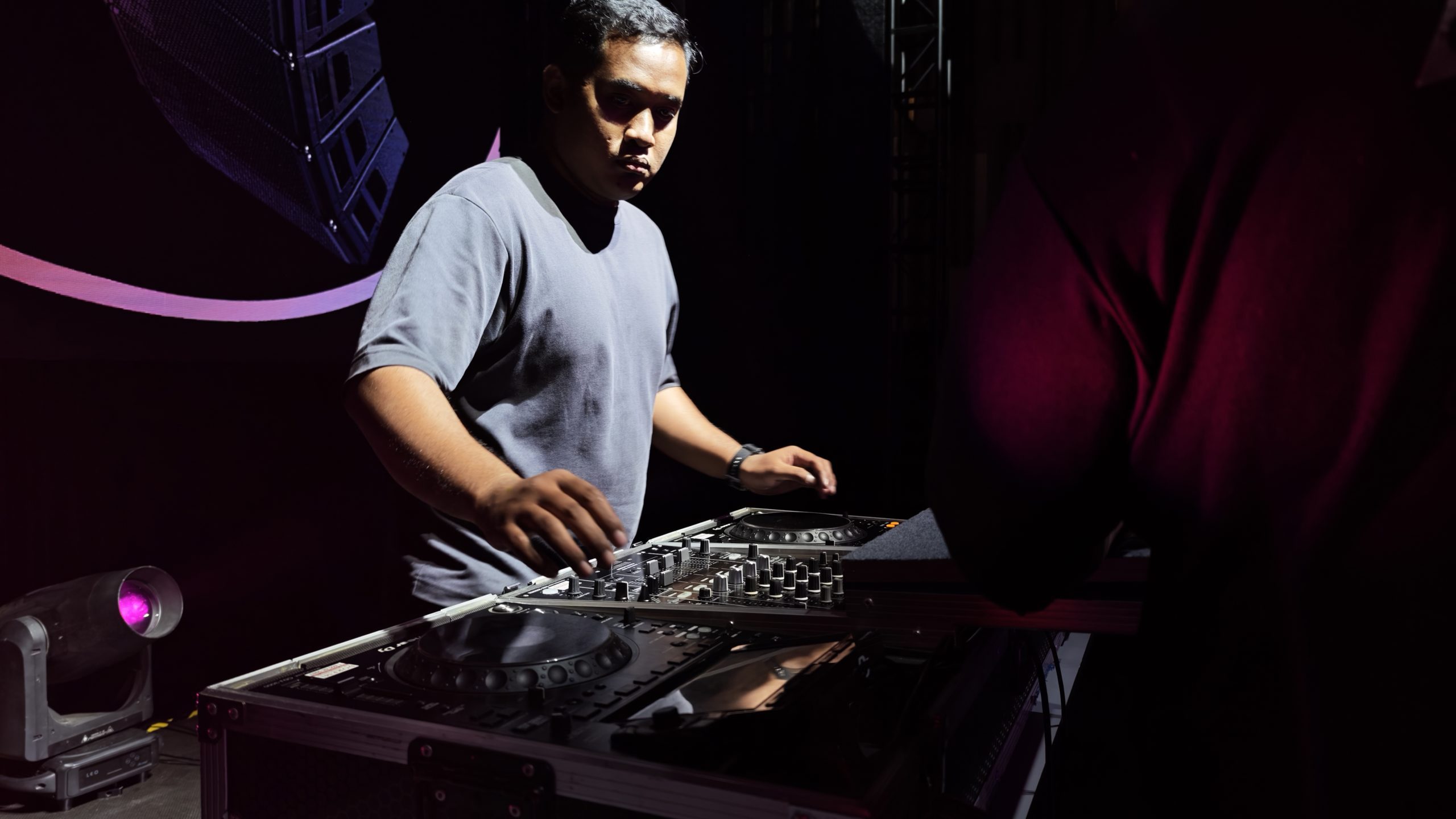
Calibrate jog wheels and faders for accuracy. Update software and firmware to the latest versions. Test USB ports, audio interfaces, and connectivity with laptops or controllers. Clean screens and touch surfaces to maintain responsiveness and visibility.
Repair or Replace? Making the Right Call
Not every piece of gear needs to be replaced. Sometimes a simple repair can extend the life of an item significantly. Here’s how to decide:
- If the issue is minor; like a worn cable or a loose knob, repairing is usually the most cost-effective and fastest option.
- If the model is outdated and lacks modern features or compatibility, upgrading may be the smarter long-term move.
- If a piece of gear has frequent failures or has become unreliable, it’s time to replace it. Reliability is non-negotiable in live event settings.
- Cosmetic damage is often optional to fix, unless it affects client perception or brand image.
- For missing parts, weigh the cost and time of replacement against the value of the gear.
Smart Upgrade Strategies
- Focus on What Clients Want
Review rider requests from the past six months. Are artists consistently asking for Fender Twin Reverb amps, Nord Stage keyboards, or Roland SPD-SX samplers? Investing in popular gear not only improves client satisfaction but also increases your booking appeal.
- Standardize Your Inventory
Standardizing your gear simplifies setup, teardown, technician training, and spare part management. Choose versatile models that work across multiple genres and event types. This also reduces the learning curve for new team members and minimizes compatibility issues.
- Think Sustainably
Consider eco-friendly upgrades that reduce your environmental impact. Energy-efficient amplifiers, rechargeable battery packs, and durable flight cases that reduce waste are all smart investments. Sustainability is increasingly important to clients and can be a differentiator in competitive bids.
- Managing the Maintenance Backlog
A maintenance backlog is the list of pending tasks that haven’t yet been addressed. Managing this backlog effectively ensures fewer emergency repairs, a balanced technician workload, and better resource allocation. Use digital tools like asset management software to log service history, set reminders for inspections, and track costs and downtime. This creates a proactive maintenance culture rather than a reactive one.
“A well-organized maintenance backlog is crucial to ensure operational efficiency and prevent unexpected failures.”
- Train Your Team
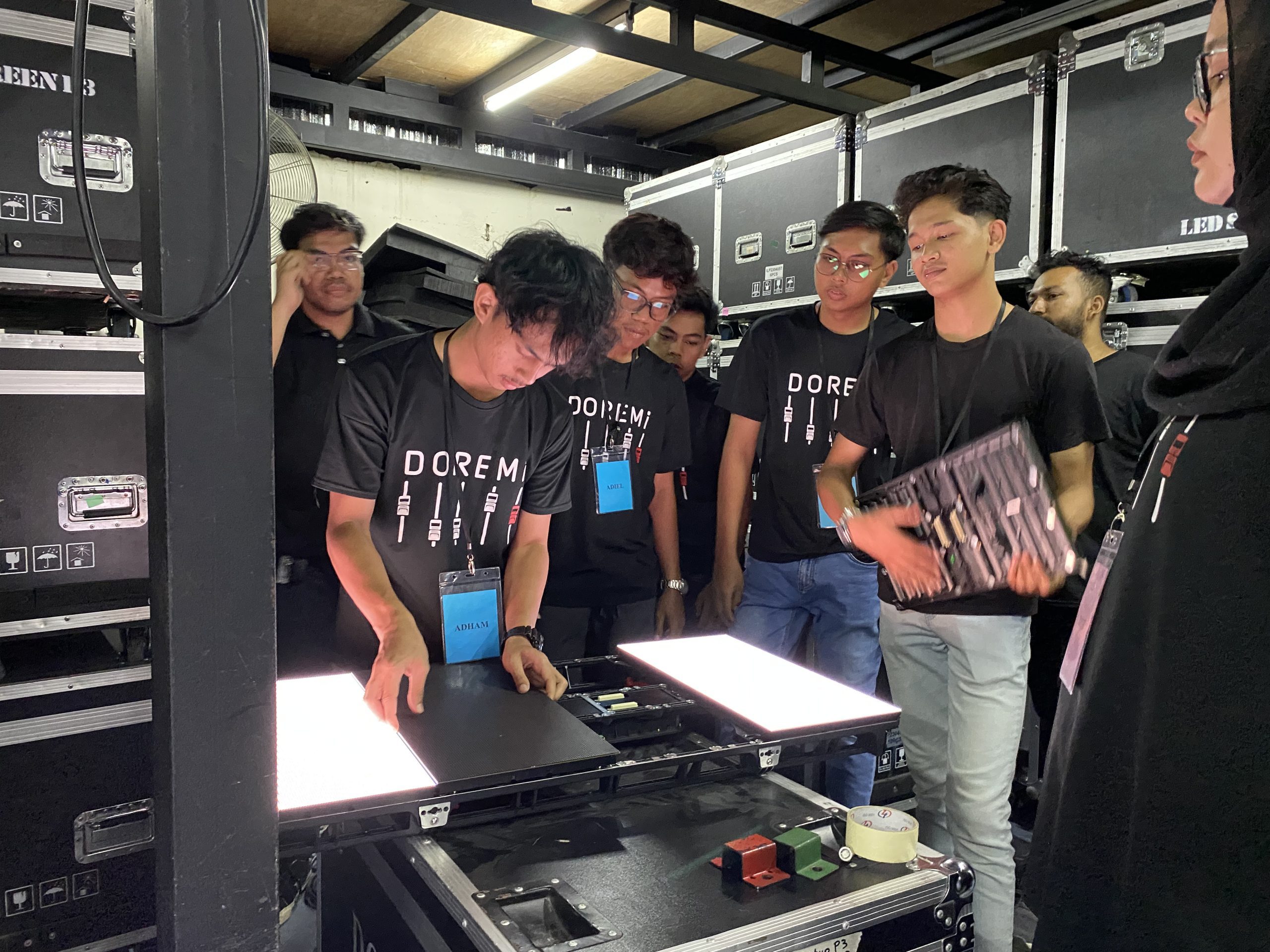
Mid-year is also a great time to invest in your team. Host technician workshops to refresh skills, conduct safety training, and audit your inventory. Update your standard operating procedures (SOPs) to reflect any new gear or processes. An empowered, well-trained team is your best defense against on-site issues.
All in all
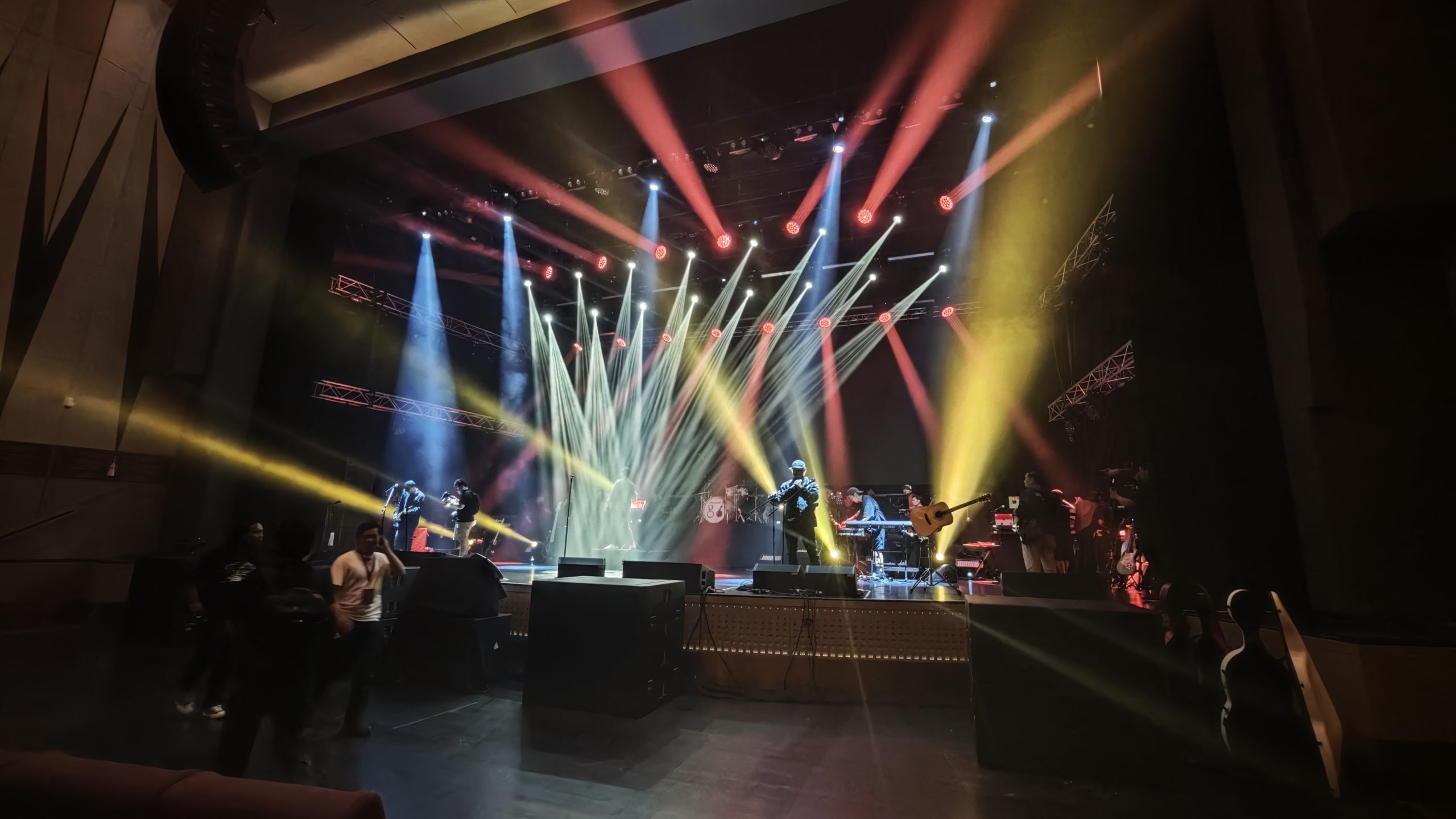
For Doremi Events, excellence isn’t seasonal, it’s continuous. By using mid-year as a strategic checkpoint, you ensure that your backline gear is reliable, artist-approved, and ready for the high-stakes gigs ahead. Whether you’re servicing a vintage Marshall stack or investing in the latest Ableton controller, now is the time to act. Your future events and your reputation, depend on it.