If there’s one thing you cannot afford at a VIP event, it’s failure.
When high-level stakeholders, government officials, global executives, or international media are involved, expectations are not just high—they are non-negotiable. There is no room for “technical difficulties,” no tolerance for delays, and absolutely no second chances.
This is why redundancy is not a luxury in VIP summits—it is a necessity.
Behind every seamless, high-profile event is a carefully engineered system of backups, fail-safes, and contingency planning. From duplicate LED processors to backup power systems and parallel signal paths, redundancy ensures that even if something goes wrong, the audience never notices.
In this article, we break down what redundancy really means in the events industry, why it is critical for VIP summits, and how professional AV teams design zero-failure environments that deliver flawless experiences every time.
What Is Redundancy in Event Production?
In simple terms, redundancy means having a backup for every critical component of your event setup. But in high-stakes environments, it goes beyond just “having a spare.”
True redundancy involves:
- Parallel systems running simultaneously
- Instant failover mechanisms
- Multiple layers of backup
- Real-time monitoring
Why VIP Events Demand Zero Failure
1. High Stakes, High Visibility
VIP events often involve government leaders, international delegates, major corporate stakeholders, and media coverage. Any technical failure can damage reputation, disrupt communication, and undermine credibility.
2. No Opportunity for Repeats
Unlike recorded content, live events cannot be paused, edited, or replayed. If a keynote speech loses audio or visuals, the moment is lost forever.
3. Brand and Political Sensitivity
In high-profile environments, even small errors can carry political implications, brand risks, and public scrutiny. Redundancy protects not just the event—but the message and reputation behind it.
The Core Areas Where Redundancy Is Critical
1. Power Supply
Power failure is one of the most disruptive risks in any event. Key measures include dual power sources, backup generators, and Uninterruptible Power Supplies (UPS) — which ensure instant power continuity and protection for sensitive equipment.
2. Video Systems
LED walls, projection systems, and live feeds are central to modern summits. Redundancy measures include backup LED processors, dual signal inputs, spare media servers, and redundant switchers. In advanced setups, two systems run simultaneously—one as primary, the other as backup.
3. Audio Systems
Audio failure is immediately noticeable—and unacceptable. Professional setups include backup microphones (handheld, lapel, headset), dual wireless frequency channels, redundant audio mixers, parallel signal routing, and a fully separate backup audio chain.
4. Network & Internet Connectivity
Hybrid and live-streamed events rely heavily on stable internet. Redundancy measures include multiple internet providers, 4G/5G failover systems, and dedicated bandwidth allocation — ensuring uninterrupted live streaming, remote participation, and data transmission.
5. Control Systems
The control room is the brain of the operation. Backup control consoles, duplicate show control systems, and real-time system mirroring ensure operators can switch instantly if needed.
Types of Redundancy Strategies
1. Active-Active Redundancy
Two systems run simultaneously — both are live, and one takes over instantly if the other fails. This is the most reliable strategy, but also the most resource-intensive.
2. Active-Passive Redundancy
One system runs as primary while the backup system remains on standby. Switching may take a few seconds — but still prevents major disruption.
3. N+1 Redundancy
One extra system is added beyond what is required to cover failures. For example: if 3 projectors are needed, 4 are installed.
Real Risks Without Redundancy
Without redundancy, you are gambling with your event. Potential failures include:
| Failure Type | Impact |
|---|---|
| Microphone dropout during keynote speeches | Breaks audience engagement, damages speaker credibility |
| LED screen blackout mid-presentation | Loses audience attention, disrupts message delivery |
| Power outages stopping the entire event | Complete halt, potential safety concerns |
| Live stream crashes during global broadcasts | Cuts off remote audience, undermines hybrid event value |
Planning for Zero-Failure: Step-by-Step
1. Risk Assessment
Identify critical systems, potential failure points, and impact levels before any planning begins.
2. Prioritisation
Not all elements require the same level of redundancy. Focus resources on audio, main display, power, and streaming systems first.
3. System Design
Design layered redundancy with a primary system, a secondary backup, and an emergency fallback for each critical element.
4. Testing & Simulation
Before the event, test failover scenarios, simulate equipment failure, and train operators so every team member knows exactly what to do.
5. On-Site Monitoring
During the event, monitor all systems in real time, keep backup systems ready, and assign dedicated technicians to each critical area.
The Human Factor: Why Expertise Matters
Technology alone is not enough. A successful redundancy plan depends on experienced engineers, fast decision-making, and clear communication. In high-pressure environments, teams must anticipate problems, react instantly, and stay calm under pressure.
Real-World Application in Large-Scale Events
Redundancy becomes especially critical across high-level conferences, government summits, international forums, corporate VIP events, product launches, investor meetings, and large venue exhibitions.
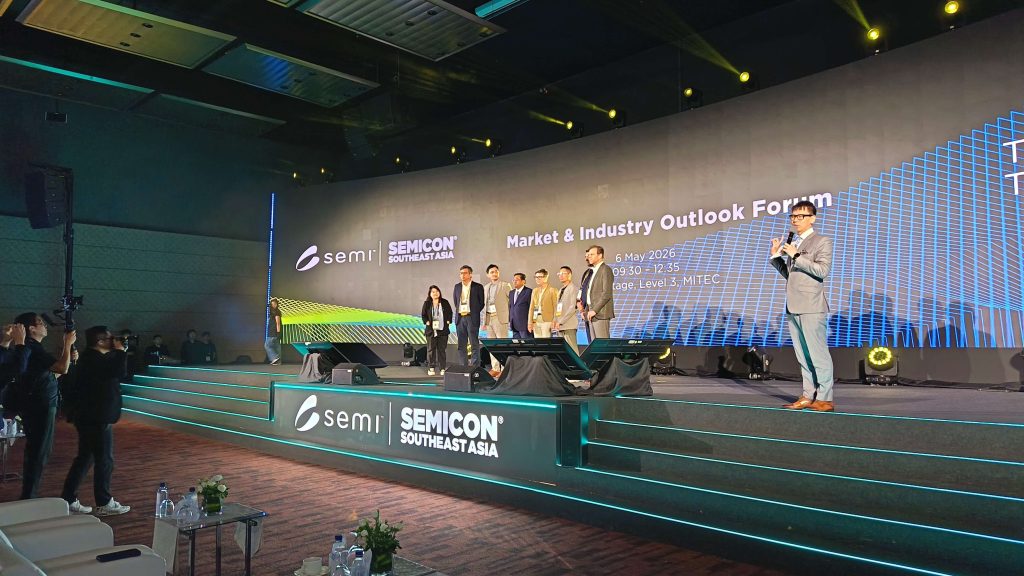
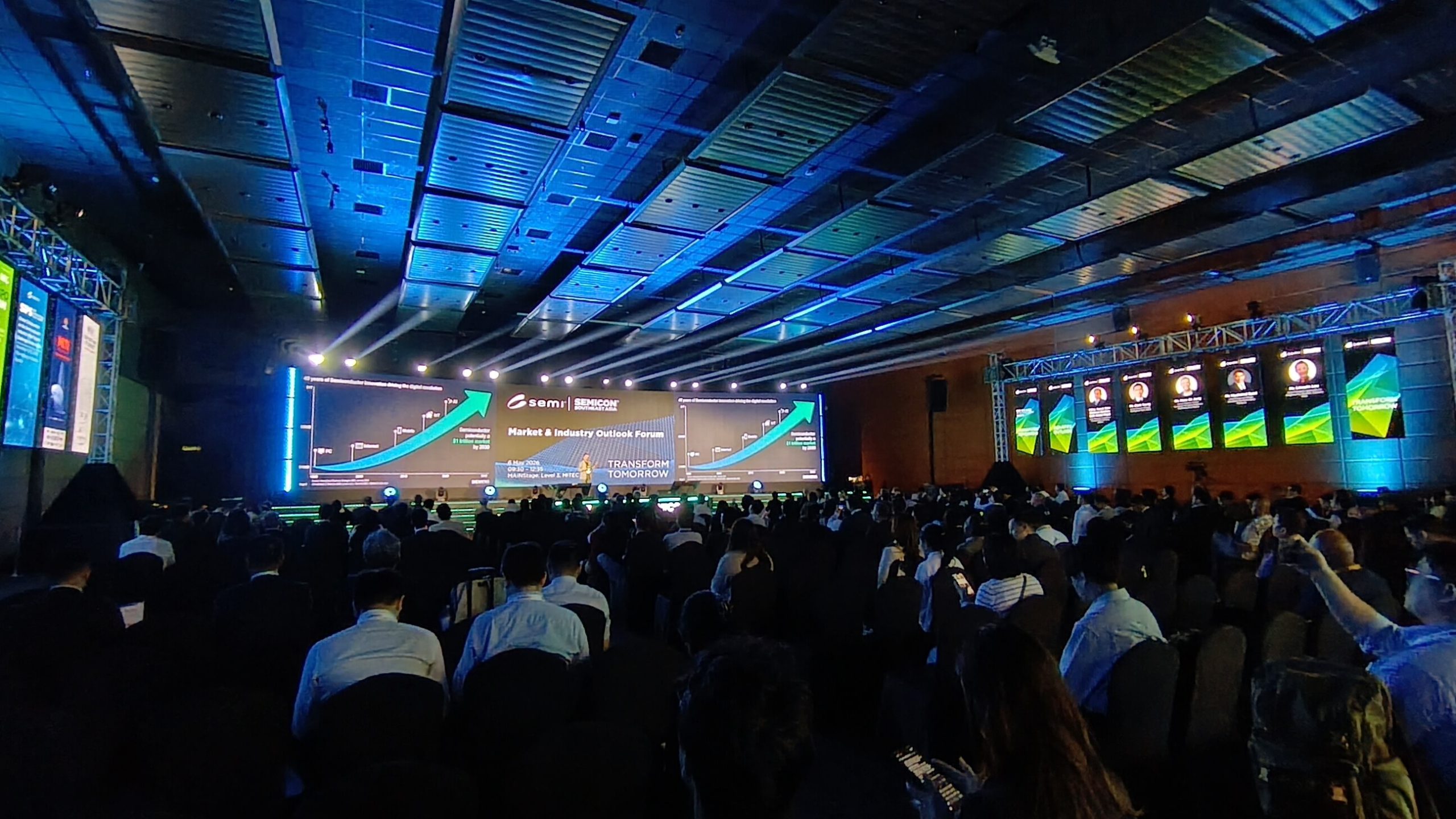
Experience from large-scale environments such as the DSA Exhibition at MITEC, SEMICON at MITEC, MAHA at MAEPS, and the Manchester United Legends Meet-Up at MITEC demonstrates the level of technical coordination required to ensure seamless delivery across multiple systems, large audiences, and high expectations.
Redundancy in Hybrid Events
Hybrid events introduce additional complexity. Key risks include stream failure, audio sync issues, and platform crashes. Redundancy solutions include backup streaming encoders, secondary streaming platforms, and separate audio feeds for broadcast.
Cost vs Risk: Is Redundancy Worth It?
Some clients hesitate due to cost—but here’s the reality: the cost of redundancy is always lower than the cost of failure. Failure can result in lost business opportunities, reputation damage, and negative media coverage.
Emerging Trends in Event Redundancy
The next generation of redundancy solutions is being shaped by four key trends:
Cloud-Based Backup Systems
AI Monitoring & Predictive Alerts
Smarter Switching Systems
Sustainable Redundancy
Cloud-based backup systems offer remote content storage and instant recovery, while AI monitoring enables predictive failure detection and automated alerts. Smarter switching systems are delivering faster failover times with seamless transitions, and sustainable redundancy solutions are optimising power usage through energy-efficient backup equipment.
Best Practices for Event Organisers
- Always ask your AV provider about redundancy plans
- Identify critical elements that must never fail
- Allocate budget for backup systems
- Schedule full technical rehearsals
- Ensure clear communication with the AV team
Final Thoughts
Zero-failure events don’t happen by chance—they are designed that way. Redundancy is the invisible safety net that protects your event from unexpected disruptions. When done right, the audience never knows it’s there—but its impact is undeniable.
In VIP summits, where every second counts and every detail matters, redundancy ensures confidence, continuity, and credibility. Because at the highest level, success isn’t just about delivering an event—it’s about delivering it flawlessly.
Planning a High-Stakes VIP Summit?
Our technical team designs zero-failure AV environments with full redundancy built in—so your event runs flawlessly, every time.