Key Takeaways
- Customised event experience design starts with the emotional and behavioural response a brand wants to create, then builds the live experience around it.
- Strong events go beyond visual branding and shape how audiences move, interact and interpret the brand in real time.
- Every touchpoint—arrival, participation, hero moments and exit—contributes to brand affinity when designed as one connected journey.
- Creative direction and technical production must be developed together to ensure the experience is both impactful and achievable.
Quick Answer: What Is Customised Event Experience Design?
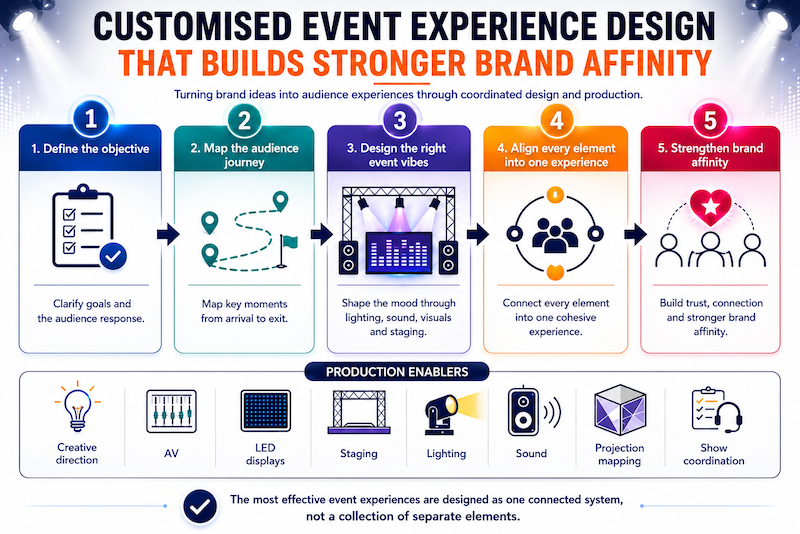
Customised event experience design is the process of shaping an event around a specific brand objective, audience and desired emotional response. It integrates creative direction, spatial design, content, staging, lighting, sound and interaction into one cohesive journey.
Its purpose is not just to impress audiences, but to create meaningful experiences that strengthen brand affinity through events.
Start With Brand Objective and Emotional Outcome
Before discussing visuals, staging or technology, a strong brief defines what the audience should think, feel and do.
This is the foundation of audience-centric event design: start with the desired emotional and behavioural outcome, then design backwards.
| Brand objective | Intended emotional response | Experience design direction |
|---|---|---|
| Launch something new | Curiosity and anticipation | Controlled reveal, structured storytelling, pacing |
| Communicate authority | Confidence and trust | Clear hierarchy, disciplined visuals, precise messaging |
| Encourage participation | Ease and willingness | Simple interaction points, intuitive flow, guided movement |
| Build community | Belonging and connection | Shared moments, inclusive programming, social environments |
A strong event branding strategy defines not only how a brand looks, but how it behaves in space—whether it feels premium, approachable, innovative or community-driven.
Designing Events as Emotional Journeys
Attendees do not experience an event as a single moment. They move through a sequence of impressions that shape perception over time.
This is where event journey design becomes essential.
Arrival and first impression
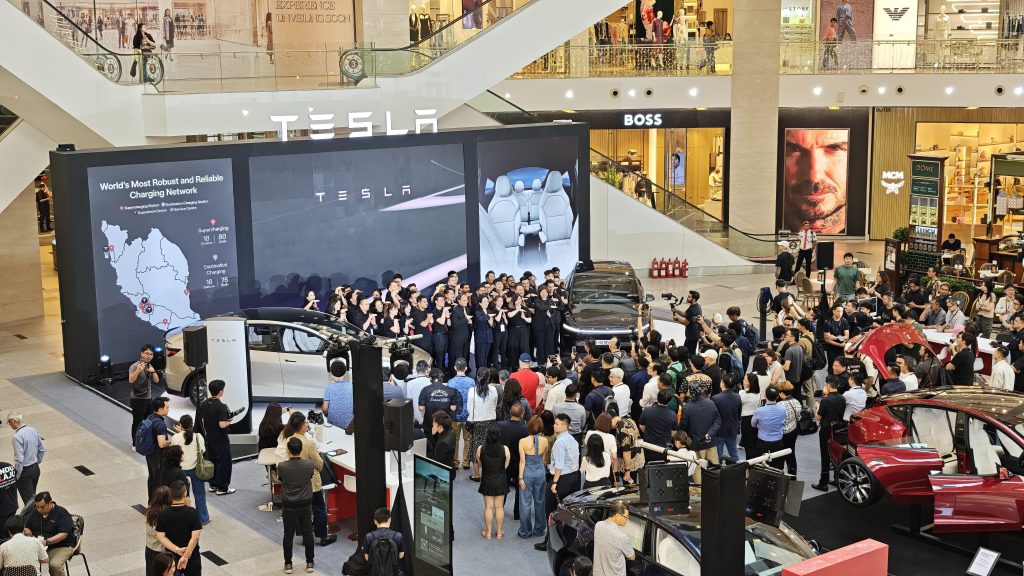
The first few minutes set the emotional tone. Entrance design, lighting, signage, staff interaction and queue management all influence how the brand is perceived.
A seamless arrival builds confidence. A confusing one creates friction that weakens early brand perception.
 Engagement and participation
When audiences are invited to interact, the experience must feel intuitive.
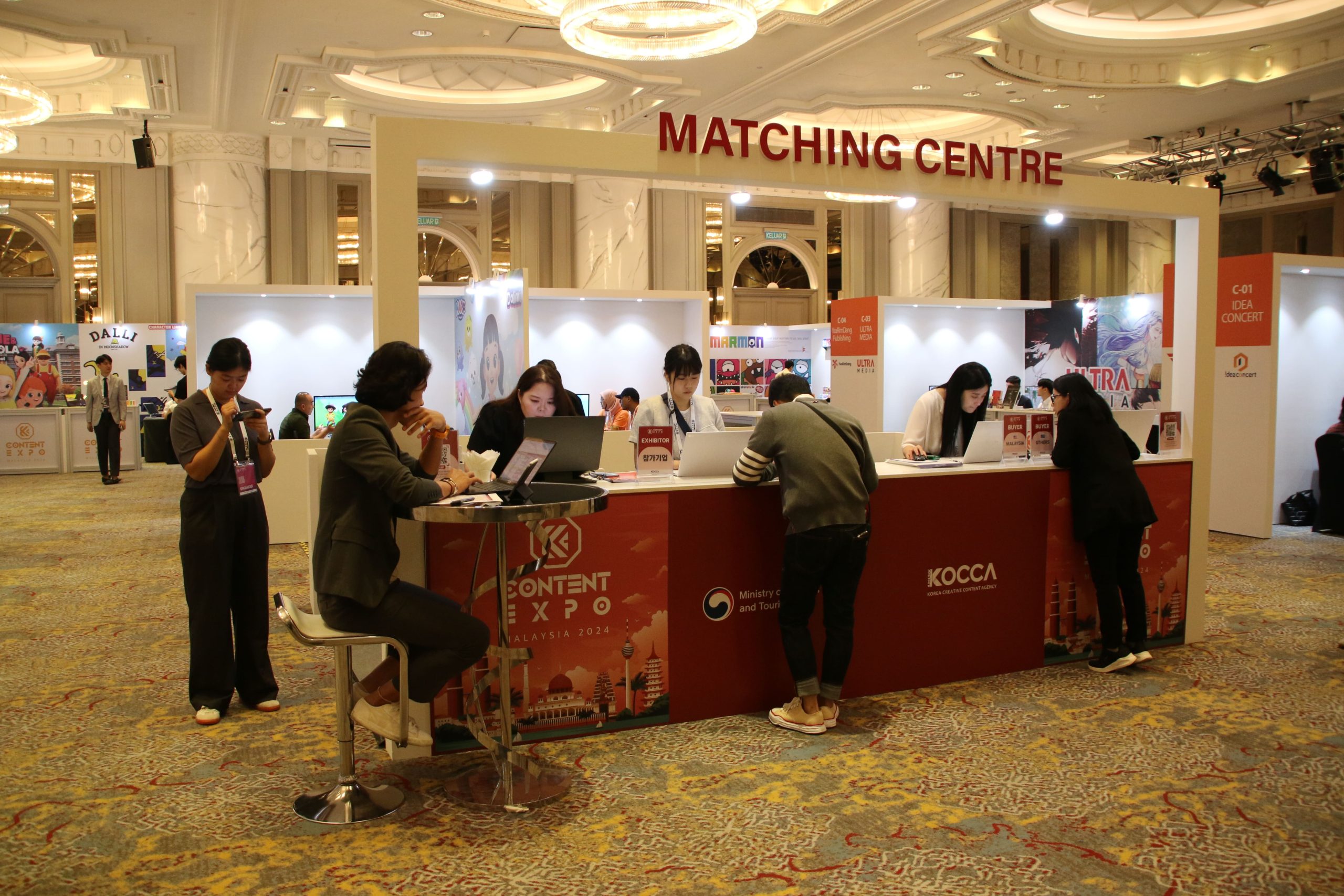
Effective brand activation design ensures people immediately understand what to do, why it matters and how it connects to the brand. Confusion reduces engagement; clarity increases participation.
This is especially important in experiential marketing events, where multiple touchpoints compete for attention.
 Hero moment
The central reveal, keynote or performance should feel distinct from everything around it. Lighting, sound, visuals and staging must align to create emotional focus.
This is often the moment where emotional engagement peaks and contributes most strongly to brand affinity.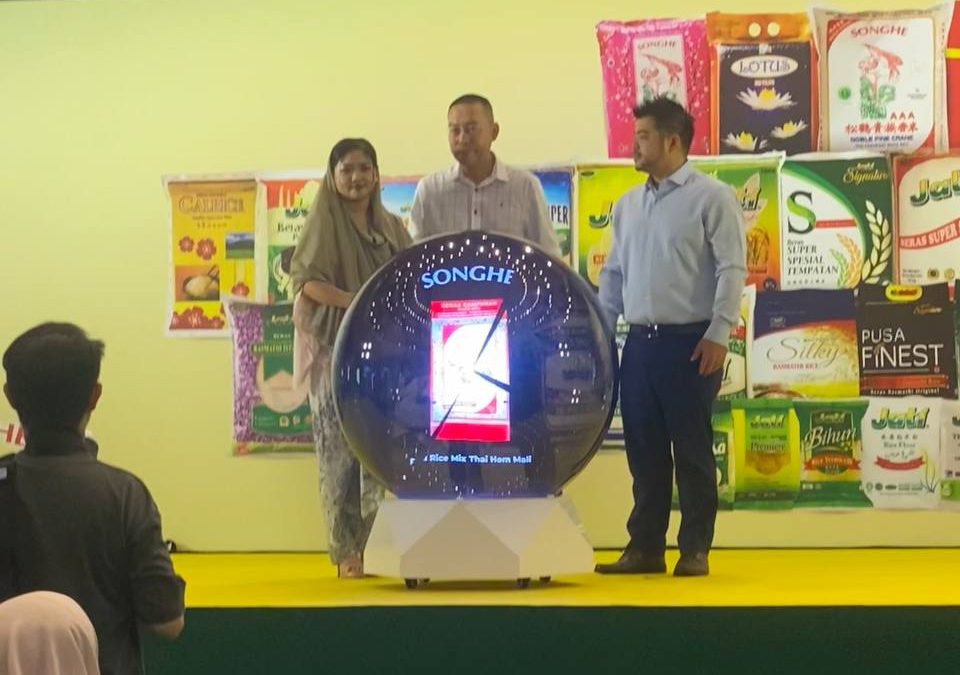
Exit and memory formation
The final impression influences how the experience is remembered. Takeaways, closing visuals and exit flow can reinforce the message and support brand recall, even if memory is not guaranteed.
How To Translate Brand Identity Into Experience Design
To strengthen brand affinity, the experience must feel unmistakably aligned with the brand, even when using standard event components.
How to Customise Event Vibes: Designing the Right Atmosphere for Every Event?
The atmosphere should reflect both the brand character and the response the event is designed to create. Lighting, sound, visuals, staging, spatial layout and programme pacing can all influence whether the environment feels premium, energetic, social, focused or restrained.
For example, a premium brand may use controlled lighting, refined staging and deliberate transitions, while a technology brand may use more dynamic visuals, movement and responsive content.
The important factor is consistency: each element should reinforce the same overall brand impression rather than compete for attention.
Explore how these elements work together in How the Right Event Atmosphere Creates Immersive Experiences and Elevates Brands, including how atmosphere can shape audience perception and the overall brand experience.
Visual, spatial and sensory language
Stage design, screen content, materials and motion graphics establish hierarchy and tone. A technology brand may use dynamic visuals and clean spatial design to signal innovation, while a heritage brand may prioritise structure, clarity and controlled pacing to reinforce brand trust.
These choices should also support the way attention moves through the event. Screen content, scenic design, lighting and sound need to work together so key messages and moments are clear rather than visually or technically competing with one another.
When an experience extends across multiple senses, those cues should reinforce the same creative direction. Learn more about how sound, visuals, lighting, touch and other sensory elements can work together in What Is a Multisensory Event Experience?.
This is why branded event experiences depend on coordination across all production layers, not isolated creative elements.
Interaction as meaning, not decoration
Interaction should reinforce the brand story, not distract from it.
A product trial can demonstrate value. A shared activity can build a sense of belonging. A poorly aligned game or gimmick, however, can weaken brand perception rather than strengthen it.
For events where participation is central to the experience, interactive zones and hands-on engagement can give audiences a more direct way to explore products, messages or brand ideas when the activity has a clear purpose and intuitive participation flow.
Can Event Design Build Stronger Brand Relationships?
 Research in brand experience suggests that sensory, emotional, intellectual and behavioural engagement all influence how people relate to a brand. Studies by Brakus, Schmitt and Zarantonello highlight links between brand experience, satisfaction and loyalty.
However, this does not mean every well-produced event automatically creates an emotional bond. Audience context, message relevance and prior brand relationship all matter.
Research on branded events also shows that emotional and sensory engagement can contribute to stronger brand relationships when experiences are meaningful and well-aligned.
In practice, emotional engagement must be intentionally designed. When done well, it can improve brand perception, strengthen emotional brand engagement, and support long-term brand affinity through events.
Deeper outcomes such as brand attachment and loyalty typically develop over repeated experiences.
How To Adapt the Experience to the Event Format?
Different formats need different expressions of the same design logic.
- Product launches: Focus on anticipation, storytelling and controlled reveal to strengthen emotional impact.
- Conferences: Prioritise clarity, content hierarchy and smooth transitions to support understanding and trust.
- Exhibitions and activations: Emphasise navigation and engagement to build brand awareness and interaction.
- Gala dinners and recognition events: Use pacing, cues and personalised moments to create memorable event experiences.
Common Mistakes in Customised Event Experience Design
Treating branding as surface decoration
Logos and visuals alone do not create customised event experiences. Without behavioural and spatial alignment, the experience feels generic.
Overloading the experience
Too many ideas dilute emotional clarity. Strong brand affinity comes from focus, not complexity.
Ignoring operational reality
Poor flow, unclear sightlines or technical limitations can disrupt even the strongest creative concept.
Separating creative and technical teams
When design and production are disconnected, the intended experience often becomes compromised in execution.
A Practical Planning Framework for Designing Brand-Aligned Events
Before finalising production, consider:
- What emotional response should the audience leave with?
- What should they understand about the brand?
- What actions should they take during the event?
- Where are the key emotional peaks?
- How does the venue support or limit the experience?
- How do production elements reinforce the brand story?
How DOREMi Designs Customised Event Experience?
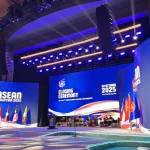
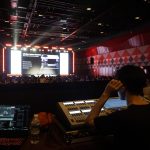
DOREMi delivers event experience design and production as a unified process combining creative direction, audience journey planning and technical execution. LED, AV, staging, lighting and projection mapping are integrated into one cohesive system.
A strong example is the Xsolla KL Grand Opening project, where stage design, LED systems, lighting and sound were engineered to create a seamless brand experience environment.
By aligning creative intent with technical feasibility early, DOREMi ensures that every design decision supports both execution and brand affinity outcomes.
FAQs
How is customised event experience design different from normal event planning?
Event planning focuses on logistics and execution. Experience design focuses on how attendees perceive, move through and interpret the event in relation to the brand idea.
Do branded events need interactive technology?
Not necessarily. Interaction can be physical, social or observational. Technology should only be used when it clearly supports the experience.
How early should experience design begin?
Ideally before venue and production decisions are locked, so creative intent can be shaped around real operational constraints.
How should we measure event success?
Use metrics aligned to objectives such as participation, dwell time, engagement, leads or post-event actions rather than attendance alone.
Can DOREMi manage both creative and technical delivery?
Yes. DOREMi integrates creative direction, technical production and on-site execution to ensure all event elements work together cohesively. Speak to our event specialist to help you translate your vision into a structured event experience, design and production plan.
Conclusion
Effective customised event experience design ensures every decision has intent.
The brand objective defines the audience response, the response shapes the journey, and the journey informs environment, content, interaction and production.
When these layers align, the event becomes a coherent expression of the brand rather than a collection of standalone elements.
Planning an event around a specific brand objective? Speak to our event specialist and explore how DOREMi can translate your vision into a structured event experience design and production plan.