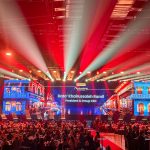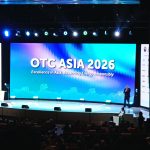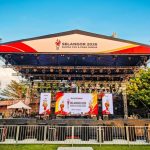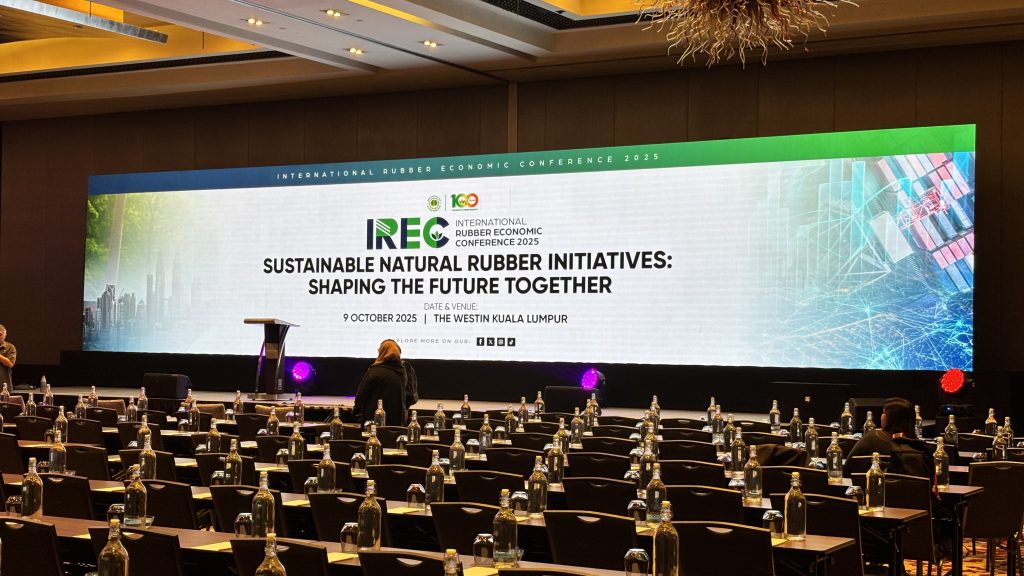
An international summit is more than a meeting between world leaders. It is a carefully coordinated platform where diplomatic discussions, important announcements and regional decisions take place in front of international audiences. Every detail matters, from the seating arrangement and stage layout to the lighting, visual displays and technical infrastructure supporting the event.
At the centre of this environment is the plenary stage.
Unlike a conventional conference stage, a VIP plenary stage must accommodate high-level dignitaries, government representatives, international delegates, media teams and protocol requirements. It needs to look impressive while remaining functional, secure and comfortable for everyone involved.
The 47th ASEAN Summit, held at the Kuala Lumpur Convention Centre (KLCC) from 26 to 28 October 2025, provides a relevant example of the scale and importance of international summit production. Hosted under Malaysia’s ASEAN Chairmanship theme, Inclusivity and Sustainability, the gathering brought ASEAN leaders and international partners together for discussions on regional cooperation and shared priorities. The summit also marked Timor-Leste’s admission as ASEAN’s 11th member state. Source: ASEAN Chairman’s Statement.
For events of this nature, the stage is not simply a raised platform. It is part of the formal environment that supports communication, represents the host nation and helps the programme run smoothly.
This is where professional stage rental and event production planning become essential. From platform dimensions and VIP seating to stage backdrops and technical coordination, every element must be planned around the purpose of the plenary session.
Understanding the Purpose of a VIP Plenary Stage
A plenary session is a formal gathering where participants come together for discussions, presentations, statements or important announcements. At an international summit, it may involve heads of state, heads of government, ministers, senior officials and invited representatives.
The stage must accommodate these participants while supporting the programme’s formal structure.
This creates several requirements that may not apply to an ordinary corporate conference. The stage layout must consider the number of dignitaries, their positions, speaking arrangements, official seating, national flags, microphones and the movement of participants throughout the session.
For example, a plenary session involving several ASEAN leaders requires a different stage configuration from a keynote presentation with one speaker. The layout may need to accommodate multiple seats, individual microphones, nameplates and carefully arranged national symbols.
The stage must also support the event’s visual identity. International summits often use a consistent design language across the main stage, media areas, meeting rooms and other event spaces. This helps create a unified appearance throughout the venue.
A successful VIP plenary stage therefore balances three priorities: functionality, protocol and presentation.
Stage Design Begins with Protocol and Seating Arrangements
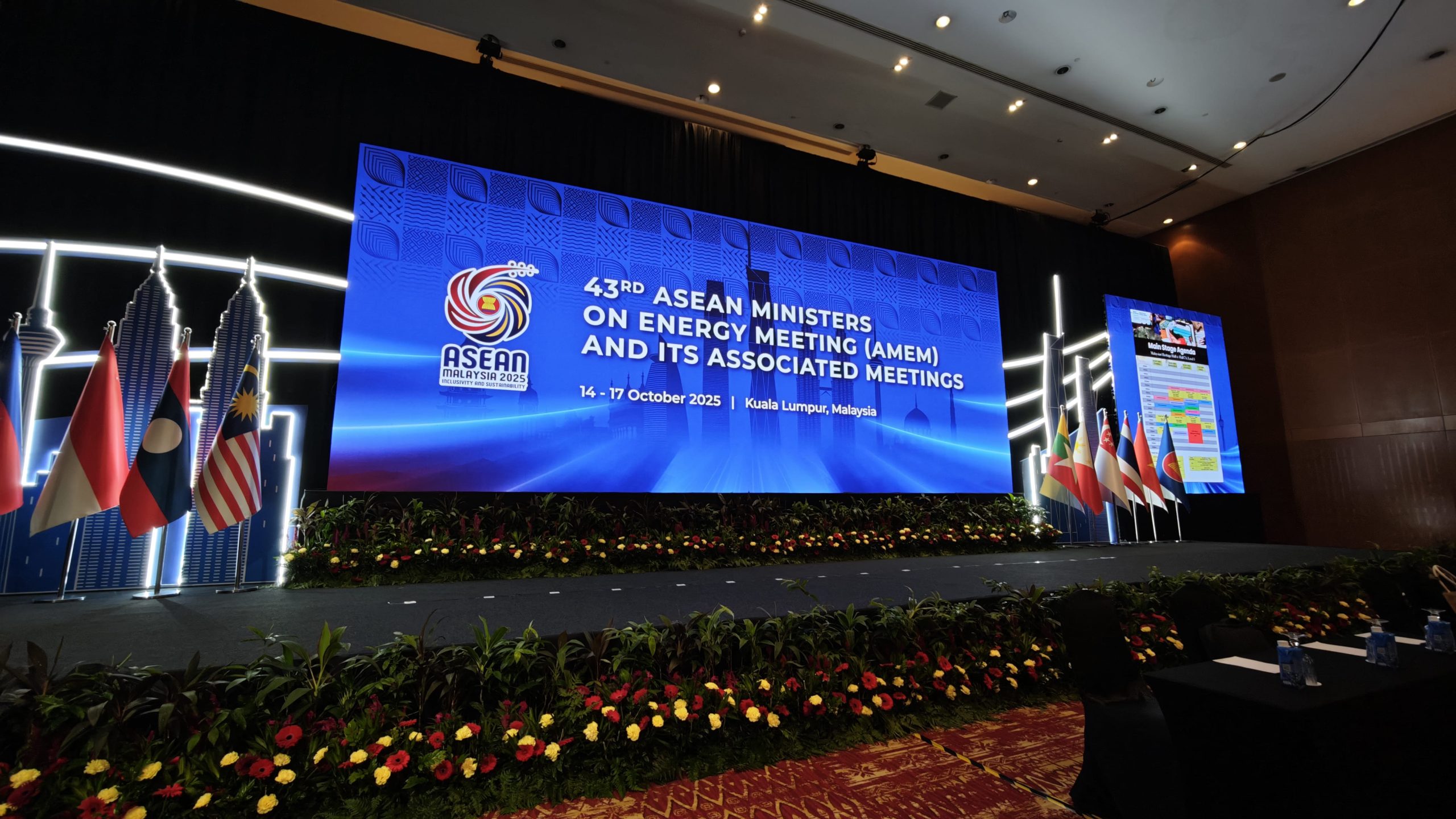 One of the most important considerations in designing a VIP plenary stage is protocol.
In high-level diplomatic events, seating is not simply arranged according to available space. The position of each dignitary may be determined by official protocol, the order of precedence, the structure of the meeting and the organiser’s requirements.
This affects the entire stage design.
Before selecting a stage rental solution, organisers and production teams need to establish how many people will be seated on stage, who will deliver speeches, whether participants will remain seated throughout the session and how the programme will transition between different segments.
A plenary stage may require:
- A main table or individual VIP seating arrangements.
- Dedicated microphones for speakers and participating leaders.
- Nameplates and country identification.
- National flags and official event branding.
- Clear pathways for dignitaries to enter and leave the stage.
- Appropriate spacing between seats and technical equipment.
The arrangement must also allow participants to communicate comfortably without appearing crowded.
For example, placing microphones too close together can create an untidy appearance and complicate cable management. Insufficient space between seats may affect movement, while poorly positioned nameplates can become difficult to read in photographs and broadcast footage.
These details should be resolved during the design and planning stage rather than adjusted at the last minute.
For international summits, the stage layout should be reviewed with the relevant protocol officers and event organisers before production begins. This ensures that the physical setup reflects the approved seating plan and programme requirements.
Choosing the Right Stage Rental Structure
The stage structure is the foundation of the entire setup. It must support the required layout, accommodate the expected load and fit the venue’s physical conditions.
For a VIP plenary, the stage may need to support multiple chairs, tables, lecterns, microphones, visual equipment and decorative elements. Its size and configuration should be determined by the actual programme rather than appearance alone.
Several factors influence the choice of stage rental structure.
Stage dimensions
The stage must provide enough space for all participants and equipment without making the arrangement look overcrowded. It should also maintain appropriate distances between the seating area, lectern and visual backdrop.
A stage that is too small can restrict movement and make the setup appear cramped. On the other hand, an unnecessarily large platform may create excessive empty space and weaken the visual balance of the room.
Stage height
Stage height affects visibility and accessibility.
A raised platform helps delegates and media representatives see the speakers clearly, particularly in a large plenary hall. However, the height must be appropriate for the venue, audience sightlines and camera positions.
Access steps, ramps and other entry arrangements should also be considered based on the event’s requirements.
Structural stability and loading
A VIP stage must be planned with appropriate structural considerations. The combined weight of furniture, participants, equipment and stage components must be taken into account.
The production team should work with competent staging professionals to ensure that the structure, support system and installation comply with relevant safety requirements.
Stage rental is not simply about providing platforms. It involves selecting and assembling a suitable structure for the event’s actual operating conditions.
Creating a Professional Backdrop for International Representation
The stage backdrop is one of the most visible elements of an international summit.
It appears in official photographs, television coverage, livestreams and media reports. It also establishes the visual identity of the event, making its design an important part of the overall presentation.
For an ASEAN-related event, the backdrop may incorporate the summit’s official branding, event theme, ASEAN identity and host-country elements. The design should be formal and consistent with the event’s communication guidelines.
A well-designed backdrop should achieve several things:
Establish the event identity. Official logos, titles and branding should be positioned clearly so that the event can be recognised in photographs and video coverage.
Maintain visual balance. The backdrop should complement the stage layout rather than compete with the dignitaries or speakers for attention.
Support photography and broadcasting. Text, logos and visual elements should remain clear from different camera angles. The design should also avoid unnecessary reflections, distracting patterns or visual clutter.
Allow for technical integration. If LED screens are incorporated, the display content, dimensions and placement must be considered alongside the physical stage structure.
For some events, a printed or fabricated backdrop may be suitable. For others, LED screens offer greater flexibility for displaying event graphics, presentation content, motion visuals and official announcements.
The choice depends on the event’s creative direction, technical requirements and available venue infrastructure.
Integrating LED Screens and Visual Displays
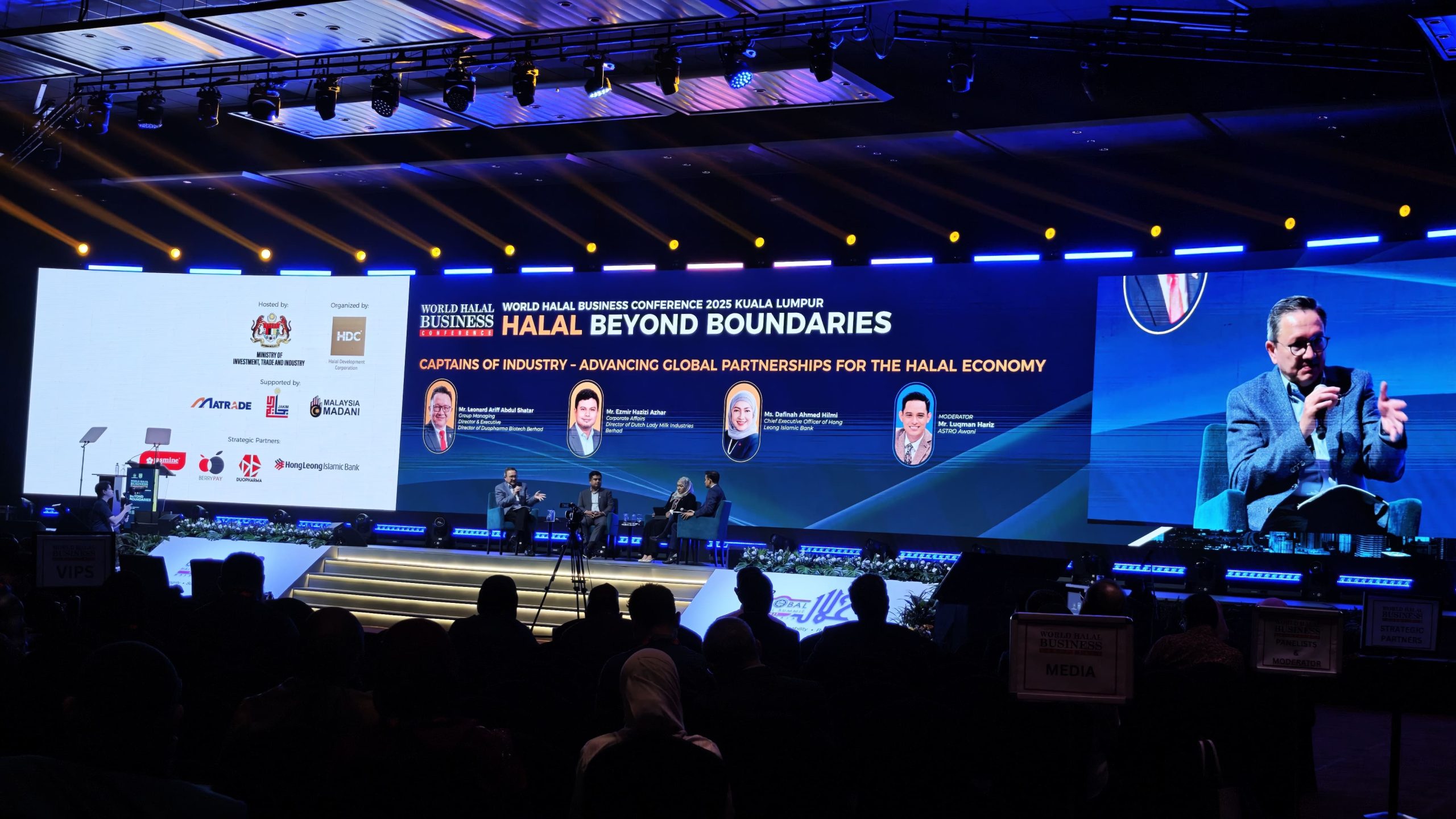 At an international summit, visual communication is just as important as the spoken programme.
Delegates may need to follow presentations, view official announcements, read supporting information or participate in sessions involving remote representatives. Media teams also require clear visuals for photography and broadcast coverage.
LED screens can support these requirements by displaying event branding, speaker information, presentation slides, live video feeds and other programme content.
However, screen placement requires careful planning.
The display should be large enough for delegates to read from different seating positions. Its height and viewing angle should also be considered to prevent visual obstruction.
For a VIP plenary stage, the production team may consider:
- A main LED screen positioned behind or above the stage.
- Additional side screens for delegates seated further away.
- Separate confidence monitors for speakers, where required.
- Dedicated display outputs for presentations and live video feeds.
- Backup playback arrangements for important programme content.
The screen content must also be prepared in the correct format and resolution. Event logos, country names, presentation slides and other graphics should be checked before the session.
A technically impressive LED display will not be effective if the content is difficult to read or poorly positioned.
This is why LED screen rental should be planned as part of the overall stage and audiovisual design rather than treated as a separate equipment requirement.
Lighting Design for a Formal Plenary Environment
Lighting plays an important role in creating the right atmosphere while ensuring that speakers and dignitaries remain clearly visible.
Unlike concerts or entertainment events, VIP plenary sessions generally require a controlled and professional lighting approach. The objective is to provide sufficient illumination without distracting participants or affecting photography and video production.
Lighting design should consider the stage layout, ceiling height, existing venue lighting, camera positions and the type of broadcast or recording required.
Key considerations include:
Front lighting: Provides clear illumination of speakers and seated participants, helping cameras capture facial expressions and presentations.
Stage wash lighting: Creates consistent illumination across the stage so that the overall setup looks balanced.
Background lighting: Adds depth to the stage design and helps separate the backdrop from the main platform.
Presentation lighting: Ensures that visual content remains easy to view while speakers are addressing the audience.
The production team must also manage light intensity and colour temperature. Excessive brightness can cause discomfort, while poorly balanced lighting may create shadows or inconsistent skin tones on camera.
For international summits, lighting should support the formal nature of the occasion. A clean and consistent appearance is usually more suitable than dramatic effects or unnecessary colour changes.
Sound System and Microphone Coordination
A plenary session depends on clear communication. Every speech, announcement and discussion must be heard accurately by the participants in the room.
This makes the sound system a critical part of the stage rental and event production plan.
The audio requirements of a VIP plenary may differ significantly from those of a typical corporate presentation. Multiple dignitaries may need individual microphones, while interpreters, media teams and remote participants may require additional audio connections.
The sound system design should consider:
- The size and acoustic characteristics of the plenary hall.
- The number and location of speakers.
- Microphone types and placement.
- Audio coverage throughout the seating area.
- Interpretation and language requirements, where applicable.
- Audio feeds for recording, broadcasting or livestreaming.
- Backup microphones and essential equipment.
Microphone selection is particularly important.
Gooseneck microphones may be suitable for formal conference tables, while wireless handheld microphones may be required for speakers who need to move around. Lapel microphones may also be used for certain presentation formats.
The audio team must ensure that microphone levels are consistent and that unwanted feedback, background noise and interference are controlled.
Sound checks should be carried out before the plenary begins. Each microphone should be tested individually, and the team should confirm that the correct audio feeds are reaching the relevant destinations.
For an event involving international delegates, audio clarity is not just a matter of comfort. It directly affects the ability of participants to follow discussions and understand important information.
Planning for Camera Positions and Media Coverage
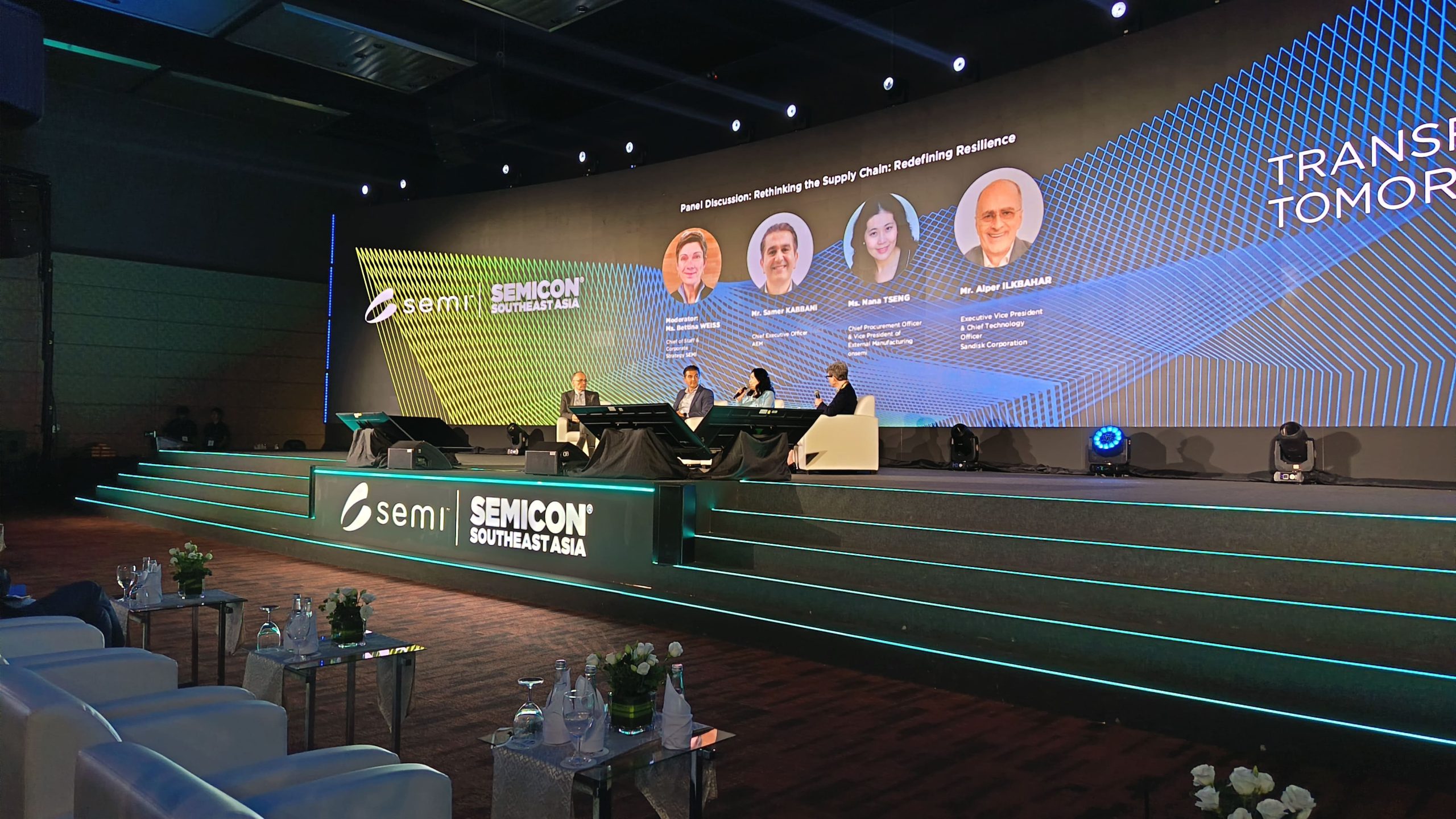 International summits attract significant media attention. Official photographers, broadcast crews and journalists need suitable positions to document speeches, group photographs and key moments.
This means the stage must be designed with camera coverage in mind.
A stage that looks attractive from the front may not necessarily work well on camera. Poorly positioned furniture, microphones, flags or LED screens can obstruct important views.
The production team should coordinate with the event’s media and broadcast teams to understand the required camera angles.
Important considerations include:
- Clear sightlines towards all seated dignitaries.
- Camera positions that do not obstruct delegates.
- Appropriate distances between the stage and camera platforms.
- Lighting that supports high-quality video recording.
- LED screen content that remains legible on camera.
- Cable routes that do not interfere with camera movement or walkways.
The stage backdrop should also be checked from the main camera positions. Official logos and event titles should remain visible, while important participants should not be hidden behind microphones, monitors or decorative elements.
Planning these details early helps reduce adjustments during rehearsals and allows the event to maintain a professional appearance throughout the programme.
Technical Coordination Behind the Stage
A successful plenary stage is supported by a team working behind the scenes.
Stage rental, LED screens, sound systems, lighting and presentation equipment must operate together. If these elements are planned independently, technical conflicts may occur during installation or the live programme.
For example, the position of an LED screen may affect the placement of lighting fixtures. Microphone cables may need to be routed through the stage structure, while camera positions may influence the location of equipment and control areas.
This is why coordination between production teams is essential.
Before installation, the team should review the event floor plan, stage drawings, equipment requirements, power distribution and technical access routes.
A production schedule should also establish when the venue is available for installation, testing, rehearsals and final inspection.
For a high-level summit, the technical team should have a clear communication structure. Stage managers, audio engineers, lighting operators, video technicians and event coordinators need to understand their responsibilities and programme cues.
Rehearsals are particularly valuable. They allow the team to test speaker entrances, microphone handovers, presentation playback, lighting changes and other transitions before the actual session.
A well-coordinated technical operation reduces uncertainty and helps the programme proceed according to schedule.
Safety, Accessibility and Venue Requirements
The visual design of a VIP plenary stage must never come at the expense of safety.
International summit venues often have strict requirements covering structural installations, electrical systems, emergency access, security arrangements and movement around the event space.
Before confirming a stage rental setup, organisers should understand the venue’s technical specifications and operating rules.
These may include:
- Maximum permissible floor loading.
- Approved stage dimensions and installation methods.
- Emergency exits and evacuation routes.
- Electrical supply and cable management.
- Access for installation equipment.
- Safe steps, ramps and handrails where required.
- Clear pathways for participants and event personnel.
Accessibility should also be considered. The stage access arrangement must accommodate the needs of the intended participants and comply with applicable requirements.
Cables should be secured and routed safely, while equipment should be installed in a way that does not create unnecessary obstructions.
The production team should also coordinate with venue management and security personnel, particularly where access to the stage and backstage areas is restricted.
These considerations should be addressed during planning, not left until the final installation.
What the 47th ASEAN Summit Teaches Us About Event Production
 The 47th ASEAN Summit demonstrates the scale of coordination required to host an international diplomatic gathering.
Held at KLCC from 26 to 28 October 2025, the summit brought together ASEAN leaders and dialogue partners for a series of high-level meetings. Its programme included plenary and retreat sessions, alongside related summits and engagements. Source: Ministry of Foreign Affairs Malaysia.
For a host country, an event of this significance is an opportunity to demonstrate its ability to deliver a professional international gathering. The venue, stage design, technical infrastructure and event operations all contribute to the experience.
The summit also highlights why event production cannot be viewed as a collection of separate equipment requirements. A stage must work with the sound system, visual displays, lighting, camera arrangements and programme schedule.
For DOREMi, experience supporting major event environments reinforces the importance of reliable event technology and coordinated production planning. Whether supporting a plenary session, corporate conference or large-scale gathering, the objective remains the same: to provide a technical setup that allows the programme and its participants to take centre stage.
The lesson for event organisers is clear. A successful VIP plenary does not happen simply because the stage looks impressive. It depends on careful preparation, technical coordination and attention to the requirements of every participant.
Choosing the Right Stage Rental Partner for a VIP Summit
Selecting a stage rental partner is an important decision for any high-level conference or international summit.
The supplier should understand more than the physical construction of a stage. They must be able to work with event organisers, venue teams and other technical suppliers to deliver a setup that meets the programme’s requirements.
When evaluating a stage rental provider, consider the following:
Experience with complex events: Look for a provider familiar with corporate conferences, government functions, formal ceremonies and large-scale event environments.
Technical planning capabilities: The team should be able to assess stage dimensions, layout requirements, venue conditions and equipment integration.
Coordination with other production elements: Stage structures need to work alongside sound, lighting, LED screens and other audiovisual systems.
Installation and safety procedures: Ask about structural planning, installation processes, inspection and compliance with venue requirements.
Operational support: Confirm who will manage the setup, technical coordination and on-site requirements throughout the event.
Clear communication: A reliable supplier should be able to understand the event brief, identify potential challenges and communicate practical solutions before installation.
For international summits, the margin for error is limited. A dependable production partner helps organisers manage technical requirements while maintaining the professional standards expected of a high-level event.
Conclusion
A VIP plenary stage is one of the most important elements of an international summit. It provides the setting for diplomatic discussions, official announcements and important regional decisions, while representing the identity and professionalism of the host event.
From stage dimensions and protocol-based seating to LED screens, lighting, sound systems and media coverage, every element must work together.
The 47th ASEAN Summit in Kuala Lumpur serves as a reminder of the complexity behind international event production. Delivering a successful summit requires more than an impressive stage design. It requires careful planning, reliable technical infrastructure and close coordination between organisers, venue teams and production professionals.
With the right stage rental partner and a well-planned production approach, event organisers can create a plenary environment that is functional, professional and ready to support important moments on the international stage.
Frequently Asked Questions
1. What is a VIP plenary stage?
A VIP plenary stage is a specially designed platform used for formal sessions involving senior officials, dignitaries, government representatives or international delegates. It may include VIP seating, microphones, lecterns, official backdrops and integrated audiovisual equipment.
2. What should be considered when planning stage rental for an international summit?
Key considerations include stage dimensions, structural stability, VIP seating arrangements, protocol requirements, accessibility, sightlines, venue specifications and integration with sound, lighting and LED screens.
3. Why are LED screens used on international summit stages?
LED screens display event branding, presentation content, speaker information, live video feeds and other visual materials. They help delegates follow the programme and support media coverage.
4. How important is sound system planning for a plenary session?
Sound system planning is essential because participants must hear speeches and discussions clearly. Microphone placement, audio coverage, interpretation requirements and recording or broadcast feeds should be considered during the planning stage.
5. How early should stage rental be arranged for a major summit?
It is advisable to begin planning as early as possible, once the venue, programme format and preliminary requirements are known. Early coordination gives organisers time to confirm the stage layout, technical drawings, venue approvals, installation schedule and rehearsals.
Further Reading
- Designing the Perfect Stage for Conferences: Tips for Maximum Impact – Explore practical considerations for creating conference stages that support audience engagement and a professional event environment.
- Conference Stage Design – Learn more about the design and technical considerations involved in creating effective conference stages.
Planning Your Next International Event?
Whether you are organising an international summit, VIP plenary, corporate conference or formal ceremony, the right stage and technical setup help create a professional environment for every important moment.
DOREMi provides event production and technology solutions, including stage rental, LED screens, sound systems, lighting, truss structures and audiovisual equipment to support events of different scales and requirements.
Explore our event production services or contact the DOREMi team to discuss the technical requirements for your next event.