Tech That Brings History to Life: How Projection Mapping Enhances Museums & Cultural Performances
Museums and cultural performances have always played an essential role in preserving heritage and sharing stories from the past. Traditionally, these stories were communicated through artifacts, text panels, guided tours, and live performances. While these methods remain important, modern audiences increasingly expect more engaging and interactive experiences.
In recent years, projection mapping technology has emerged as a powerful tool that brings history to life in dynamic and visually captivating ways. By transforming walls, artifacts, stages, and even entire buildings into storytelling canvases, projection mapping allows museums and cultural performances to present history not just as information—but as immersive experiences.
In 2025, projection mapping is no longer limited to large-scale concerts or urban light shows. It is becoming a key element in museums, heritage exhibitions, and cultural events around the world. For event and AV specialists like DOREMi Events, projection mapping represents an exciting way to blend technology with tradition, creating experiences that educate, inspire, and captivate audiences.
Key Takeaways
- Spatial Augmented Reality: Projection mapping turns irregular physical surfaces—from ancient artifacts to entire buildings—into dynamic, animated video displays without altering the physical object.
- Digital Restoration: Museums are using high-lumen projectors to digitally reconstruct faded ruins and animate historical narratives, drastically increasing visitor engagement.
- Dynamic Stagecraft: Cultural performances can instantly transform their sets from villages to palaces using synchronized projections, replacing the need for bulky physical props.
- Non-Invasive Spectacles: Because projection mapping requires no physical alterations, it is the perfect storytelling tool for protected heritage sites and historic landmarks.
What Is Projection Mapping?
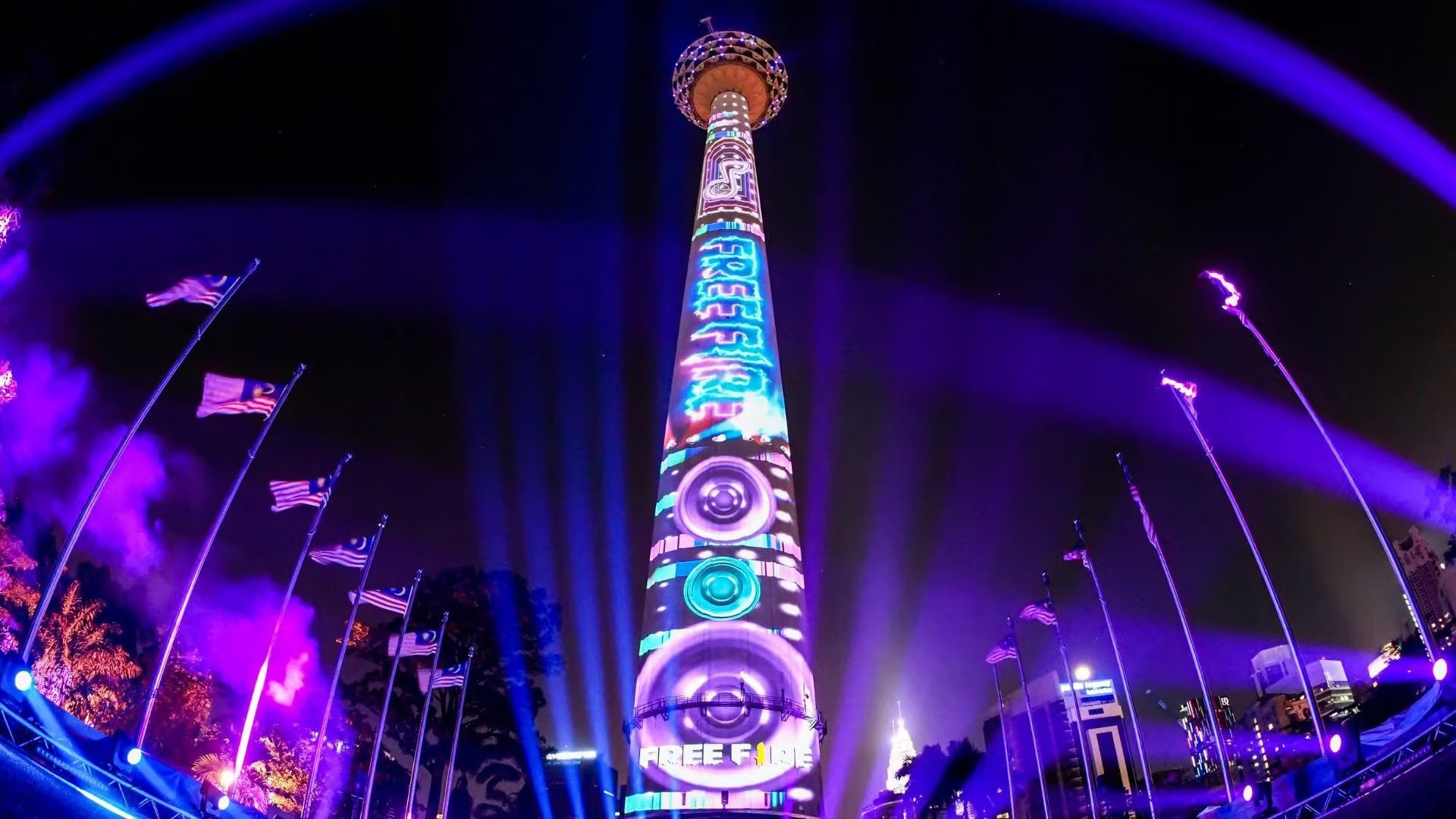
Projection mapping, sometimes referred to as spatial augmented reality, is a technology that projects digital visuals onto physical surfaces. Unlike traditional projections on flat screens, projection mapping is designed to fit precisely onto objects or structures, allowing images and animations to align perfectly with their shapes.
This technique makes it possible to transform almost any surface into a dynamic visual display. Historic buildings can appear to shift and evolve, sculptures can come alive with animation, and stage sets can transform instantly without physical changes.
Projection mapping systems typically rely on several key components:
- High-lumen projectors: These powerful projectors produce bright visuals that remain clear even in large spaces.
- 3D scanning and modeling: Before projecting visuals, technicians map the physical surface digitally to ensure accurate alignment.
- Specialized mapping software: Programs allow designers to create animations that match the exact contours of objects or architecture.
- Synchronization with audio and lighting: To create a fully immersive experience, projection visuals are often coordinated with sound effects, music, and lighting.
The result is a seamless blend of physical and digital elements that can transform storytelling into a visual spectacle.
Projection Mapping in Museums
Museums around the world are increasingly adopting projection mapping to enhance exhibitions and engage visitors in new ways. Instead of static displays, artifacts can now be accompanied by animated visuals that provide historical context or demonstrate how objects were used in the past.
For example, institutions like the Metropolitan Museum of Art have successfully used projection mapping to digitally restore the original, vibrant colors of ancient ruins without touching the fragile stone. This technology can be utilized to:
- Reconstruct historical environments: Ancient ruins or artifacts can be digitally restored, allowing visitors to see how they might have looked centuries ago.
- Animate historical narratives: Stories of historical events can be projected onto walls or exhibition spaces, guiding visitors through a timeline of events.
- Highlight artifacts without touching them: Instead of physically altering fragile objects, museums can project visuals onto or around them to illustrate their significance.
- Create immersive exhibition rooms: Entire gallery spaces can be transformed with projections that simulate historical settings, landscapes, or cultural environments.
This approach is particularly effective for younger audiences who may be more engaged by visual storytelling than traditional displays. It also allows museums to communicate complex histories in ways that are easier to understand and remember.
Enhancing Cultural Performances
Projection mapping is also becoming a valuable tool in cultural performances, where it can elevate storytelling and stage design.
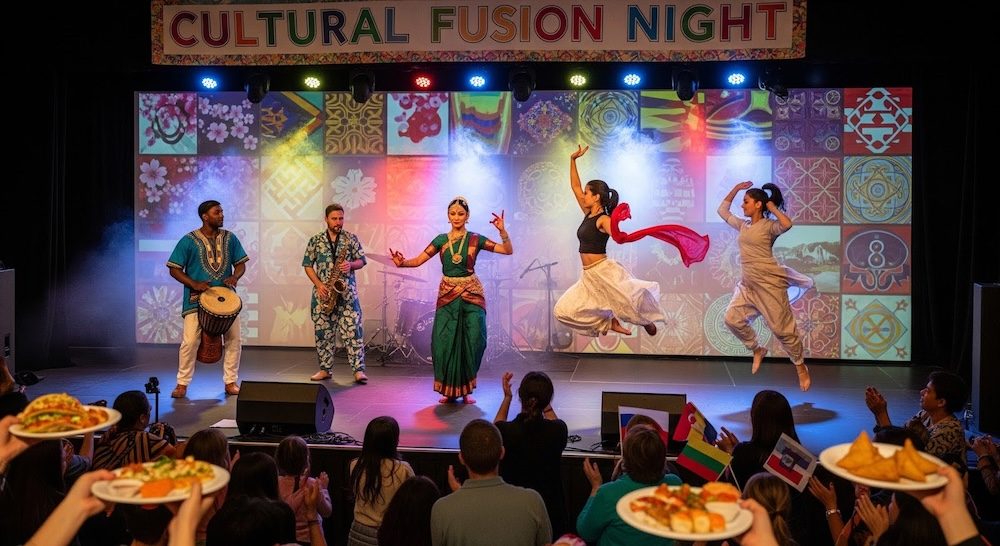
Traditional cultural performances often rely on elaborate sets and costumes to depict historical narratives or folklore. Projection mapping offers a flexible alternative that allows scenes to change instantly and dramatically without requiring physical stage modifications.
During performances, projection mapping can:
- Create dynamic stage environments: A stage can transform from a village setting to a palace or battlefield within seconds.
- Visualize myths and legends: Animated visuals can illustrate mythical creatures, spirits, or historical events that would be difficult to recreate physically.
- Synchronize with music and choreography: When coordinated with lighting and sound, projections can enhance emotional moments and dramatic transitions.
- Expand storytelling possibilities: Performers can interact with projected visuals, creating an experience that feels both theatrical and cinematic.
For cultural festivals and heritage events, projection mapping allows organizers to present traditional narratives in modern, visually compelling ways while maintaining the authenticity of the performance.
Engaging Modern Audiences
Today’s audiences are accustomed to high-quality visual experiences from film, gaming, and digital media. Projection mapping helps museums and cultural performances meet these expectations while still focusing on historical storytelling.
Interactive and visually rich experiences can significantly increase visitor engagement. When audiences feel immersed in an environment rather than simply observing it, they are more likely to develop a deeper emotional connection to the content.
Projection mapping contributes to this engagement by:
- Capturing attention with large-scale visuals
- Making complex historical concepts easier to understand
- Creating memorable, shareable experiences
- Encouraging visitors to spend more time exploring exhibitions
These benefits are especially important for cultural institutions that aim to attract younger generations and international visitors.
Projection Mapping for Heritage Landmarks
Beyond museums and theaters, projection mapping is also used to transform historic landmarks during festivals, national celebrations, and cultural events.
Buildings, monuments, and heritage sites can become storytelling platforms where historical events are illustrated through animated visuals. Projection mapping allows audiences to see the evolution of a location across different time periods, all within a single presentation.
These large-scale projections can highlight:
- The architectural history of a building
- Important national milestones
- Cultural traditions and folklore
- Community heritage and identity
Because projection mapping is temporary and non-invasive, it is particularly suitable for heritage sites where physical alterations are not permitted.
Challenges of Projection Mapping
Despite its creative potential, projection mapping also presents several challenges that must be carefully managed.
- Technical complexity: Mapping visuals accurately onto irregular surfaces requires precise measurements and skilled technicians.
- Lighting conditions: Ambient light can affect projection visibility, making proper lighting design essential.
- Equipment costs: High-quality projectors, servers, and mapping software require significant investment.
- Content development: Creating compelling visuals requires collaboration between historians, designers, and technical teams to ensure accuracy and artistic quality.
However, when executed properly, the impact of projection mapping can far outweigh these challenges.
The Future of Projection Mapping in Cultural Experiences
As technology continues to evolve, projection mapping is expected to become even more advanced and accessible.
Future innovations may include:
- Interactive projections: Visitors may be able to influence projected visuals through movement, gestures, or mobile devices.
- Augmented reality integration: Projection mapping could work alongside AR apps to provide layered storytelling experiences.
- AI-assisted design: Artificial intelligence could help generate projection content more efficiently and adapt visuals in real time.
- Portable projection systems: Smaller and more affordable equipment may allow community museums and cultural centers to adopt projection mapping more easily.
These developments will likely expand the use of projection mapping in educational, cultural, and entertainment settings.
Conclusion
Projection mapping has transformed the way museums and cultural performances present history. By combining digital visuals with physical spaces, it creates immersive environments that bring stories from the past into the present.
For cultural institutions, this technology offers a powerful way to engage modern audiences while preserving historical authenticity. For event specialists like DOREMi Events, projection mapping opens new creative possibilities for storytelling through light, motion, and design.
As museums and cultural organizations continue to embrace innovation, projection mapping will play an increasingly important role in turning history into experiences that audiences can see, feel, and remember.